World Malaria Day 2026: Everything You Need to Know About Malaria Symptoms, Causes & Treatment
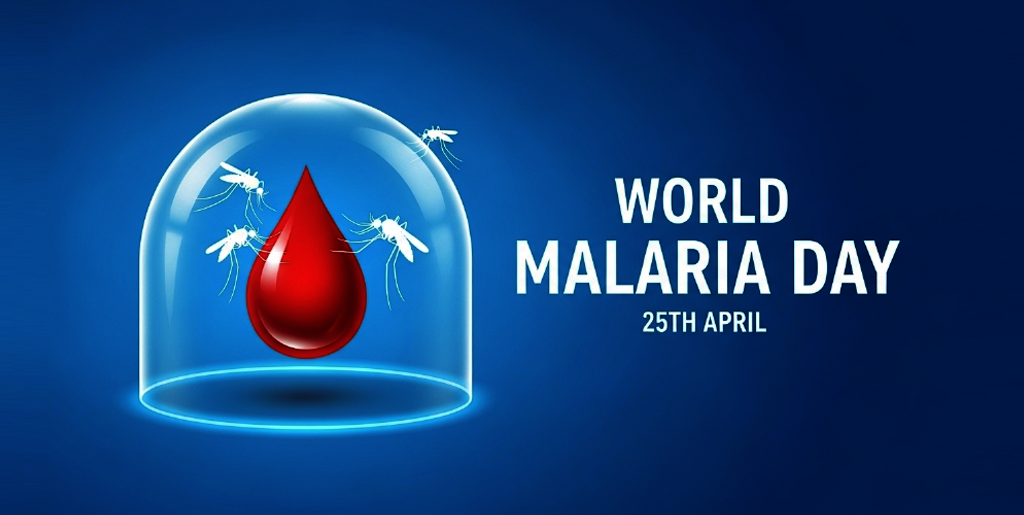
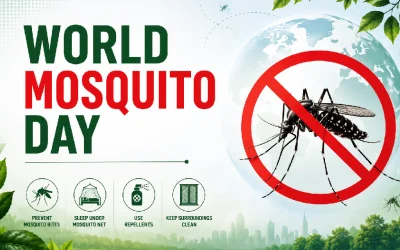
Malaria remains one of the most persistent infectious diseases worldwide, particularly in tropical regions such as India. Every year on April 25th, the world pauses to acknowledge a disease that, despite being entirely preventable and treatable, continues to claim hundreds of thousands of lives. World Malaria Day is not just a date on the global health calendar — it is a call to act, educate, and protect.
At Healing Hospital Chandigarh, we observe this day with a commitment to spreading awareness and ensuring that every patient in our region has access to timely diagnosis and effective malaria treatment.
When Is World Malaria Day Observed?
- World Malaria Day is celebrated annually on April 25.
- It was instituted by WHO Member States during the World Health Assembly in 2007, with an emphasis on continued investment and sustained political commitment for malaria prevention, control, and elimination.
- The day evolved from Africa Malaria Day — a regional observance established in 2001 — before being elevated into a truly global health campaign recognized by nations, hospitals, and communities worldwide.
World Malaria Day 2026 Theme & Global Focus
Every year, the World Health Organization highlights a theme to guide awareness campaigns. On World Malaria Day 2026, the World Health Organization launched the campaign: “Driven to End Malaria: Now We Can. Now We Must.”
The main focus centers on:
- Strengthening malaria prevention strategies
- Expanding access to diagnosis and treatment
- Supporting elimination programs in high-risk regions
Note: Since 2000, 2.3 billion cases and 14 million deaths have been averted. To date, 47 countries have been certified malaria-free, while 37 countries reported fewer than 1,000 cases in 2024.
History and Importance of World Malaria Day
World Malaria Day originated from Africa Malaria Day and was officially recognized as a global observance in 2007 by the American President George W. Bush, when he called on Americans to join in on the goal to eradicate malaria on the African continent.
Why Malaria Awareness Still Matters in 2026
India carries one of the highest malaria burdens in South-East Asia. States like Odisha, Jharkhand, Chhattisgarh, and parts of the Northeast continue to report significant case loads. Even in urban and semi-urban areas like Chandigarh and surrounding regions, the risk rises during and after the monsoon season when mosquito breeding peaks.
The reason awareness campaigns like World Malaria Day remain critical:
- Many patients delay seeking care, mistaking malaria fever for a common viral infection
- Self-medication without proper diagnosis leads to treatment failure and resistance
- Vulnerable groups — children, pregnant women, and the elderly — face life-threatening complications from untreated malaria
- Early detection and prompt treatment can reduce mortality to near zero
Understanding Malaria: Causes and Transmission
What Causes Malaria?
Malaria is caused by Plasmodium parasites — microscopic organisms that enter the human bloodstream and multiply rapidly. The five species responsible for human malaria are P. falciparum, P. vivax, P. malariae, P. ovale, and P. knowlesi. In India, P. falciparum and P. vivax are the most commonly found.
How Malaria Spreads?
Malaria is a mosquito-borne infection transmitted through the bite of an infected female Anopheles mosquito. It is important to understand that malaria is not contagious — it cannot spread from one person to another through touch, air, or casual contact.
In rare cases, malaria can also be transmitted through blood transfusions, organ transplants, or shared needles, and from mother to unborn child during pregnancy.
High-Risk Regions and Populations
Areas with stagnant water, poor sanitation, and dense vegetation are breeding grounds for Anopheles mosquitoes. Those living in or traveling to such zones — particularly during monsoon months (July–October) — are at elevated risk.
Common Malaria Symptoms You Should Not Ignore
Recognizing malaria symptoms early is critical for timely treatment.
Early Malaria Symptoms:
- Fever
- Chills and sweating
- Headache
- Body aches
- Fatigue
- Nausea or vomiting
Severe Malaria Symptoms:
- Difficulty breathing
- Confusion or seizures
- Severe anemia
- Organ complications
⚠️ Seek medical help immediately if symptoms worsen.
Prevention of Malaria: Simple Steps That Save Lives
Prevention remains the most powerful tool against malaria. At the individual and community level:
- Use insecticide-treated mosquito nets (ITNs)
- Apply mosquito repellents
- Wear full-sleeved clothing
- Eliminate stagnant water
- Keep your windows and doors closed after sunset
- Use mosquito coils or vaporizers
- Take antimalarial prophylaxis, if traveling to high-risk zones (on doctor’s advice)
Diagnosis & Treatment of Malaria
Malaria Diagnosis:
Doctors diagnose malaria using:
- Blood smear tests
- Rapid diagnostic tests (RDTs)
Early detection improves treatment outcomes.
Malaria Treatment:
Malaria treatment in India depends on the severity and type of infection.
Common Treatment Options:
- Antimalarial medications (as prescribed)
- Fever management and hydration
- Hospital care in severe cases
✔️ Malaria is completely curable if treated early.
Malaria Treatment Near Me: Choosing the Right Hospital
If you are searching for:
- Malaria treatment near me
- Malaria doctor near me
- Fever treatment
It is important to consult a trusted healthcare provider.
At Healing Hospital in Chandigarh, patients receive:
- Advanced diagnostic facilities
- Experienced infectious disease specialists
- 24/7 emergency care
- Personalized treatment plans
Frequently Asked Questions (FAQs)
Q: What is World Malaria Day and why is it celebrated?
World Malaria Day is observed every April 25th to raise global awareness about malaria, mobilize prevention efforts, and advocate for sustained investment in treatment and elimination programs.
Q: What is the theme of World Malaria Day 2026?
The theme is “Driven to End Malaria: Now We Can. Now We Must.” — a call to action by WHO and global health partners.
Q: Is malaria contagious from person to person?
No. Malaria spreads only through the bite of an infected Anopheles mosquito — not through physical contact, coughing, or shared spaces.
Q: What are the early symptoms of malaria?
Fever with chills, headache, nausea, and body ache — often appearing in cycles every 48–72 hours.
Q: Can malaria be completely cured?
Yes, with timely diagnosis and appropriate treatment, malaria is fully curable.
Q: How can I book an appointment at Healing Hospital Chandigarh for malaria or fever treatment?
Call our helpline at +91-9464343434 or visit our website to book a consultation with our infectious disease specialists. We offer both OPD and emergency services.