Top 10 Superfoods for Kidney Health and Better Renal Function
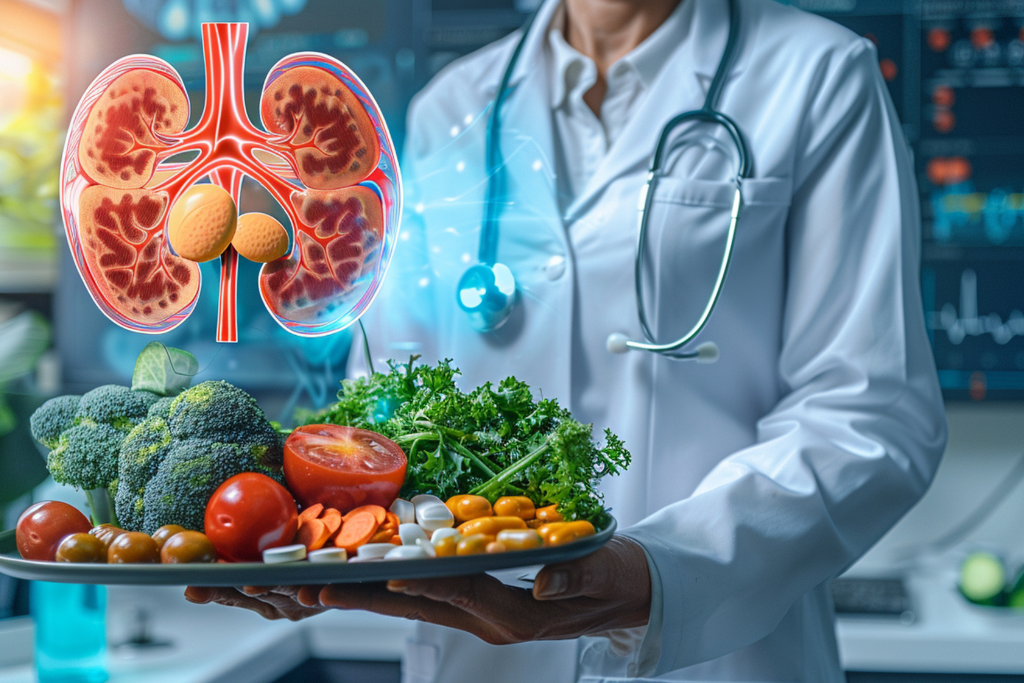
Your kidneys work silently – and relentlessly. Every single day, these two fist-sized organs filter over 200 litres of blood, remove waste, balance fluids, regulate blood pressure, and even produce hormones that keep your bones strong and your red blood cells healthy.
And yet, most people pay almost no attention to kidney health – until something goes wrong.
Chronic Kidney Disease (CKD) affects an estimated 17% of India’s adult population. The numbers are rising, driven by diabetes, hypertension, and dietary habits that place enormous daily strain on the renal system. The encouraging truth, however, is that what you eat for kidney health matters enormously – and making the right choices consistently can protect your kidneys for decades.
This guide covers the top 10 foods for kidney health, what to avoid, and how to build a practical approach to eating that supports better renal function – backed by nephrology science, written in plain language.
Why is Diet a Frontline Tool in Kidney Care?
The kidneys are filters, and like any filter, what passes through them determines how well they last. A diet high in sodium, refined sugar, excess protein, and processed food forces the kidneys to work far harder than they are designed to – accelerating wear, promoting inflammation, and in people with existing risk factors, hastening the progression toward kidney disease.
Understanding which foods are good for kidney health – and which are not – is one of the most direct, evidence-based ways to protect renal function over the long term. It does not require expensive supplements or complicated protocols. It requires consistency with the right whole foods.
Top 10 Superfoods for Kidney Health
1. Leafy Greens
Leafy greens provide vitamins, fibre and antioxidants that support general health. Choose lower‑potassium greens (cabbage, lettuce, kale in moderation) or use portion/ preparation techniques as advised by a nephrologist or renal dietitian. Dark leafy greens (spinach, beet greens) are high in potassium and oxalate and may need restriction when eGFR is low or with a history of calcium oxalate stones.
2. Fatty Fish
Fatty fish supply omega‑3 fatty acids that reduce systemic inflammation and improve cardiovascular risk factors, which is important because cardiovascular disease and CKD often coexist; typical guidance is about two servings per week for general cardiovascular and kidney health.
3. Egg Whites
Egg whites deliver high‑quality protein with very low phosphorus content compared with many animal proteins, making them a preferred protein source in patients who need to control phosphorus while maintaining protein intake.
4. Red Bell Peppers
Red bell peppers are low in potassium and phosphorus yet rich in vitamins C, A and B6, folate and lycopene; their nutrient profile makes them a useful vegetable choice in kidney‑friendly diets, while offering flavour to reduce reliance on salt.
5. Garlic
Garlic adds flavour to low‑salt diets and contains bioactive compounds with anti‑inflammatory and antioxidant effects shown in experimental and some clinical studies; it is a helpful sodium alternative for taste, though patients on multiple medications should check interactions with their physician.
6. Cabbage
Cabbage is low in potassium and phosphorus, high in fibre and phytochemicals, and fits well into many renal meal plans; its low mineral load and versatility make it a practical choice for people with CKD, but portions should still follow individualized dietary plans.
7. Blueberries and Jamun
Berries and jamun are antioxidant‑rich, typically low in potassium, and may help reduce oxidative stress and inflammation when included as part of a balanced diet; portion control is advised for patients with specific potassium targets.
8. Extra virgin olive oil
Extra virgin olive oil is a phosphorus‑free source of healthy monounsaturated fats and antioxidants (eg, polyphenols) that support cardiovascular health and may reduce inflammation; it is a preferred fat for cooking and dressing in kidney‑supportive diets.
9. Watermelon (in moderation)
Watermelon has high water content and can help hydration and urine flow in appropriate patients, and it contains antioxidants such as lycopene; however, because watermelon contains potassium, patients with hyperkalaemia or strict potassium limits should consume it only in doctor/ dietitian‑recommended portions.
10. Arugula (Rocket Leaves)
Arugula is a low‑potassium leafy green relative to spinach and can be a useful salad green for people who need to limit potassium while still getting vitamins and fibre; as with all vegetables, portion size should match the patient’s renal dietary plan.
Foods to Avoid for Kidney Health
Knowing which foods to avoid for kidney health is as important as knowing what to eat. In kidney disease, certain nutrients that are harmless in healthy individuals – sodium, potassium, phosphorus can accumulate to dangerous levels when renal filtration is impaired.
Excess sodium is one of the most damaging dietary factors for kidney health. It raises blood pressure, forces the kidneys to work harder, and accelerates CKD progression. Packaged namkeen, processed meats, pickles, papads, and restaurant food are the primary culprits in the Indian diet.
High-potassium foods including bananas, oranges, potatoes, tomatoes, and dairy products in large quantities can cause dangerous potassium buildup (hyperkalemia) in CKD patients whose kidneys can no longer excrete it efficiently.
High-phosphorus foods including dairy, egg yolks, nuts in large quantities, cola drinks, and processed meats – strain kidney filtration and contribute to bone disease in advanced CKD.
Red and processed meats increase metabolic waste that the kidneys must filter, accelerating decline in renal function over time. They are among the most important foods to avoid for kidney health in the long term.
Sugary beverages and snacks drive the insulin resistance and diabetes that are among the leading causes of CKD. Eliminating them is non-negotiable for renal protection.
Alcohol damages kidney tissue directly and interferes with the kidney’s ability to regulate fluid and electrolyte balance.
Building Your Personal Kidney-Healthy Eating Plan
The best foods for kidney health are not exotic or expensive. A practical daily framework looks like this:
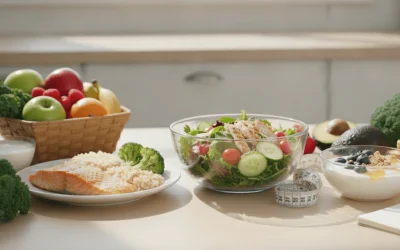
A breakfast of egg whites and a small serving of oats. A lunch with dal, whole wheat roti, seasonal sabzi, and cucumber salad dressed with olive oil. An afternoon snack of blueberries or jamun. Dinner with a serving of grilled fatty fish, stir-fried red bell peppers, and watermelon to finish.
Garlic as a constant in cooking. Water as the primary beverage. Packaged food, excess salt, sugary drinks, and red meat kept to a minimum or eliminated entirely.
This is not a restrictive diet. It is a recalibration – one that supports kidneys, heart, blood pressure, and metabolic health simultaneously.
Any specific dietary plan for those already diagnosed with CKD, kidney stones, or related conditions should always be developed in coordination with a nephrologist and clinical nutritionist, because individual requirements for sodium, potassium, phosphorus, and protein vary significantly based on stage of disease and concurrent medications.
Healing Hospital Chandigarh – Expert Nephrology and Nutrition Care
At Healing Hospital Chandigarh, our nephrology team works in close coordination with our clinical nutrition specialists to deliver comprehensive renal care – because a prescription without dietary guidance addresses only part of the picture.
Whether you are looking to protect your kidneys, managing early-stage CKD, recovering from kidney stones, or navigating a more advanced diagnosis near you, our team provides personalised guidance grounded in the latest evidence.
Call +91-9464343434 or visit www.healinghospital.co.in.
Your kidneys filter everything. It is time to give them food worth filtering.
Frequently Asked Questions
Q: Which foods are good for kidney health every day?
The best foods good for kidney health to incorporate daily include low-potassium leafy greens such as cabbage, lettuce, kale, egg whites, garlic, red bell peppers, blueberries or jamun, olive oil, and watermelon. Fatty fish two to three times per week rounds out a strong kidney-supportive diet.
Q: What are the top foods to eat for kidney health if I have early CKD?
For early CKD, prioritise foods to eat for kidney health that are naturally low in sodium, phosphorus, and potassium – egg whites, arugula, red bell peppers, cabbage, blueberries, garlic, and olive oil. Avoid processed foods, excess salt, and high-phosphorus items like full-fat dairy and cola drinks. Always coordinate with your nephrologist for a personalised plan.
Q: What foods to avoid for kidney health are most important?
The most critical foods to avoid for kidney health are excess sodium (from packaged snacks, pickles, and processed meats), high-phosphorus foods (cola drinks, full-fat dairy, processed meats), sugary beverages, alcohol, and red meat consumed in excess. These are the primary dietary drivers of CKD progression.
Q: Is garlic good for kidney health?
Yes. Garlic is one of the most evidence-supported foods good for kidney health. Its active compound allicin reduces kidney inflammation, lowers blood pressure, and protects renal tissue from oxidative damage. Crush or chop it and rest ten minutes before cooking for maximum benefit.
Q: Can eating the right foods reverse kidney disease?
Diet alone cannot reverse established kidney disease, but it is one of the most powerful tools to slow its progression and protect remaining kidney function. The right foods for kidney health – combined with appropriate medical management – make a measurable difference in long-term outcomes.
Q: How can I consult a nephrologist or a dietitian near me?
Call Healing Hospital’s helpline at +91-9464343434 or visit www.healinghospital.co.in to book a consultation with our nephrology and clinical nutrition team.