At Healing Hospital, we understand that knee pain, limited mobility, and concerns about knee replacement surgery may create anxiety about treatment options—requiring advanced, minimally invasive solutions with faster recovery and superior outcomes. That is why our advanced Orthopaedics & Joint Replacement Department—the Founder, Trendsetter & Pioneer of Fast Track Knee Resurfacing Technique in the region with 45,000+ successful surgeries—offers revolutionary RoboLens FT-3D (Fast Track Three-Dimensional) Knee Resurfacing using cutting-edge 3D mapping technology, Machine Learning algorithms, & Artificial Intelligence analysis. This ensures optimal implant placement, preserved healthy bone, faster recovery, and superior long-term outcomes for patients with localized knee arthritis.
We serve patients across Chandigarh, Punjab, Haryana, Himachal Pradesh, J&K, and other states of India along with having a plethora of internationally satisfied patients with our comprehensive knee resurfacing services, fast track recovery protocols enabling same-day or next-day mobilization, comprehensive rehabilitation programmes, and long-term follow-up. With international Fellowship training in Arthroscopy and Sports Medicine from Germany, extensive experience at leading hospitals, and pioneering expertise in advanced knee resurfacing technology, our team provides proven excellence ensuring optimal results with patient safety, minimal tissue disruption, and rapid return to active life as highest priorities.
If you are searching for “best robotic knee surgery in Chandigarh,” “knee resurfacing specialist,” “partial knee replacement,” “knee pain doctor”, or “knee arthritis treatment,” you have found a centre where pioneering surgical innovation meets international expertise and cutting-edge technology.
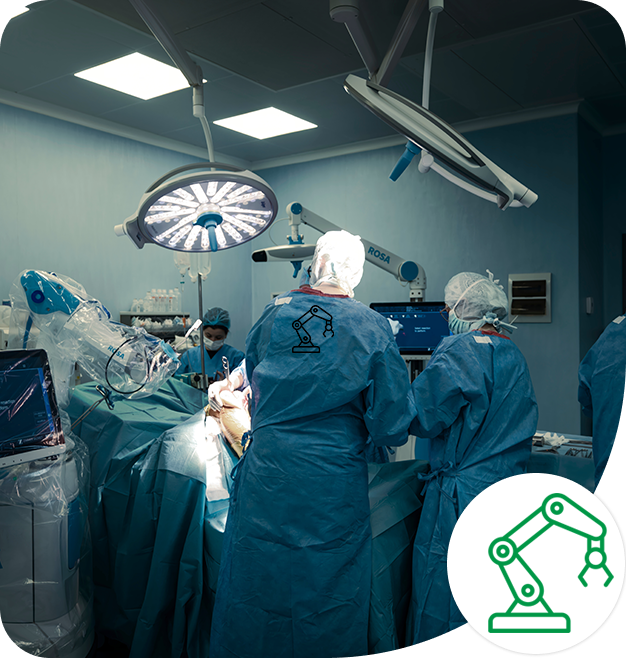
What is RoboLens FT-3D Knee Resurfacing?
- RoboLens FT-3D (Fast Track Three-Dimensional) Knee Resurfacing is Healing Hospital’s pioneering advanced surgical technique combining state-of-the-art 3D mapping technology with Machine Learning algorithms and Artificial Intelligence to perform precise, minimally invasive partial knee replacement.
- Unlike traditional total knee replacement (TKR) where the entire knee joint is replaced, knee resurfacing selectively removes only the damaged arthritic portion of the knee whilst preserving healthy bone, cartilage, and ligaments.
- This advanced technology provides complete analysis of the damaged portion even before performing surgery, eliminates surgical ambiguity, reduces actual surgical time, and ensures consistently excellent outcomes.
Schedule Your Appointment with
Our Expert Doctors
We are dedicated to driving lasting, positive transformation in healthcare management through innovation and patient-centered solutions. Fill out the form or call us directly at +91-8559003434 to book your appointment.
What Makes RoboLens FT-3D Technology A Revolutionary & How is it Different from Total Knee Replacement?
FT-3D Knee resurfacing preserves your natural knee anatomy and function where possible, replacing only what is damaged—like replacing worn brake pads rather than the entire car.
Total knee replacement removes the entire joint—sometimes necessary but more invasive. RoboLens technology makes resurfacing safer, more precise, and more predictable than ever before.
Who is a Suitable Candidate for RoboLens FT-3D Knee Resurfacing?
Knee resurfacing is suitable for patients with:
- Unicompartmental Knee Arthritis, confirmed with diagnostic imagings such as X-rays
- Good Range of Motion; the knee bends at least 90 degrees
- Intact Cruciate Ligaments, ACL & PCL intact
- Failed Conservative Treatment
- Appropriate Age & Activity Level
- Realistic Expectations
To find out whether RoboLens FT-3D Knee Resurfacing is right for you, consult our specialists. Call us at +91-8559003434 to schedule an appointment.
What Happens Before, During, and After RoboLens Knee Resurfacing?
Before Surgery
Pre-Operative Assessment
Detailed history of knee pain, previous treatments, functional limitations, activity goals. Comprehensive knee examination assessing range of motion, stability, alignment, gait pattern. Standing X-rays evaluating arthritis distribution. MRI scan confirming unicompartmental disease and cruciate ligament integrity. Blood tests, ECG, medical clearance.
Robolens 3D Mapping Analysis
Advanced imaging creates a detailed three-dimensional digital model of a patient's knee. Machine Learning algorithms analyse cartilage damage distribution. Artificial Intelligence determines optimal resurfacing area and implant size/positioning.
During Surgery
Anaesthesia & Positioning
Spinal anaesthesia (preferred) or general anaesthesia. Patient positioned supine (on back), thigh tourniquet applied, leg prepared and draped sterile.
Surgical Approach
Minimally invasive medial parapatellar incision (8-10cm) accessing medial compartment. Patella subluxated laterally (moved aside, not dislocated).
RoboLens Guided Bone Preparation
Femoral and tibial bones prepared following a pre-planned 3D map—robotic assistance ensuring exact depth, angle, and positioning. Both cruciate ligaments are preserved. Trial components inserted confirming fit, alignment, and stability.
Implant Insertion & Fixation
Final metal femoral component cemented onto prepared femoral surface. Polyethylene tibial component cemented onto tibial plateau. Excess cement removed. Knee reduced and range of motion tested.
After Surgery
Recovery Room
Pain management with multimodal analgesia. Ice therapy continues. Gentle ankle pumps prevent blood clots. Early mobilization encouraged—sitting on bedside within hours.
Hospital Stay (2 Days)
Stand and walk with a walker the same evening (if morning surgery) or next morning. Physiotherapy initiated. Day 1: Walking independently with walker, stairs practice, discharge typically if stable. Dramatically faster than TKR recovery.
What are the Recovery & Success Factors?
Superior Outcomes with Pioneering RoboLens Technology
Healing hospital’s position as Founder & Pioneer of Fast Track Knee Resurfacing Technique in the region, combined with our 45,000+ successful surgeries, demonstrates unparalleled expertise in advanced knee resurfacing.
Faster Recovery
Patients walk the same day after surgery, go home within a couple of days, return to daily activities within 2-3 weeks, and experience more natural knee function immediately.
More Natural Knee Function with Preserved Anatomy
By preserving healthy bone, cartilage, and most importantly both cruciate ligaments (ACL and PCL), knee resurfacing maintains natural knee kinematics.
Why Choose Healing Hospital in Chandigarh for RoboLens Knee Resurfacing?

Pioneers of RoboLens FT-3D Technology : Healing Hospital invested in the latest-generation RoboLens system enabling three-dimensional surgical planning with Machine Learning and Artificial Intelligence analysis—technology available at very few centres even in metropolitan cities. provides complete pre-surgical analysis of cartilage damage, enables optimal surgical planning with computer precision, guides intraoperative execution with precision & accuracy, and ensures consistently superior outcomes.

State-of-the-Art Modular OT : Our advanced modular operation theatre featuring international-standard infrastructure with HEPA filtration and laminar airflow system maintaining an ultra-sterile environment is critical for joint replacement surgery.

Advanced & Latest Surgical Equipment : World class surgical facilities including comprehensive surgical equipment & latest-generation orthopaedic instruments, specialized knee resurfacing tools, C-arm fluoroscopy for intraoperative imaging, and advanced monitoring systems create an optimal environment for complex procedures.
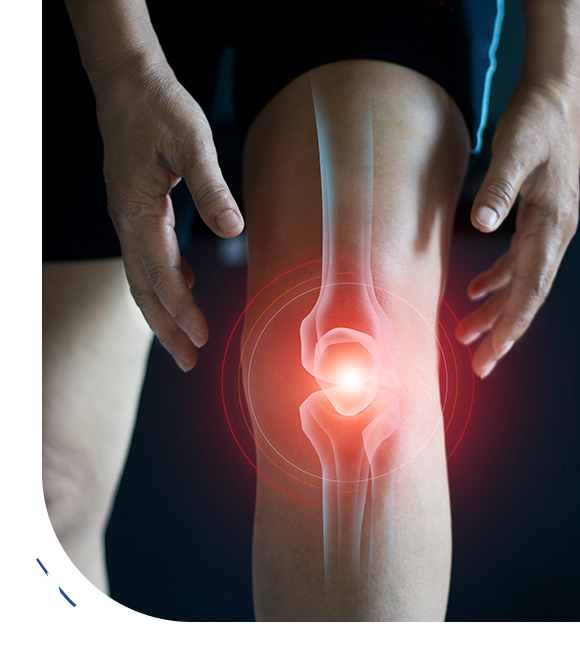
What are the Advantages of RoboLens FT-3D Knee Resurfacing?
Following are the advantages of getting RoboLens knee resurfacing done:
- Preserves healthy bone
- Maintains natural knee function
- Faster recovery
- Smaller incision
- Less tissue trauma
- Your knee feels more normal post-operatively
- Superior implant positioning
- Pre-surgical analysis with 3D mapping
- Reduced surgical time
- Better long-term outcomes
- Minimally invasive
- No metal stitches
- Higher satisfaction rates ~ 90-95%
- Quicker return to activities in 2-4 weeks
- Lower complication rates;
- Cost-effective
What are the Risks & Complications Involved in Knee Resurfacing?
Disease Progression in Other Compartments
Most common long-term concern—arthritis developing in untreated compartments (lateral or patellofemoral) over time, occurs in 10-15% patients within 10 years, may require conversion to total knee replacement.
Infection (1-2%)
Superficial wound infection or deep prosthetic joint infection, serious complication requiring antibiotics, sometimes implant removal, prophylactic antibiotics and sterile technique minimize risk.
Blood Clots (DVT/PE, 1-2%)
Deep vein thrombosis (leg clot) or pulmonary embolism (lung clot), prevented by early mobilization (fast track protocol advantage), anticoagulation if high risk, compression devices.
Stiffness
Loss of knee range of motion from scar tissue formation, prevented by aggressive early physiotherapy.
Bearing Wear & Loosening
Polyethylene bearing surface gradually wears over decades (though modern materials are very durable), implant loosening from bone over time possible, revision rate approximately at 5-10% in 10 years (excellent survival).
Reviewed By

Blog
World Osteoporosis Day 2026: Raising Awareness for Stronger Bones and Fracture Prevention
World Arthritis Day 2026: Raising Awareness About Joint Health and Arthritis

Knee Replacement Surgery in Delhi: Minimally Invasive & Effective Options
Qualifications to Look For in the Best Hip Replacement Surgeon in Chandigarh
Why Choosing the Best Orthopaedic Doctor in Chandigarh Ensures Better Outcomes

How to Choose the Right Doctor for Knee Replacement Surgery in Lucknow
Advanced Knee Arthritis Treatment in Chandigarh for Long-Term Relief
Top-Rated Knee Replacement Surgery in Lucknow: Advanced Treatments for Joint Health
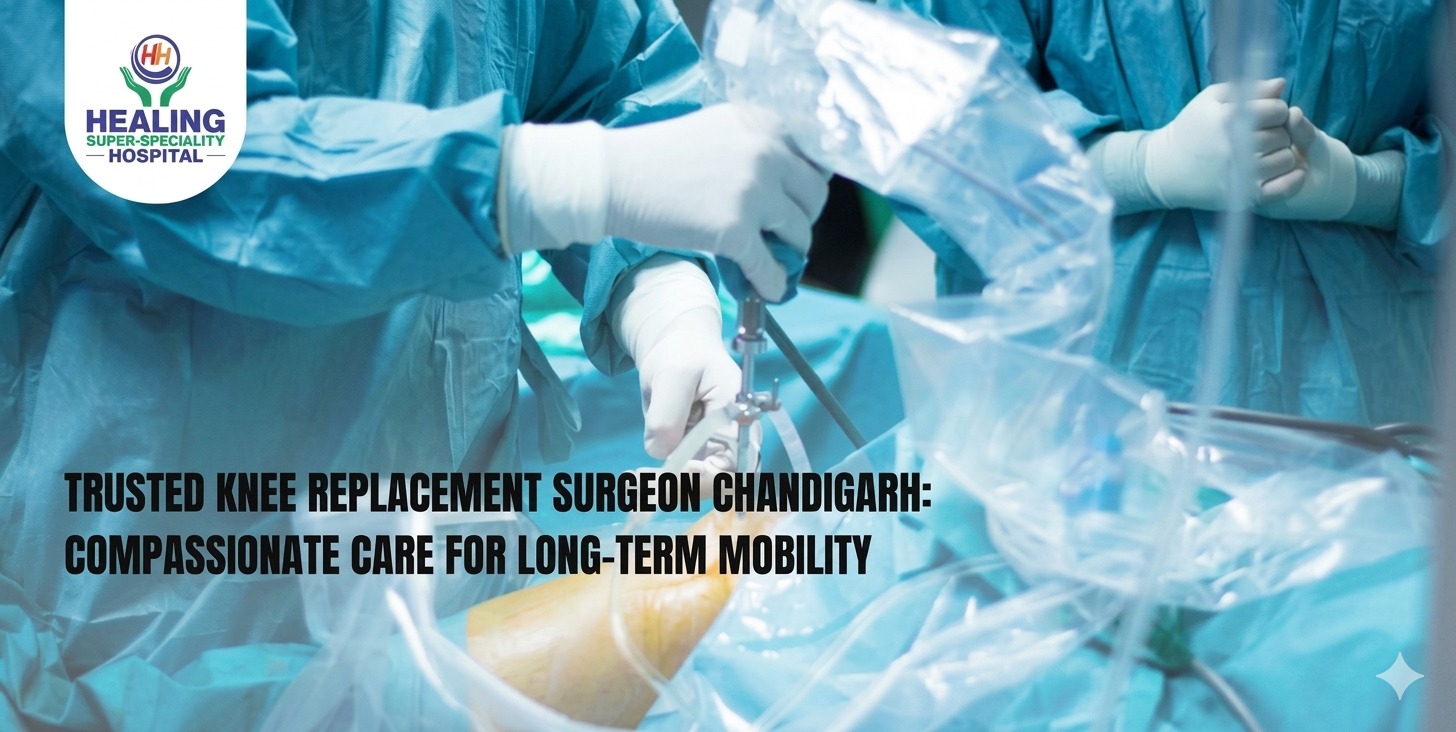
Trusted Knee Replacement Surgeon Chandigarh: Compassionate Care for Long-Term Mobility
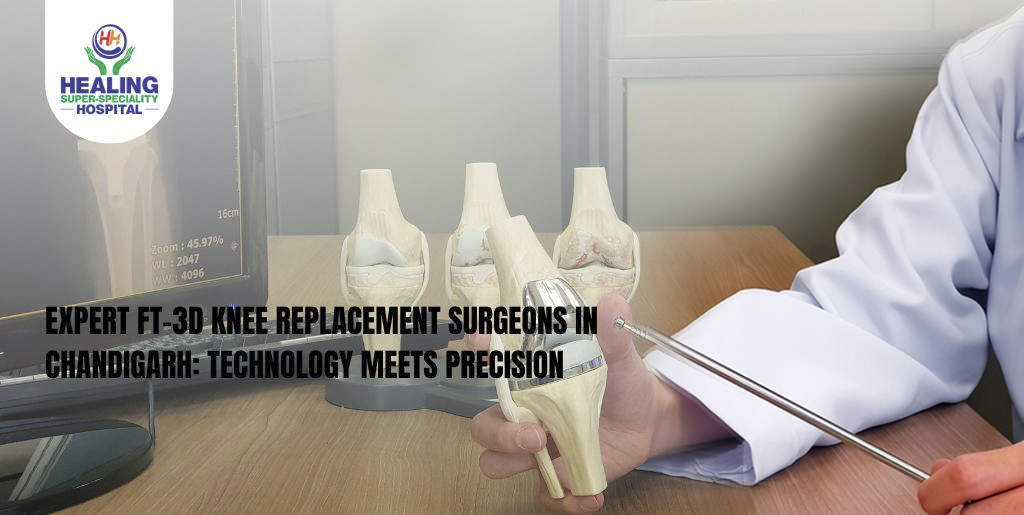
Expert FT-3D Knee Replacement Surgeons in Chandigarh: Technology Meets Precision
Frequently Asked Questions (FAQs)
What makes RoboLens FT-3D different from regular knee replacement?
RoboLens FT-3D is advanced partial knee replacement using cutting-edge 3D mapping technology, Machine Learning algorithms, and Artificial Intelligence for pre-surgical planning. Unlike regular total knee replacement that removes the entire joint, resurfacing replaces only the damaged portion preserving healthy bone and ligaments. RoboLens technology provides complete damage analysis before surgery, guides surgeons with precision ensuring optimal implant placement, and reduces surgical time.
How long do knee resurfacing implants last?
Modern partial knee implants demonstrate excellent longevity—90-95% survival at 10 years, 85-90% at 15 years, 80% at 20 years. RoboLens robotic precision improves these survival rates by ensuring optimal implant positioning and alignment.
How soon can I walk after RoboLens knee resurfacing?
Same day! Fast Track protocol enables standing and walking with a walker within 6-8 hours after surgery. Physiotherapy is initiated the very next day. Most patients walk independently without a walker within 1-2 weeks, and return to normal daily activities 2-3 weeks.
Can I have both knees resurfaced at the same time?
Depends. Dr. Setia does a comprehensive knee examination, review of imaging, discussion of RoboLens technology and then mutually decides with the patient depending on the need and urgency.
What happens if my knee resurfacing fails or wears out?
If resurfacing fails (wear, loosening, progression of arthritis in other compartments), conversion to total knee replacement straightforward. Many patients enjoy 15-20+ years from resurfacing, then seamless conversion to TKR if needed in later life.
What activities can I do after knee resurfacing?
Generally more activity permitted compared to total knee replacement due to preserved natural knee biomechanics—many patients return to active lifestyles including recreational sports. We guarantee the patient can again sit cross-legged post surgery.
How much does RoboLens FT-3D knee resurfacing cost in Chandigarh?
Contact us at +91-7087373434, 7589343434 for detailed transparent pricing including consultation, RoboLens 3D mapping, surgery, advanced implants, anaesthesia, hospital stay, physiotherapy, and follow-up care.
How do I schedule RoboLens knee resurfacing consultation?
Contact our orthopaedics department at +91-8559003434 to schedule consultation with Dr. Setia. Bring knee X-rays (standing if possible), MRI reports if available, previous treatment records, current medications list, and questions. Consultation includes comprehensive knee examination, review of imaging, discussion of RoboLens technology and benefits.