Migraine Symptoms and Causes: When Headache Becomes Serious
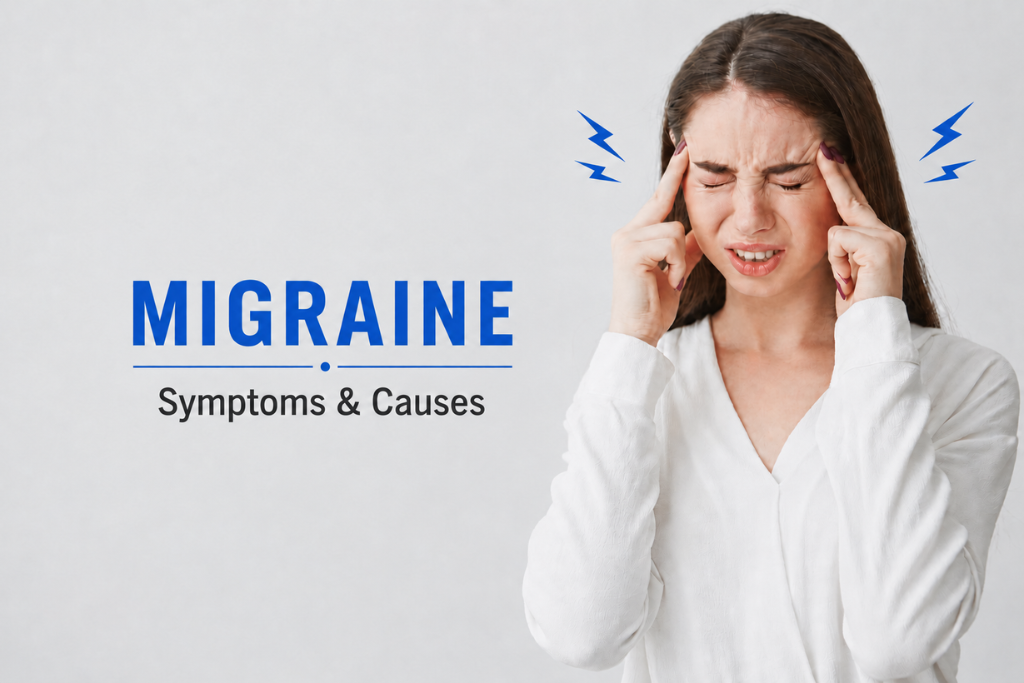
A migraine is much more than a bad headache. It is a neurological condition that can disrupt your entire day. This intense, throbbing pain is often accompanied by nausea and an increased sensitivity to light, sound, or even certain smells. For many people, a migraine attack makes it difficult to work, study, or carry out everyday activities.
Migraine is one of the most common neurological disorders worldwide. It affects about one in eight people, with women experiencing it nearly three times more often than men. Although migraines can be challenging to live with, understanding the condition can help you manage it more effectively.
In this guide, we will explain the common symptoms of migraine, what causes a migraine attack, the different types of migraine, foods and lifestyle factors that can trigger headaches, available treatment options, and the warning signs that indicate it is time to seek medical care.
What Is a Migraine Headache?
A migraine headache is much more than a severe headache. It is a neurological condition that affects the brain and nervous system.
A migraine episode can usually last between 4 to 72 hours, if left untreated. During this time, even routine activities such as walking, climbing stairs, or bending over can make the pain worse. It increases the person’s sensitivity to light, sound, and strong smells, making it difficult to carry on with their daily routine.
Migraine vs Headache: What’s the Difference?
Many people use the terms headache and migraine interchangeably, but they are not the same. Understanding the difference between a headache and a migraine is important because each condition has different triggers, treatment approaches, and preventive strategies.
A tension headache, which is the most common type of headache, usually causes a dull, constant ache or a feeling of pressure on both sides of the head.
A migraine usually causes severe, throbbing pain that often affects one side of the head. Unlike a regular headache, the pain may worsen with physical activity. A migraine is often accompanied by symptoms such as nausea, vomiting, and increased sensitivity to light, sound, or strong smells.
Migraine Triggers To Watch Out For
Migraine triggers vary from person to person. Identifying your triggers can help reduce the frequency of attacks and make migraines easier to manage. Some of the most common migraine triggers include:
- Hormonal changes during menstruation, pregnancy, or menopause
- Emotional stress
- Irregular sleep patterns
- Skipping meals
- Dehydration
- Intense physical activity
- Changes in weather or barometric pressure
- Bright light, loud noise/music, or strong smell
- Anxiety or Overthinking
How Is a Migraine Diagnosed?
Neurologists diagnose migraines by carefully reviewing your symptoms and headache pattern. During your consultation, your doctor will ask questions about how often your headaches occur, how long they last, where the pain is located, and whether you experience symptoms such as nausea, vomiting, or sensitivity to light and sound. They may also ask you about possible triggers, medical history, family history, and your current medication list. In some cases, your doctor may also recommend CT scan or an MRI scan to rule out other conditions.
If you experience frequent or severe headaches, it is best to consult your primary care physician or a neurologist. An early medical intervention can help you manage migraines more effectively and improve your quality of life.
Migraine Treatment Options
Migraine treatment is of two types. The first one is to relieve symptoms during a migraine attack. The second one is to reduce its frequency, intensity, severity and its impact on the quality of life.
Medicines to Relieve a Migraine Attack
The right treatment depends on how severe your migraine is and how often it occurs.
For mild to moderate migraines, over the counter pain relievers such as naproxen or ibuprofen, may provide relief when taken early in the attack.
If these medicines are not effective, your doctor may prescribe triptans, which are medicines specifically designed to treat migraine attacks.
Medicines to Help Prevent Migraine Attacks
If you experience frequent, severe, or long-lasting migraines, your doctor may recommend preventive treatment. It includes certain blood pressure medicines, anti-seizure medicines, specific antidepressants, or newer CGRP-targeted therapies. For some people with chronic migraine, Botox injections may also be recommended.
Home Remedies for Migraine
While medicines play an important role in migraine treatment, a few simple measures at home can help ease symptoms:
- Resting in a quiet, dark, and cool room.
- Placing a cold or warm compress on your forehead or the back of your neck
- Gently massaging your temples, scalp, or neck muscles
- Practising deep breathing, meditation, or other relaxation techniques
- Staying well-hydrated
Tips to Help Prevent Migraine Attacks
Although migraines cannot always be prevented, healthy daily habits can reduce how often they occur and may also lessen their severity.
Here are some simple steps that can help:
- Maintain a regular sleep schedule. Try to go to bed and wake up at the same time every day.
- Exercise regularly. Choose an activity you enjoy, such as walking, cycling, swimming, or yoga.
- Eat balanced meals on time. Avoid skipping meals and drink plenty of water throughout the day to stay hydrated.
- Maintain a migraine diary. Recording your symptoms, food intake, sleep, stress levels, and possible triggers can help you identify patterns and avoid future attacks.
- Manage stress effectively. Relaxation exercises, mindfulness, yoga, counselling, or therapy may help reduce the frequency of migraine attacks in some people.
If migraines continue to occur frequently despite these lifestyle changes, consult a neurologist near you to discuss preventive treatment options.
When Should You See a Neurologist?
You should see a neurologist in Chandigarh if:
- Your migraine attacks are becoming more frequent or more severe
- Over-the-counter medicines no longer provide relief
- Your headaches interfere with work, sleep, or daily activities
- You develop weakness, difficulty speaking, confusion, vision changes, or numbness
- You experience a sudden, severe headache unlike anything you’ve had before
- Your headache starts after a head injury
- Your migraine pattern changes suddenly
Consult a Neurologist at Healing Hospital, Chandigarh
If migraines are disrupting your work, sleep, or daily life, it’s worth getting a proper evaluation rather than living around the pain.
Consult the experienced Neurology team at Healing Hospital, Chandigarh, for accurate diagnosis, personalized migraine treatment plans, and long-term relief strategies tailored to your triggers and symptoms.
Call: +91 91343 43436 to book your appointment.
Visit: www.healinghospital.co.in to learn more about our Neurology services or schedule a consultation online.
Frequently Asked Questions (FAQs)
1. What is the difference between a migraine and a regular headache?
A regular headache usually causes a dull, constant pain or pressure on both sides of the head. A migraine is different. It often causes moderate to severe, throbbing pain, usually on one side of the head, and may be accompanied by nausea, vomiting, or sensitivity to light, sound, and strong smells.
2. How common are migraines?
Migraine is one of the most common neurological disorders. It affects about one in eight people worldwide and is nearly three times more common in women than in men.
3. Which foods can trigger a migraine?
Migraine trigger foods vary from person to person. However, commonly reported triggers include aged cheese, chocolate, processed or cured meats, red wine, foods containing monosodium glutamate (MSG), artificial sweeteners such as aspartame, and highly processed or salty foods.
4. Can home remedies help relieve a migraine?
Simple measures such as resting in a quiet, dark room, applying a cold compress, staying hydrated, and practising relaxation techniques may help relieve mild migraine symptoms. However, if your migraines are frequent, severe, or interfere with your daily life, consult a doctor for proper evaluation and treatment.
5. Can taking painkillers too often make migraines worse?
Yes. Frequent use of pain relief medicines can lead to medication overuse of headache, which may cause headaches to occur more often or become more difficult to treat. Always use migraine medicines as advised by your doctor.
6. How can I reduce the frequency of migraine attacks?
Following a regular sleep schedule, eating balanced meals, staying physically active, managing stress, drinking enough water, and identifying your migraine triggers can help reduce the frequency of attacks. If lifestyle changes are not enough, your doctor may recommend preventive treatment.
7. When should I see a doctor near me for a migraine?
Seek medical advice if your migraines become more frequent, are unusually severe, last longer than usual, or do not improve with treatment. You should also seek immediate medical care if you develop a sudden, severe headache, weakness, confusion, difficulty speaking, fever, or a headache after a head injury.
8. Where can I consult a neurologist for migraine treatment near me?
If you are looking for an experienced neurologist for migraine treatment near you, Healing Hospital in Chandigarh offers comprehensive evaluation and personalized treatment for migraines and other neurological conditions. Early diagnosis can help reduce the frequency of migraine attacks and improve your quality of life.