Balanced Diet Chart: Healthy Food Plan, Benefits & Sample Indian Diet Plan

Healthy eating has become more confusing than ever. One day carbohydrates are blamed, the next day fats are labelled unhealthy. On top of that, social media is filled with quick-fix diets that promise unrealistic results. Amidst all this conflicting advice, one principle has remained unchanged: a balanced diet continues to be the foundation of good health.
This guide brings together a simple, practical, balanced diet chart, along with the thinking behind it, so you can make informed choices for yourself and your family. Whether you are looking for a healthy diet plan to manage your weight, prevent nutritional deficiencies, or simply build better everyday habits, the sections below will walk you through it step by step.
What Is a Balanced Diet?
A balanced diet provides your body with all the essential nutrients it needs to function efficiently, grow, repair tissues, and stay healthy. It includes the right balance of carbohydrates, proteins, healthy fats, vitamins, minerals, fibre, and water, obtained from a variety of wholesome foods. Since no single food contains every nutrient the body requires, eating a diverse range of foods every day is the foundation of good nutrition.
A well-planned balanced diet typically includes whole grains and millets, pulses and legumes, fresh fruits, vegetables, milk and dairy products or suitable alternatives, lean sources of protein, nuts, seeds, and healthy oils. Together, these foods provide the nutrients needed to support physical health, mental well-being, and overall vitality.
The latest Dietary Guidelines for Indians, developed by the Indian Council of Medical Research (ICMR) and the National Institute of Nutrition (NIN), emphasise two key principles: variety and moderation. Eating different types of foods helps meet the body’s nutritional requirements while reducing the risk of nutritional deficiencies. At the same time, limiting excess salt, sugar, and unhealthy fats helps lower the risk of many chronic diseases.
Simply put, a balanced diet is not about eliminating your favourite foods or following restrictive eating patterns. It is about making informed food choices, maintaining the right proportions, and building sustainable, healthy eating habits that support long-term health.
Importance of a Balanced Diet
The importance of a balanced diet extends far beyond satisfying hunger. Every meal provides the body with the energy and nutrients required to perform thousands of essential functions, from keeping the heart beating and muscles working to supporting brain function, immunity, and hormone balance.
For children and adolescents, good nutrition promotes healthy growth, stronger bones, brain development, and improved learning. In adults, it helps maintain a healthy body weight, supports metabolism, improves energy levels, and strengthens the body’s natural defence system. As people grow older, a balanced diet becomes equally important for preserving muscle strength, maintaining bone health, and reducing the risk of age-related illnesses.
Healthy eating also plays a significant role in preventing many lifestyle-related conditions that are increasingly affecting people across India. Regularly consuming a nutritious, well-balanced diet can help reduce the risk of obesity, type 2 diabetes, high blood pressure, heart disease, fatty liver disease, and certain nutrient deficiency disorders. Combined with regular physical activity, adequate sleep, and stress management, healthy food choices form the cornerstone of preventive healthcare.
Research and national nutrition data continue to show that poor dietary habits contribute substantially to the growing burden of chronic diseases. Diets high in ultra-processed foods, sugary beverages, excess salt, and unhealthy fats often leave the body lacking essential nutrients while increasing the risk of long-term health problems. Developing consistent healthy eating habits and following a practical healthy diet plan can therefore make a meaningful difference to overall health and quality of life.
Ultimately, the importance of a balanced diet lies not in achieving a particular body shape or following temporary food trends. It lies in nourishing the body every day, preventing nutritional deficiencies, supporting overall well-being, and building a healthier future through simple, sustainable food choices.
In short, the importance of a balanced diet goes far beyond appearance or weight. It is one of the simplest, most consistent ways to invest in long-term health.
Key Components of a Balanced Diet
A healthy diet is not defined by a single food or nutrient. Instead, it is the right combination of different food groups that work together to nourish the body. Understanding the components of a balanced diet can help you make informed food choices and ensure that every meal contributes to your overall health
Carbohydrates: The Body’s Primary Source of Energy
Carbohydrates are the body’s preferred source of energy. They fuel the brain, muscles, and other vital organs, making them an essential part of everyday nutrition. However, the quality of carbohydrates matters just as much as the quantity.
Choose complex carbohydrates such as whole wheat, brown rice, millets, oats, quinoa, fruits, vegetables, and legumes over refined flour, sugary snacks, and sweetened beverages. These foods release energy gradually, help maintain stable blood sugar levels, and keep you feeling satisfied for longer. According to dietary recommendations, carbohydrates should provide around 45–65% of your daily energy intake, with an emphasis on minimally processed, fibre-rich sources.
Protein: The Building Block of Growth and Repair
Proteins play a vital role in building and repairing muscles, tissues, skin, and organs. They also support enzyme production, hormone regulation, immune function, and overall growth.
Good sources of protein include pulses, lentils, beans, chickpeas, soy products, milk, curd, paneer, eggs, fish, lean poultry, and lean meat. Most healthy adults require approximately 0.8–1 gram of protein per kilogram of body weight each day, although requirements increase during childhood, pregnancy, breastfeeding, recovery from illness, and for individuals who are physically active.
Healthy Fats: Essential for Overall Well-being
Despite their reputation, fats are an important part of a balanced diet. Healthy fats support brain development, hormone production, cell function, and the absorption of fat-soluble vitamins such as vitamins A, D, E, and K.
Prioritise unsaturated fats found in nuts, seeds, avocados, fatty fish, and vegetable oils such as mustard, groundnut, sesame, and olive oil. At the same time, limit foods high in saturated and trans fats, including deep-fried foods, commercially baked products, and heavily processed snacks, as excessive intake may increase the risk of heart disease.
Vitamins and Minerals: Small Nutrients with Big Responsibilities
Although vitamins and minerals are required in relatively small amounts, they are essential for maintaining overall health. They support immunity, strengthen bones, aid wound healing, regulate metabolism, promote healthy vision, and help the nervous system function efficiently.
A colourful plate naturally provides a wide range of these micronutrients. Fresh fruits, leafy green vegetables, dairy products, whole grains, nuts, seeds, and legumes all contribute to meeting your daily nutritional needs while reducing the risk of nutritional deficiencies.
Dietary Fibre: Supporting Digestive and Metabolic Health
Dietary fibre is an often-overlooked nutrient that plays a key role in digestive health. It promotes regular bowel movements, supports a healthy gut microbiome, helps control blood sugar levels, and contributes to healthy cholesterol levels. Fibre-rich foods also increase satiety, making them beneficial for maintaining a healthy weight.
Whole grains, millets, fruits, vegetables, beans, lentils, and seeds are excellent sources of fibre. Most adults should aim for 25–30 grams of fibre daily, which can usually be achieved by including a generous portion of plant-based foods in every meal.
Water: An Essential Part of Every Healthy Diet
Water is one of the most important yet frequently overlooked components of a balanced diet. Every cell, tissue, and organ depends on adequate hydration to function properly. Water supports digestion, nutrient absorption, circulation, temperature regulation, joint lubrication, and waste removal.
While individual hydration needs vary depending on age, activity level, climate, and health conditions, most adults benefit from drinking around 2.5–3 litres of fluids each day, with higher intake required during hot weather, illness, or prolonged physical activity. Along with water, fluids can also come from milk, soups, coconut water, and water-rich fruits and vegetables, though plain water should remain the primary source of hydration.
Healthy Diet Chart with a Sample Indian Diet Plan
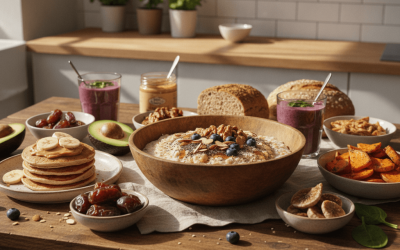
Following a healthy eating routine does not require expensive foods or complicated recipes. A well-planned Indian diet plan can provide all the essential nutrients needed for good health by including a variety of whole grains, pulses, fruits, vegetables, dairy, and quality protein sources. The sample balanced diet meal plan below illustrates how a day’s meals can be structured using commonly available Indian foods.
| Time | Sample Meal |
| Early Morning (6:00–7:00 AM) | Start the day with a glass of lukewarm water. You may also have 4–5 soaked almonds or a few soaked raisins. |
| Breakfast (8:00–9:00 AM) | Choose one wholesome option such as vegetable poha, vegetable upma, oats porridge, or two idlis with sambar. Pair it with a glass of milk, curd, or a boiled egg for added protein. |
| Mid-Morning Snack (11:00 AM) | One seasonal fruit such as an apple, guava, orange, papaya, or banana, along with a small handful of unsalted nuts or seeds if needed. |
| Lunch (1:00–2:00 PM) | Two whole wheat rotis or a serving of brown rice, one bowl of dal or rajma/chole, a seasonal vegetable preparation, a bowl of curd, and a generous portion of fresh salad. |
| Evening Snack (4:00–5:00 PM) | Roasted chana, sprouts chaat, fruit chaat, buttermilk, or green tea with a handful of roasted nuts or seeds. |
| Dinner (7:30–8:30 PM) | One to two rotis or a small serving of brown rice, dal, or grilled paneer, fish, or lean chicken, along with cooked vegetables and fresh salad. Keep dinner lighter than lunch whenever possible. |
| Bedtime (Optional) | A small glass of warm milk (with turmeric if possible). Double-check with your primary care physician or dietitian if you are lactose intolerant. |
Healthy Eating Habits for Everyday Life
Following a healthy diet plan is not only about what you eat but also about how you eat. Consistent healthy eating habits can improve digestion, help maintain a healthy weight, support better energy levels, and reduce the risk of many lifestyle-related diseases. The good news is that even small, sustainable changes can make a meaningful difference over time.
Here are a few healthy eating habits that can easily become part of your daily routine:
- Eat mindfully and at a relaxed pace. Eating slowly allows your brain enough time to recognise when you are full, helping prevent overeating while improving digestion.
- Do not skip breakfast. Starting the day with a nutritious breakfast helps replenish energy after an overnight fast and supports better concentration and productivity throughout the day.
- Choose freshly prepared, home-cooked meals whenever possible. Home-cooked food generally contains less salt, unhealthy fats, and added sugars than many packaged or fast-food options, while allowing greater control over ingredients and portion sizes.
- Include a variety of foods in your meals. Eating different fruits, vegetables, whole grains, pulses, dairy products, and protein-rich foods helps ensure a wider range of nutrients and reduces the likelihood of nutritional deficiencies.
- Maintain regular meal timings. Eating meals at consistent times supports healthy digestion and may help regulate appetite, making it easier to avoid unnecessary snacking.
- Stay well hydrated. Water should be your primary beverage throughout the day. You can also include buttermilk, coconut water, or unsweetened beverages as part of your daily fluid intake, while limiting sugar-sweetened drinks.
- Read nutrition labels before purchasing packaged foods. Checking information such as added sugar, sodium, saturated fat, and serving size can help you make healthier choices. This simple practice is also encouraged under the Food Safety and Standards Authority of India’s Eat Right India initiative.
- Practice portion control instead of complete restriction. Enjoying favourite foods occasionally is perfectly acceptable. A balanced approach is far more sustainable than following overly restrictive diets that are difficult to maintain.
Developing healthy eating habits does not require changing everything at once. Adopting one or two positive habits at a time and practising them consistently is often more effective than attempting a complete dietary overhaul. Over time, these small, everyday choices can contribute significantly to better health, improved well-being, and a more sustainable, balanced diet.
Foods to Limit
A balanced diet is less about foods you can never eat again and more about which ones deserve only occasional space on your plate. Consider keeping these in check:
- Sugary drinks and packaged juices contribute empty calories with little nutritional value
- Deep-fried and processed snacks – often high in unhealthy fats and sodium
- Packaged and ultra-processed foods – typically low in fibre and high in preservatives, salt, or added sugar
- Trans fats – found in some bakery items and reused cooking oil, linked to a higher risk of heart disease
- Excess salt – a common contributor to high blood pressure, often hidden in pickles, papad, and packaged foods
- Alcohol – best kept minimal, since it adds calories without nutritional benefit
None of these need to disappear from your life entirely. What matters is that they stay occasionally, rather than every day.
When Should You Consult a Dietitian or a Clinical Nutritionist?
While general nutrition advice can help most healthy adults make better food choices, there are situations where personalised guidance is essential. Every individual has unique nutritional requirements influenced by age, lifestyle, medical conditions, and health goals. Seeking expert advice can help ensure your diet supports your overall health safely and effectively.
You should consider consulting a registered clinical nutritionist or a dietitian if you:
- Have a medical condition such as diabetes, thyroid disorders, polycystic ovary syndrome (PCOS), high blood pressure, kidney disease, liver disease, or heart disease.
- Are pregnant, planning a pregnancy, or breastfeeding, when nutritional requirements increase significantly.
- Experience unexplained weight loss or weight gain, persistent fatigue, poor appetite, or digestive symptoms such as bloating, constipation, or diarrhoea that do not improve.
- Have been diagnosed with vitamin or mineral deficiencies, anaemia, food allergies, or other nutritional concerns.
- Need guidance on nutrition for children, adolescents, older adults, or someone recovering from illness, injury, or surgery.
- Are you planning to follow a restrictive eating pattern or a specialised healthy diet plan for weight management, sports performance, or a medical condition?
At Healing Hospital, our team of experienced dietitians and clinical nutrition experts works closely with patients to create personalised nutrition plans based on their medical history, lifestyle, dietary preferences, and health goals. Whether you want to improve your overall well-being, manage a chronic condition, or adopt healthier eating habits, expert nutritional guidance can help you make informed choices with confidence.
Frequently Asked Questions
1. What is a balanced diet in simple words?
A balanced diet is a way of eating that provides your body with all the essential nutrients it needs through a variety of foods eaten in the right proportions. It includes carbohydrates, proteins, healthy fats, vitamins, minerals, fibre, and adequate water to support overall health and well-being.
2. What are the main components of a balanced diet?
The key components of a balanced diet include whole grains and cereals, fruits, vegetables, pulses and legumes, milk and dairy products or suitable alternatives, protein-rich foods, healthy fats, fibre, and sufficient water. Including foods from each of these groups helps meet your daily nutritional requirements.
3. How many meals should I eat in a day?
There is no single ideal number of meals that suits everyone. For most healthy adults, three balanced meals with one or two healthy snacks, if needed, work well. More important than meal frequency is maintaining regular meal timings, eating balanced portions, and avoiding frequent overeating.
4. Can a balanced diet help with weight loss?
Yes. A balanced diet for weight loss focuses on nourishing the body while creating a sustainable calorie deficit. Eating adequate protein, fibre-rich foods, whole grains, fruits, and vegetables can improve satiety and support healthy weight management without relying on restrictive or fad diets.
5. Can a vegetarian diet provide all the nutrients the body needs?
Yes. A thoughtfully planned vegetarian diet can meet the nutritional needs of most healthy individuals. Including a variety of pulses, legumes, whole grains, dairy products, soy foods, nuts, seeds, fruits, and vegetables helps provide protein and other essential nutrients. Some people, however, may require vitamin B12 or other supplements based on individual needs and medical advice.
6. How much water should I drink every day?
Fluid requirements vary depending on age, body size, activity level, climate, and health conditions. In general, most healthy adults require around 2–2.5 litres of fluids daily, although needs may increase during hot weather, illness, pregnancy, or physical activity.
7. What are the signs of nutritional deficiencies?
Common signs of nutritional deficiencies may include persistent fatigue, hair loss, brittle nails, pale skin, poor concentration, muscle weakness, frequent infections, or delayed wound healing. Since these symptoms can have many causes, a medical evaluation and appropriate laboratory tests are often needed to identify the underlying deficiency.
8. Is following a healthy diet enough to stay healthy?
A nutritious diet is one of the foundations of good health, but it works best when combined with regular physical activity, adequate sleep, effective stress management, and routine health check-ups. Together, these lifestyle habits contribute to long-term physical and mental well-being.
9. How can I get a diet chart from a clinical nutritionist or a dietitian near me?
Healing Hospital houses expert clinical nutritionists and dietitians. You may walk in any day from Monday to Saturday, 10 AM to 5 PM, to have a customized diet chart planned, just for you.