World No Tobacco Day 2026: Unmasking the Truth about Tobacco & Nicotine Addiction
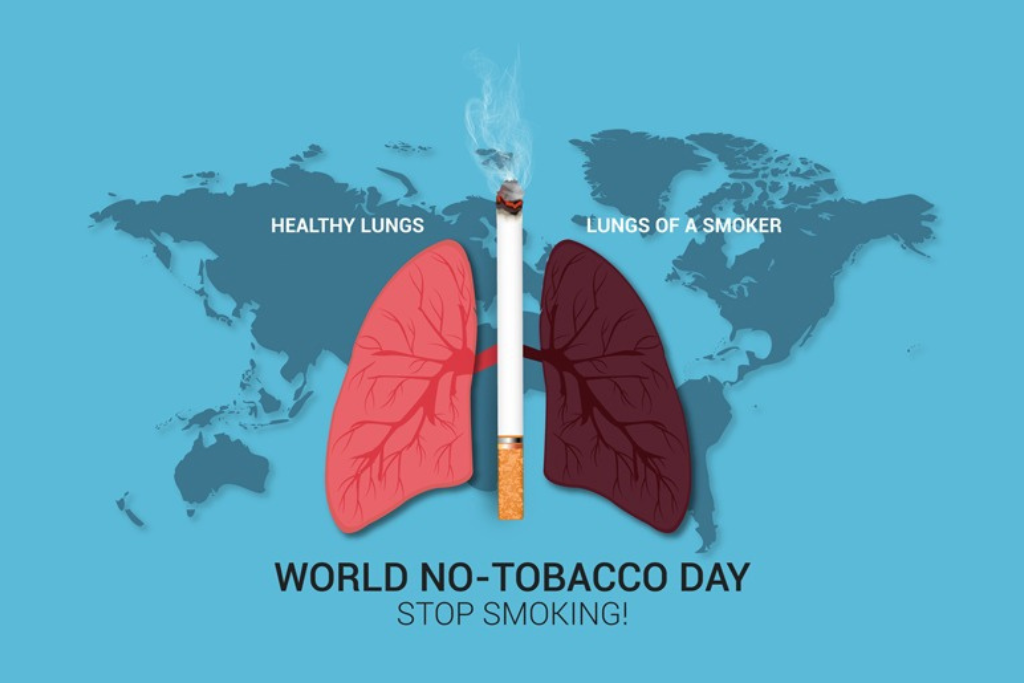
Every cigarette lit today will take an average of eleven minutes off someone’s life. Multiply that by the 1.3 billion tobacco users worldwide, and the scale of this public health crisis becomes impossible to ignore. On World No Tobacco Day, observed globally every May 31, the World Health Organization leads a united global call to expose the tobacco industry, protect young people from addiction, and empower every person trapped in nicotine dependence to break free.
At Healing Hospital Chandigarh, we stand firmly behind this mission – because we see the consequences of tobacco use in our wards every day. No Tobacco Day 2026 is not just a reminder. It is a rallying cry.
When Is World No Tobacco Day Observed?
World No Tobacco Day is observed every year on May 31. It was established by WHO Member States in 1987 to draw global attention to the tobacco epidemic and the preventable deaths it causes. Since 1988, it has been observed on May 31 annually – and today, governments, hospitals, schools, and communities across more than 190 countries participate in awareness campaigns, policy advocacy, and cessation drives.
World No Tobacco Day 2026 Theme
The WHO theme for World No Tobacco Day 2026 is: “Unmasking the Appeal – Countering Nicotine and Tobacco Addiction.”
The campaign exposes how the tobacco industry repackages its products – using candy-like flavours, sleek designs, and digital marketing – to hook a new generation. The numbers are alarming: 40 million adolescents aged 13–15 worldwide use tobacco; 15 million already use e-cigarettes. The 2026 campaign calls for flavour bans, plain packaging, advertising restrictions, higher taxes, and stronger cessation support.
The Real Cost of Tobacco: Why This Matters
Tobacco is the leading cause of preventable death globally – over 8 million deaths annually, including 1.2 million from secondhand smoke. India carries one of the world’s heaviest burdens, with over 275 million users spanning cigarettes, bidis, gutka, khaini, and other smokeless forms. Every one of these deaths is preventable.
Effects of Tobacco on Human Body
- Tobacco addiction: attacks every organ system – not just the lungs.
- Lungs: COPD, chronic bronchitis, emphysema, reduced lung capacity, and a dramatically elevated lung cancer risk – 85% of lung cancer cases are directly linked to smoking.
- Heart: Smoking doubles heart attack risk, damages blood vessels, accelerates atherosclerosis, raises blood pressure, and significantly increases stroke risk.
- Cancer: Tobacco causes at least 15 types of cancer – lung, mouth, throat, oesophagus, stomach, pancreas, kidney, bladder, cervix, and blood.
- Other effects: Premature skin ageing, reduced fertility, pregnancy complications, weakened immunity, and impaired wound healing.
E-Cigarettes, Vaping & Smokeless Tobacco: Not a Safe Exit
The tobacco industry markets vaping as a cleaner alternative – the science disagrees. E-cigarettes deliver highly addictive nicotine along with toxic chemicals and heavy metals that damage lung tissue. Studies show vaping nearly triples the chance of a young non-smoker starting conventional cigarettes. Nicotine during adolescence also causes lasting harm to brain development.
Smokeless tobacco – gutka, khaini, paan masala – is equally deadly, causing mouth, throat, and oesophageal cancers. Deeply embedded in Indian culture, these products are not safer alternatives. There are none.
Passive Smoking: The Invisible Risk
Non-smokers regularly exposed to secondhand smoke face a 25–30% higher risk of heart disease and lung cancer. Children face even greater harm – respiratory infections, asthma, impaired lung development, and higher SIDS risk. There is no safe level of secondhand smoke. Every smoke-free space is a life protected.
Nicotine Addiction: How to Quit
Nicotine addiction is a real physiological and psychological dependency – willpower alone rarely works. Effective tobacco cessation combines:
- Nicotine Replacement Therapy (NRT) – patches, gum, lozenges, inhalers
- Prescription medications – Varenicline (Champix) and Bupropion, clinically proven to reduce cravings
- Behavioural counselling – identifying triggers and building healthier responses
- Support networks – family, peer groups, or professional coaching
Tips for a Tobacco-Free Life
✅ Set a firm quit date and tell someone – accountability works
✅ Remove all tobacco products from your environment
✅ Know your triggers – stress, social settings, after meals
✅ Stay hydrated and exercise – both reduce cravings
✅ Use NRT or consult a doctor for prescribed medication
✅ If you relapse, do not give up – most people succeed after multiple attempts
This No Tobacco Day, make one decision that changes everything – put it down for good. Your lungs, your heart, and your family are waiting on the other side.
Frequently Asked Questions (FAQs)
Q: When is World No Tobacco Day observed?
Every year on May 31 – established by WHO in 1987.
Q: What is the World No Tobacco Day 2026 theme?
“Unmasking the Appeal – Countering Nicotine and Tobacco Addiction” – exposing industry tactics that target youth through e-cigarettes, flavoured products, and digital marketing.
Q: Is smoking linked to cancer?
Yes – directly and strongly. Tobacco causes at least 15 types of cancer, with lung cancer being the most common and deadly.
Q: Are e-cigarettes safer than regular cigarettes?
No. E-cigarettes still deliver addictive nicotine, toxic chemicals, and lung-damaging particles – and dramatically increase the likelihood of starting conventional smoking among young users.
Q: How can I quit smoking successfully?
Combining nicotine replacement therapy, prescription medication, and behavioural counselling gives the highest quit success rates. Consult a doctor for a personalised plan.
Q: What is smokeless tobacco – is it safer?
No. Smokeless tobacco products like gutka, khaini, and paan masala cause mouth, throat, and oesophageal cancers, and are equally dangerous to health.
Q: How can I book an appointment at Healing Hospital Chandigarh for tobacco-related care or cessation support?
Call our helpline at +91-9464343434 or visit our website www.healinghospital.co.in to schedule a consultation with our pulmonology, oncology, or general medicine team. OPD and emergency care are available round the clock.