Heat Rash in Summer: Signs, Remedies & Prevention Tips
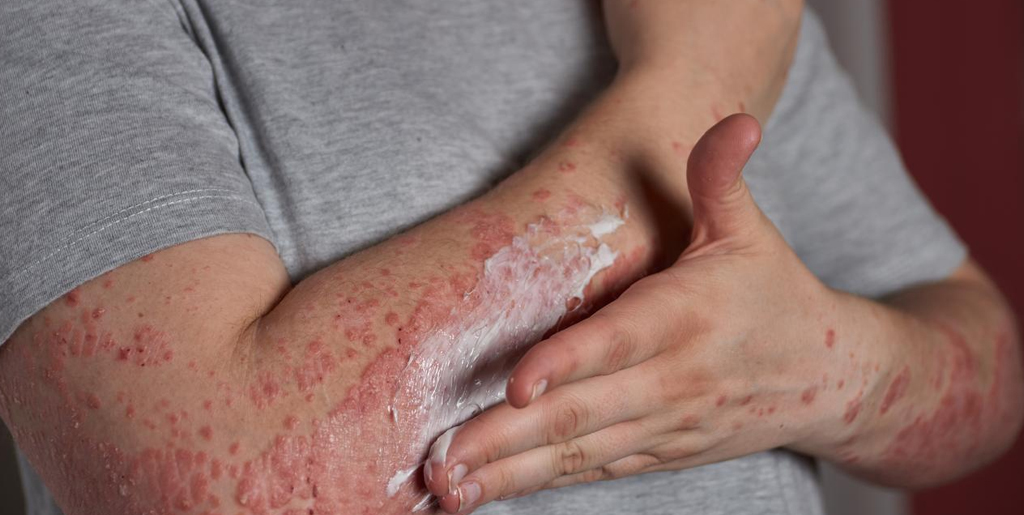
Summer in India brings scorching heat, relentless humidity, and for millions of people – an uncomfortable, itchy skin condition that appears without warning. Heat rash is one of the most common skin complaints during the hot months, affecting people of all ages from newborns to the elderly. It looks alarming, feels deeply uncomfortable, and often leads to unnecessary panic – but in most cases, it is entirely manageable with the right knowledge and care.
This guide covers everything you need to know about heat rash: what causes it, how to recognise it, how to treat it effectively, and – most importantly – how to stop it from coming back.
What Is Heat Rash?
Heat rash – also known medically as miliaria or commonly as prickly heat – is a skin condition that develops when sweat glands become blocked and sweat cannot escape to the surface of the skin. Instead of evaporating normally, trapped sweat causes irritation and inflammation of the surrounding skin, resulting in clusters of small bumps, blisters, or red patches that feel prickly, itchy, or burning.
It most commonly appears in areas where sweat tends to accumulate or where skin rubs against skin – the neck, armpits, groin, chest, back, elbows, and under the breasts. In infants and young children, it frequently appears on the scalp, face, and upper chest.
Heat rash is not contagious and is not a sign of poor hygiene. It is a direct physiological response to heat and blocked sweat ducts – and it is more common than most people think.
Who Gets Heat Rash?
While anyone can develop heat rash, certain groups are more vulnerable:
- Infants and newborns – their sweat glands are not fully developed, making blockage more likely
- People who are overweight – skin folds trap more heat and sweat
- Those who exercise outdoors – intense physical activity combined with heat generates excessive sweat
- People who wear tight or synthetic clothing – these fabrics trap heat and restrict sweat evaporation
- Individuals confined to bed rest – particularly in hot environments without adequate airflow
- Travellers and newcomers to hot climates – the body takes time to acclimatise to heat and humidity
Types of Heat Rash
Not all prickly heat is the same. There are three main types, distinguished by the depth of the sweat duct blockage and the severity of symptoms:
Miliaria Crystallina – the mildest form, appearing as tiny, clear, fluid-filled blisters on the skin surface that burst easily. There is typically no itching or discomfort. Most common in newborns and often resolves on its own within days.
Miliaria Rubra (Prickly Heat) – the most common form in adults. Presents as red, raised bumps with an intensely prickly or itchy sensation. The affected area feels hot to the touch. This is the classic “prickly heat” that most people experience during Indian summers.
Miliaria Profunda – a less common, deeper form where sweat leaks into the dermis (deeper skin layer) rather than the outer surface. Appears as larger, flesh-coloured bumps, often without significant itching, but may cause reduced sweating in the affected area. More common in people who have had repeated episodes of heat rash.
Heat Rash Symptoms: How to Recognise It ?
Identifying heat rash symptoms early allows for faster relief and prevents the rash from worsening. The hallmark signs include:
- Small red or pink bumps – often appearing in clusters, most visible on the neck, chest, back, or skin folds
- Intense prickling or itching sensation – the defining characteristic that gives prickly heat its name
- Mild swelling in the affected area
- A burning or stinging feeling on the skin, especially in warm or humid conditions
- Tiny blisters – in the case of miliaria crystallina, these may be clear and superficial
- Skin that feels hot or flushed around the rash area
- Worsening discomfort when exposed to heat, sunlight, or physical activity
In infants, heat rash symptoms may be accompanied by restlessness, difficulty sleeping, and irritability – the baby is uncomfortable but cannot communicate why.
When to seek medical attention: While most heat rash resolves on its own, consult a doctor if you notice any of the following:
- The rash does not improve within 3-4 days of cooling measures
- Blisters become filled with yellow or green pus (indicating infection)
- Fever, chills, or swollen lymph nodes develop alongside the rash
- The rash spreads rapidly or covers a large area of the body
- Severe pain rather than itching is present
These signs may indicate a secondary skin infection that requires antibiotic treatment.
Heat Rash Treatment: What Actually Works
The cornerstone of heat rash treatment is simple: cool the skin, keep it dry, and allow blocked sweat glands to clear. Most mild to moderate cases resolve within a few days with the right approach.
Immediate Relief Measures
Cool down the skin – move to a cool, air-conditioned space or use a fan. A cool shower or bath provides immediate relief from itching and reduces skin temperature.
Applying a cold compress – 10-15 minutes several times a day reduces inflammation and soothes the prickly sensation effectively.
Use calamine lotion – one of the most trusted remedies for heat rash treatment in India.
Hydrocortisone cream (1%) – a mild over-the-counter topical steroid that reduces inflammation and itching in more persistent or widespread rashes.
Antihistamines – oral antihistamines like cetirizine or loratadine can reduce itching, particularly when it is disrupting sleep.
Keep the area dry – moisture prolongs blockage of the sweat ducts. Use a light, unscented talcum powder or cornstarch to absorb excess sweat – but avoid heavy powders that can further clog pores.
Natural and Home Remedies
- Aloe vera gel – its anti-inflammatory and cooling properties make it one of the most effective natural remedies for heat rash.
- Sandalwood paste – a traditional Indian remedy with cooling and anti-inflammatory properties.
- Oatmeal bath – colloidal oatmeal added to cool bathwater relieves itching and soothes irritated skin
- Cucumber slices – placed on the rash, cucumber provides instant cooling and mild hydration
- Neem leaves – known for their antibacterial properties, neem leaves boiled in water and used to rinse the skin can help prevent secondary infection
What to Avoid
- Scratching – despite the urge, scratching damages the skin barrier and significantly increases the risk of bacterial infection
- Heavy creams and ointments – these further block pores and worsen the condition
- Tight, synthetic clothing – always opt for loose, breathable cotton during recovery
- Hot showers – counterproductive; heat worsens sweat gland blockage and intensifies itching
When Is It Not Just Heat Rash?
Not every summer rash is a heat rash. Conditions that can look similar include chickenpox, eczema, contact dermatitis, folliculitis (infected hair follicles), and allergic reactions. If your rash is accompanied by fever, blistering across large areas, severe pain, or does not respond to standard heat rash treatment within a week, consult a dermatologist promptly for accurate diagnosis.
How Healing Hospital Chandigarh Can Help?
At Healing Hospital Chandigarh, our dermatology team is experienced in diagnosing and managing all skin conditions that peak during summer – including persistent or complicated heat rash, secondary skin infections, and conditions that mimic heat rash but require targeted treatment.
Expert Dermatology Consultations – Accurate diagnosis for all skin rashes, seasonal or otherwise
Effective Treatment Protocols – Prescription-strength topical and oral treatments for severe or infected cases
Paediatric Skin Care – Specialised guidance for heat rash in infants and young children
Preventive Skin Health Advice – Seasonal skincare counselling to keep your skin healthy through summer and beyond
Do not let summer discomfort go unaddressed. If your rash is persistent, spreading, or causing significant distress – our team is here.
Frequently Asked Questions (FAQs)
Q: How long does heat rash last?
Mild heat rash typically clears within 2-4 days of cooling the skin and avoiding further heat exposure. More severe or infected cases may take longer and require medical treatment.
Q: Can heat rash spread to other people?
No. Heat rash is not contagious. It cannot spread from person to person through contact.
Q: Is heat rash dangerous?
In most cases, no. However, if it becomes infected or is accompanied by fever and systemic symptoms, medical attention is needed promptly.
Q: What is the fastest heat rash treatment?
Moving to a cool environment, taking a cool shower, and applying calamine lotion or chilled aloe vera gel provides the fastest relief.
Q: Can babies get heat rash?
Yes – infants are especially prone because their sweat glands are not fully developed. Dress babies in light clothing and keep their sleeping area well ventilated.
Q: How can I take care of my skin during summer?
Proper skin care during summer includes staying hydrated, using sunscreen, cleansing regularly, and avoiding excessive sun exposure. The Skin care department at Healing Hospital also recommends consulting specialists for concerns such as tanning, acne, sunburn, rashes, and skin allergies during hot weather.
Q: Does heat rash require a doctor?
Most cases do not. However, if the rash worsens, shows signs of infection (pus, increasing redness, fever), or does not resolve within a week, consult a dermatologist.
Q: How can I book an appointment at Healing Hospital Chandigarh?
Call +91-9464343434 or visitwww.healinghospital.co.in to schedule a consultation with our dermatology team.