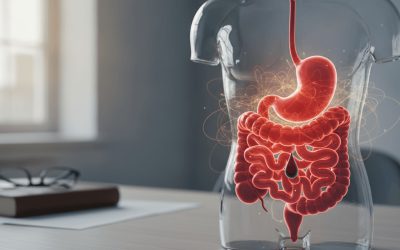
World IBD Day 2026: Understanding Inflammatory Bowel Disease
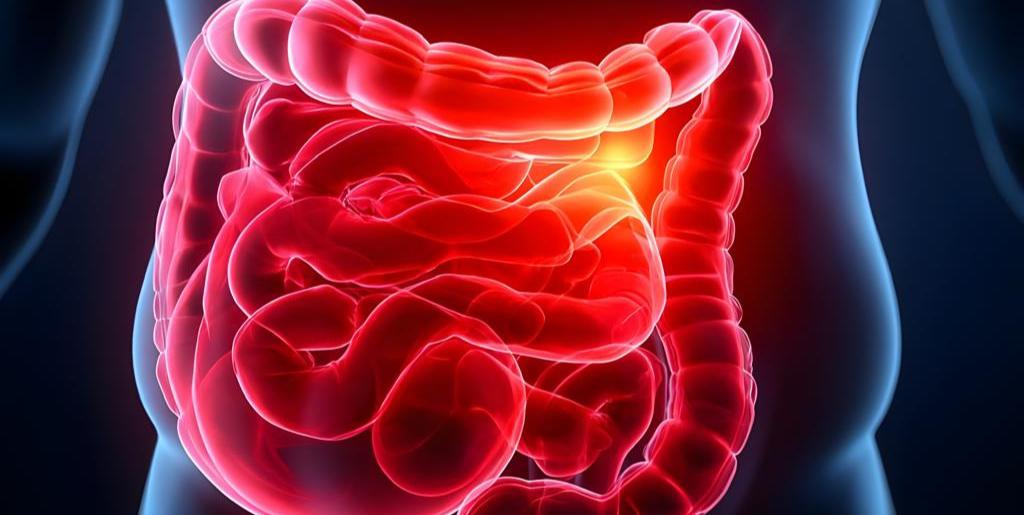
Millions of people worldwide live with a condition that is painful, unpredictable, and — despite affecting the digestive system — largely invisible to the outside world. Inflammatory Bowel Disease (IBD) is one of the most misunderstood chronic illnesses of our time, and on World IBD Day, observed globally every May 19, the health community comes together to change that.
At Healing Hospital Chandigarh, we observe World Inflammatory Bowel Disease Day 2026 by raising awareness, breaking stigma, and reminding every patient struggling with gut health that expert care and real relief are within reach.
When Is World IBD Day Observed?
World IBD Day is observed annually on May 19. It was established in 2010 during Digestive Disease Week and is coordinated by the European Federation of Crohn’s and Ulcerative Colitis Associations (EFCCA), with patient organisations representing over 50 countries across five continents.
The day uses purple as its symbol of awareness and solidarity — with famous global landmarks lit in purple to raise awareness about the daily challenges of living with IBD.
World IBD Day 2026 Theme
For World IBD Day 2026, the International Federation of Crohn’s & Ulcerative Colitis Associations (IFCCA) has turned its attention to a critical barrier: access to care. Around the world, where a person lives still determines whether they receive a timely diagnosis, specialist support, and effective treatment. Too many people face long delays, limited treatment options, or no access to care at all.
The campaign message is clear: quality IBD care should not depend on geography. It should be accessible, timely, and equitable for everyone. In India, where IBD awareness remains low and specialist gastroenterology services are concentrated in urban centres, this theme resonates with particular force.
What Is IBD? Understanding Inflammatory Bowel Disease
Inflammatory Bowel Disease is an umbrella term for a group of chronic conditions characterised by persistent, abnormal inflammation of the gastrointestinal tract. Unlike a stomach bug or temporary digestive upset, IBD is a lifelong condition with no known cure — though it can be effectively managed with the right treatment.
The two primary forms of IBD are:
Crohn’s Disease — inflammation that can affect any part of the digestive tract, from the mouth to the anus, though most commonly the small intestine and colon. Inflammation in Crohn’s often penetrates deep into the bowel wall.
Ulcerative Colitis (UC) — chronic inflammation confined to the inner lining of the large intestine (colon) and rectum, causing ulcers and continuous mucosal damage.
Note: Both conditions follow a pattern of flare ups — periods of active, symptomatic inflammation — and remission, during which symptoms ease or disappear entirely.
Difference Between IBS and IBD
One of the most common mix‑ups in gastroenterology is between IBD (Inflammatory Bowel Disease) and IBS (Irritable Bowel Syndrome). IBD is often called an “invisible disease” because symptoms like abdominal pain and tiredness are not always obvious to others. Because of this, many people with IBD are told their problem is “just IBS,” which can delay proper care.
| Feature | IBD | IBS |
| Nature of the disease | A chronic inflammatory disease of the gut | A functional gut disorder |
| Visible inflammation | Yes – seen on colonoscopy and biopsies | No – the gut looks normal on tests |
| Can it cause permanent damage? | Yes, if left untreated | No – it does not damage the gut |
| Main treatment | Medicines (and sometimes surgery) | Diet, lifestyle changes, and stress management |
| Diagnosis | Confirmed with colonoscopy, biopsies, and imaging | Made mainly by symptoms and by ruling out other diseases like IBD |
In a nutshell,IBD is a serious, inflammatory bowel disease that can damage the gut and often needs long‑term medical or surgical treatment. IBS is a functional problem that does not damage the intestines and is usually managed with diet, lifestyle, and symptom control.
Symptoms of Chronic Digestive Diseases: What IBD Looks Like
- Inflammatory bowel disease (IBD) symptoms vary depending on the type, location, and severity of inflammation, but there are several common signs seen in both Crohn’s disease and ulcerative colitis.
- Many patients experience persistent or recurring abdominal pain and cramping, along with chronic diarrhoea that may contain blood or mucus. A strong urgency to use the restroom is often reported, and this can significantly disrupt daily life, work, and social activities.
- Over time, IBD can lead to unintended weight loss and nutritional deficiencies due to poor absorption and reduced appetite.
- Fatigue is another hallmark symptom, often severe and underestimated, and may persist even when bowel symptoms appear mild.
- Fever can occur during active flares, and rectal bleeding is more common in ulcerative colitis.
- In children and adolescents, the disease may also cause delayed growth and development.
- Beyond the gut, IBD can produce extra‑intestinal symptoms such as joint pain and swelling, skin rashes, eye inflammation, and liver complications, reflecting the systemic nature of the condition.
IBD Causes: What Triggers the Inflammation?
The exact causes of IBD are not fully known. At first, diet and stress were thought to be the causes of the disease. It is now understood that these can aggravate the condition, but are not the direct cause. Immune response and heredity may play a significant role — research suggests that inflammation might result from the immune system reacting to harmless microbes or food inside the digestive tract.
Key contributing factors include:
- Immune system dysfunction — the gut’s immune response misfires, attacking healthy tissue
- Genetics — IBD tends to run in families; having a first-degree relative with IBD increases your risk
- Gut microbiome imbalance — disruption of healthy bacteria in the intestines
- Environmental triggers — urban lifestyle, antibiotic use, processed diets, and pollution
- Smoking — strongly linked to Crohn’s disease; paradoxically, may have a mild protective effect in ulcerative colitis
IBD Diagnosis: How Is It Confirmed?
Accurate IBD diagnosis requires a thorough clinical evaluation supported by multiple investigations. A gastroenterologist will typically recommend:
- Colonoscopy with biopsy
- MRI or CT enterography
- Blood tests
- Stool tests
- Capsule endoscopy
IBD Diet: What to Eat and What to Avoid
There is no single IBD diet, but food choices significantly influence symptom control and nutritional status. General evidence-based guidance includes:
During a flare-up:
- Low-fibre, easily digestible foods — white rice, boiled potatoes, steamed fish, bananas
- Small, frequent meals to reduce bowel load
- Stay well hydrated — especially important with diarrhoea
- Avoid dairy if lactose intolerant (common in IBD)
During remission:
- Gradually reintroduce high-fibre fruits and vegetables
- Focus on anti-inflammatory foods – omega-3 rich fish, olive oil, turmeric, and ginger
- Probiotics may support gut microbiome health
- Limit ultra-processed foods, red meat, and refined sugars
- Nutritional deficiencies — particularly iron, vitamin D, B12, and calcium — are common in IBD and should be monitored and supplemented under medical guidance.
- Avoid intake of spicy foods, alcohol, raw vegetables, carbonated drinks, and high-fat fried foods.
Frequently Asked Questions (FAQs)
Q: When is World IBD Day celebrated?
Every year on May 19 — established in 2010 and coordinated by EFCCA and IFCCA.
Q: What is the World IBD Day 2026 theme?
“Access to Care” — highlighting the global inequity in IBD diagnosis, specialist support, and treatment access, with a focus on the Asia-Pacific region.
Q: What is IBD?
Inflammatory Bowel Disease is a chronic condition causing persistent inflammation of the digestive tract. The two main types are Crohn’s disease and ulcerative colitis.
Q: What is the difference between IBD and IBS?
IBD involves real, measurable inflammation and causes structural gut damage. IBS is a functional disorder with no visible inflammation or tissue damage.
Q: What are common IBD symptoms?
Persistent abdominal pain, chronic diarrhoea, rectal bleeding, weight loss, fatigue, and urgency — with extra-intestinal symptoms like joint pain and skin issues in some cases.
Q: What should I eat if I have IBD?
During flare us — low-fibre, bland, easily digestible foods. During remission — anti-inflammatory, nutrient-rich foods. A gastroenterologist or dietitian can create a personalised IBD diet plan.
Q: Is acidity or chronic indigestion a sign of IBD?
Persistent acidity or indigestion can sometimes indicate underlying digestive disorders. If symptoms persist despite standard acidity treatment, consult a gastroenterologist for a thorough evaluation.
Q: How can I book an appointment at Healing Hospital Chandigarh for IBD or digestive health treatment?
Call our helpline at +91-9464343434 or visit our website to schedule a consultation with our gastroenterology team. OPD and emergency services are available.