Normal Sugar Level Range: Blood Sugar Test, Normal Values & What They Mean
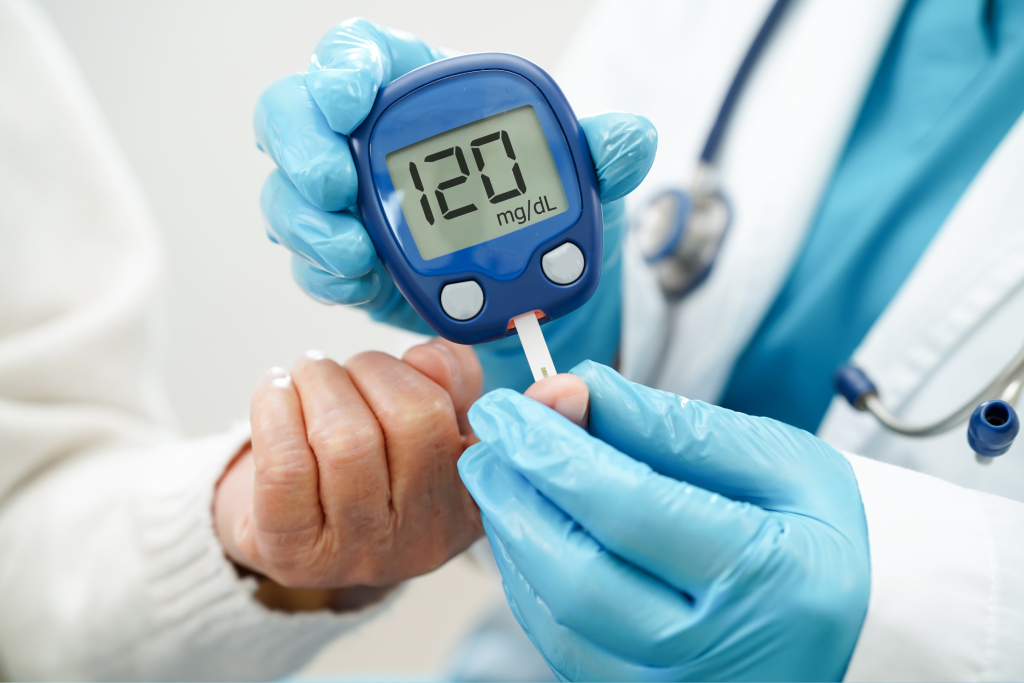
A blood sugar test measures the amount of glucose in your blood. It is one of the most common laboratory tests used to diagnose and monitor diabetes, prediabetes, and related conditions.
Understanding your normal sugar level range is one of the simplest ways to detect diabetes early, monitor ongoing treatment, and reduce the risk of long-term complications. Whether you’re getting tested for the first time or living with diabetes, knowing what your results mean can help you make informed decisions about your health.
In this article:
- What blood sugar test checks?
- Types of blood sugar tests
- Normal sugar level range
- Blood sugar symptoms
- Related medical conditions
- How to Understand Your Blood Sugar Test Results?
- When Should You Get a Blood Sugar Test?
- Blood Sugar Cost In India
- Managing Optimal Blood Sugar Levels
- When to see a specialist?
- FAQs
What Does a Blood Sugar Test Check?
A blood sugar test checks how well your body manages glucose, its main source of energy.
Doctors use its results to:
- Diagnose and monitor Type 1, Type 2, and gestational diabetes
- Investigate symptoms such as excessive thirst, frequent urination, or fatigue
- Screen for diabetes risk during routine or pre-surgical checkups
- Track how well a current management or treatment plan is working
The test is carried out through a hospital’s Pathology and Diagnostics Department, either as a standalone check or as part of a wider health package.
Types of Blood Sugar Tests
Fasting Blood Sugar (FBS) – Taken after at least 8 hours without food, usually first thing in the morning.
Postprandial Blood Sugar (PPBS) – Taken two hours after a meal, to see how your body handles glucose after eating.
Random Blood Sugar (RBS) – Taken at any time of day randomly.
HbA1c Test – Reflects your average blood sugar over two to three months, useful for long-term monitoring rather than a single day’s reading.
Oral Glucose Tolerance Test (OGTT) – Commonly used to screen for gestational diabetes, in coordination with our Obstetrics and Gynaecology Department.
Your doctor will recommend the most appropriate blood sugar test depending on your symptoms, medical history, and whether the aim is screening, diagnosis, or long-term monitoring.
Normal Sugar Level Range Chart: The Numbers to Know
Blood sugar is usually measured fasting, after a meal, or at a random point in the day. Each method has its own normal blood sugar level, shown in the sugar test normal range table below.
| Test | Normal Sugar Level Range |
| Fasting Blood Sugar (FBS) | 70–99 mg/dL |
| Postprandial Blood Sugar (2 hours after a meal) | Below 140 mg/dL |
| Random Blood Sugar (RBS) | Below 140 mg/dL |
| HbA1c (average over 2–3 months) | Below 5.7% |
Abnormal blood sugar levels may indicate diabetes, insulin resistance, or other metabolic conditions. If your result falls outside this normal blood sugar range, your internal medicine doctor may recommend a repeat test to reconfirm.
Blood Sugar Symptoms: High vs Low
Blood sugar symptoms can point in two directions, and it helps to know the difference.
A. Low blood sugar symptoms (hypoglycemia), generally below 70 mg/dL, include:
- Shakiness or trembling
- Sweating and sudden hunger
- Dizziness or light-headedness
- Confusion or irritability
- Palpitations or fast heartbeat
Severe hypoglycemia can lead to fainting or seizures and needs immediate attention from the Emergency Department.
B. High blood sugar symptoms (hyperglycemia) tend to develop more slowly and include:
- Excessive thirst and a dry mouth
- Frequent urination
- Fatigue and blurred vision
- Slow-healing cuts or wounds
If you notice any of the above-listed symptoms, you must consult your general physician.
Conditions Linked to Abnormal Blood Sugar
- Diabetes Mellitus (Type 1 & Type 2)– Chronic conditions in which the body cannot produce or use insulin effectively.
- Prediabetes – Blood sugar above normal but below the diabetes threshold. With diet and lifestyle support from our Clinical Nutrition and Dietetics Department, it can often be reversed.
- Gestational Diabetes – Develops during pregnancy. It is closely monitored by our Obstetrics and Gynaecology Department, since it raises the mother’s future diabetes risk.
- Metabolic Syndrome – A cluster of conditions such as PCOS, high blood sugar, and high blood pressure that raises the risk of heart disease. Often managed jointly with our Cardiology Department.
- Long-standing high blood sugar can also affect the kidneys and eyes, so patients with diabetes are usually advised to have regular check-ups with our Nephrology and Ophthalmology teams as well.
How to Understand Your Blood Sugar Test Report
Once you get your blood sugar test results, here’s how to interpret them:
- Normal Blood Sugar: Your glucose levels are within the healthy range.
- Prediabetes: Blood sugar is mildly elevated, indicating a risk of developing diabetes.
- Diabetes: Consistently high glucose levels indicate diabetes, requiring medical attention.
- Hypoglycemia: Low blood sugar levels, which may cause dizziness, shakiness, or fainting.
Your doctor will analyze the results and recommend the necessary treatment or lifestyle changes based on your health condition.
When Should You Get a Blood Sugar Test?
A blood sugar test is not only recommended for people living with diabetes. Regular screening can help detect abnormal glucose levels, even before symptoms appear. Your doctor may recommend a blood sugar test if you:
- Are 30–35 years of age or older.
- Are overweight or obese, have a family history of diabetes, or have other risk factors such as high blood pressure or abnormal cholesterol levels.
- Have been diagnosed with prediabetes or diabetes and require regular monitoring to assess how well your condition is being managed.
- Are pregnant, as screening for gestational diabetes is routinely recommended during pregnancy.
- Those preparing for surgery, when a blood sugar test is commonly included as part of the pre-operative evaluation.
- Develop persistent blood sugar symptoms such as excessive thirst, frequent urination, unexplained weight loss, blurred vision, unusual fatigue, slow-healing wounds, or recurrent infections.
At Healing Hospital, blood sugar testing is available as a standalone investigation and is also included in several preventive health check-up packages.
Blood Sugar Test Price in India
The cost of a blood sugar test varies depending on the type of investigation performed (FBS, PPBS, RBS, or HbA1c) and whether it is part of a preventive health package. At Healing Hospital, we provide a comprehensive blood sugar test with accurate and timely results.
The price of the blood sugar test at Healing Hospital is affordable, ensuring accessibility for all patients. For exact pricing details, you can visit the hospital’s front desk or call +91-9464343434.
Managing Blood Sugar: Diet, Lifestyle, and Medical Care
A balanced diet, maintaining a healthy body weight, regular activity, and consistent sleep help keep blood sugar within a healthy range. Our Clinical Nutrition and Dietetics Department can build a meal plan around your specific results and lifestyle. (See our related guide on building a balanced diet chart for a healthy lifestyle.)
For those already diagnosed with diabetes or prediabetes – medication, regular monitoring, and periodic HbA1c checks with your doctor remain the most reliable way to stay in control.
When to Consult a Specialist?
A single abnormal blood sugar reading does not always mean you have diabetes, but it should never be ignored. If your blood sugar test shows values outside the normal sugar level range, or you experience persistent blood sugar symptoms such as excessive thirst, frequent urination, unexplained weight loss, blurred vision, unusual fatigue, or recurrent infections, you must consult a general physician or an endocrinologist for an evaluation.
At Healing Hospital, our department of Internal Medicine provides evidence-based care for diabetes, prediabetes, hypoglycaemia, and other endocrine and metabolic disorders. Depending on your condition, our endocrinologists work closely with experts in Clinical Nutrition, Cardiology, Nephrology, Ophthalmology, and Neurology to help prevent and manage diabetes-related complications through coordinated, multidisciplinary care.
If you have concerns about your blood sugar levels or are due for screening, you can schedule a blood sugar test at Healing Hospital.
Frequently Asked Questions
What is a normal sugar level range for adults?
In healthy adults, a normal random blood sugar is generally below 140 mg/dL. However, a random blood sugar level of 200 mg/dL or higher, along with symptoms of diabetes, requires prompt medical evaluation.
What is considered a normal random blood sugar reading?
For most healthy adults, a normal fasting blood sugar level range is 70–99 mg/dL, a normal post-meal reading is below 140 mg/dL, and a normal HbA1c is below 5.7%.
What are the early symptoms of low blood sugar?
Early low blood sugar symptoms include shakiness, sweating, sudden hunger, and difficulty concentrating. These usually improve quickly after eating or drinking something with sugar.
Can blood sugar be normal and still cause symptoms?
Yes. Some people notice mild blood sugar symptoms even within what doctors call a blood sugar level range, especially if levels change quickly. A doctor can help interpret your specific results.
How often should I get a blood sugar test?
Healthy adults are typically advised to test every one to three years from their early thirties, while those with risk factors or existing diabetes may need testing every three to six months.
Is fasting necessary before a blood sugar test?
Fasting for about 8 hours is required for a fasting blood sugar test. However, a random blood sugar test can be obtained at any time of the day.
Where can I get a blood sugar test near me?
Healing Hospital in Chandigarh offers comprehensive blood sugar testing, including fasting blood sugar (FBS), postprandial blood sugar (PPBS), random blood sugar (RBS), and HbA1c testing. Based on your results, you can also consult our experienced internal medicine doctors and clinical nutritionists for personalised guidance, diagnosis, and long-term diabetes management.