PCOS Symptoms Every Woman Should Know
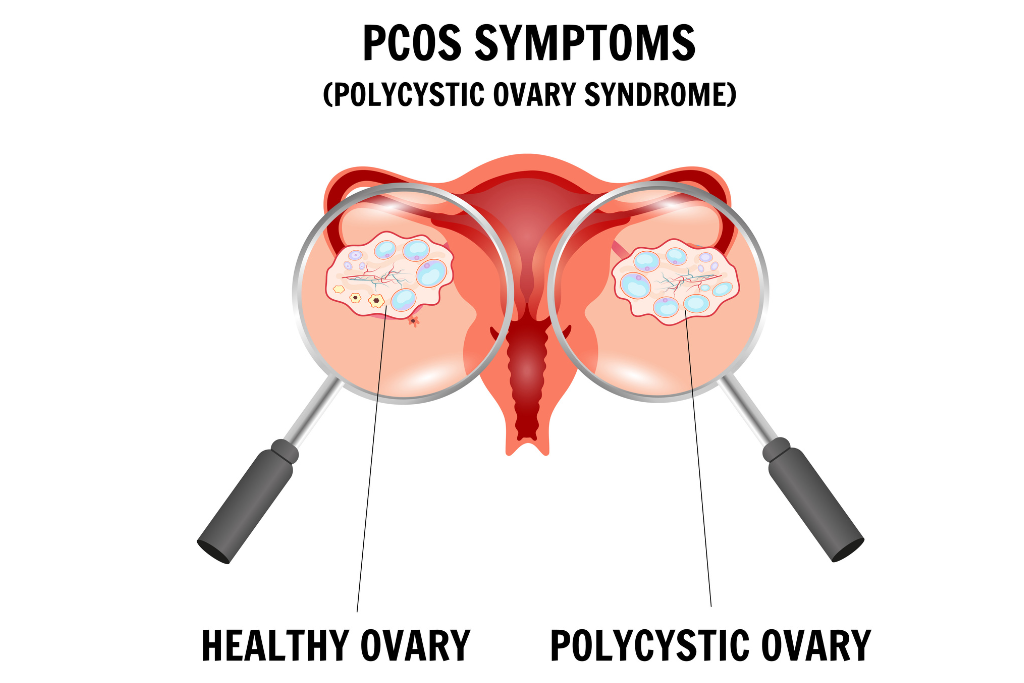
Polycystic ovary syndrome, or PCOS, is a common hormonal condition that can affect a woman’s menstrual cycle, skin, weight, fertility, and overall health. Because the symptoms may appear slowly and vary from woman to woman, many people do not realize they have PCOS until they seek medical help for irregular periods, acne, weight gain, or difficulty conceiving.
What Is PCOS?
PCOS is a condition in which the ovaries and hormones do not function in a regular pattern. It is commonly linked with irregular ovulation, higher androgen levels, and metabolic changes that can affect the whole body. This is why the pcos symptoms and causes are often discussed together, since hormonal imbalance, insulin resistance, genetics, and inflammation may all play a role.
Although people often use the terms PCOS and PCOD interchangeably, they are not always the same. The difference between pcos and pcod symptoms is that PCOS is generally considered more complex and more likely to cause long-term metabolic and fertility problems, while PCOD is often milder and more manageable with lifestyle changes.
Common Symptoms of PCOS
The most common pcos disease symptoms include irregular or missed periods, excess facial or body hair, acne, weight gain, and difficulty conceiving. Some women may also notice thinning hair on the scalp, oily skin, dark patches on the neck or underarms, and ongoing fatigue.
Other symptoms of pcos problems in females can include heavy bleeding, skipped cycles, mood changes, and fertility issues due to irregular ovulation. In many women, symptoms begin during the teenage years or early 20s, but they may become more noticeable later in life.
PCOS and Pain
Although PCOS is often discussed in terms of periods, acne, and weight changes, pain can also be a concern. Some women experience pcos painin the form of lower abdominal discomfort, painful periods, bloating, or pelvic heaviness. If pain is frequent, severe, or linked with very heavy bleeding, it should be checked by a doctor.
PCOS and Fertility
Many women first discover they have PCOS when trying to conceive. PCOS can affect ovulation, and some women may even require fertility treatments such as ovulation induction, IUI (Intrauterine Insemination), or other assisted reproductive techniques to improve their chances of pregnancy.
Women with PCOS may also have a higher risk of pregnancy-related complications, making regular antenatal care and guidance regarding normal delivery & caesarean section imperative during pregnancy.
Women planning pregnancy should consider early consultation with a fertility specialist, especially if they have irregular periods, missed cycles, or difficulty conceiving after several months of trying.
Additionally, women who have completed their families may discuss permanent contraception options such as tubal ligation procedure with their gynaecologist.
Why PCOS Happens
The pcos symptoms’ causes are linked to hormonal imbalance and insulin resistance. When the body produces more androgens than normal or does not respond well to insulin, ovulation may become irregular and periods may become delayed or absent. This can also lead to acne, excess hair growth, weight gain, and fertility challenges.
Lifestyle factors, family history, and metabolic health may all play a role in making symptoms worse. For this reason, PCOS is not just a reproductive health issue; it is a whole-body condition that needs proper medical attention.
Diagnosis And Treatment
Doctors usually diagnose PCOS by reviewing symptoms, medical history, and test results such as hormone tests or ultrasound, depending on the case. Treatment is based on the woman’s symptoms, age, and pregnancy plans.
The good news is that pcos diagnosis and treatment go hand in hand when managed early. Lifestyle changes such as weight management, balanced meals, and regular exercise are often first-line steps. Medicines may be prescribed to regulate periods, manage insulin resistance, reduce acne, or support ovulation if pregnancy is desired.
Healthy Habits That Help
Managing PCOS is not only about medicines. Healthy daily habits can make a meaningful difference in improving symptoms and reducing complications.
Helpful changes include:
- Eating balanced meals with more fibre and protein.
- Limiting sugary foods, refined carbohydrates, and processed snacks.
- Doing regular physical activity such as walking, cycling, yoga, or strength training.
- Sleeping well and maintaining a regular routine.
- Managing stress with breathing exercises, yoga, meditation, or relaxation techniques.
These steps can support hormone balance and may improve cycle regularity, energy levels, and overall health.
When To See a Doctor
You should consult a gynaecologist if you have irregular periods, acne that does not improve, unexplained weight gain, excess hair growth, or difficulty getting pregnant. If you also have PCOS pain, heavy bleeding, or mood changes that affect daily life, medical advice is especially important.
Early diagnosis can help reduce symptoms and lower the risk of long-term complications such as infertility, diabetes, and other metabolic concerns.
Living Better With PCOS
PCOS can be managed well with the right medical advice and consistent lifestyle support. A healthy eating pattern, regular physical activity, stress control, and proper follow-up can make a meaningful difference. The goal is not only to treat symptoms, but also to protect long-term reproductive and metabolic health.
If you are experiencing possible PCOS symptoms, Healing Hospital’s gynaecology team can help you understand the cause and plan the right treatment. Early consultation can prevent confusion, reduce anxiety, and bring symptoms under better control.
Role of Gynaecologists at Healing Hospital in PCOS Care
Healing Hospital gynaecologists play an important role in diagnosing, managing, and monitoring PCOS. They help women understand their symptoms, confirm whether PCOS is the likely cause, and create a treatment plan tailored to their needs.
Their role may include:
- Evaluating menstrual irregularities and hormonal symptoms.
- Advising on the difference between pcos and pcod symptoms when patients are confused about the diagnosis.
- Recommending tests such as hormone evaluation, blood sugar assessment, or pelvic ultrasound when needed.
- Guiding treatment for pcos disease symptoms like acne, excess hair growth, and irregular cycles.
- Supporting women who are planning pregnancy and need ovulation-related care.
- Coordinating with diet and lifestyle advice to improve long-term results.
- Monitoring progress over time so treatment can be adjusted if symptoms change.
This expert support is especially important because PCOS can affect fertility, metabolism, and emotional well-being. With the right medical guidance, symptoms can often be controlled more effectively.
Women Health Services at Healing Hospital Beyond PCOS
Women who visit a gynaecologist for PCOS often seek care for a range of reproductive health concerns throughout different stages of life. These may include menstrual disorders, fertility treatment, pregnancy care, IUI treatment, normal delivery & caesarean section delivery, family planning services such as tubal ligation, and surgical procedures including hysterectomy (uterus removal surgery) when medically indicated.
Book a Consultation with a Fertility Specialist Near You
If you are experiencing symptoms of PCOS or have concerns about irregular periods, weight changes, acne, or fertility, consult our gynaecologists in Chandigarh at Healing Hospital for expert evaluation and personalized care.
Frequently Asked Questions (FAQs)
1. What are the first signs of PCOS in females?
The earliest symptoms of PCOS often include irregular periods, missed periods, acne, weight gain, excessive facial hair growth, and difficulty losing weight.
2. Can PCOS cause infertility?
Yes. PCOS can interfere with regular ovulation, making conception more difficult. Early treatment can improve fertility outcomes.
3. What is the difference between PCOS and PCOD?
While the terms are often used interchangeably, PCOS is generally considered a more complex hormonal and metabolic condition, whereas PCOD is often milder and may respond well to lifestyle modifications.
4. Can PCOS cause pelvic pain?
Some women experience pelvic discomfort, bloating, abdominal heaviness, or painful periods associated with PCOS.
5. How is PCOS diagnosed?
Diagnosis may involve menstrual history, physical examination, hormone testing, blood sugar assessment, and pelvic ultrasound evaluation.
6. Who is the best gynaecologist near me for PCOS treatment?
Women experiencing PCOS symptoms should consult an experienced gynaecologist who regularly manages hormonal disorders, menstrual irregularities, and fertility concerns.
7. Where can I find a PCOS specialist or a fertility specialist in Chandigarh?
If you have symptoms such as irregular periods, acne, weight gain, excess facial hair growth, or fertility concerns, consult a nearby gynaecologist for proper evaluation and treatment.