At Healing Hospital in Chandigarh, we recognize that critical care and emergency services form the backbone of life-saving medical care-providing immediate expert intervention during life-threatening emergencies, comprehensive intensive care for critically ill patients, and advanced organ support that determines survival and recovery outcomes. That is why our advanced Critical Care & Emergency Department, led by our team of medical experts with over 30 years of distinguished experience in critical care medicine and emergency management-offers state-of-the-art intensive care using advanced ventilators, comprehensive haemodynamic monitoring systems, round-the-clock intensivist coverage, 24/7 Code Blue and CPR teams, and evidence-based critical care protocols ensuring optimal outcomes for patients facing respiratory failure, septic shock, multi-organ dysfunction, severe trauma, post-operative complications, and any life-threatening medical or surgical emergencies.
We serve patients across Chandigarh, Punjab, Haryana, Himachal Pradesh, J&K, and other states of India with comprehensive critical care services including advanced ICU monitoring and support, mechanical ventilation with multiple modes, haemodynamic monitoring and vasopressor management, sepsis and infection management following international guidelines, trauma and emergency resuscitation, post-operative critical care for high-risk surgical patients, neurological emergency management, cardiac emergency support, renal replacement therapy capability, nutritional support for critically ill patients, and 24/7 emergency response with code blue teams. We have proven ourselves to be providing excellence ensuring optimal survival and recovery with patient safety, evidence-based protocols, and compassionate family-centered care as highest priorities.
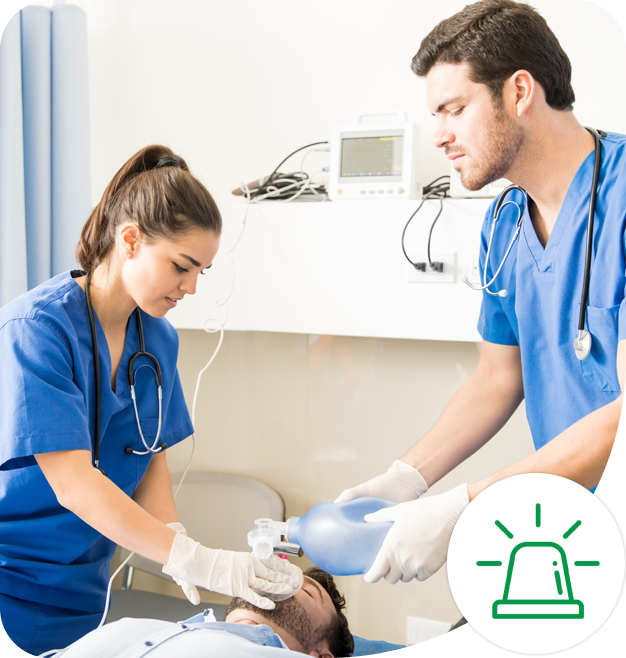
What is Critical Care & Emergency Medicine?
- Critical Care Medicine (Intensive Care) is a medical specialty focused on diagnosing and managing life-threatening conditions requiring comprehensive monitoring and organ support.
- Critical care involves advanced life support technology including mechanical ventilation (breathing support), haemodynamic monitoring (continuous blood pressure, cardiac output, tissue perfusion tracking), vasopressor and inotropic support (medications maintaining circulation), renal replacement therapy (dialysis), nutritional support, and continuous vital sign assessment with immediate intervention when conditions deteriorate.
- The goal is stabilizing critically ill patients, supporting failing organs whilst treating underlying disease, preventing complications, and transitioning patients from life-threatening instability to recovery and eventual hospital discharge.
When Should You Need Critical Care & Emergency ICU Services?
Respiratory Emergencies Requiring ICU
Acute Respiratory Distress Syndrome (ARDS), severe pneumonia requiring ventilator support, COVID-19 respiratory failure, chronic obstructive pulmonary disease (COPD) severe exacerbations, asthma status asthmaticus (life-threatening asthma attack), pulmonary embolism with respiratory compromise, respiratory failure from any cause requiring mechanical ventilation, inability to maintain oxygen levels despite maximum oxygen therapy.
Cardiovascular Emergencies
Acute myocardial infarction (heart attack) with cardiogenic shock, acute heart failure with pulmonary edema, severe hypertensive crisis with organ damage, life-threatening cardiac arrhythmias (ventricular tachycardia, ventricular fibrillation, complete heart block), post-cardiac arrest care, aortic dissection, and cardiovascular complications after surgery requiring intensive monitoring and intervention.
Neurological Emergencies
Stroke (ischemic and haemorrhagic) requiring intensive monitoring, traumatic brain injury with altered consciousness, subarachnoid haemorrhage, status epilepticus (continuous seizures), severe infections (meningitis, encephalitis), Guillain-Barré syndrome with respiratory muscle weakness, post-neurosurgery complications, and any neurological condition with decreased consciousness or respiratory compromise.
Sepsis & Severe Infections
Septic shock (severe infection with dangerously low blood pressure), severe sepsis with organ dysfunction, multi-organ dysfunction from infection, severe pneumonia, urinary tract infections with sepsis, abdominal infections (peritonitis, intra-abdominal abscess), post-operative infections, bloodstream infections, and any infection causing hemodynamic instability requiring early goal-directed therapy and comprehensive sepsis management.
Trauma & Multi-System Injuries
Polytrauma from motor vehicle accidents, severe burns requiring fluid resuscitation and airway management, crush injuries with compartment syndrome, major haemorrhage requiring massive transfusion protocols, blunt and penetrating trauma, traumatic injuries requiring emergency surgery followed by intensive care, and any trauma with multi-organ involvement.
Renal & Hepatic Emergencies
Acute kidney injury requiring dialysis (from sepsis, medications, contrast, surgery), chronic kidney disease complications, acute liver failure with encephalopathy, hepatic encephalopathy (confusion from liver failure), severe ascites with respiratory compromise, hepatorenal syndrome, and complications of chronic liver disease requiring intensive care support.
Post-Operative Critical Care
Respiratory failure after major surgery, cardiovascular instability post-operatively, major surgical procedures requiring extended ventilation (cardiac surgery, major vascular surgery, extensive cancer surgery), wound complications, anastomotic leaks, post-operative bleeding, sepsis developing after surgery, organ dysfunction, and any post-operative condition requiring intensive monitoring and intervention beyond routine recovery room care.
Metabolic & Endocrine Crises
Diabetic ketoacidosis (DKA), hyperosmolar hyperglycemic state, severe hypoglycemia with altered consciousness, thyroid storm (thyrotoxic crisis), myxedema coma, adrenal crisis, severe electrolyte abnormalities (life-threatening potassium, sodium, calcium disorders), and metabolic derangements requiring continuous monitoring and correction.
Poisoning & Overdose
Drug overdose requiring ventilator support and haemodynamic monitoring, toxic ingestions, chemical poisoning, carbon monoxide poisoning, organophosphate poisoning, and any poisoning causing respiratory depression, cardiovascular collapse, or altered consciousness.
Why Choose Healing Hospital for Critical Care & Emergency in Chandigarh?

Advanced ICU Infrastructure & Technology : Our ICU features advanced technology for real-time monitoring and life-saving intervention. We utilize sophisticated ventilators with lung-protective modes alongside comprehensive systems for tracking blood pressure, cardiac output, and tissue perfusion. Our facility is equipped with point-of-care testing for immediate diagnostics, renal replacement therapy for kidney support, and precision infusion pumps for accurate medication dosing. These tools ensure continuous organ support and rapid response to any change in a patient’s condition.

24/7 Availability & Immediate Response : Unlike hospitals with on-call arrangements, Healing Hospital provides dedicated 24/7 in-house intensive care specialists availability. This ensures immediate availability for emergencies, continuous bedside monitoring, and expert decision-making without the delays associated with waiting for off-site physicians. Our round-the-clock presence facilitates seamless specialty coordination, rapid response to code blues, and consistent family communication, significantly improving survival rates and clinical outcomes.

Evidence-Based Protocols & Quality Outcomes : Our critical care follows internationally recognized, evidence-based protocols to ensure optimal outcomes and improved survival. We implement the Surviving Sepsis Campaign guidelines and early goal-directed therapy for septic shock, alongside ARDS Network lung-protective ventilation strategies. To minimize complications and shorten ICU stays, we strictly adhere to prevention bundles for VAP and CLABSI, as well as protocols for DVT and stress ulcer prophylaxis, glycemic control, and delirium management.
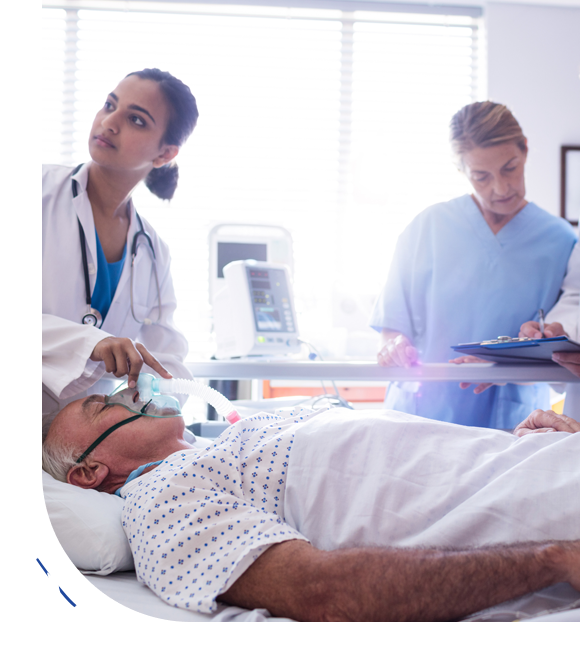
Comprehensive Critical Care & Emergency Services at Healing Hospital
Medical & Surgical Intensive Care Unit (ICU)
Comprehensive critical care for medical emergencies (respiratory failure, septic shock, cardiovascular crises, neurological emergencies, renal failure, metabolic derangements) and post-operative patients requiring extended ventilator support, haemodynamic monitoring, multi-organ support, and intensive nursing care ensuring optimal recovery.
Our ICU provides 24/7 intensivist coverage, advanced monitoring systems, immediate intervention capability, and evidence-based protocols for all critical conditions.
Advanced Mechanical Ventilation & Respiratory Support
Healing Hospital offers advanced respiratory support through expert mechanical ventilation and lung-protective strategies designed to prevent injury. Our facility utilizes sophisticated ventilators featuring various modes: Volume Control (VCV) for precise tidal volume, Pressure Control (PCV) to limit airway pressure, and SIMV to facilitate spontaneous breathing. Additionally, we provide Pressure Support (PSV) for patient assistance, CPAP to maintain constant positive pressure, and non-invasive BiPAP support.Haemodynamic Monitoring & Cardiovascular Support
We utilize arterial lines for real-time blood pressure tracking and CVP monitoring to precisely assess fluid status. Heart function and tissue health are closely managed using cardiac output and perfusion monitoring (lactate/ScvO2). Our experts provide targeted vasopressor and inotropic support to stabilize blood pressure and improve contractility during shock or cardiac failure. Furthermore, we utilize haemodynamic parameters to guide fluid resuscitation and administer blood product transfusions for severe anemia or haemorrhage.Sepsis Management - Protocol-Driven Care
Adhering to the international Surviving Sepsis Campaign guidelines, our department ensures rapid intervention through early screening, initiating fluid resuscitation and broad-spectrum antibiotics within the "golden hour" of recognition. We maintain haemodynamic stability using expert vasopressor management and continuous lactate monitoring to guide perfusion adequacy. This comprehensive approach includes surgical source control, glucose regulation, and lung-protective ventilation, alongside rigorous DVT and stress ulcer prophylaxis to prevent complications and improve survival outcomes.
Trauma & Emergency Critical Care
Our facility provides expert resuscitation and stabilization for multi-trauma patients, severe burn victims, and emergency surgical cases. We prioritize immediate airway management and ventilatory support alongside rapid haemorrhage control through massive transfusion protocols. Our team utilizes aggressive fluid and blood product therapy for shock resuscitation while coordinating seamless damage control surgery with specialized units in orthopedics and neurosurgery.
24/7 Code Blue & CPR Emergency Response
Led by expert intensivists, our 24/7 Code Blue and CPR teams provide an immediate, one-minute response to any cardiac arrest or life-threatening emergency within the hospital. Following the latest ACLS guidelines, the team performs high-quality chest compressions and advanced airway management, including intubation or surgical airways as required. We utilize rapid defibrillation and cardioversion for arrhythmias alongside targeted medications like epinephrine and amiodarone to restore heart rhythm. Following stabilization, patients receive specialized post-resuscitation care in our ICU to optimize both survival and long-term neurological outcomes.
Nutritional Support in Critical Illness
We provide comprehensive nutritional support through enteral and parenteral routes for critically ill patients unable to maintain oral intake. Enteral nutrition via nasogastric or nasoenteric tubes is prioritized when the gastrointestinal tract is functional, while parenteral (IV) nutrition is utilized when enteral feeding is not tolerated. This proactive approach, which includes monitoring for refeeding syndrome and other complications, effectively prevents muscle wasting and improves overall clinical outcomes.
Post-Operative ICU Care
We offer expert care for those recovering from major cardiac procedures like CABG and valve replacements, as well as complex vascular and neurosurgical interventions such as aortic aneurysm repairs or craniotomies. Our team is equipped to manage patients after extensive cancer surgeries, including the Whipple procedure and esophagectomy, or major orthopedic surgeries in high-risk individuals. Additionally, we provide critical support for extended ventilation or haemodynamic management.
Comprehensive Critical Care & Emergency Treatment Under One Roof

Dr. K.K. Gombar is a distinguished anaesthesiologist and intensivist with over 30 years of enriched experience in anaesthesiology and critical care at prestigious institutions in India and abroad. His three decades of experience encompass all aspects of anaesthesia including general, regional, cardiac, neurosurgical, obstetric, pediatric, and trauma anaesthesia, along with comprehensive critical care management of medical and surgical ICU patients. As Department Head, Dr. Gombar ensures the highest standards of perioperative safety, evidence-based critical care protocols, continuous quality improvement, and mentorship of the anaesthesia team, creating a culture of excellence that prioritizes patient safety and optimal outcomes in both routine and high-risk situations.
Doctors Available
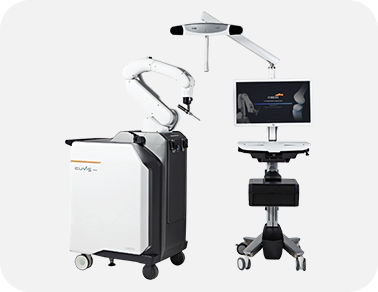
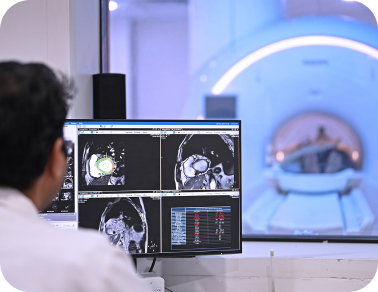
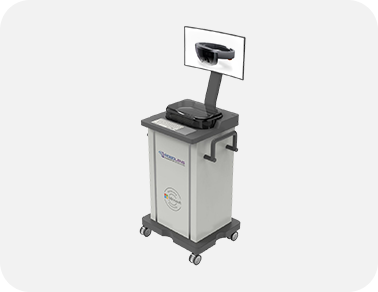
Equipped with state-of-art diagnostic and treatment technologies to ensure the best outcomes for our patients





Patient Stories
At Healing Hospital, every neurosurgical journey represents a life transformed. Here are real stories of patients who regained hope and health under Dr. Jaspreet Singh Randhawa's expert care.
Frequently Asked Questions (FAQs)
Which is the best critical care and ICU hospital in Chandigarh?
Healing Hospital is recognized as a leading neurosurgery center in Chandigarh offering comprehensive brain and spine surgery. With 24×7 emergency neurosurgical services, advanced operating facilities, and outcomes comparable to premier national centers, we provide world-class neurosurgical care locally.
What ICU facilities and equipment do you have?
Our ICU is equipped with advanced ventilators supporting multiple modes, including BiPAP and lung-protective strategies. We maintain continuous hemodynamic monitoring (arterial lines, CVP, cardiac output), point-of-care testing for immediate diagnostics, and renal replacement therapy. Care is delivered by specialized nursing staff and intensivists maintaining appropriate patient ratios for close, immediate monitoring
Do you have 24/7 critical care coverage and emergency response?
Yes, we maintain round-the-clock intensivist presence in ICU providing continuous critical care management not on-call from home but actually present in hospital 24/7, immediate code blue and CPR team response within one minute to any cardiac arrest or life-threatening emergency throughout hospital, senior consultant availability for complex cases, and seamless coordination with all surgical and medical specialties. Our 24/7 in-house coverage means expert critical care physicians are at bedside immediately when conditions deteriorate, not waiting 30 to 60 minutes for an on-call doctor to arrive from home. This immediate availability significantly improves survival in critical emergencies.
How do you handle cardiac arrest and medical emergencies?
Our emergencies are managed by ACLS-trained intensivist teams who respond within one minute. We provide high-quality chest compressions, advanced airway management, and rapid defibrillation alongside targeted medications. Following the emergency, we provide specialized post-resuscitation ICU care to optimize both survival and neurological recovery.
Can family members visit patients in ICU?
Yes, we encourage family involvement through scheduled visiting hours only that balance patient rest with the need for connection. We limit bedside visitors to reduce infection risks but provide regular family meetings with intensivists for medical updates. Compassionate exceptions are made for end-of-life situations or when family presence is therapeutically necessary.
How much does ICU care cost?
Costs vary based on the severity of illness, duration of mechanical ventilation, and the need for specialized interventions like dialysis or blood products. We provide transparent estimates based on the expected level of care. While intensive care is a significant investment, it is a life-saving necessity for conditions that would otherwise be fatal.
Blog
World Alzheimer’s Day: Alzheimer’s Disease Awareness, Signs & Support
Comprehensive Guide to Choosing the Best Spine Surgeon in Chandigarh

Migraine Symptoms and Causes: When Headache Becomes Serious
Leading Brain & Spine Surgeons: Who Is the Best Neurosurgeon in Chandigarh?
Understanding Minimally Invasive Spine Surgery (MISS): Benefits and Risks
What are the Common Neurological Emergencies?
Chronic Kidney Disease