At Healing Hospital in Chandigarh, we understand that living with a slipped disc or lumbar disc herniation can make even simple daily activities difficult. Persistent lower back pain, radiating leg pain (sciatica), numbness, tingling, or muscle weakness can significantly affect your mobility and quality of life. When conservative treatments such as medications, physiotherapy, and lifestyle modifications no longer provide adequate relief, Microdiscectomy offers an effective, minimally invasive solution to relieve pressure on the affected spinal nerve.
Our Department of Brain & Spine Surgery is led by experienced, gold medallist neurosurgeons with 15+ years of clinical expertise and advanced fellowship training in Endoscopic Spine Surgery and minimally invasive spine procedures. Having successfully performed 5,000+ neurosurgical procedures, our team combines extensive surgical experience with evidence-based techniques to deliver safe, precise, and patient-centred spine care.
Microdiscectomy is performed using state-of-the-art operating microscopes, specialised microsurgical instruments, neuronavigation technology, and advanced imaging support within fully equipped modular operation theatres (OTs) that meet the highest standards of patient safety and infection control. Backed by advanced critical care services, comprehensive rehabilitation support, and a multidisciplinary team, we focus on preserving healthy spinal tissues while removing only the herniated portion of the disc compressing the nerve. This minimally invasive approach helps minimise blood loss, reduce postoperative pain, shorten hospital stay, and support a faster recovery with an earlier return to normal daily activities.
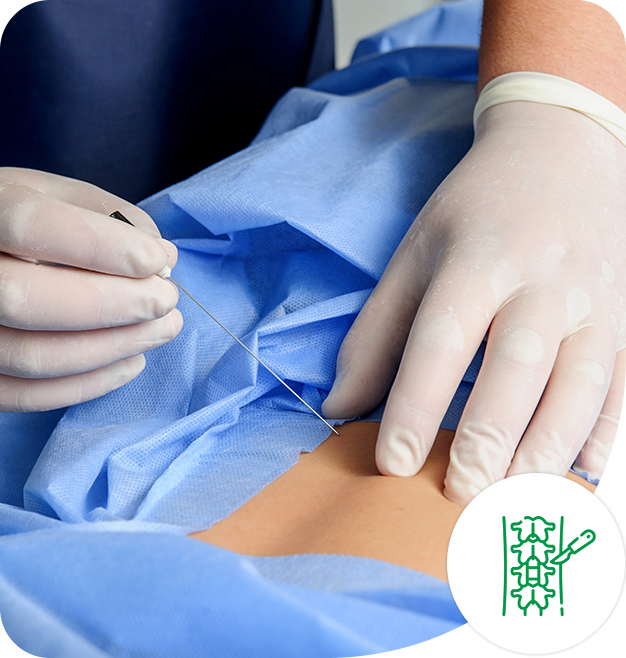
What is Microdiscectomy?
Schedule Your Appointment with
Our Expert Doctors
We are dedicated to driving lasting, positive transformation in healthcare management through innovation and patient-centered solutions.
How is Microdiscectomy Different from A Traditional Spine Surgery?
Who is Eligible for Microdiscectomy?
Your neurosurgeon may recommend a microdiscectomy if you have one or more of the following conditions:
- Lumbar Disc Herniation: A clinically diagnosed herniated (slipped) lumbar disc causing compression of a spinal nerve.
- Persistent Sciatica: Severe lower back pain radiating to one or both legs that does not improve with conservative treatment.
- Numbness or Muscle Weakness: Tingling, numbness, or weakness in the leg or foot caused by nerve compression.
- Failure of Conservative Treatment: Persistent symptoms despite an adequate trial of medications, physiotherapy, activity modification, or epidural steroid injections.
- Functional Limitations: Difficulty walking, standing, sitting, or performing routine daily activities because of severe pain or neurological symptoms.
- Work or Lifestyle Impairment: Symptoms that significantly interfere with work, physical activity, or overall quality of life.
- Cauda Equina Syndrome (Medical Emergency): Loss of bowel or bladder control, saddle anaesthesia (numbness around the inner thighs or groin), or rapidly worsening leg weakness requiring immediate surgical intervention.
What Happens Before, During, and After Microdiscectomy?
Before the Surgery
Pre-Operative Assessment
Before surgery, your neurosurgeon will perform a comprehensive evaluation, including a detailed medical history, assessment of your back and leg symptoms, neurological examination, and a review of previous treatments. MRI scans & X-rays are used to confirm the level of lumbar disc herniation, identify the affected spinal nerve, and plan the surgical approach.
Pre-Operative Preparation
The patients are advised to stop smoking at least four weeks before surgery, as smoking can delay healing and increase the risk of complications. If you have diabetes, your blood sugar levels should be well controlled before the procedure. Blood-thinning medications may need to be temporarily discontinued under your doctor's guidance. Your surgeon may also recommend pre-operative physiotherapy and exercises to maintain mobility and improve recovery after surgery.
During the Surgery
Anaesthesia & Positioning
Microdiscectomy is performed under general anaesthesia, ensuring you remain asleep and pain-free throughout the procedure. You will be positioned face down (prone) on a specialised spine surgery table that supports proper spinal alignment and helps minimize pressure on different parts of the body during surgery.
Surgical Approach & Nerve Decompression
The surgeon makes a small incision, typically measuring 2–3 cm, over the affected spinal level. Using an operating microscope and specialized microsurgical instruments, a small portion of bone and ligament may be carefully removed to access the compressed spinal nerve. The herniated portion of the disc causing nerve compression is then removed while preserving the surrounding healthy tissues as much as possible. Once adequate nerve decompression is achieved, the incision is closed with sutures or surgical staples.
After the Surgery
Recovery Room
Pain is managed with appropriate medications, and your neurological status is assessed to ensure normal movement, sensation, and early improvement in symptoms. Early mobilisation is encouraged within a few hours, depending on your overall condition.
Hospital Stay
Physiotherapy is initiated early to promote safe mobility and recovery. Depending on your clinical condition, pain control, and mobility, most patients are discharged within 24–48 hours with detailed instructions on wound care, activity restrictions, medications, and follow-up appointments.
What are the Recovery & Success Factors?
Faster Recovery with a Minimally Invasive Approach
Microdiscectomy is performed through a small incision with minimal disruption to the surrounding muscles and soft tissues. Most patients are encouraged to walk within a few hours after surgery, and many are discharged within 24–48 hours, depending on their recovery. With appropriate rehabilitation and medical advice, many patients can gradually resume desk-based work and routine daily activities within a few weeks.
Preservation of Spinal Stability
The procedure removes only the herniated portion of the disc that is compressing the spinal nerve while preserving as much of the surrounding bone, ligaments, muscles, and healthy disc tissue as possible. This tissue-preserving approach helps maintain the spine's natural stability and biomechanics while reducing unnecessary surgical trauma.
Excellent Outcomes with Advanced Microsurgical Expertise
When performed by experienced neurosurgeons using advanced microsurgical techniques, Microdiscectomy offers excellent clinical outcomes for appropriately selected patients with lumbar disc herniation. At Healing Hospital, our fellowship-trained, gold medallist neurosurgeons utilize modern operating microscopes, specialised microsurgical instruments, and evidence-based surgical techniques to achieve precise nerve decompression, relieve leg pain (sciatica), and support a safe recovery with improved long-term functional outcomes.
Why Choose Healing Hospital in Chandigarh for Microdiscectomy?

Advanced Microsurgical & Endoscopic Technology : Microdiscectomy is performed using high-definition operating microscopes, specialized microsurgical instruments, neuronavigation technology, and advanced intraoperative imaging for accurate localisation and precise nerve decompression. Our infrastructure is further strengthened by state-of-the-art Modular Operation Theatres, an advanced GE Cath Lab for complex neurovascular support when required, comprehensive neuro-monitoring systems, and dedicated critical care services to ensure safe surgical care from start to finish.

Comprehensive Spine Care Expertise of 15+years : Healing Hospital is a trusted centre for advanced brain and spine care, backed by 15+ years of clinical expertise and 5,000+ successful neurosurgical procedures. Our Department of Brain & Spine Surgery delivers evidence-based treatment for lumbar disc herniation using minimally invasive techniques, with a strong focus on patient safety, precision, and long-term functional recovery.

Brain & Spine Care Under One Roof : Healing Hospital offers complete evaluation, surgery, rehabilitation, and long-term follow-up under one roof. From minimally invasive spine surgery and endoscopic spine procedures to complex brain and neurovascular interventions, our multidisciplinary team works together to provide personalized treatment plans, structured rehabilitation, and continuous postoperative care, thus, helping the patients to recover faster and return to their daily lives.
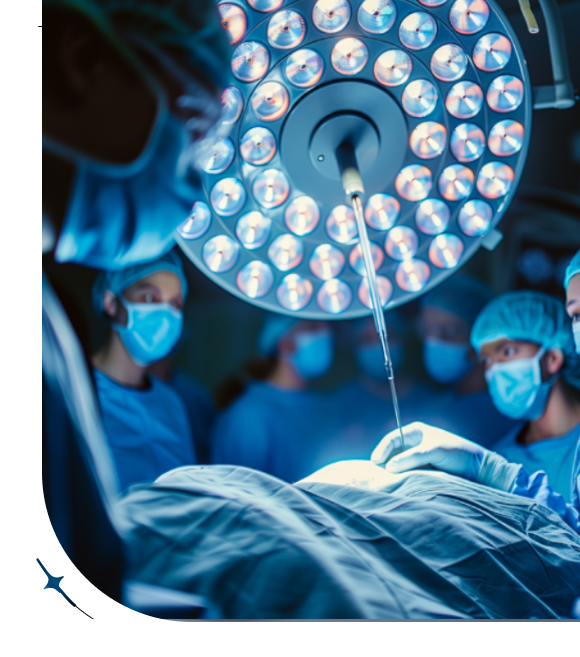
What are the Advantages of Microdiscectomy?
Following are the advantages of Microdiscectomy:
- Rapid relief from leg pain (sciatica)
- Minimally invasive spine surgery
- Smaller incision with minimal scarring
- Minimal damage to surrounding muscles and tissues
- Preserves healthy spinal structures
- Maintains spinal stability
- Minimal blood loss during surgery
- Lower risk of infection compared to open surgery
- Walk the next day of surgery
- Shorter hospital stay
- Faster recovery and rehabilitation
- Quicker return to work and daily activities
- High success rate
- No metal implants required in most cases
- Excellent long-term outcomes with proper rehabilitation
- Improved mobility and quality of life
What are the potential Risks & Complications?
Like any surgical procedure, microdiscectomy carries some risks. However, the procedure is considered safe when performed by experienced spine surgeons, and most complications are uncommon.
- Recurrent Disc Herniation: The disc may herniate again at the same level, most commonly within the first 6 months after surgery.
- Infection: Superficial wound or deep spinal infections are uncommon and are usually managed with antibiotics. Rarely, additional surgery may be required.
- Nerve Root Injury: Rare nerve irritation or injury may cause temporary numbness or weakness. Permanent nerve damage is uncommon.
- Dural Tear: A small tear in the protective covering of the spinal cord may occur during surgery and is usually repaired immediately.
- Persistent Symptoms: Some patients may continue to experience pain or numbness due to long-standing nerve damage or other underlying spinal conditions.
- Blood Clots (DVT): Although uncommon, blood clots can develop after surgery. Early mobilisation and preventive measures help reduce this risk.
It is important to note that while these complications are possible, microdiscectomy has a high success rate (approximately 90–95%) and most patients recover without major complications when appropriate patient selection, surgical expertise, and post-operative rehabilitation are followed.
Blog

World Patient Safety Day 2026: Importance, Theme & Awareness
World Physiotherapy Day 2026: A Complete Guide to the Date, Theme and Recovery

National Eye Donation Fortnight: Importance, Eligibility, Process & Awareness

World Mosquito Day: Malaria, Mosquito-Borne Diseases, Symptoms & Prevention

World Organ Donation Day: Importance, Eligibility, Process & Awareness

Loose Motion Home Remedies: What to Eat and How to Stop Diarrhea Naturally

Sleep Apnea: Symptoms, Causes, Diagnosis & Treatment Options

SGPT Normal Range: When High SGPT Levels Need Medical Attention

Pregnancy Diet Chart: What to Eat During Pregnancy for a Healthy Baby

How to Reduce Belly Fat Without Crash Diets: Diet, Exercise & Lifestyle Tips
Frequently Asked Questions (FAQs)
What is microdiscectomy surgery?
Microdiscectomy is a minimally invasive spine surgery performed to remove the portion of a slipped or herniated lumbar disc that is pressing on a spinal nerve. It helps relieve sciatica, leg pain, numbness, and weakness while preserving the healthy structures of the spine
Can a herniated disc heal without surgery?
Yes. Many slipped discs improve with rest, medications, physiotherapy, and lifestyle modifications. However, if symptoms continue, worsen, or neurological deficits develop, microdiscectomy may provide the most effective long-term relief.
Who needs a microdiscectomy surgery?
Microdiscectomy may be recommended for patients with a lumbar disc herniation causing persistent sciatica, leg numbness, muscle weakness, or severe back pain that has not improved with medications, physiotherapy, or other non-surgical treatments.
What is the recovery time after microdiscectomy?
Most patients begin walking within hours after surgery and are discharged within 1–2 days. Many return to desk-based work in 2–4 weeks, while complete recovery and return to strenuous activities usually take 6–8 weeks, depending on individual healing.
Is microdiscectomy better than endoscopic spine surgery?
Both procedures are minimally invasive and highly effective when performed for the right indication. The choice depends on the location of the disc herniation, your symptoms, spinal anatomy, and your spine surgeon’s clinical assessment.
How much does microdiscectomy cost in Chandigarh?
The cost of microdiscectomy varies depending on the complexity of the procedure, hospital stay, investigations, and individual treatment requirements. Contact Healing Hospital, Chandigarh, for a personalised estimate and insurance-related assistance.
Which doctor should I consult for a slipped disc near me?
If you have persistent back pain, sciatica, numbness, or leg weakness, consult an experienced neurosurgeon or spine specialist. Early evaluation helps determine whether your condition can be managed conservatively or requires surgical treatment.
Where can I consult an experienced neurosurgeon near me in Chandigarh?
Healing Hospital, Chandigarh, has an experienced Brain & Spine Surgery team that evaluates and treats slipped discs, sciatica, spinal stenosis, and other complex spine conditions using both conservative and minimally invasive surgical approaches. Contact our neurosurgery department at +91-7986115995 to schedule a consultation with our neurosurgeon. Bring MRI reports, previous treatment records, current medications, and questions.