Dehydration in Summer: Signs, Symptoms and Prevention Tips
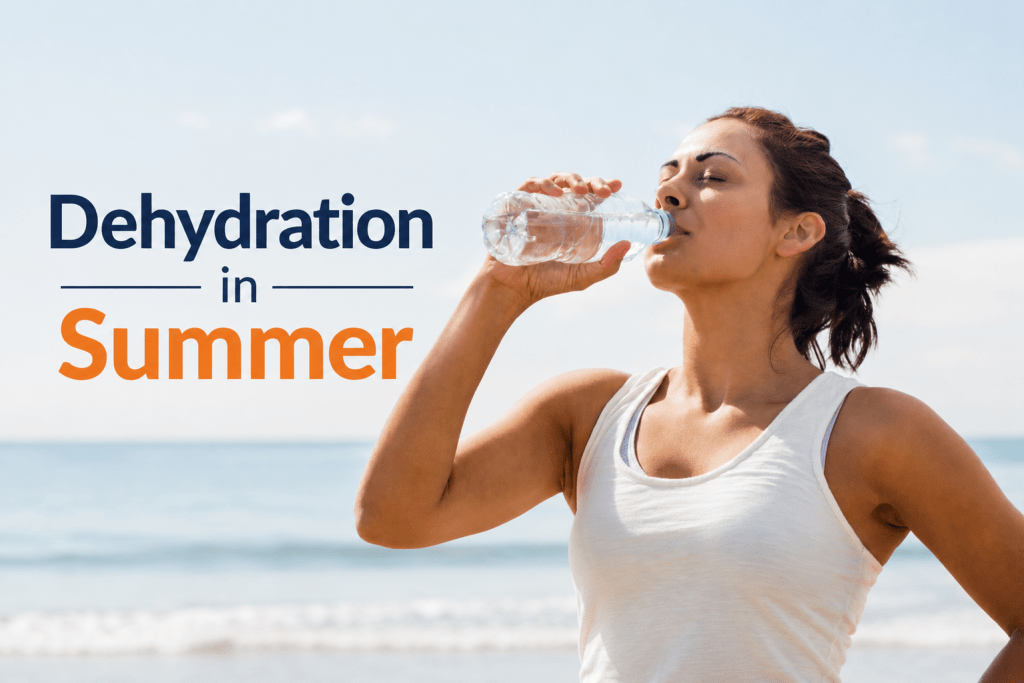
Hot weather does more than make you sweat. It causes your body to lose water and essential minerals. If you don’t replace these fluids, you can become dehydrated without even realizing it. What may begin as mild thirst can quickly progress to fatigue, dizziness, headaches, and difficulty concentrating.
While mild dehydration can often be managed by drinking enough fluids, severe dehydration is a medical emergency that requires immediate attention.
In this guide, you will learn the common signs and symptoms of dehydration, why it is more common during the summer months, simple ways to reduce body heat naturally, foods and drinks that help keep you hydrated, and when heat-related symptoms require immediate medical attention.
What Causes Body Heat to Rise in Summer?
Your body keeps its temperature under control by producing sweat. As sweat evaporates, it helps cool your body. During hot and humid weather, the sweat however does not evaporate as efficiently. As a result, your body struggles to release excess heat and that causes a rise in its temperature.
Spending long hours in the sun, not drinking enough water, strenuous physical activity, and excessive alcohol or caffeine intake can further increase the risk of dehydration and heat-related illnesses. Without timely cooling and proper hydration, these conditions can quickly become serious.
Signs and Symptoms of Dehydration
Common signs and symptoms of dehydration include:
- Feeling thirsty or having a dry mouth
- Dark yellow urine or passing urine less often than usual
- Fatigue or low energy levels
- Headache or dizziness
- Dry skin and reduced skin elasticity
- Muscle cramps, especially after spending time in the heat
If your symptoms worsen or do not improve with adequate hydration, it is advisable to seek medical attention promptly.
Who Is at Higher Risk of Dehydration?
Although dehydration can affect anyone during hot weather, some people are more likely to develop it:
Infants and Young Children
Babies and young children become dehydrated much faster than adults because their bodies contain a higher percentage of water. They also cannot always tell you when they are thirsty. Watch for signs such as fewer wet diapers, a dry mouth, crying without tears, unusual sleepiness, or sunken eyes.
Older Adults
As we age, our sense of thirst becomes less reliable. Older adults may not realise they need to drink more water until dehydration has already developed. Certain medical conditions and medicines, especially diuretics, can further increase the risk.
Pregnant Women
Pregnancy increases the body’s fluid requirements to support the growing baby, maintain amniotic fluid, and meet the increased blood volume. Body heat during pregnancy may also feel more intense, making dehydration more likely. In some cases, inadequate fluid intake can make expectant mothers feel dizzy and fatigued.
Outdoor Workers
People who work outdoors, such as construction workers, farmers, traffic police, and delivery personnel, spend long hours in the sun and often lose large amounts of water through sweating. Taking regular breaks, drinking fluids frequently, and avoiding prolonged exposure during the hottest part of the day can help reduce the risk.
People with Diabetes
High blood sugar levels can cause the body to lose more water through frequent urination. This increases the risk of dehydration, especially during the summer months. Good blood sugar control and adequate fluid intake are thus important.
People Taking Diuretics
Diuretics, commonly prescribed for high blood pressure, heart disease, or kidney conditions, increase urine output. During summers, this can raise the risk of dehydration. Never stop taking prescribed medicines on your own, but speak to your doctor if you are concerned about your situation.
If you belong to any of these groups, try drinking fluids regularly throughout the day and take extra precautions during extreme heat.
Heat Exhaustion vs Heat Stroke
Both heat exhaustion and heat stroke are caused by prolonged exposure to high temperatures, but they are not equally serious. Heat exhaustion usually improves with rest, cooling, and fluids. Heat stroke, however, is a life-threatening medical emergency that requires immediate treatment.
| Feature | Heat Exhaustion | Heat Stroke |
| Body Temperature | Usually below 103°F (39.4°C) | Above 103°F (39.4°C) |
| Sweating | Heavy sweating | Skin may become hot and dry, although some people may continue to sweat |
| Skin | Cool, pale, and clammy | Hot, flushed, and dry |
| Mental State | Weakness, dizziness, headache, or fainting | Confusion, slurred speech, seizures, or unconsciousness |
| Treatment | Move to a cool place, drink fluids, and rest | Medical emergency. Seek immediate medical care. |
How to Reduce Body Heat Naturally and Instantly
If your body feels overheated, taking a few simple steps can help lower your body temperature and prevent dehydration from getting worse:
- Drink cool water or an oral rehydration solution (ORS).
- Move to a cool, shaded, or air-conditioned place.
- Take a cool shower, if possible.
- Wear loose, lightweight, cotton clothing to help your body cool naturally.
- Avoid strenuous physical activity during peak sunny hours.
If you develop any confusion, fainting, difficulty breathing, or a very high body temperature, seek immediate medical attention.
Best Drinks and Foods to Reduce Body Heat
What you eat and drink during summers can make a real difference to how well your body copes with the heat. Choosing water-rich foods and drinks helps replace the fluids and electrolytes you lose through sweat as a part of your body’s natural cooling process.
Best Drinks for Hydration
Water
Sip water regularly throughout the day instead of waiting until you feel thirsty.
Oral Rehydration Solution (ORS)
If you have been sweating heavily or feel dehydrated, ORS helps replace essential electrolytes more effectively than plain water.
Coconut Water
Naturally rich in potassium and other electrolytes, coconut water helps restore fluids lost during hot weather and supports hydration.
Buttermilk (Chaas)
Buttermilk helps cool the body and replaces fluids and minerals lost through sweating. It is also easy to digest.
Lemon Water
Fresh lemon water provides hydration and vitamin C. Adding a pinch of salt can help replenish electrolytes after prolonged heat exposure.
Foods to Reduce Body Heat
Watermelon and Muskmelon
These fruits have a high water content, making them excellent choices for staying hydrated during summer.
Cucumber
Cucumber is rich in water and helps keep the body cool. It makes a refreshing addition to salads or can be enjoyed as a healthy snack.
Citrus Fruits
Oranges, sweet lime, and grapefruit provide fluids, vitamin C, and antioxidants that support overall health while helping maintain hydration.
Curd and Yogurt
Curd is naturally cooling and supports gut health. A bowl of plain yogurt or raita is a healthy addition to summer meals.
Leafy Green Vegetables
Vegetables such as spinach and lettuce contain water, vitamins, and minerals that contribute to healthy hydration.
Note: Limiting sugary soft drinks, excessive caffeine, and alcohol is equally important, as these beverages can increase fluid loss and make dehydration worse.
Summer Health Tips to Prevent Dehydration
A few simple daily habits can help you stay hydrated and lower your risk of dehydration during the summer:
- Drink water regularly throughout the day.
- Carry a water bottle whenever you step outside.
- Eat water-rich foods such as watermelon, cucumber, oranges, and leafy vegetables.
- Limit intake of caffeinated and alcoholic drinks.
- Wear lightweight, loose-fitting cotton clothes to stay cool.
- Avoid going outdoors from 12 NOON to 4 PM.
- If you work or exercise outdoors, take frequent breaks in the shade or a cool place.
When Should You See a Doctor?
Mild dehydration often improves with rest, fluids, and staying in a cool environment. Consult a general physician in case you experience any of these:
- Confusion, difficulty speaking, or fainting.
- A body temperature above 103°F (39.4°C).
- No improvement after 30 minutes of cooling and drinking fluids.
- Repeated vomiting or an inability to keep fluids down.
- Dizziness or loss of consciousness.
- Rapid heartbeat, difficulty breathing, or seizures.
These symptoms may indicate severe dehydration, heat exhaustion, or heat stroke, all of which require urgent medical treatment.
Get Expert Care for Dehydration at Healing Hospital, Chandigarh
If you or a family member develops symptoms of dehydration, heat exhaustion, or heat stroke, don’t ignore them. Early medical care can prevent serious complications and help you recover faster.
At Healing Hospital, Chandigarh, our experienced physiciansprovide prompt evaluation, IV fluid therapy when required, and comprehensive treatment for dehydration and other heat-related illnesses.
Call: +91 91343 43436 to book an appointment.
Visit: www.healinghospital.co.in to learn more about our services or schedule your consultation online.
Frequently Asked Questions (FAQs)
1. What are the early signs and symptoms of dehydration?
The earliest signs of dehydration are feeling thirsty, having a dry mouth, passing dark yellow urine, feeling tired, and experiencing headaches or dizziness. Drinking enough fluids at this stage can often prevent dehydration from becoming more severe.
2. What is the difference between heat exhaustion and heat stroke?
Heat exhaustion usually causes heavy sweating, weakness, dizziness, nausea, and cool, clammy skin. Heat stroke is much more serious and may cause a body temperature above 103°F (39.4°C), confusion, hot skin, seizures, or loss of consciousness. Heat stroke is a medical emergency and requires immediate treatment.
3. Which foods help keep the body cool during summer?
Water-rich foods such as watermelon, cucumber, oranges, muskmelon, coconut water, yogurt, and leafy vegetables can help maintain hydration and support your body’s cooling process during hot weather.
4. What is the fastest way to cool down when you feel overheated?
Move to a cool or shaded place, drink cool water or an oral rehydration solution (ORS), apply a cool, wet cloth to your neck and forehead, and wear loose, lightweight clothing. If your symptoms do not improve or become worse, seek medical attention immediately.
5. Who is at a higher risk of dehydration during summer?
Older adults, young children, pregnant women, people with chronic illnesses, outdoor workers, and athletes are more likely to become dehydrated because they lose fluids more quickly or may not replace them adequately.
6. Why do I get muscle cramps during summer, and are they linked to dehydration?
Yes. Muscle cramps are a common sign of dehydration and can also occur when your body loses electrolytes such as sodium and potassium through excessive sweating. Drinking enough water, replacing lost electrolytes when needed, and avoiding prolonged exposure to extreme heat can help reduce the risk of heat-related muscle cramps.
7. When should I see a doctor near me for dehydration or heat-related illness?
Seek medical care immediately if you have confusion, a body temperature above 103°F (39.4°C), repeated vomiting, fainting, difficulty breathing, or if your symptoms do not improve after resting in a cool place and drinking fluids for about 30 minutes.