World Brain Day 2026: Why Brain Health Deserves Attention at Every Age
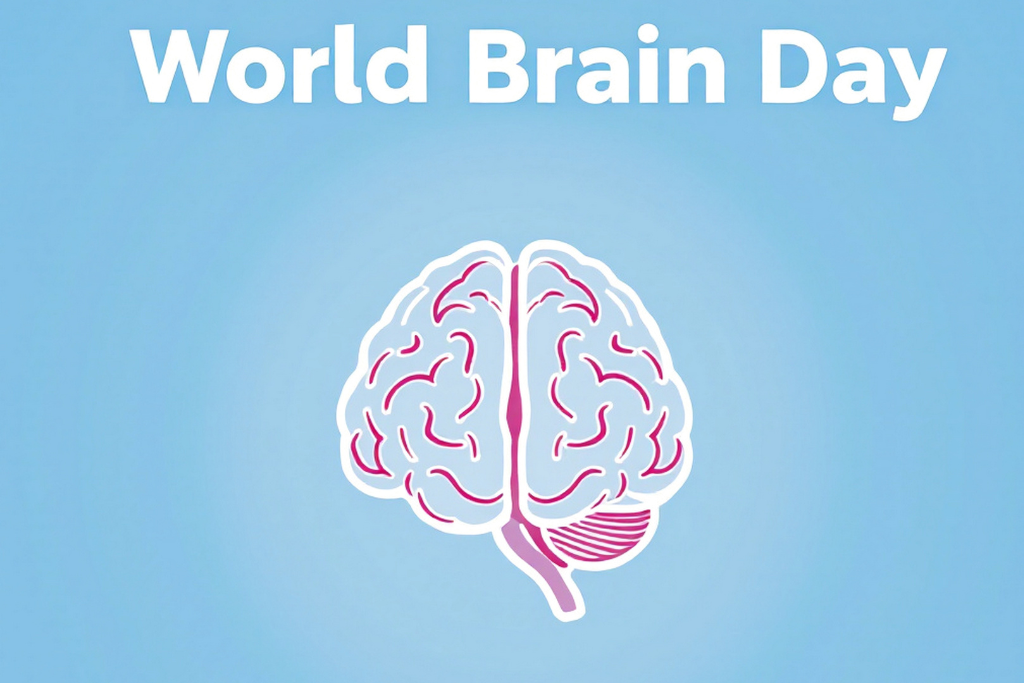
Every year on July 22nd, the world observes World Brain Day, also known as International Brain Day, a global health campaign dedicated to raising awareness about the brain and the neurological conditions that affect it. World Brain Day 2026 carries the theme “Brain Health for All Ages,” reminding us that caring for the brain isn’t just for the elderly – it’s a lifelong responsibility that begins in childhood and continues through every stage of life. At Healing Hospital, this brain day is the perfect occasion to talk about prevention, early detection, and the advances that are transforming neurological care.
The History and Significance of World Brain Day
World Brain Day was established by the World Federation of Neurology (WFN) in 2014. The date, July 22nd, was chosen to commemorate the founding of the WFN itself in 1957 in Belgium, as well as the drafting of its first constitution. Since then, the day has grown into one of the most important global observances in neurology, bringing together medical professionals, patient groups, and the public to focus on a single, vital organ – the brain.
Why International Brain Day Matters Globally?
The brain controls everything we do – movement, memory, emotion, behaviour, and decision-making. Yet neurological disorders such as stroke, epilepsy, dementia, Parkinson’s disease, migraine, and Alzheimer’s disease continue to rise worldwide, often beginning with mild or easily overlooked symptoms. International Brain Day exists to change that – encouraging early recognition, timely diagnosis, and access to quality neurological care, especially as the global burden of brain-related conditions continues to grow with ageing populations.
World Brain Day 2026 Theme: Brain Health for All Ages
The theme for world brain day 2026, “Brain Health for All Ages”, highlights that brain care is not a one-time effort or something to think about only later in life. From healthy brain development in children to protecting cognitive function in adulthood and preventing decline in older age, this theme reinforces that small, consistent habits at every stage of life add up to lasting brain health.
Understanding Brain Health – Common Neurological Disorders
Neurological disorders cover a wide range of conditions affecting the brain, spinal cord, and nerves. Among the most prevalent are stroke, which remains one of the leading causes of disability worldwide; headaches, including migraine and tension-type headaches, which affect millions of people on a regular basis; epilepsy, characterised by recurring seizures; Parkinson’s disease, which affects movement and coordination; and dementia, including Alzheimer’s disease, which gradually impairs memory and cognitive function. Together, these conditions account for a significant share of the overall disease burden, particularly as populations age.
Causes and Risk Factors for Brain Disorders
While some neurological conditions have genetic or developmental origins, many are influenced by lifestyle and environmental factors. High blood pressure, diabetes, high cholesterol, smoking, excessive alcohol consumption, obesity, and chronic stress are all linked to an increased risk of stroke and cognitive decline. Lack of physical activity, poor sleep quality, social isolation, and limited mental stimulation can also contribute to long-term brain health issues. Air pollution has also been identified as an emerging risk factor for neurological diseases, underlining the connection between environmental health and brain health.
How Are Brain Disorders Diagnosed & Treated?
Step-by-Step Process:
- Clinical History and Neurological Examination – The neurologist assesses symptoms, medical history, and performs tests of reflexes, coordination, strength, and cognition.
- Imaging Studies – MRI or CT scans help visualise the brain’s structure and identify abnormalities such as strokes, tumours, or areas of damage.
- Electrophysiological Tests – Tests like EEG (electroencephalogram) record brain activity and help diagnose conditions such as epilepsy.
- Blood Tests – These help rule out other causes of symptoms, such as infections, vitamin deficiencies, or metabolic issues.
- Treatment Planning – Based on the diagnosis, treatment may include medication, physiotherapy, lifestyle modification, or in some cases, surgical intervention.
- Ongoing Monitoring and Rehabilitation – Many neurological conditions require long-term follow-up, rehabilitation therapy, and adjustments to treatment over time.
Tips to Maintain Brain Health at Every Age
Protecting brain health doesn’t require drastic changes – small, consistent habits make a real difference. Regular physical activity improves blood flow to the brain and supports the growth of new neural connections. A balanced diet rich in omega-3 fatty acids, antioxidants, and whole foods supports cognitive function, while adequate sleep allows the brain to repair and consolidate memories. Staying mentally active through reading, puzzles, or learning new skills helps build cognitive resilience, and maintaining social connections has been shown to lower the risk of cognitive decline. Managing chronic conditions like blood pressure, diabetes, and cholesterol is equally essential, since these directly impact long-term brain health.
Neurology & Brain Care Services at Healing Hospital
At Healing Hospital, our neurology department offers comprehensive evaluation and treatment for a wide range of conditions, including stroke, epilepsy, migraine, Parkinson’s disease, and memory disorders, supported by advanced diagnostic imaging and a multidisciplinary care team. This world brain day, we encourage everyone in Chandigarh and beyond to pay attention to their brain health – because early action, at any age, can make all the difference.
Frequently Asked Questions (FAQs)
1. When is World Brain Day observed each year?
World Brain Day, also called International Brain Day, is observed every year on July 22nd.
2. Who established World Brain Day and why?
World Brain Day was established by the World Federation of Neurology in 2014, with July 22nd marking the anniversary of the WFN’s founding in 1957.
3. What is the theme of World Brain Day 2026?
The theme for World Brain Day 2026 is “Brain Health for All Ages,” highlighting that brain care matters at every stage of life.
4. What are the most common neurological disorders?
Common neurological disorders include stroke, migraine and tension-type headaches, epilepsy, Parkinson’s disease, and dementia, including Alzheimer’s disease.
5. What lifestyle factors affect brain health?
High blood pressure, diabetes, smoking, poor diet, lack of exercise, poor sleep, and chronic stress can all negatively impact long-term brain health.
6. What does a neurologist treat?
A neurologist diagnoses and treats conditions affecting the brain, spinal cord, and nerves, including stroke, epilepsy, migraine, movement disorders, and dementia.
7. How are neurological conditions diagnosed?
Diagnosis typically involves a clinical examination, imaging studies like MRI or CT scans, electrophysiological tests such as EEG, and blood tests to rule out other causes.
8. What are warning signs that I should see a neurologist?
Frequent severe headaches, sudden weakness or numbness, difficulty speaking, unexplained seizures, tremors, or noticeable memory loss are reasons to consult a neurologist.
9. Can stroke be prevented?
Many stroke risk factors, such as high blood pressure, diabetes, smoking, and high cholesterol, are manageable, making prevention possible through lifestyle changes and medical care.
10. How can I naturally improve my brain health?
Regular exercise, a balanced diet, quality sleep, mental stimulation, and social engagement are simple, effective ways to support brain health at any age.
11. Where can I consult a neurologist near me in Chandigarh?
Healing Hospital’s neurology department in Chandigarh offers consultations and advanced diagnostics for a wide range of brain and nervous system conditions.