World Breastfeeding Week 2026: Dates, Theme, Benefits & A Complete Guide for New Mothers
Breastfeeding is one of the most effective ways to give a baby the healthiest possible start in life. It provides complete nutrition, strengthens immunity, supports healthy growth and development, and creates a unique bond between a mother and her child. At the same time, breastfeeding also offers significant health benefits for mothers, from aiding postpartum recovery to reducing the long-term risk of certain diseases. Despite these well-established benefits, many women face challenges such as inadequate support, workplace barriers, breastfeeding myths, and difficulties with latching or milk supply.
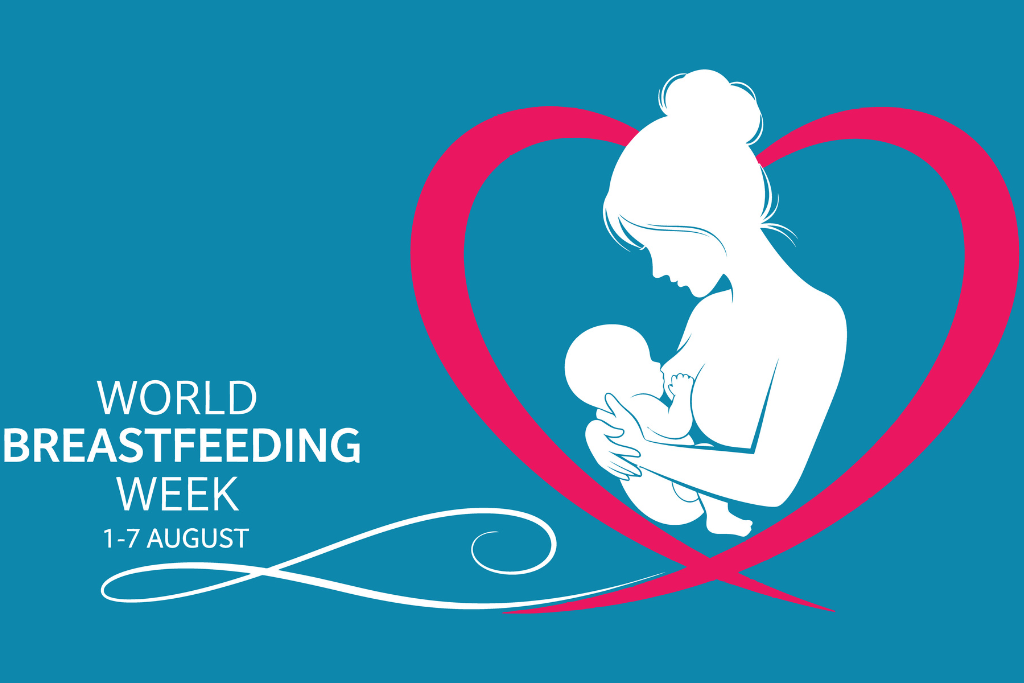
World Breastfeeding Week 2026 aims to address these challenges by raising awareness and encouraging stronger support for breastfeeding mothers at every stage of their journey. Observed every year from 1st to 7th August, this global campaign brings together healthcare professionals, governments, employers, families, and communities to create environments where mothers feel informed, empowered, and supported to breastfeed successfully.
The World Breastfeeding Week 2026 theme, “Prioritize Breastfeeding: Create Sustainable Support Systems,” highlights the importance of building long-term support through healthcare services, family involvement, workplace policies, and community initiatives. The campaign also emphasizes breastfeeding’s vital role in improving maternal and child health, nutrition, food security, and achieving the United Nations Sustainable Development Goals (SDGs).
In this comprehensive guide, we will explore everything you need to know about World Breastfeeding Week 2026, including its dates, theme, history, WHO breastfeeding recommendations, the benefits of breastfeeding for both mother and baby, common breastfeeding challenges, practical feeding tips, and when to seek professional lactation support.
Quick Facts:-
- Dates: August 1–7, 2026
- Established: 1992, by the World Alliance for Breastfeeding Action (WABA), with WHO and UNICEF
- Commemorates: The 1990 Innocenti Declaration
- 2026 Theme: “Prioritize Breastfeeding: Create Sustainable Support Systems”
- Observed in: 120+ countries worldwide
- WHO Recommendation: Exclusive breastfeeding for the first 6 months, continued breastfeeding with complementary foods at least up to 2 years
The History and Significance of World Breastfeeding Week
When Is World Breastfeeding Week Observed?
World Breastfeeding Week is celebrated every year from August 1 to August 7 by hospitals, healthcare professionals, clinics, workplaces, and community groups.
Who Started World Breastfeeding Week, and Why?
The observance was launched in 1992 by the World Alliance for Breastfeeding Action (WABA), in partnership with the World Health Organization (WHO) and UNICEF. The first week of August was chosen to mark the anniversary of the 1990 Innocenti Declaration – a commitment signed by governments and international agencies to actively protect, promote, and support breastfeeding worldwide. In 2018, a World Health Assembly resolution formally endorsed World Breastfeeding Week as a key global strategy for improving child survival and nutrition.
World Breastfeeding Week 2026 Theme: Prioritize Breastfeeding – Create Sustainable Support Systems
The World Breastfeeding Week 2026 theme, “Prioritize Breastfeeding: Create Sustainable Support Systems,” highlights an important reality: successful breastfeeding depends not only on a mother’s commitment but also on the support she receives from those around her. While mothers play the central role, families, healthcare professionals, employers, communities, and policymakers all contribute to creating an environment where breastfeeding can thrive.
In practical terms, creating sustainable support systems means ensuring that mothers have access to skilled lactation counselling soon after childbirth, evidence-based breastfeeding guidance from trained healthcare professionals, breastfeeding-friendly hospital practices, adequate paid maternity leave, workplace policies that provide flexible breaks & private lactation spaces, and ongoing encouragement from partners, families, and communities. By investing in these support systems, we can help more mothers achieve their breastfeeding goals and give every child the healthiest possible start in life.
Why Breastfeeding Matters: The Global and Indian Picture
Global Progress in Breastfeeding
Breastfeeding is recognised by the World Health Organization (WHO) as one of the most effective ways to improve child survival and long-term health. To encourage better infant nutrition worldwide, the World Health Assembly (WHA) set a global target to increase the rate of exclusive breastfeeding during the first six months of life. Despite this progress, many countries continue to face significant challenges. While breastfeeding initiation rates are high in several developed nations, the number of mothers who continue exclusive breastfeeding for the recommended six months remains much lower. Returning to work, limited maternity support, social stigma, and inadequate access to lactation counselling continue to be some of the biggest barriers.
Breastfeeding in India
India has taken several important steps to promote breastfeeding through supportive public health policies. Initiatives such as the Mother’s Absolute Affection (MAA) Programme, the Infant Milk Substitutes (IMS) Act, which regulates the promotion of infant formula, and 26 weeks of paid maternity leave for eligible women have created a stronger foundation for breastfeeding support.
Many mothers, however, still face practical challenges in breastfeeding as recommended by the WHO. Returning to work, lack of workplace facilities, limited emotional support, and difficulties with latching or milk supply often make breastfeeding more challenging than expected. Studies also suggest that exclusive breastfeeding rates tend to be lower among urban and working mothers, highlighting that awareness alone is not enough. Accessible lactation support, breastfeeding-friendly workplaces, and continued guidance from healthcare professionals are equally important in helping mothers achieve their breastfeeding goals.
Benefits of Breastfeeding for Baby and Mother
For the Baby
- Colostrum, rich in IgG: Referred to as baby’s first vaccine, the thick
& nutrient-dense milk produced in the first few days acts as a natural immunity booster for the baby. It is rich with multiple immunoglobulins (IgA, IgM, IgG, etc.), with IgG being the most abundant one. - Complete & adaptive nutrition: Breast milk contains the right balance of carbohydrates, proteins, healthy fats, vitamins, minerals, and water required for a baby’s growth during the first six months of life. Remarkably, its composition changes over time to meet the baby’s evolving nutritional and developmental needs.
- Disease protection: Breastfed babies have a lower risk of developing common childhood illnesses such as diarrhoea, pneumonia, ear infections, and certain respiratory infections. According to the World Health Organization (WHO), optimal breastfeeding has the potential to prevent hundreds of thousands of child deaths worldwide each year by protecting infants against life-threatening infections.
- Supports Healthy Growth and Brain Development: Research shows that breastfeeding supports healthy brain development and cognitive function. Breastfed infants also tend to have a lower risk of childhood obesity, type 2 diabetes, and certain chronic health conditions later in life.
- Promotes Emotional Bonding: Skin-to-skin contact during breastfeeding strengthens the emotional bond between mother and baby, providing comfort, warmth, and a sense of security that supports healthy emotional development.
For the Mother
- Supports Faster Recovery After Childbirth: Breastfeeding stimulates the release of oxytocin, a hormone that helps the uterus contract after delivery. This promotes faster recovery, reduces postpartum bleeding, and helps the uterus return to its pre-pregnancy size.
- Lowers the Risk of Certain Cancers: Women who breastfeed have a lower lifetime risk of developing breast cancer and ovarian cancer. Longer durations of breastfeeding have also been associated with greater protective benefits.
- May Delay the Return of Fertility: Exclusive breastfeeding during the first few months after childbirth can temporarily delay ovulation through a natural process known as the Lactational Amenorrhea Method (LAM). Although it may provide temporary contraception under specific conditions, it should not be considered a long-term birth control method without medical guidance.
- Weight management: Producing breast milk requires additional energy, allowing mothers to burn extra calories each day. When combined with a balanced diet and regular physical activity, breastfeeding can support gradual and healthy weight loss after pregnancy.
- Supports Maternal Emotional Well-being: Breastfeeding encourages the release of hormones such as oxytocin and prolactin, which promote relaxation, strengthen mother-baby bonding, and may help reduce the risk of postpartum depression in many women.
Getting Started: Practical Breastfeeding Tips for New Mothers
Breastfeeding is a natural process, but it often takes time and practice for both mother and baby to become comfortable. These simple, evidence-based tips can help you establish breastfeeding successfully during the early days after delivery.
Start Breastfeeding Within the First Hour After Birth
Whenever medically possible, begin breastfeeding within the first hour after delivery, often called the “golden hour.” Early skin-to-skin contact helps stimulate milk production, encourages your baby’s natural feeding instincts, and strengthens the emotional bond between mother and baby.
Ensure a Proper Latch
A good latch is essential for comfortable and effective breastfeeding. Your baby’s mouth should cover not only the nipple but also a large portion of the areola. A proper latch allows your baby to feed efficiently while reducing the risk of sore or cracked nipples.
Feed Your Baby on Demand
Rather than following a strict feeding schedule, feed your baby whenever they show early hunger cues such as rooting, sucking on their hands, opening their mouth, or becoming more alert. Crying is usually a late sign of hunger and may make latching more difficult.
Stay Hydrated and Eat a Balanced Diet
Breast milk production requires additional fluids and nutrients. Drink plenty of water throughout the day and consume a balanced diet rich in fruits, vegetables, whole grains, protein, and healthy fats to support your own health and maintain an adequate milk supply.
Avoid Unnecessary Formula or Other Feeds
The World Health Organization (WHO) recommends exclusive breastfeeding for the first six months, meaning babies generally do not require water, formula, juices, or other foods unless advised by a healthcare professional for a specific medical reason.
Ask for Help Early
If you’re experiencing pain, difficulty with latching, concerns about milk supply, or if your baby isn’t feeding well, don’t wait. Early guidance from your obstetrician or paediatrician can help resolve most breastfeeding challenges before they become more difficult.
Build a Strong Support System
Successful breastfeeding isn’t solely a mother’s responsibility. Support from your partner, family members, healthcare team, and employer can make a significant difference. Practical help with household responsibilities, emotional encouragement, and access to breastfeeding-friendly spaces allow mothers to focus on feeding and caring for their baby with confidence.
Role of Healthcare Consultants: Why Early Support Makes a Difference
Breastfeeding is natural, but it is also a learned skill for both the mother and the baby. Many new mothers experience challenges during the first few days, such as difficulty with latching, sore nipples, concerns about milk supply, or uncertainty about whether the baby is feeding enough. Seeking help early can prevent these common issues from becoming more stressful.
You should consult your obstetrician or paediatrician if:
- Breastfeeding remains painful after the first few days.
- Your baby has difficulty latching or refuses to feed.
- Your baby is not gaining weight adequately.
- You notice fewer wet diapers than expected.
- You have breast engorgement, blocked ducts, or symptoms of mastitis.
- You are concerned about low milk supply or need guidance on expressing and storing breast milk.
- Your baby is premature or admitted to the NICU and requires feeding support.
With the right guidance and encouragement, most breastfeeding challenges can be successfully managed, allowing both mother and baby to enjoy the long-term benefits of breastfeeding.
Breastfeeding Support at Healing Hospital, Chandigarh
At Healing Hospital, Chandigarh, our experienced Obstetrics & Gynaecology and Paediatrics teams are committed to helping mothers establish breastfeeding confidently from the very beginning.
Our maternity services include:
- Early skin-to-skin contact whenever medically possible
- Breastfeeding initiation within the first hour after birth
- Rooming-in to encourage mother-baby bonding
- Personalised breastfeeding counselling by experienced healthcare professionals
- Guidance for expressing and storing breast milk
- Feeding support for premature and NICU babies whenever required
- Continued postnatal support to address breastfeeding concerns after delivery
Whether you are preparing for your baby’s arrival or need help after delivery, our team is here to support you throughout your breastfeeding journey.
Frequently Asked Questions (FAQs)
1. When is World Breastfeeding Week celebrated?
World Breastfeeding Week is observed every year from 1st to 7th August to promote breastfeeding awareness and encourage stronger support systems for mothers and babies worldwide.
2. What is the theme of World Breastfeeding Week 2026?
The official theme for World Breastfeeding Week 2026 is “Prioritize Breastfeeding: Create Sustainable Support Systems.” The campaign highlights the importance of strengthening healthcare services, workplaces, families, and communities to help mothers breastfeed successfully.
3. How long should a baby be exclusively breastfed?
The World Health Organization (WHO) recommends exclusive breastfeeding for the first six months of life. After six months, nutritious complementary foods should be introduced while continuing breastfeeding up to two years or beyond, if possible.
4. What are the benefits of breastfeeding for babies?
Breastfeeding provides complete nutrition, strengthens the baby’s immune system, lowers the risk of infections, supports healthy brain development, and may reduce the risk of obesity and diabetes later in life.
5. What are the benefits of breastfeeding for mothers?
Breastfeeding helps the uterus return to its normal size after childbirth, reduces postpartum bleeding, supports gradual weight loss, and lowers the lifetime risk of breast and ovarian cancers.
6. What is colostrum, and why is it important?
Colostrum is the thick, yellowish milk produced during the first few days after delivery. It is rich in antibodies, proteins, vitamins, and immune cells that help protect newborns against infections and support healthy growth.
7. What are the most common breastfeeding problems?
Some mothers experience painful latching, sore nipples, breast engorgement, blocked milk ducts, concerns about milk supply, or difficulty positioning the baby. Most of these issues can be managed with early medical guidance and proper breastfeeding techniques.
8. Can I breastfeed if my baby is admitted to the NICU?
Yes. Even if your baby cannot feed directly, expressed breast milk can usually be given through alternative feeding methods until your baby is ready to breastfeed. Healthcare professionals can guide you throughout this process.
9. Where can I get breastfeeding support near me?
If you need breastfeeding counselling, lactation support, or expert maternity care, consult the experienced Obstetrics & Gynaecology and Paediatrics teams at Healing Hospital, Chandigarh, who provide comprehensive guidance before and after delivery.