World Hepatitis Day 2026: Why Liver Health Deserves Your Attention
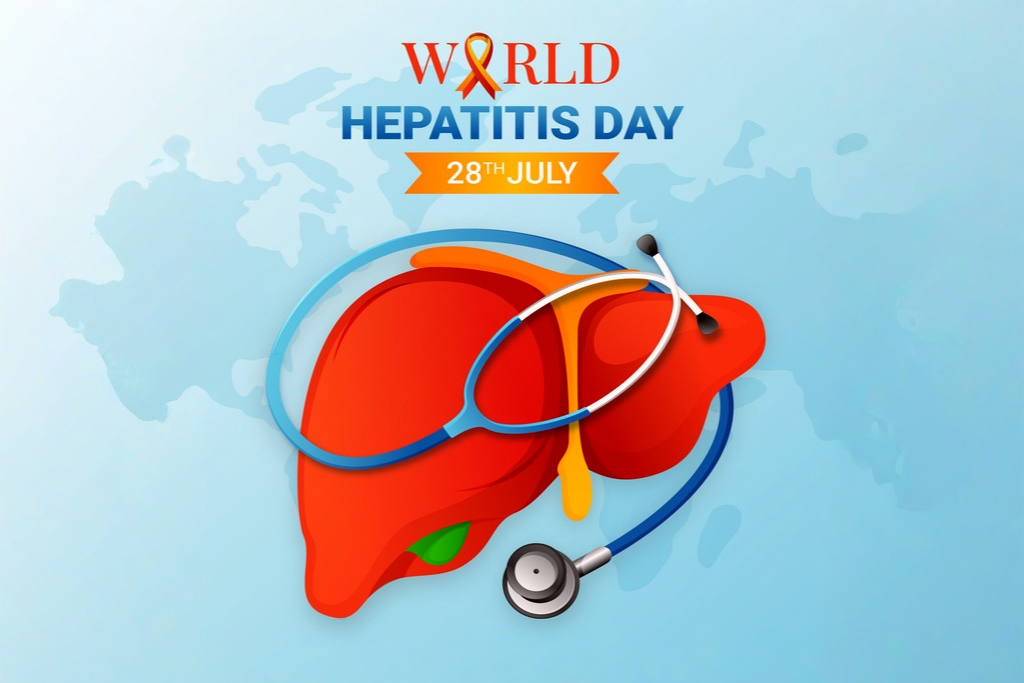
Every year on July 28th, the world observes World Hepatitis Day, a global health awareness day dedicated to one of the most under-recognised yet deadly groups of infections – viral hepatitis. World Hepatitis Day 2026 arrives as the World Health Organization continues pushing toward its goal of eliminating hepatitis as a public health threat by 2030. At Healing Hospital, this hepatitis day is an opportunity to spread awareness about prevention, testing, and treatment, and to remind everyone that a healthy liver is the foundation of overall well-being.
The History and Significance of World Hepatitis Day
Why July 28th?
World Hepatitis Day is observed on July 28th to mark the birthday of Dr. Baruch Blumberg, the Nobel Prize-winning scientist who discovered the hepatitis B virus and went on to develop its first diagnostic test and vaccine. The World Hepatitis Alliance first introduced this awareness day in 2008, and in 2010 the World Health Assembly officially adopted July 28th as the date, recognising it as one of WHO’s official global health days.
How World Hepatitis Day Raises Global Awareness
Each year, world hepatitis day brings together governments, healthcare organisations, and communities to highlight the scale of viral hepatitis – a disease that affects hundreds of millions of people worldwide, many of whom don’t even know they’re infected. Hospitals and clinics often use this day to offer free screenings, organise hepatitis vaccination drives, and run public education campaigns to break the silence and stigma surrounding hepatitis.
Role of WHO and the 2030 Elimination Goal
The World Health Organization has set an ambitious target to eliminate viral hepatitis as a public health threat by 2030, as part of the broader Sustainable Development Goals for health. This involves scaling up hepatitis vaccination, improving access to testing, and ensuring affordable treatment reaches everyone, especially in regions where hepatitis B and C remain widespread. World hepatitis day 2026 serves as an annual checkpoint to assess progress toward this goal.
What is Hepatitis and How Does it Affect the Liver?
The liver is one of the body’s most vital organs, responsible for filtering toxins, aiding digestion, producing essential proteins, and storing energy. When the liver becomes inflamed due to a viral infection – hepatitis – its ability to perform these functions is compromised. If left untreated, chronic hepatitis B or C can lead to scarring of liver tissue (cirrhosis), liver failure, or liver cancer over time, which is why early diagnosis and management matter so much for chronic forms of the disease.
Understanding Hepatitis – Types, Causes, and Symptoms
What Are the Different Types of Hepatitis (A-E)?
Hepatitis refers to inflammation of the liver, and there are five main viral types – A, B, C, D, and E – each with different causes and outcomes. Hepatitis A and E are typically acute, short-term infections spread through contaminated food or water. Hepatitis B and C can become chronic, often spreading through blood, bodily fluids, or from mother to child during birth, and account for most hepatitis-related deaths. Hepatitis D occurs only in people already infected with hepatitis B and can worsen the disease significantly.
Common Causes and Risk Factors
Viral hepatitis can spread through unsafe injections, unscreened blood transfusions, unprotected sex, sharing needles, and from an infected mother to her newborn. Poor sanitation and contaminated water are major contributors to hepatitis A and E outbreaks. Other risk factors include occupational exposure to blood for healthcare workers, tattooing or piercing with unsterilised equipment, and long-term alcohol use, which can independently damage the liver and worsen viral hepatitis.
Signs and Symptoms You Shouldn’t Ignore
Hepatitis is often called a “silent” disease because many people show no symptoms for years, even as liver damage progresses. When symptoms do appear, they may include persistent fatigue, loss of appetite, nausea, abdominal pain, dark urine, pale stools, joint pain, and jaundice – a yellowing of the skin and eyes. Because these signs are often subtle, routine testing remains the most reliable way to detect hepatitis early.
How is Hepatitis Diagnosed?
Step-by-Step Diagnostic and Treatment Process:
- Medical History and Risk Assessment – The doctor evaluates symptoms, lifestyle, and exposure routes to determine the need for testing.
- Blood Tests – Specific tests detect hepatitis viruses (A, B, C, D, or E) and assess liver enzyme levels.
- Liver Function Tests – These measure how well the liver is working and identify existing damage.
- Imaging Studies – Ultrasound or other imaging may check for liver scarring, fatty changes, or tumours.
- Antiviral Treatment – For chronic hepatitis B, antivirals help control the virus and slow liver damage; hepatitis C can often be cured with direct-acting antiviral drugs.
- Ongoing Monitoring – Patients with chronic hepatitis need regular follow-ups to track liver health and catch complications early.
Who is at Risk and Who Should Get Tested?
While anyone can contract hepatitis, certain groups face higher risk and should prioritise testing – healthcare workers exposed to blood and body fluids, people who received blood transfusions before screening became standard, those with multiple sexual partners or who inject drugs, infants born to hepatitis-positive mothers, and individuals with a family history of liver disease. Anyone with unexplained fatigue, abdominal discomfort, or abnormal liver enzyme results should also speak to their doctor about hepatitis testing.
Hepatitis Treatment Advances and Outlook
Medical advances over the past two decades have transformed the outlook for people living with hepatitis. Hepatitis C, once a lifelong condition, can now be cured in most cases with a short course of oral antiviral medication. For hepatitis B, modern antivirals can effectively suppress the virus, dramatically reducing the risk of cirrhosis and liver cancer when started early. Combined with better vaccination coverage and screening programs, these advances bring global hepatitis elimination closer with each passing year.
Prevention of Hepatitis – Vaccination and Lifestyle
Prevention remains the most powerful tool against hepatitis. Safe and effective vaccines exist for hepatitis A and B, and giving the hepatitis B vaccine to newborns within 24 hours of birth is one of the most effective ways to prevent mother-to-child transmission. Beyond hepatitis vaccination, practising safe sex, avoiding shared needles or razors, ensuring sterilised equipment for tattoos and medical procedures, drinking clean water, and moderating alcohol intake can significantly reduce infection risk. This world hepatitis day, getting vaccinated and screened is one of the most impactful steps anyone can take for their long-term health.
Hepatitis Care Services at Healing Hospital
At Healing Hospital, our gastroenterology and liver care team offers comprehensive hepatitis screening, diagnosis, and treatment, including liver function testing, antiviral therapy, and long-term monitoring for chronic liver conditions. This world hepatitis day 2026, we encourage everyone – especially high-risk groups – to get screened and take charge of their liver health. Early detection makes all the difference, and our specialists are here to guide you from diagnosis to recovery.
Frequently Asked Questions (FAQs)
1. When is World Hepatitis Day observed each year?
World Hepatitis Day is observed every year on July 28th to raise global awareness about viral hepatitis.
2. Why is World Hepatitis Day celebrated on July 28th?
The date marks the birthday of Dr. Baruch Blumberg, who discovered the hepatitis B virus and developed its vaccine and diagnostic test.
3. What are the different types of hepatitis?
There are five main types – hepatitis A, B, C, D, and E – each with different causes, transmission routes, and outcomes.
4. Which types of hepatitis are most dangerous?
Hepatitis B and C are the most concerning, as they can become chronic and lead to cirrhosis, liver failure, or liver cancer if untreated.
5. What are the early symptoms of hepatitis?
Common early symptoms include fatigue, loss of appetite, nausea, abdominal pain, dark urine, and jaundice, though many people show no symptoms at all.
6. How is hepatitis diagnosed?
Hepatitis is diagnosed through blood tests that detect viral markers, along with liver function tests and imaging studies to assess liver health.
7. Can hepatitis be cured?
Hepatitis C can be cured in most cases with antiviral medication, while hepatitis B can be effectively managed with long-term antiviral treatment.
8. How can hepatitis be prevented?
Hepatitis Vaccination against hepatitis A and B, safe medical practices, avoiding needle sharing, safe sex, and clean drinking water are key prevention measures.
9. Who should get tested for hepatitis?
Healthcare workers, people with multiple sexual partners, those who inject drugs, recipients of blood transfusions before screening became routine, and infants of hepatitis-positive mothers should prioritise testing.
10. What is the link between hepatitis and liver cancer?
Chronic hepatitis B and C infections are major risk factors for liver cancer, as long-term inflammation can lead to cirrhosis and cancerous changes in liver cells.
11. Is the hepatitis B vaccine safe for newborns?
Yes, the hepatitis B vaccine is recommended for newborns within 24 hours of birth and is one of the most effective ways to prevent transmission from mother to child.
12. Where can I get a hepatitis screening near me in Chandigarh?
Healing Hospital’s gastroenterology and liver care department offers hepatitis screening and diagnostic services in Chandigarh – book a consultation to get tested.
13. How can I consult a liver specialist near me in Chandigarh with Healing Hospital?
You can book an appointment with our gastroenterology team through the Healing Hospital website or by contacting our helpline for a consultation.