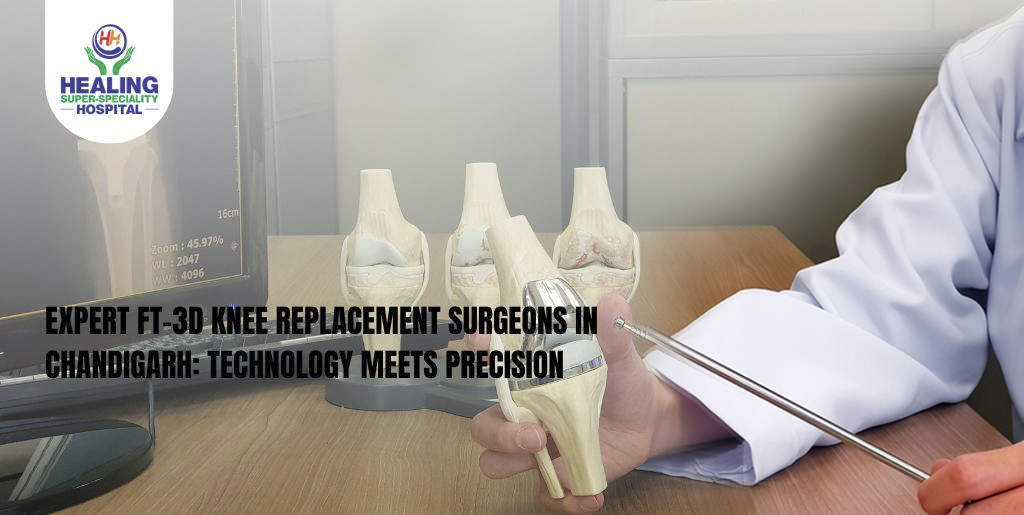
Arthritis is a group of conditions that can affect the hips, knees, hands, spine, and other joints. It may cause pain, stiffness, swelling, and reduced movement, gradually affecting mobility, work, and daily independence. Although arthritis becomes more common with age, it can affect people of all ages.
At Healing Hospital, the Department of Orthopaedics provides comprehensive arthritis care including medical management, physiotherapy, joint-preserving treatments, and joint replacement surgeries. Treatment options include Robotic & RoboLens FT-3D Knee Resurfacing, Total Knee Replacement, and Hip Replacement Surgery. Our orthopaedic doctors choose the right treatment action plan for you, depending on the joint affected, the extent of damage, and your symptoms and activity goals.
A structured physiotherapy & rehabilitation program supports the restoration of strength, movement, balance, and confidence after treatment, helping patients return to daily activities with greater comfort and mobility.
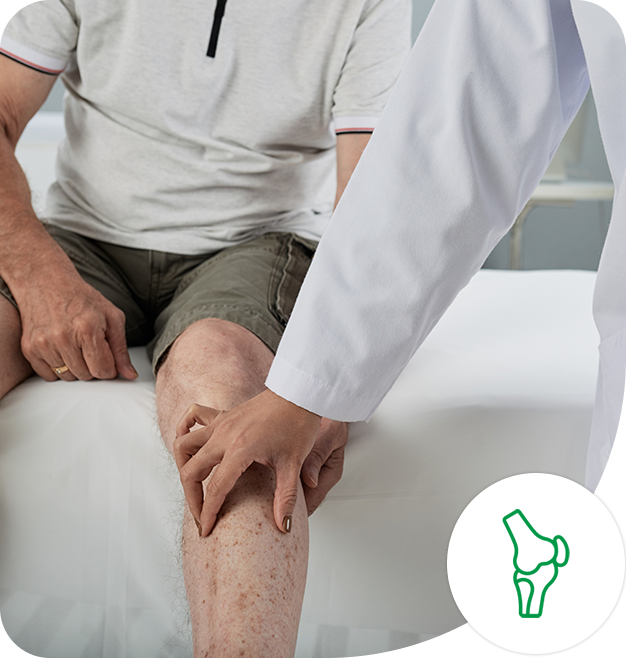
What is Arthritis?
Arthritis is not a single disease but an umbrella term covering more than a hundred conditions that cause joint inflammation. The joints most commonly affected include the knees, hips, hands, and spine, though arthritis can develop in almost any joint in the body.
Depending on the type of arthritis, the condition may involve the gradual breakdown of cartilage, inflammation of the joint lining, or both. As cartilage wears down or inflammation persists, joint movement can become painful and restricted.
Although arthritis becomes more common with age, it is not an unavoidable part of ageing, if prevented well with lifestyle changes. It may also develop after a joint injury, because of autoimmune disease, or due to metabolic factors. As a result, arthritis can affect younger adults and physically active individuals as well.
Types of Arthritis
Osteoarthritis (OA)
This is caused by the gradual breakdown of joint cartilage and is observed as the most common form of arthritis. It commonly affects the knees, hips, hands, and spine, leading to pain, stiffness, and reduced mobility.
Rheumatoid Arthritis (RA)
An autoimmune condition in which the immune system attacks the joint lining, causing persistent inflammation that can damage cartilage and bone. It often affects multiple joints symmetrically and may cause fatigue and other systemic symptoms.
Gout
A form of inflammatory arthritis caused by the buildup of uric acid crystals inside a joint. It typically causes sudden, intense pain, swelling, redness, and tenderness, often affecting the big toe.
Post-Traumatic Arthritis
Arthritis that develops after a previous joint injury, such as a fracture or ligament tear, including an ACL injury. The initial damage can accelerate cartilage breakdown and cause symptoms years after the injury.
Psoriatic Arthritis
An inflammatory form of arthritis that can develop in people with psoriasis. It may cause joint pain, stiffness, and swelling and can also affect areas where tendons attach to bones.
Severity of Arthritis
The severity of arthritis is generally decided based on the degree of joint damage, symptom intensity, and functional impact, which are interpreted using imaging findings and clinical assessment:
Mild (Early Stage)
Intermittent joint stiffness or discomfort with activity, and only minimal changes visible on imaging. Symptoms are usually manageable with lifestyle measures and do not significantly limit daily function.
Moderate
Persistent pain and stiffness, visible joint space narrowing or early bone changes on imaging, and some limitations in activities like climbing stairs or prolonged walking.
Severe (Advanced Stage)
Significant cartilage loss, often with bone-on-bone contact, considerable pain even at rest, and meaningful functional limitation. This is typically the stage at which joint replacement surgery becomes a genuine consideration, though treatment depends on the patient's symptoms, activity level, and goals rather than imaging findings alone.
Signs and Symptoms of Arthritis
Arthritis symptoms may develop gradually or appear suddenly, depending on the type of arthritis. For instance, gout can cause an abrupt attack of severe pain and swelling, and osteoarthritis often progresses slowly over time.
Common Symptoms
- Joint pain, especially during or after activity.
- Stiffness, particularly in the morning or after prolonged rest.
- Swelling around the affected joint.
- Reduced range of motion or difficulty moving the joint.
- Grinding, clicking, or crackling sensations during movement.
- Warmth, redness, or tenderness around an inflamed joint.
- Fatigue, particularly with inflammatory conditions such as rheumatoid arthritis.
- Weakness, instability, or joint deformity in advanced or long-standing arthritis.
Warning Signs to Watch For
Arrange a medical evaluation if joint pain, stiffness, or swelling persists, worsens, or begins to interfere with daily activities. Prompt assessment is especially important if a joint repeatedly locks or catches, swelling does not improve, or several joints become painful or swollen at the same time. These symptoms may indicate significant joint damage or an inflammatory or autoimmune condition requiring further evaluation.
When to Seek Emergency Care
Seek immediate medical attention if a joint suddenly becomes severely painful, hot, red, and swollen-especially when accompanied by fever, chills, or feeling generally unwell. This combination may indicate septic arthritis, a serious joint infection that requires urgent treatment.
Sudden severe joint pain after a significant injury, inability to move the joint, or an obvious deformity also requires an urgent medical evaluation.
Arthritis: Causes and Risk Factors
Arthritis develops through several different mechanisms, and the underlying cause meaningfully shapes the treatment approach.
Age
The risk of many forms of arthritis increases with age. In osteoarthritis, the cartilage may become less resilient over time, making joints more vulnerable to wear and damage.
Previous Joint Injury
A previous fracture, ligament tear, cartilage injury, or other joint trauma can increase the risk of developing arthritis in that joint later in life. This includes post-traumatic arthritis following injuries such as an ACL tear.
Genetics and Family History
A family history of arthritis may increase the likelihood of developing certain conditions, including rheumatoid arthritis, osteoarthritis, and gout. Genetic factors may also influence disease severity and progression.
Excess Body Weight
Extra body weight increases mechanical stress on weight-bearing joints, particularly the knees, hips, and spine. It may contribute to the development or progression of osteoarthritis.
Autoimmune Factors
In rheumatoid arthritis and psoriatic arthritis, an abnormal immune response causes ongoing inflammation in the joints and surrounding tissues. Rheumatoid arthritis is more common in women and may also be associated with a family history and smoking.
Repetitive Joint Stress
Occupations, sports, or activities involving repeated kneeling, lifting, squatting, or high-impact joint loading may contribute to localized osteoarthritis, particularly when combined with previous injury or poor joint mechanics.
Sex and Hormonal Factors
The risk of specific arthritis conditions varies by sex. Rheumatoid arthritis is more common in women, while gout is more common in men, although arthritis can affect anyone.
Metabolic Factors
Gout is caused by the formation of uric acid crystals inside a joint, usually after persistently elevated urate levels. Risk may be influenced by family history, obesity, kidney disease, alcohol intake, certain medicines, and diets rich in purines or sugary drinks.
Note: Having one or more risk factors does not mean that arthritis will inevitably develop. Persistent pain, swelling, morning stiffness, or reduced joint movement should be assessed by an orthopaedics specialist or a rheumatologist.
Arthritis Diagnosis and Testing
Accurate diagnosis of arthritis begins with a detailed history and clinical examination, followed by targeted tests to confirm the type and extent of joint involvement.
Detailed Symptom History
You will be asked about the location and pattern of joint pain, duration of symptoms, morning stiffness, swelling, fever, other affected joints, and any previous injuries. These details can help distinguish osteoarthritis from inflammatory, crystal-related, infectious, or post-traumatic arthritis.
Physical Examination
Our team will assess joint swelling, tenderness, warmth, range of motion, strength, alignment, and deformity. They can also check whether multiple joints are affected and whether symptoms occur symmetrically.
X-Ray
X-rays show joint-space narrowing, bone spurs, alignment changes, fractures, and other structural features commonly associated with osteoarthritis. They are often used to assess the extent of joint damage and support treatment planning.
MRI Scan
MRI provides detailed images of cartilage, ligaments, tendons, bone, and other soft tissues. It is recommended when symptoms are not explained by X-rays, when early joint damage is suspected, or when an associated ligament, cartilage, or meniscus injury needs evaluation.
Blood Tests
Blood tests including rheumatoid factor, anti-CCP antibodies, ESR, and CRP help to identify inflammation or support the diagnosis of autoimmune arthritis. Serum urate testing can also be ordered to support the assessment of gout.
Joint Fluid Analysis
In selected cases, a small amount of fluid may be removed from the affected joint for analysis. Testing can help identify uric acid or other crystals and rule out infection through cell count, Gram staining, culture, and crystal examination. Joint aspiration is particularly important when a joint becomes suddenly hot, red, severely swollen, and painful.
Note: The final diagnosis is based on the complete clinical picture rather than any single test. Early and accurate diagnosis helps guide appropriate treatment and prevent avoidable joint damage.
Arthritis Treatment in Chandigarh at Healing Hospital
Healing Hospital offers comprehensive arthritis care in Chandigarh, from evaluation and non-surgical management to joint-preserving procedures, joint replacement, physiotherapy and rehabilitation.
Initial Care and Lifestyle Management
For early-stage arthritis, treatment may include activity modification, weight management, exercises, physiotherapy, lifestyle changes, and supportive devices such as braces or walking aids. These measures can help reduce joint stress, maintain movement, and support daily function.
Non-Surgical Management
Patients with mild to moderate arthritis may benefit from prescribed pain-relieving or anti-inflammatory medicines, structured physiotherapy, and selected injections such as corticosteroid or viscosupplementation injections. Patients with rheumatoid or other inflammatory arthritis may require disease-modifying treatment under appropriate specialist supervision.
Joint-Preserving Knee Treatment
Selected patients with arthritis limited to specific areas of the knee may be considered for Artificial Intelligence & Augmented Reality enabled FT-3D Knee Resurfacing. This bone-preserving approach treats the damaged joint surfaces while aiming to retain healthy bone and cartilage.
Joint Replacement Surgery
For advanced arthritis causing persistent pain, stiffness, reduced mobility, or significant difficulty with daily activities, Healing Hospital offers joint replacement options including Total Knee Replacement and Hip Replacement Surgery. These may be considered when non-surgical treatment no longer provides adequate relief and joint damage substantially affects quality of life.
Treatment of Associated Joint Damage
When arthritis occurs alongside meniscus, cartilage, ligament, or alignment problems, associated conditions may be addressed as part of the overall treatment plan when clinically appropriate.
Structured Physiotherapy and Rehabilitation
Rehabilitation plays an important role before and after treatment. Individualized physiotherapy focuses on restoring joint movement, muscle strength, balance, mobility, and confidence, supporting a gradual return to daily activities and improved long-term function.
Arthritis Recovery and Long-Term Management
Arthritis management is usually an ongoing process rather than a one-time treatment. Long-term outcomes depend on the type and severity of arthritis, the joint involved, adherence to treatment, regular exercise, and periodic medical follow-up.
Early Management and Monitoring
For early-stage arthritis, treatment focuses on reducing pain and stiffness, maintaining joint movement, improving muscle strength, and protecting daily function. Weight management, activity modification, physiotherapy, taking prescribed medication, and supportive devices may form part of the long-term plan.
Recovery After Joint Replacement
Healing Hospital’s FT-3D knee resurfacing procedure focuses on early mobilization, assisted walking the same day, and physiotherapy beginning the very next day after surgery.
Rehabilitation then progresses through pain and swelling management, range-of-motion exercises, strength training, balance work, and functional activities over the following weeks. Recovery timelines vary from person to person.
Follow-Up and Long-Term Joint Health
Regular follow-up helps monitor joint movement, strength, pain, medication response, rehabilitation progress, and the life of the implant. Patients should continue prescribed exercises and attend recommended reviews so that treatment can be adjusted as symptoms and functional needs change.
Why Early Arthritis Intervention Matters
Early evaluation can identify the type of arthritis, assess the extent of joint involvement, and ensure that treatment begins before pain, stiffness, and reduced mobility significantly affect daily life. Timely care can help preserve joint movement, maintain muscle strength, control pain and inflammation, and support independence. In inflammatory conditions such as rheumatoid arthritis and psoriatic arthritis, prompt treatment is particularly important because controlling inflammation early may reduce the risk of lasting cartilage, bone, and joint damage.
Early management can include physiotherapy, exercise, weight management, activity modification, medication, supportive devices, or injections, depending on the diagnosis. If symptoms continue to progress, regular assessment helps determine whether a joint-preserving procedure or joint replacement may be appropriate. Persistent joint pain, swelling, morning stiffness, or difficulty moving should not be dismissed as a normal part of ageing. Timely consultation can support better long-term joint health and quality of life.
Why Choose Healing Hospital for Arthritis Treatment in Chandigarh?

Comprehensive Care for Every Stage of Arthritis : Healing Hospital provides care across the arthritis journey, right from the early evaluation, medication, physiotherapy, and lifestyle guidance to injections, joint-preserving procedures, and joint replacement when required. Treatment is planned according to the type of arthritis, affected joint, symptoms, mobility, and long-term goals.

In-house Physiotherapy Team with Home-based Services Available : In-house physiotherapy supports arthritis care through strengthening, mobility exercises, pain-management techniques, pre-operative conditioning, post-operative mobilization, and long-term rehabilitation. Home-based physiotherapy is also available for selected patients who have difficulty travelling.

24×7 Emergency and Trauma Support : Although arthritis is usually managed through a long-term management plan, yet sudden injuries, severe pain, acute swelling, or complications can require urgent attention. Healing Hospital provides 24×7 emergency and ambulance services for patients who need immediate evaluation.
Arthritis Prevention Tips
Not every type of arthritis can be prevented, but healthy habits can reduce the risk of osteoarthritis, protect joint function, and help manage conditions such as gout.
Maintain a Healthy Weight
Maintaining a healthy weight reduces stress on weight-bearing joints such as the knees, hips, and spine. If you are overweight, gradual weight loss may help reduce joint strain and improve mobility.
Stay Physically Active
Regular low-impact activities such as walking, swimming, cycling, and strength training can help maintain muscle support, joint movement, and overall function. Begin gradually and choose exercises suited to your fitness level and joint health.
Treat Joint Injuries Properly
Prompt medical evaluation and complete rehabilitation after ligament tears, fractures, or cartilage injuries can help restore joint stability and reduce the risk of post-traumatic arthritis.
Protect Your Joints
Use proper body mechanics, maintain good technique during exercise, avoid repetitive overloading, and use suitable protective equipment where appropriate. Strength and balance exercises may also help reduce injury risk.
Follow a Balanced Diet
A balanced diet that supports a healthy weight can benefit overall joint health. People with gout may also benefit from limiting alcohol, sugary drinks, organ meats, and certain seafood, while following medical advice to control urate levels.
Manage Underlying Conditions
Work with your healthcare team to manage autoimmune arthritis, elevated uric acid, obesity, diabetes, and other conditions that may affect joint health. Regular treatment and follow-up can help reduce inflammation, prevent flare-ups, and limit joint damage.
Avoid Smoking
Stopping smoking supports overall musculoskeletal health and may help reduce the risk of arthritis-related disability and complications.
Meet Our Arthritis Specialists in Chandigarh
At Healing Hospital, arthritis is evaluated and managed as part of a comprehensive joint-care programme. Our orthopaedic team considers the type of arthritis, severity, joint involvement, activity level, and recovery goals before recommending medical management or surgical treatment.
Dr. Nishant Setia has 15+ years of experience in sports injuries, knee and shoulder arthroscopy, ligament reconstruction, joint replacement, arthritis management, FT-3D knee resurfacing, and advanced trauma care.
📞 Call: +91 81460 03434, +91 98781 11834 to book your consultation.
🌐 Book Online: Visit www.healinghospital.co.in to schedule an appointment.
Other Orthopaedic Services Available at Healing Hospital, Chandigarh
Reviewed By
Dr. Ajay Bhambri
Orthopaedics & Joint Replacement
30+ Years

Dr. Ajay A Singh Bhambri is a highly distinguished Director of Orthopaedics & Joint Replacement – Unit I at Healing Hospital, Chandigarh, with over 30 years of clinical and surgical excellence in complex orthopaedic procedures. He is widely recognized as one of North India’s most experienced orthopaedic surgeons, specializing in joint replacement surgery, limb reconstruction, orthopaedic oncosurgery, and advanced trauma care.
Doctors Available

Dr. Nishant Setia
Senior Consultant
Orthopaedics & Joint Replacement
15+ Years
Hindi, Punjabi, English
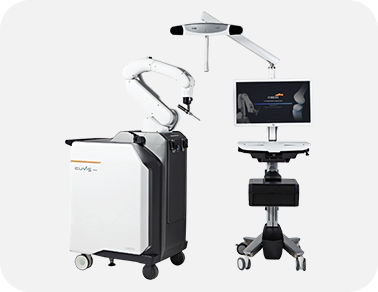
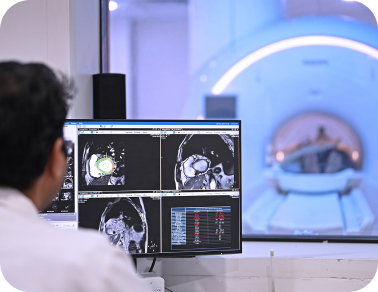
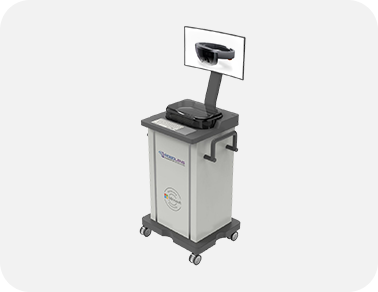
Equipped with state-of-art diagnostic and treatment technologies to ensure the best outcomes for our patients





Frequently Asked Questions (FAQs)
What are the early signs of arthritis?
Early symptoms may include joint stiffness after rest, mild pain or discomfort during activity, occasional swelling, reduced flexibility, and difficulty performing certain movements. A grinding or crackling sensation may occur in osteoarthritis but does not confirm arthritis by itself.
What causes arthritis?
Arthritis has several possible causes. These include age-related cartilage changes, previous joint injuries, excess weight, family history, autoimmune conditions such as rheumatoid arthritis, and metabolic conditions such as gout. The cause depends on the type of arthritis.
Can arthritis be treated without surgery?
Yes. Many patients with early or moderate arthritis can be managed with exercise, physiotherapy, weight management, activity modification, prescribed medicines, supportive devices, and selected joint injections. Surgery is considered when symptoms continue to limit daily activities despite appropriate non-surgical treatment.
How is arthritis diagnosed?
Diagnosis usually involves a detailed medical history and physical examination. Depending on the suspected condition, the doctor may recommend X-rays, MRI, blood tests, or joint-fluid analysis to assess joint damage and identify inflammatory, autoimmune, crystal-related, or infectious arthritis.
How long does recovery take after joint replacement surgery?
Recovery varies according to the joint replaced, surgical procedure, general health, and rehabilitation progress. Many patients begin assisted walking soon after surgery, followed by progressive exercises to improve movement, strength, balance, and function over the following weeks and months. Your surgeon and physiotherapist will provide an individual recovery plan.
Is joint replacement surgery minimally invasive?
The surgical approach depends on the joint, procedure, and patient’s condition. FT-3D knee resurfacing is a joint-preserving procedure that uses small incisions and aims to treat selected damaged areas of the knee. Total knee replacement is used for more advanced joint damage. Recovery and suitability vary from patient to patient.
Can arthritis develop after a joint injury even years later?
Yes. Post-traumatic arthritis can develop months or years after a fracture, ligament tear, cartilage injury, or other significant joint trauma, even after the initial injury has healed. Proper treatment and rehabilitation may help protect long-term joint function.
What happens if arthritis is left untreated?
Untreated arthritis may lead to worsening pain, stiffness, reduced mobility, muscle weakness, joint instability, or deformity. However, progression varies by the type of arthritis, so early evaluation can help determine the appropriate treatment and reduce avoidable loss of function.
Where can I get arthritis treatment near me in Chandigarh?
Healing Hospital’s Department of Orthopaedics provides arthritis evaluation and treatment in Chandigarh, including medical management, physiotherapy, joint injections when appropriate, FT-3D knee resurfacing, total knee replacement, hip replacement, and rehabilitation.
How can I book an arthritis consultation near me?
You can contact Healing Hospital’s appointment desk or book online through the Healing Hospital website, if you are looking for an arthritis doctor in Chandigarh. The hospital’s official contact numbers are +91 81460 03434 and +91 98781 11834 for orthopaedics appointments.
Blog
World Osteoporosis Day 2026: Raising Awareness for Stronger Bones and Fracture Prevention
World Arthritis Day 2026: Raising Awareness About Joint Health and Arthritis

Knee Replacement Surgery in Delhi: Minimally Invasive & Effective Options

Qualifications to Look For in the Best Hip Replacement Surgeon in Chandigarh
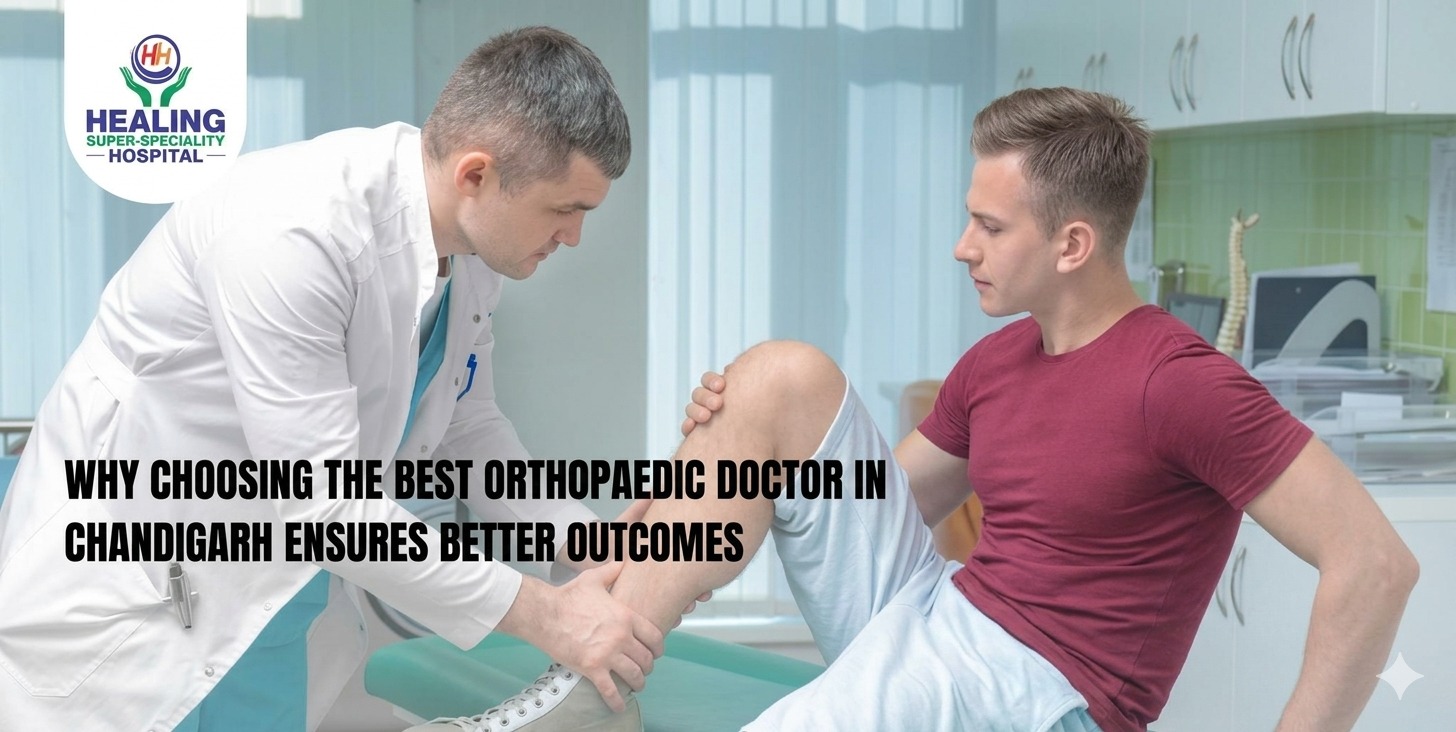
Why Choosing the Best Orthopaedic Doctor in Chandigarh Ensures Better Outcomes

How to Choose the Right Doctor for Knee Replacement Surgery in Lucknow
Advanced Knee Arthritis Treatment in Chandigarh for Long-Term Relief
Top-Rated Knee Replacement Surgery in Lucknow: Advanced Treatments for Joint Health
Trusted Knee Replacement Surgeon Chandigarh: Compassionate Care for Long-Term Mobility