Persistent knee pain, stiffness, and difficulty walking, climbing stairs, or performing everyday activities can affect your mobility and quality of life. When these symptoms are caused by knee arthritis, treatment depends on the location and extent of joint damage. Medication, physiotherapy, and lifestyle modifications can help manage symptoms, while surgery may be considered when non-surgical treatments do not provide sufficient relief.
At Healing Hospital, Chandigarh, the Orthopaedics and Joint Replacement Department offers FT-3D (Fast Track Three-Dimensional) Knee Resurfacing for carefully selected patients with localised knee arthritis. This partial, joint-preserving surgical approach focuses on treating the damaged portion of the knee while aiming to preserve healthy bone, cartilage, and ligaments wherever clinically appropriate.
Healing Hospital has provided knee care and treatment planning to patients from more than 25 states across India and overseas. Our knee resurfacing services are supported by modular operation theatres, RoboLens FT-3D technology with AI-powered surgical planning, and a team of experienced orthopaedic surgeons and anaesthesiologists who work together to plan and deliver patient care. The hospital also provides fast-track recovery protocols, ICU support when medically required, emergency ambulance services, and postoperative physiotherapy & rehabilitation to monitor recovery and implant function.
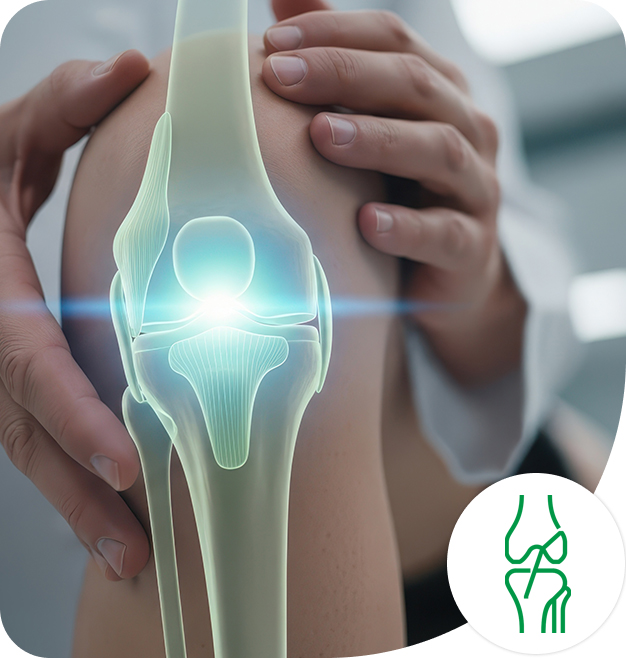
What is FT-3D Knee Resurfacing?
FT-3D (Fast Track Three-Dimensional) Knee Resurfacing is a specialised surgical procedure for patients with unicompartmental or localised arthritis. It focuses on treating the damaged joint surface, rather than replacing the entire knee joint. The objective is to address the affected area while preserving healthy bone, cartilage, and ligaments, wherever the patient's condition allows.
At Healing Hospital in Chandigarh, the procedure is supported by RoboLens FT-3D technology, which uses three-dimensional (3D) mapping and computer-assisted surgical planning. This helps the surgical team assess the patient's knee anatomy, understand the location and extent of joint damage, and plan the treatment approach.
The suitability of FT-3D Knee Resurfacing and the expected results vary from patient to patient. A specialist orthopaedic assessment is necessary before considering the procedure.
Schedule Your Appointment with
Our Expert Doctors
We are dedicated to driving lasting, positive transformation in healthcare management through innovation and patient-centered solutions.
How is FT-3D Knee Resurfacing Different from Total Knee Replacement?
When exploring treatment options for chronic knee pain, patients often come across different surgical techniques and technologies. Two terms that can confuse are FT-3D KNee Resurfacing and Total Knee Replacement (TKR). Although both relate to the treatment of knee joint problems, they should not be considered interchangeable procedures.
Key Differences Between FT-3D and Total Knee Replacement:-
|
Comparison |
FT-3D Knee Resurfacing |
Total Knee Replacement |
|
Surgical approach |
Focuses on treating the damaged areas of the knee |
Replaces the damaged joint surfaces across the knee |
|
Bone preservation |
Aims to preserve healthy bone and remove only the necessary damaged portions |
Requires removal of bone from the ends of the femur and tibia to accommodate implants |
|
Natural structures |
Preserves unaffected cartilage and ligaments wherever possible |
Some natural joint structures are removed or altered during surgery |
|
Implant placement |
Implants are used to resurface the affected joint areas |
Artificial components replace the damaged joint surfaces |
|
Surgical planning |
Uses 3D mapping and precision-guided planning |
May use conventional equipments |
|
Recovery |
May allow earlier mobilisation in appropriately selected patients |
Recovery involves a structured rehabilitation programme |
|
Suitability |
May be considered when arthritis is limited to specific areas of the knee |
Commonly recommended for advanced arthritis, affecting multiple areas of the knee |
The actual surgical approach, recovery time and suitability vary according to the patient's condition, the technology used and the surgeon's assessment.
How Does FT-3D Knee Resurfacing Work?
FT-3D stands for Fast Track Three-Dimensional Knee Resurfacing. The technology combines 3D mapping, advanced surgical planning and precision-guided execution to help the surgeon treat the damaged portion of the knee.
The procedure generally involves the following steps:
- 3D Knee Assessment: The knee's structure and affected areas are assessed to understand the extent of joint damage.
- Precision Surgical Planning: A surgical plan is developed based on the patient's individual knee anatomy.
- Targeted Resurfacing: The orthopaedic surgeon addresses the damaged joint surfaces while aiming to preserve healthy bone, cartilage and ligaments.
- Implant Placement: Specialised implants are placed over the treated joint surfaces to restore their function.
- Post-Surgical Rehabilitation: Patients begin guided mobilisation and physiotherapy, according to their recovery progress.
Who May Be Suitable for FT-3D Knee Resurfacing?
Factors that an orthopaedic surgeonevaluates include:
- Extent of cartilage damage: Whether arthritis affects one particular area or multiple compartments of the knee.
- Condition of healthy cartilage: Whether sufficient healthy cartilage remains in the unaffected areas.
- Ligament health: Whether the knee ligaments provide adequate stability.
- Knee alignment and mobility: Whether the joint has significant deformity, stiffness or restricted movement.
- Overall health: The patient's medical history, activity levels and ability to undergo surgery and rehabilitation.
Patients with widespread arthritis, extensive cartilage damage, or significant joint deformity may require Total Knee Replacement instead. A detailed clinical examination and appropriate imaging investigations are essential before recommending either procedure.
What Happens Before, During, and After FT-3D Knee Resurfacing?
FT-3D Knee Resurfacing involves three key stages: pre-operative assessment, precision-guided surgery, and post-operative rehabilitation. Each stage is planned according to the patient's knee condition, medical history, and recovery needs.
Before Surgery
1. Pre-Operative Assessment
Before recommending FT-3D Knee Resurfacing, the orthopaedic specialist evaluates the patient's knee condition and overall fitness for surgery. This can include:
- Medical History: Reviewing knee pain, previous treatments, and mobility concerns.
- Physical Examination: Assessing knee movement, ligament stability, alignment, and walking pattern.
- Standing X-rays: Identifying the extent and location of joint damage.
- MRI Scan: Evaluating cartilage, ligaments, and soft tissues when required.
- Pre-Anaesthesia Tests: Conducting blood tests, ECG, and other investigations to assess surgical fitness.
2. 3D Mapping and Surgical Planning
Three-dimensional mapping helps the surgeon assess individual knee anatomy and plan the resurfacing procedure.
- 3D Knee Mapping: Creates a digital representation of the knee.
- Damage Assessment: Identifies the affected joint surfaces.
- Surgical Planning: Helps determine the resurfacing area and implant positioning.
- Surgeon Review: Finalises the treatment plan based on clinical findings.
During Surgery
1. Anaesthesia and Surgical Preparation
Appropriate anaesthesia is administered to ensure patient comfort. The surgical area is cleaned and prepared for the procedure.
2. Precision-Guided Resurfacing and Implant Placement
The surgeon prepares the damaged joint surfaces while preserving healthy bone and surrounding structures wherever possible. Specialised implants are then positioned, and their alignment, fit, and stability are checked.
3. Incision Closure
Once the procedure is complete, the incision is closed using an appropriate surgical technique, and a sterile dressing is applied.
After Surgery
1. Immediate Post-Operative Recovery
The medical team monitors the patient's condition and guides early mobilisation according to recovery progress.
- Assisted Walking: Patients may begin walking with a walker or other support when medically cleared.
- Physiotherapy: Guided exercises help restore knee movement and muscle strength.
- Stair Training: Patients practise using stairs when considered safe.
- Discharge Assessment: The team evaluates pain control, mobility, wound condition, and overall stability.
2. Recovery at Home and Follow-Up
After discharge, patients continue their prescribed rehabilitation programme.
- Regular Exercises: Improve flexibility, strength, and balance.
- Wound Care: Follow instructions to keep the surgical site clean and protected.
- Activity Modification: Gradually resume daily activities as advised by the surgeon.
- Follow-Up Visits: Monitor healing, knee movement, and overall recovery.
Why Choose Healing Hospital for FT-3D Knee Resurfacing in Chandigarh?

Pioneer of FT-3D Knee Resurfacing in Chandigarh : Healing Hospital introduced FT-3D Knee Resurfacing in Chandigarh in 2016 with a focus on technology-assisted surgical planning and precision-guided joint resurfacing. The procedure aims to treat damaged knee surfaces while preserving healthy bone, cartilage, and supporting structures wherever possible.

Experienced Surgical Team, ICU Backup and Multispeciality Care : With more than 45,000 surgeries performed since its establishment in 2016, Healing Hospital brings together orthopaedic surgeons, anaesthesiologists, nursing professionals, and multidisciplinary clinical teams. As a multispeciality hospital, it provides coordinated perioperative care, with ICU facilities and critical care support available, whenever medically required.

Transparent Pricing and Treatment Packages : Healing Hospital follows a transparent approach to treatment pricing, with predefined packages and information about expected costs provided before surgery. Patients are informed about the services included in their treatment package. Additional charges may apply if an extended hospital stay, ICU admission, or treatment for unexpected post-operative complications becomes necessary.
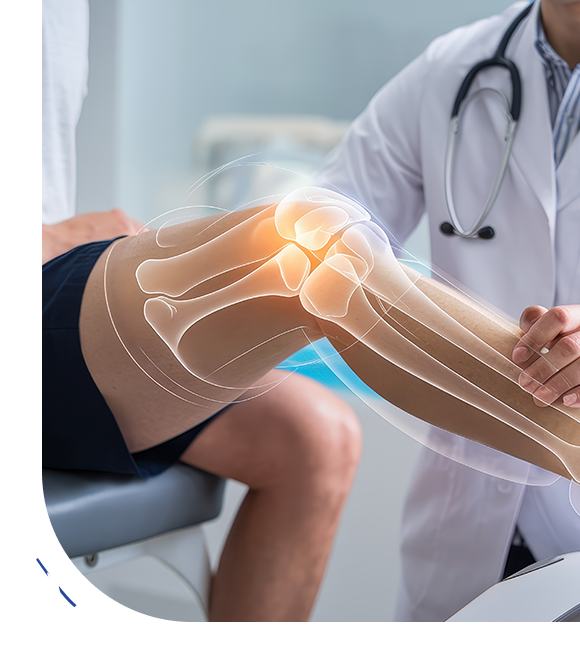
What Are its Recovery Benefits and Success Factors?
Recovery after FT-3D Knee Resurfacing depends on the extent of joint damage, the patient's overall health, surgical findings, and rehabilitation progress.
1. Preservation of Healthy Knee Structures
FT-3D Knee Resurfacing targets damaged joint surfaces while aiming to preserve healthy bone, cartilage, and functional ligaments. This helps retain more of the knee's natural anatomy.
2. Use of Local Anaesthesia
Local anaesthesia is used in most cases to numb the operated area and minimise discomfort during surgery. The anaesthesia approach may vary depending on the patient's medical condition and the anaesthesiologist's assessment.
3. Precision-Guided Surgical Approach
Three-dimensional mapping and surgical planning help assess knee anatomy, identify damaged areas, and plan implant positioning. The approach aims to limit unnecessary bone removal while preserving suitable healthy structures.
4. Early Mobilisation and Recovery
Suitable patients may begin standing and walking with physiotherapist assistance within hours of surgery or on the following day.
- Physiotherapy: Helps restore knee movement, strength, and balance.
- Hospital Discharge: May be possible within 1–2 days, depending on recovery and medical assessment.
- Rehabilitation: Supports a gradual return to everyday activities.
5. Preservation of Natural Knee Function
By preserving suitable healthy joint structures, FT-3D Knee Resurfacing aims to maintain natural knee movement, stability, and biomechanics.
6. Long-Term Outcomes
Long-term results depend on appropriate patient selection, surgical planning, implant positioning, and rehabilitation. Regular follow-ups help monitor knee function and implant performance.
What Are the Advantages of FT-3D Knee Resurfacing?
Key potential advantages of FT-3D Knee Resurfacing include:
- Bone Preservation: Aims to preserve healthy bone and cartilage.
- 3D Mapping: Supports detailed assessment of individual knee anatomy.
- Precision-Guided Surgery: Helps plan targeted resurfacing and implant positioning.
- Targeted Treatment: Focuses on damaged joint surfaces in suitable patients.
- No Thigh Bone Drilling: Avoids drilling into the thigh bone (femur), subject to the surgical technique used.
- Local Anaesthesia: Used in most cases to numb the operated area.
- No Metal Staples: Incision closure is performed using sutures rather than metal skin staples.
- Early Mobilisation: May allow assisted walking soon after surgery.
- Natural Knee Function: Aims to preserve suitable ligaments and supporting structures.
- Structured Rehabilitation: Supports improved mobility, flexibility, and muscle strength.
What Are the Potential Risks and Complications of FT-3D Knee Resurfacing?
Like any surgical procedure, FT-3D Knee Resurfacing carries certain risks and potential complications. Although 3D mapping and precision-guided surgical planning support the procedure, they cannot eliminate all surgical risks.
Possible complications include:
- Revision Surgery or Conversion to Total Knee Replacement: Further surgery may be required if arthritis progresses, implant failure occurs, or symptoms persist.
- Infection: Infection may develop around the surgical site or implant and require additional treatment.
- Blood Clots (DVT/PE): Deep vein thrombosis (DVT) or pulmonary embolism (PE) may occur after surgery.
- Knee Stiffness: Reduced knee movement may develop during recovery and require additional physiotherapy or treatment.
- Implant Wear or Loosening: Implant components may wear down or loosen over time.
- Fracture: Bone fractures around the surgical area or implant are uncommon but possible.
How Can the Risks Be Minimised?
Careful patient selection, pre-operative assessment, sterile surgical practices, accurate implant positioning, and structured rehabilitation can help reduce the risk of complications.
The orthopaedic surgeon discusses individual risk factors, preventive measures, and recovery expectations before surgery.
What Is the Cost of FT-3D Knee Resurfacing in Chandigarh?
The cost of FT-3D Knee Resurfacing at Healing Hospital, Chandigarh, depends on the patient's knee condition, treatment requirements, and clinical assessment.
The hospital offers predefined treatment packages to help patients understand expected expenses before surgery.
The final cost may vary if additional medical care is required, including an extended hospital stay, ICU admission, or treatment for post-operative complications. Patients are advised to discuss package inclusions and potential additional charges with the hospital team beforehand.
Book an Appointment for FT-3D Knee Resurfacing at Healing Hospital, Chandigarh
If you experience persistent knee pain, stiffness, or difficulty with everyday activities, consult the Orthopaedics and Joint Replacement Department at Healing Hospital, Chandigarh.
An orthopaedic specialist's evaluation can help assess cartilage damage, ligament health, knee alignment, and overall joint condition to determine whether FT-3D Knee Resurfacing is suitable.
Book an appointment at Healing Hospital to discuss your symptoms, explore treatment options, and receive an individualised treatment plan.
For appointments and enquiries, contact Healing Hospital at +91-7575903434, 9878111834, 7589343434, 7087373434, 8146003434, or 8559003434, visit the official Healing Hospital website, or contact the hospital front desk for assistance.
Reviewed By
Blog
Slip Disc Treatment Guide: From Pain Management to Recovery Exercises

Knee Pain Treatment Guide: How to Reduce Pain and Improve Mobility
Robotic Knee Replacement Surgery Cost in Chandigarh: What to Expect
Your Step-by-Step Guide to Knee Replacement Surgery in Chandigarh: Cost, Recovery, & More
National Bone and Joint Day 2026: Date, History, Causes and a Complete Guide to Bone and Joint Health

Best Spine Surgeon in Chandigarh for Herniated Disc, Scoliosis & Back Pain
When Should You Consult an Orthopedic Surgeon Near Me?
Best Spine Doctor in Chandigarh: Advanced Treatments for Spine Problems

Best Knee Doctor in Chandigarh for Arthritis & Sports Injuries

Back Pain Doctor in Chandigarh: Non-Surgical and Surgical Treatment Methods
Frequently Asked Questions (FAQs)
What Is FT-3D Knee Resurfacing?
FT-3D (Fast Track Three-Dimensional) Knee Resurfacing is a technology-assisted surgical approach for treating selected cases of localised knee arthritis. It uses 3D mapping and precision-guided surgical planning to treat damaged joint surfaces while aiming to preserve healthy bone, cartilage, and supporting ligaments wherever possible.
How Is FT-3D Knee Resurfacing Different from Total Knee Replacement?
FT-3D Knee Resurfacing targets the damaged portion of the knee while preserving suitable healthy joint structures. Total Knee Replacement involves replacing the damaged joint surfaces across the knee with artificial components. The choice depends on the extent of arthritis and the patient’s knee condition.
How Does FT-3D Technology Work in Knee Surgery?
FT-3D technology uses three-dimensional mapping and computer-assisted surgical planning to assess knee anatomy, identify damaged areas, and plan implant positioning. The surgeon uses this information to guide the resurfacing procedure.
Who Is an Ideal Candidate for FT-3D Knee Resurfacing?
Patients with arthritis limited to one compartment of the knee, healthy surrounding cartilage, functional knee ligaments, and suitable joint alignment may be considered potential candidates. A detailed orthopaedic examination and imaging assessment are necessary to determine suitability.
Can FT-3D Knee Resurfacing Preserve the ACL and PCL Ligaments?
The procedure aims to preserve functional ligaments, including the anterior cruciate ligament (ACL) and posterior cruciate ligament (PCL), wherever clinically appropriate. Their condition is assessed before surgery.
How Long Does FT-3D Knee Resurfacing Take?
The surgical duration depends on the extent of joint damage and individual surgical requirements. The surgeon can provide an estimated duration after evaluating the patient’s condition.
Is FT-3D Knee Resurfacing Performed Under Local Anaesthesia?
Local anaesthesia is used in most cases to numb the operated area. However, the anaesthesia plan depends on the patient’s medical condition, surgical requirements, and anaesthesiologist’s assessment.
When Can I Walk After FT-3D Knee Resurfacing?
Suitable patients may begin standing and walking with physiotherapist assistance and walker support within hours of surgery or on the following day. Mobilisation depends on the patient’s recovery and the surgeon’s instructions.
How Long Is the Hospital Stay After FT-3D Knee Resurfacing?
Selected patients may be discharged within 1–2 days, depending on pain control, mobility, wound condition, and overall medical stability.
Does FT-3D Knee Resurfacing Involve Drilling into the Thigh Bone?
The FT-3D surgical approach aims to avoid drilling into the thigh bone (femur). The exact surgical technique depends on the implant system and the patient’s knee anatomy.
Are Metal Staples Used to Close the Incision After FT-3D Knee Resurfacing?
No. The incision is closed using sutures rather than metal skin staples, according to the surgical closure protocol.
What Are the Main Advantages of FT-3D Knee Resurfacing?
Potential advantages include:
- Preservation of healthy bone and cartilage.
- 3D mapping and precision-guided surgical planning.
- Targeted treatment of damaged joint surfaces.
- Avoidance of thigh bone drilling.
- Use of local anaesthesia in most cases.
- Incision closure without metal staples.
- Potential for early mobilisation.
- Preservation of suitable natural knee structures.
Can I Sit Cross-Legged After FT-3D Knee Resurfacing?
The ability to sit cross-legged depends on knee flexibility, range of motion, muscle strength, and rehabilitation progress. Patients should resume such activities only after receiving approval from their orthopaedic surgeon.
How Long Does It Take to Recover from FT-3D Knee Resurfacing?
Recovery varies from patient to patient. Suitable patients may begin walking shortly after surgery, followed by structured physiotherapy. Returning to routine activities depends on healing, strength, mobility, and rehabilitation progress.
What Are the Risks and Complications of FT-3D Knee Resurfacing?
Potential complications include infection, blood clots (DVT or PE), knee stiffness, implant wear or loosening, fractures around the implant, and the possibility of revision surgery or conversion to Total Knee Replacement. Appropriate patient selection and post-operative care help reduce and manage these risks.
How Long Does a Knee Resurfacing Implant Last?
Implant longevity depends on implant design, positioning, surgical technique, bone quality, activity levels, and individual patient factors. Regular follow-ups help monitor implant performance and knee function.
Can Severe Knee Arthritis Be Treated with FT-3D Knee Resurfacing?
FT-3D Knee Resurfacing is generally considered for selected patients with localised arthritis. Patients with widespread cartilage damage or advanced arthritis affecting multiple knee compartments may require Total Knee Replacement instead.
Is FT-3D Knee Resurfacing Better Than Total Knee Replacement?
Neither procedure is universally better. FT-3D Knee Resurfacing may be suitable for patients with localised joint damage, while Total Knee Replacement is generally considered for more extensive arthritis. The appropriate treatment depends on individual knee condition and specialist assessment.
Where Can I Get FT-3D Knee Resurfacing in Chandigarh?
Healing Hospital, Chandigarh, offers FT-3D Knee Resurfacing through its Orthopaedics and Joint Replacement Department. Patients can consult an orthopaedic specialist to assess their knee condition and explore suitable treatment options.
How Can I Book an Appointment for FT-3D Knee Resurfacing at Healing Hospital, Chandigarh?
You can schedule an orthopaedic consultation at Healing Hospital, Chandigarh, to discuss your symptoms, undergo a knee assessment, and determine whether FT-3D Knee Resurfacing is suitable for you.
For appointments and enquiries, contact Healing Hospital at +91-7575903434, 9878111834, 7087373434, 8146003434, 7589343434, or 8559003434, visit the official Healing Hospital website, or contact the hospital front desk.
 Emergency 24×7 : 01725088883