World Thyroid Day 2026: Your Thyroid Gland is Trying to Tell you Something
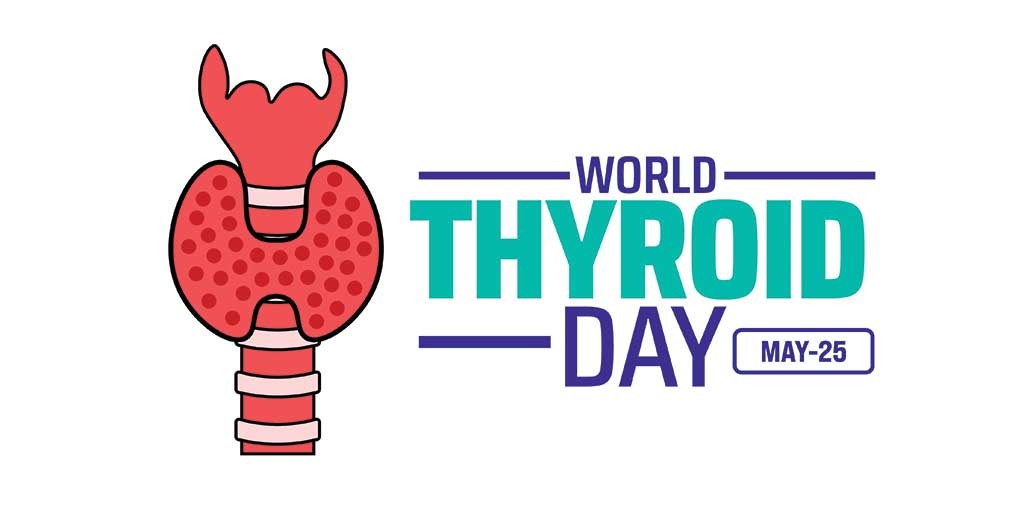
A small, butterfly-shaped gland at the base of your neck controls more of your body than most people realise – metabolism, heart rate, body temperature, mood, fertility, and growth. When it goes wrong, everything feels off. Yet thyroid disorders remain among the most underdiagnosed conditions in the world.
On World Thyroid Day, observed every year on May 25, the global health community unites to change that. At Healing Hospital Chandigarh, Thyroid Awareness Day 2026 is an opportunity to remind every patient: your symptoms deserve answers, and early diagnosis makes all the difference.
When Is World Thyroid Day Observed?
World Thyroid Day is observed annually on May 25. The date honours the founding of the European Thyroid Association (ETA) on May 25, 1965 – the organisation that first championed a dedicated global day for thyroid health.
World Thyroid Day was officially established in 2008 by the Thyroid Federation International and is now supported by major thyroid associations worldwide, including the American Thyroid Association (ATA) and the Asia-Oceania Thyroid Association (AOTA).In India alone, around 42 million people suffer from thyroid problems – making it one of the country’s most significant public health challenges. Millions more remain undiagnosed, attributing symptoms to stress, ageing, or lifestyle without ever getting the simple blood test that could confirm the cause.
World Thyroid Day 2026 Theme & Focus
World Thyroid Day does not follow a single annually declared theme in the same way as some other global health observances. Its overarching mission is to raise public awareness of thyroid disorders, promote early detection, and ensure that thyroid dysfunction is diagnosed accurately and treated effectively.
For 2026, the global focus remains on closing the gap between the millions who live with thyroid disease and the many who do not yet know they have it. The message is simple: know your thyroid, know your numbers, get tested.
What Is Thyroid Disease?
The thyroid gland produces two key hormones – thyroxine (T4) and triiodothyronine (T3) – that regulate metabolism and the functioning of virtually every organ in the body. When production is disrupted, the effects are wide-ranging. It is the collective term for conditions that cause the thyroid to produce too little or too much hormone – or to develop structural abnormalities like nodules or cancer.
Types of Thyroid Disease
Hypothyroidism – the thyroid produces insufficient hormones, slowing down bodily functions. The most common cause is Hashimoto’s thyroiditis, an autoimmune condition. Iodine deficiency is another significant trigger, particularly in certain regions of India.
Hyperthyroidism – the thyroid produces excess hormones, accelerating bodily processes. Graves’ disease, an autoimmune disorder, is the leading cause.
Goitre – abnormal enlargement of the thyroid gland, often visible as a swelling in the neck. Can occur with hypo or hyperthyroidism, or with normal hormone levels.
Thyroid Nodules – lumps within the thyroid, most of which are benign, but some require further investigation to rule out malignancy.
Thyroid Cancer – relatively rare but increasingly detected. Most forms are highly treatable when caught early.
Thyroid Symptoms: What to Watch For
Thyroid symptoms are often mistaken for other conditions – which is precisely why so many cases go undiagnosed.
Hypothyroidism symptoms:
- Unexplained weight gain and difficulty losing weight
- Persistent fatigue and sluggishness
- Feeling cold even in warm environments
- Hair thinning or loss, dry skin and brittle nails
- Depression, brain fog, and poor concentration
- Irregular or heavy menstrual periods
- Constipation and slow digestion
Hyperthyroidism symptoms:
- Unintentional weight loss despite normal or increased appetite
- Rapid or irregular heartbeat (palpitations)
- Excessive sweating and heat intolerance
- Anxiety, irritability, and tremors
- Difficulty sleeping
- Frequent bowel movements
- Enlarged thyroid (visible goitre)
Women are significantly more prone to thyroid disorders than men – making regular thyroid screening especially important for women of reproductive age and those approaching menopause.
Thyroid Diagnosis and Treatment
- Thyroid test options:
- TSH (Thyroid Stimulating Hormone) test – the primary screening tool; a single blood test that indicates whether the thyroid is overactive, underactive, or functioning normally
- T3 and T4 tests – measure actual hormone levels for a more complete picture
- Thyroid antibody tests – confirm autoimmune conditions like Hashimoto’s and Graves’
- Ultrasound – assesses the size, structure, and any nodules in the gland
- Fine Needle Aspiration (FNAC) – biopsy of thyroid nodules to rule out cancer
- Thyroid treatment optionsdepend on the type and severity of the condition.
Hypothyroidism is managed withdaily oral thyroxine replacement – a medication most patients take long-term. Hyperthyroidism is treated with antithyroid medications, radioactive iodine therapy, or surgery in select cases. Thyroid cancer treatment typically involves surgical removal followed by radioactive iodine and hormone therapy.
With the right diagnosis and treatment, the vast majority of thyroid conditions are effectively managed – and patients live completely normal lives.
Frequently Asked Questions (FAQs)
Q: When is World Thyroid Day celebrated?
Every year on May 25 – first observed in 2008.
Q: What is the World Thyroid Day 2026 theme?
The global focus for 2026 is early detection and closing the diagnosis gap – ensuring that thyroid disease is identified and treated before complications arise.
Q: What are the first signs of thyroid disease?
Unexplained weight changes, persistent fatigue, hair loss, feeling unusually cold or hot, and irregular periods are common early signals.
Q: What is the difference between hypothyroidism and hyperthyroidism?
Hypothyroidism means the thyroid is underactive – slowing the body. Hyperthyroidism means it is overactive – speeding everything up. Both are treatable.
Q: Which thyroid test should I get first?
The TSH blood test is the standard first-line screening test. One simple test can indicate whether your thyroid needs further investigation.
Q: Can thyroid disease be cured?
Most thyroid conditions are managed rather than cured, but with the right treatment, patients live entirely normal, healthy lives.
Q: Is thyroid disease more common in women?
Yes – women are significantly more likely to develop thyroid disorders, especially during pregnancy and around menopause.
Q: How can I book an appointment at Healing Hospital Chandigarh for thyroid care?
Call +91-9464343434 or visit www.healinghospital.co.in to schedule a consultation with our endocrinology team.