At Healing Hospital, we understand that anaesthesia safety and expert perioperative management are fundamental to successful surgery, ensuring patient comfort during procedures, maintaining physiological stability under surgical stress, and providing optimal pain control enabling faster recovery. That is why our advanced Anaesthesia Department, with over 30 years of distinguished experience and supported by a team of expert anaesthesiologists with 50,000+ successfully managed cases annually, offers comprehensive anaesthesia services for all surgical specialties using advanced monitoring technology, evidence-based anaesthetic protocols, multimodal pain management, and vigilant perioperative care. This ensures optimal patient safety, comfort during surgery, effective pain control, and superior outcomes across routine and high-risk procedures.
We serve patients across Chandigarh, Punjab, Haryana, Himachal Pradesh, J&K, and other states of India with comprehensive anaesthesia services including general anaesthesia for major surgeries, regional anaesthesia with nerve blocks for pain-free procedures, spinal and epidural anaesthesia for lower body surgeries and obstetric care, monitored anaesthesia care and sedation for minor procedures, pediatric anaesthesia for children, obstetric anaesthesia including labor epidurals and cesarean sections, cardiac anaesthesia for heart surgeries, neurosurgical anaesthesia for brain and spine procedures, and trauma and emergency anaesthesia for urgent surgeries.
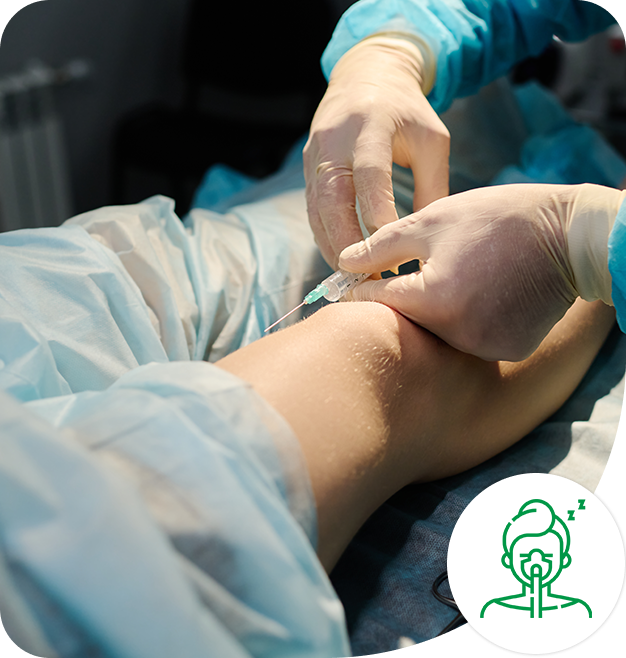
Our team does meticulous pre-anaesthetic evaluation optimizing patient safety, continuous intraoperative monitoring, and comprehensive post-operative pain management.
What is Anaesthesiology?
Anaesthesiology is the medical specialty ensuring patient safety and comfort during surgical procedures through administration of anaesthesia, continuous monitoring of vital functions, management of pain and physiological responses to surgery, and immediate intervention if complications arise. Anaesthesiologists are perioperative physicians managing three critical phases throughout the surgical journey.
- The pre-operative phase involves evaluating patients before surgery through comprehensive pre-anaesthetic assessment, identifying medical conditions affecting anaesthesia safety such as heart disease, lung disease, and diabetes, optimizing chronic conditions before surgery, determining appropriate anaesthetic technique, and counselling patients about anaesthesia process and expectations.
- The intra-operative phase includes providing anaesthetic care during procedures by inducing and maintaining anaesthesia whether general, regional, or sedation, continuous monitoring of vital signs including heart rate, blood pressure, oxygen levels, breathing, and temperature, managing fluid and blood loss, ensuring patient remains pain-free and comfortable, maintaining physiological stability despite surgical stress, and providing immediate intervention if complications arise.
- The post-operative phase focuses on managing post-operative pain and recovery by transferring patient safely from operating room to recovery room, monitoring emergence from anaesthesia, providing comprehensive pain management through multimodal analgesia, epidurals, nerve blocks, and PCA, managing post-operative nausea and vomiting, ensuring safe discharge from recovery room, and coordinating transition to ICU if needed.
When Do You Need Anaesthesia Services?
Surgical Procedures Requiring Anaesthesia
Anaesthesia services are essential for a wide range of medical interventions, including general surgeries such as hernia repair and gallbladder removal. Specialized anaesthetic management is required for orthopaedic procedures like joint replacements and spine surgery, as well as for gynaecological, obstetric, and urological operations. Furthermore, anaesthesia is critical for ENT, plastic, and neurosurgical procedures, along with highly specialized fields like cardiac surgery (CABG), pediatric surgery, and immediate interventions for emergency trauma or acute abdominal conditions.
Diagnostic & Therapeutic Procedures
Endoscopic procedures including colonoscopy, upper GI endoscopy, ERCP, and bronchoscopy often require sedation or anaesthesia. Imaging procedures requiring sedation such as MRI in claustrophobic or pediatric patients, interventional radiology procedures like angiography and embolization, cardioversion for arrhythmias, and electroconvulsive therapy (ECT) for psychiatric conditions all need anaesthetic management.
Pain Management
Acute pain management addresses post-operative pain, trauma pain, and cancer pain. Chronic pain management tackles conditions like back pain and neuropathic pain through interventional pain procedures including nerve blocks and epidural steroid injections. Labor pain management helps women through childbirth comfortably.
Obstetric Care
Labor epidural provides painless delivery enabling comfortable labor whilst maintaining ability to push. Cesarean section typically uses spinal or epidural anaesthesia though general anaesthesia is used if emergency delivery is required. Instrumental delivery using forceps or vacuum and postpartum hemorrhage management may also require anaesthetic intervention.
Why Choose Healing Hospital for Anaesthesia Services?

24/7 Anaesthesia Coverage & Advanced Monitoring Technology : Unlike hospitals relying on on-call anaesthesiologists traveling from home, Healing Hospital provides round-the-clock in-house anaesthesia coverage ensuring immediate availability for emergency cesarean sections, trauma surgery, and any emergency surgery day or night. Our state-of-the-art intraoperative monitoring includes continuous ECG, blood pressure, oxygen saturation, capnography ensuring adequate ventilation, depth of anaesthesia monitoring preventing awareness, and neuromuscular monitoring ensuring complete reversal of paralysis.

Comprehensive Post-Operative Pain Management & Labour Epidural : We provide comprehensive post-operative pain management through multimodal analgesia combining multiple medications for superior control with fewer side effects, Patient-Controlled Analgesia (PCA) allowing self-administration within safe limits, continuous epidural analgesia for major surgeries facilitating early mobilization, and peripheral nerve blocks providing prolonged pain relief enabling physiotherapy. Labor epidural for painless delivery is available 24/7 at Healing Hospital, providing 90-95% pain relief whilst maintaining ability to push effectively, allowing mothers to remain alert and immediately bond with baby after birth-ensuring painless delivery

Expert Anaesthesia Team with Extensive Experience : Our anaesthesia department is led by distinguished anaesthesiologists with over 30 years of experience at prestigious institutions in India and abroad. We manage around 50,000+ cases annually, providing mastery of routine and complex procedures, refined protocols optimizing outcomes, and ability to handle high-risk patients other centres may not accept.
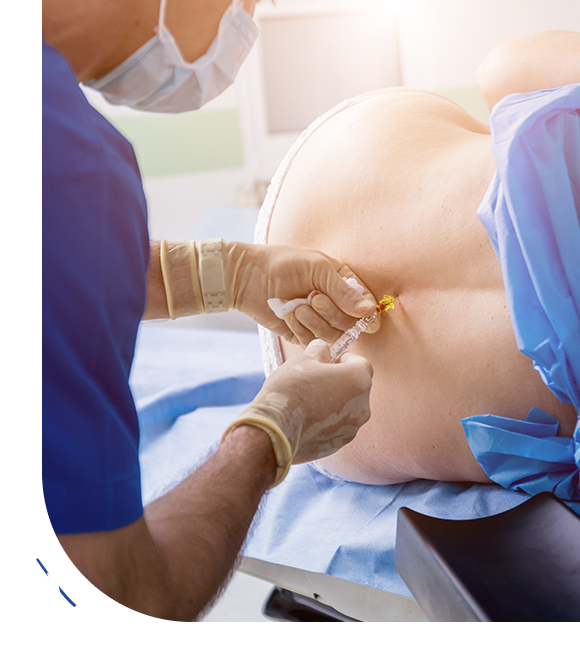
Comprehensive Anaesthesia Services At Healing Hospital
At Healing Hospital, our expert anaesthesiologists deliver tailored anaesthesia solutions for every procedure, ensuring safety, precision, and rapid recovery. From general anaesthesia for major surgeries to specialized pediatric, obstetric, cardiac, and neurosurgical care, we prioritize patient comfort with advanced monitoring, ultrasound-guided techniques, and 24/7 availability-empowering seamless surgical outcomes aligned with India’s healthcare excellence.
General Anaesthesia
General anaesthesia induces complete unconsciousness using IV drugs and inhaled gases, rendering patients pain-free and unaware during major surgeries like cardiac, neurosurgery, or extensive abdominal/thoracic procedures. Pre-oxygenation leads to rapid IV induction, secure airway via endotracheal tube or LMA, continuous gas maintenance, vigilant vital sign monitoring, and gentle emergence in recovery-offering total pain control, muscle relaxation, and physiological stability for all ages and emergencies.
Spinal Anaesthesia
Spinal anaesthesia delivers a single injection of local anaesthetic into the lower spinal fluid, numbing the body from the waist down for 2-4 hours while patients stay awake and alert. Ideal for lower abdominal, cesarean, orthopedic lower limb, urological, gynecological, or hernia surgeries, it involves antiseptic skin prep, precise needle insertion, and quick numbness onset-avoiding general anaesthesia risks, minimizing nausea, enabling faster recovery, and allowing mothers to witness their baby's birth instantly.
Epidural Anaesthesia & Analgesia
Epidural anaesthesia places a catheter in the epidural space for continuous local anaesthetic delivery, providing prolonged pain relief from hours to days with slower onset than spinal. Perfect for labor, cesarean, major abdominal/thoracic/orthopedic surgeries, and post-op management, it supports mobility during labor, reduces surgical stress, and extends into recovery-keeping patients conscious yet comfortable for optimal outcomes.
Regional Anaesthesia (Nerve Blocks)
Regional nerve blocks target specific nerves with ultrasound-guided local anaesthetic injections, numbing only the surgical area while patients remain awake. Covering upper/lower limb (e.g., interscalene, femoral), abdominal (TAP), and truncal blocks for shoulder-to-foot or chest surgeries, this technique boosts success rates, cuts opioid use, extends post-op relief up to 24 hours, speeds recovery, and pairs seamlessly with sedation for outpatient excellence.
Monitored Anaesthesia Care (Sedation)
Monitored anaesthesia care blends sedation levels-from minimal relaxation to deep drowsiness-with local anaesthesia for minor procedures like endoscopies, cataracts, dental work, biopsies, or radiology. Patients breathe independently without tubes, enjoying quick recovery, no general anaesthesia risks, and cost savings-ideal for outpatient settings with continuous monitoring for safety and comfort.
Paediatric Anaesthesia
Pediatric anaesthesia at Healing Hospital, led by Dr. Guru Datt Sharma's expertise, adapts dosing, equipment, and gentle techniques like sevoflurane mask induction for children, with parental presence to ease anxiety. Tailored for weight-based drugs, smaller airways, and nausea prevention, it ensures safe, compassionate care across all pediatric procedures.
Obstetric Anaesthesia
Healing Hospital's 24/7 obstetric anaesthesia offers labor epidurals for 90-95% pain relief from 4-6 cm dilation, enabling alert pushing and comfortable delivery, plus spinal/epidural for awake cesareans to foster immediate bonding. Reserved general anaesthesia handles emergencies, with our seasoned team safeguarding mother and baby throughout pregnancy and birth.
Neurosurgical Anaesthesia
Neurosurgical anaesthesia meticulously controls blood pressure and intracranial pressure, integrates neuromonitoring (SSEPs/MEPs), and navigates prone/sitting positions with secure airways-tailored for brain and spine surgeries to prevent ischemia, hemorrhage, and complications.
Cardiac Anaesthesia
Cardiac anaesthesia employs advanced monitoring-arterial lines, CVP, cardiac output, TEE-managing cardiopulmonary bypass for CABG, valve replacements, and congenital repairs, followed by ICU oversight. Our specialists deliver hemodynamic precision for optimal heart surgery outcomes.
Reviewed By
Dr. Guru Dutt Sharma
Anaesthesiologist
25+ Years
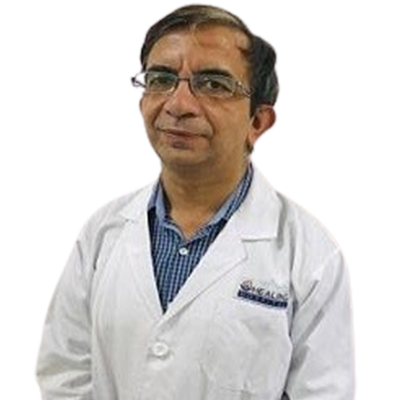
Dr. Guru Dutt Sharma is a Consultant Anaesthesiologist at Healing Hospital, Chandigarh, with over 25 years of experience in anaesthesia, critical care, and perioperative medicine. He completed his MBBS and MD in Anesthesiology from IGMC, Shimla, and underwent Senior Residency training at GMCH and PGIMER, Chandigarh. He has extensive expertise in complex surgical anaesthesia, paediatric anaesthesia, pain management, and critical care.
Doctors Available
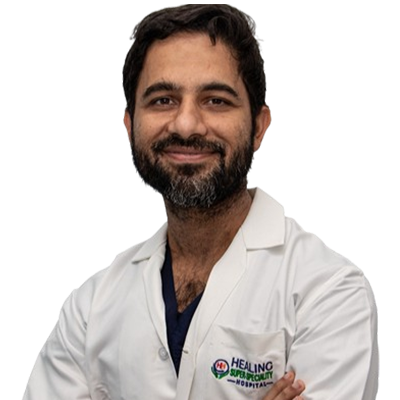

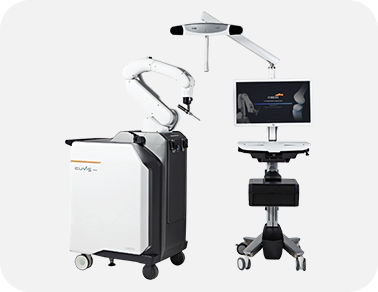
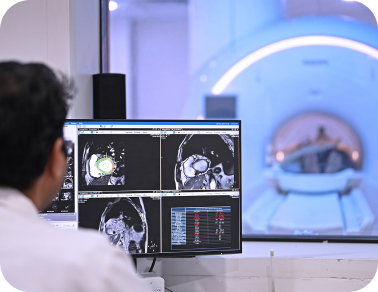
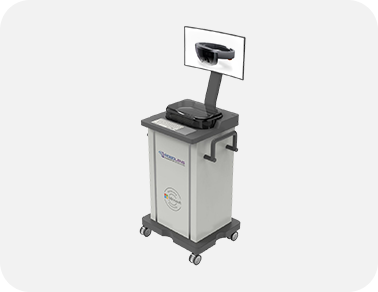
Equipped with state-of-art diagnostic and treatment technologies to ensure the best outcomes for our patients





Patient Stories
At Healing Hospital, expert anaesthesia and critical care make the difference between routine recovery and life-saving intervention. Here are real stories where our team's expertise ensured optimal outcomes.
Frequently Asked Questions (FAQs)
Which is the best hospital in Chandigarh providing anaesthesia services?
Healing Hospital provides excellence in anaesthesia services and is equipped with an expert team of anaesthesiologists managing over 50,000 anaesthesia cases annually across all surgical specialties with advanced monitoring technology, 24/7 emergency coverage, and comprehensive post-operative pain management ensuring optimal safety and outcomes.
Is anaesthesia safe? What are the risks?
Modern anaesthesia is very safe when administered by expert anaesthesiologists with appropriate monitoring, with serious complications rare (less than 1 in 10,000-100,000 cases). Common minor side effects like nausea, sore throat, and drowsiness usually resolve within 24-48 hours.
What types of anaesthesia do you provide?
We provide all anaesthetic modalities including general anaesthesia, spinal anaesthesia, epidural anaesthesia, regional anaesthesia with nerve blocks, monitored sedation, pediatric anaesthesia, obstetric anaesthesia, cardiac anaesthesia, and neurosurgical anaesthesia. Choice depends on surgery type, patient condition, and anaesthesiologist recommendation after discussion.
How do you manage pain after surgery?
We provide comprehensive multimodal pain management combining medications targeting different pain pathways, Patient-Controlled Analgesia (PCA), continuous epidural analgesia for major surgeries, and peripheral nerve blocks. Our goal is ensuring comfort whilst minimizing opioid requirements and enabling faster recovery.
Do you provide painless delivery (labor epidural)?
Yes, labor epidural is available 24/7 at Healing Hospital providing 90-95% pain relief whilst maintaining ability to push effectively. The process takes 10-15 minutes with pain relief beginning within 15-20 minutes, allowing the mother to remain alert and immediately bond with the baby after birth.
Do you have 24/7 anaesthesia coverage for emergency surgery?
Yes, we maintain round-the-clock in-house anaesthesia coverage ensuring immediate availability for emergency cesarean sections, trauma surgery, and any emergency surgery day or night. Unlike hospitals relying on on-call anaesthesiologists, our team provides immediate response without delays.
What happens during pre-anaesthetic evaluation?
Pre-anaesthetic evaluation includes medical history review, physical examination with airway assessment, laboratory tests, risk assessment using ASA classification, optimization of medical conditions, patient counselling about anaesthesia plan, and informed consent. This thorough evaluation identifies problems before surgery and plans the safest anaesthetic approach.
How much do anaesthesia services cost?
Anaesthesia costs are typically included in surgical package pricing covering surgeon fees, anaesthesia fees, hospital charges, and medications. Cost varies based on anaesthesia type, surgery duration, patient risk level, and post-operative pain management requirements-contact hospital for detailed transparent pricing with no surprise bills.
Blog
World Patient Safety Day 2026: Importance, Theme & Awareness
World Physiotherapy Day 2026: A Complete Guide to the Date, Theme and Recovery

National Eye Donation Fortnight: Importance, Eligibility, Process & Awareness

World Mosquito Day: Malaria, Mosquito-Borne Diseases, Symptoms & Prevention

World Organ Donation Day: Importance, Eligibility, Process & Awareness

Loose Motion Home Remedies: What to Eat and How to Stop Diarrhea Naturally

Sleep Apnea: Symptoms, Causes, Diagnosis & Treatment Options

SGPT Normal Range: When High SGPT Levels Need Medical Attention

Pregnancy Diet Chart: What to Eat During Pregnancy for a Healthy Baby