At Healing Hospital, we understand that gallbladder stones cause severe pain, digestive problems, and significantly impact your quality of life, requiring expert surgical care for permanent relief. That’s why our Department of General & Laparoscopic Surgery, led by Our Experts offers advanced laparoscopic cholecystectomy—a minimally invasive gallbladder removal surgery that ensures faster recovery, less pain, minimal scarring, and quicker return to normal life compared to traditional open surgery.
We serve patients across Chandigarh, Mohali, Panchkula, and surrounding regions with comprehensive laparoscopic gallbladder surgery including single-incision laparoscopic cholecystectomy, conventional laparoscopic cholecystectomy, and open cholecystectomy when medically necessary. With over 5,000 successful laparoscopic gallbladder stone surgeries performed and 98% complication-free outcomes, our experienced surgical team provides proven expertise in advanced minimally invasive techniques ensuring optimal results with patient safety as our highest priority.
If you are searching for “best gallbladder stone surgery in Chandigarh,” “laparoscopic cholecystectomy near me,” “gallstone removal surgery,” or “keyhole gallbladder surgery specialist,” you have found a center where advanced surgical expertise meets state-of-the-art laparoscopic technology and compassionate patient care.

What is Gallbladder Stone Surgery?
Laparoscopic cholecystectomy is a minimally invasive surgical procedure to remove the gallbladder along with stones through small (5-10mm) incisions in the abdomen using a laparoscope and specialized instruments. Unlike traditional open gallbladder surgery requiring a large abdominal incision, laparoscopic approach uses keyhole surgery techniques—inserting camera and instruments through tiny punctures, removing gallbladder while viewing magnified images on high-definition monitors, providing permanent relief from gallstone symptoms.
Schedule Your Appointment with
Our Expert Doctors
We are dedicated to driving lasting, positive transformation in healthcare management through innovation and patient-centered solutions.
What are the Types of Gallbladder Stone Surgery?
Laparoscopic Cholecystectomy (Keyhole Surgery)
Standard minimally invasive approach using 3-4 small incisions, preferred method for most patients requiring gallbladder removal.
Single-Incision Laparoscopic Surgery (SILS)
Advanced technique using single incision at umbilicus, offering even better cosmetic results with nearly invisible scar.
Open Cholecystectomy
Traditional surgery through larger abdominal incision, reserved for complicated cases, severe inflammation, or when laparoscopic approach unsafe.
Who Should Consider Gallbladder Stone Surgery?
Gallbladder stone removal surgery is recommended for:
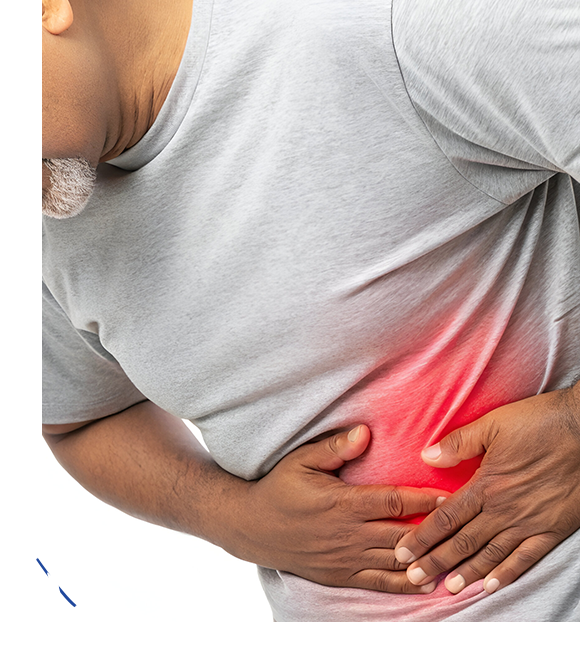
- Symptomatic gallstones, causing repeated episodes of severe abdominal pain
- Acute or chronic cholecystitis, inflamed gallbladder with associated fever or severe pain
- Biliary obstruction, stones blocking bile duct causing jaundice, dark urine, or pale stools
- Gallstone pancreatitis, stones blocking pancreatic duct
- Gallbladder polyps, larger than 1cm with risk of malignancy
- Porcelain gallbladder, calcified gallbladder wall with increased cancer risk
What Happens Before, During, and After Gallbladder Stone Surgery?
Before Surgery
Pre-Operative Evaluation
Complete health assessment with ultrasound abdomen confirming gallstones, blood tests checking liver function and infection markers, ECG evaluating heart fitness for surgery, and anaesthesia consultation discussing medical history and any concerns.
Preparation
Fast for 8-12 hours before surgery ensuring empty stomach for safe anaesthesia, stop blood thinners as advised preventing excessive bleeding, hospital admission as instructed.
During Surgery (30-45 minutes)
Anaesthesia
General anaesthesia puts you completely to sleep with a breathing tube ensuring pain-free surgery and safe airway management throughout the procedure.
Port Placement
The surgeon makes 3-4 tiny incisions (5-10mm) in abdomen, inserting specialized ports for camera and instruments while carbon dioxide gas creates working space.
Visualization
HD laparoscope is inserted through umbilical port displaying magnified, crystal-clear view of gallbladder and surrounding bile ducts on large monitors.
Gallbladder Removal
Detached gallbladder containing stones carefully removed through umbilical port using extraction bag, specimen sent to laboratory for examination.
After Surgery
Recovery Room (1-2 hours)
Wake up from anaesthesia in the recovery area with nurses monitoring vital signs, managing any nausea or pain with medications, and breathing tube is removed once fully awake.
Hospital Stay (2-3 days)
Transfer to a comfortable room where you will walk the same evening, start liquid diet progressing to solid food next day, manage pain with tablets, and discharge once eating well and comfortably.
Recovery at Home
Rest for first 3-5 days avoiding strenuous activities, gradually increase activity with short walks, resume desk work in 1-2 weeks, avoid heavy lifting for 3-4 weeks.
What are the Recovery & Success Factors ?
Same-Evening Mobilization Protocol
You will walk within 4-6 hours after surgery, significantly reducing blood clot risk and speeding recovery. Our enhanced recovery pathway gets you eating solid food by the next morning.
Pain-Free Recovery Within Days
You will get only mild discomfort, easily managed with regular painkillers. Most patients stop all pain medications within 3-5 days and report feeling "back to normal" within a week.
No Dietary Restrictions Long-Term
While you will start with light foods initially, within 3-4 weeks most patients eat everything they enjoyed before—no permanent diet changes needed.
Why Choose Healing Hospital in Chandigarh for Gallbladder Stone Surgery (Cholecystectomy)?

Advanced Laparoscopic Technology with HD Visualization : We utilize state-of-the-art high-definition laparoscopic camera systems providing 10x magnification with crystal-clear visualization, enabling precise identification of bile ducts and blood vessels preventing injuries. Our modular operation theaters maintain a sterile environment, reducing the infection risk significantly.

Same-Day Mobilization & Faster Recovery Protocol : Our proven enhanced recovery protocol gets you walking the same evening after surgery, discharged in 2-3 days with minimal pain, and resuming normal diet within 3-4 weeks. This approach reduces complications, speeds healing, and gets you back to normal life in just 1-2 weeks—half the recovery time of open surgery.

Proven Track Record with Consistent Results : Our 98% complication-free success rate across 5,000+ surgeries is not luck—it is in fact a systematic excellence. Dr. Kumar Abhishek’s fellowship training and refined technique ensures minimal pain, quick healing, and permanent relief from gallstone symptoms.
What are the Advantages of Laparoscopic Gallbladder Stone Surgery?
- Minimal scarring
- Less post-operative pain
- Faster recovery
- Shorter hospital stay
- Quicker return to normal diet
- Same-day mobilization
- Better visualization
- Lower infection risk
- Excellent cosmetic results
What are the Potential Risks & Complications?
Bleeding
Intra-operative or post-operative hemorrhage requiring transfusion (rare <2%), controlled through careful surgical technique and hemostasis.
Bile Leak
Bile leakage from cystic duct or liver bed (1-2%), usually managed conservatively with drainage, rarely requiring repeat intervention.
Bile Duct Injury
Rare (<0.5%) injury to common bile duct requiring immediate repair or subsequent reconstruction, prevented through careful anatomy identification.
Retained Stones
Occasionally stones remain in bile duct requiring subsequent ERCP (endoscopic removal) or additional procedures.
Infection
Surgical site infection, wound infection, or intra-abdominal abscess (2-3%), managed with antibiotics and drainage when necessary.
Anaesthesia Complications
General anaesthesia risks including allergic reactions, breathing difficulties, or cardiovascular events (rare with modern anaesthesia).
Reviewed By

Blog

World Patient Safety Day 2026: Importance, Theme & Awareness
World Physiotherapy Day 2026: A Complete Guide to the Date, Theme and Recovery

National Eye Donation Fortnight: Importance, Eligibility, Process & Awareness

World Mosquito Day: Malaria, Mosquito-Borne Diseases, Symptoms & Prevention

World Organ Donation Day: Importance, Eligibility, Process & Awareness

Loose Motion Home Remedies: What to Eat and How to Stop Diarrhea Naturally

Sleep Apnea: Symptoms, Causes, Diagnosis & Treatment Options

SGPT Normal Range: When High SGPT Levels Need Medical Attention

Pregnancy Diet Chart: What to Eat During Pregnancy for a Healthy Baby
How to Reduce Belly Fat Without Crash Diets: Diet, Exercise & Lifestyle Tips
Frequently Asked Questions (FAQs)
Why choose laparoscopic over open gallbladder surgery?
Laparoscopic offers minimal scarring, less pain, faster recovery (1-2 weeks vs 4-6 weeks), shorter hospital stay, lower infection risk, and quicker return to normal life with equivalent surgical outcomes.
What is the recovery time after laparoscopic gallbladder stone surgery?
Most patients return to light activities within 1 week and resume normal work by 1-2 weeks. Full recovery takes 3-4 weeks, significantly faster than open surgery requiring 6-8 weeks.
How much does gallbladder stone surgery cost in Chandigarh?
Cost varies based on surgical approach (laparoscopic vs open), hospital stay duration, and any complications. Contact us at +91-7657848192 for detailed pricing information.
Will I have visible scars after surgery?
No. The Laparoscopic approach uses 3-4 tiny incisions (5-10mm) that heal to barely visible scars, unlike traditional surgery’s 10-15cm abdominal scar with excellent cosmetic outcome.
Can I live normally without a gallbladder?
Yes, absolutely. Gallbladder is not essential for digestion. Most people live completely normal lives without dietary restrictions after recovery period, bile flows directly from liver to intestine.
What if I don't remove gallstones - can they pass naturally?
Gallstones rarely pass naturally and typically cause recurrent symptoms, complications like pancreatitis, bile duct obstruction, or gallbladder inflammation. Surgery provides a permanent, definitive solution preventing future complications.
What diet should I follow after gallbladder removal?
Start with a light, low-fat diet initially, gradually returning to a normal diet over 2-3 weeks. Most patients tolerate all foods eventually, though some temporarily avoid very fatty or spicy foods.
How do I schedule gallbladder stone surgery consultation?
Contact our appointment desk at +91-7657848192 to schedule consultation with Dr. Kumar Abhishek. Bring relevant medical records, ultrasound reports, and previous treatment history for comprehensive evaluation.