Silent Fatty Liver Symptoms That Can Affect Your Health
Millions of people are walking around with a condition they know nothing about. Fatty liver disease quietly builds inside the body – often without pain, without obvious warning signs, and without triggering alarm bells until significant damage has already occurred. Understanding fatty liver symptoms early is one of the most important steps you can take to protect your long-term health.
What Is A Fatty Liver Disease?
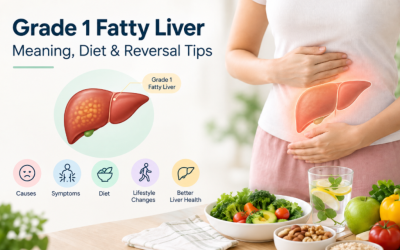
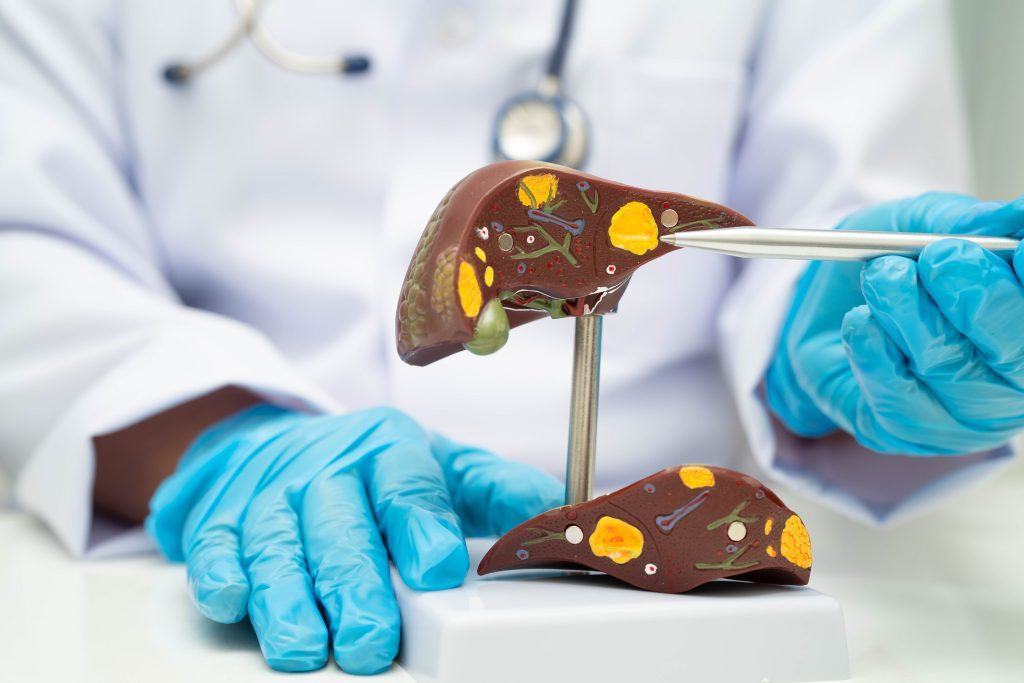
Fatty liver (medically called hepatic steatosis) is a condition where excess fat accumulates in liver cells.
There are two common types:
- Alcohol-related liver disease (ARLD)– caused by heavy or chronic alcohol use
- Metabolic dysfunction-associated steatotic liver disease (MASLD)– occurring in people who drink little or no alcohol, often linked to obesity, type 2 diabetes, high cholesterol, or metabolic syndrome
MASLD is now the most common liver disorder worldwide, affecting roughly 25% of the global population. What makes it especially dangerous is how silently it progresses – which is precisely why knowing fatty liver disease symptoms can be life-saving.
Why Fatty Liver Is Called “Silent”
The liver has no pain receptors. It cannot signal distress the way a sore muscle or injured joint can. This means fatty liver symptoms are often vague, easy to dismiss, or mistakenly attributed to other causes like fatigue or stress.
By the time many people receive a diagnosis, the condition has already advanced from simple fat accumulation to metabolic-associated steatohepatitis (MASH) – a more aggressive, inflammatory stage – or even early-stage fibrosis (scarring).
Early Symptoms of Fatty Liver: What to Watch For
Recognizing the early symptoms of fatty liver gives you the best chance to reverse the condition before it escalates.
1. Persistent, Unexplained Fatigue
One of the earliest and most commonly overlooked early symptoms of fatty liver is a deep, persistent tiredness that doesn’t improve with rest. The liver plays a central role in energy metabolism. When it’s burdened with excess fat, its efficiency declines – leaving you feeling sluggish throughout the day even after a full night’s sleep.
2. Upper Right Abdominal Discomfort
A dull ache, pressure, or sense of fullness under the right rib cage area. The liver sits in this region, and when it becomes enlarged due to fat accumulation, it can create mild but noticeable discomfort. Many people describe it as a “heaviness” rather than sharp pain – which is why it often goes unreported.
3. Unexplained Weight Gain – Especially Around the Abdomen
Visceral fat (belly fat) and fatty liver share a bidirectional relationship. Excess abdominal fat increases the risk of fat depositing in the liver, and a struggling liver makes it harder to metabolize fat efficiently.
4. Digestive Issues and Bloating
Nausea, bloating, loss of appetite, and a general sense of digestive unease are among the subtler fatty liver disease symptoms. The liver produces bile, which aids fat digestion. When liver function is compromised, digestion – particularly of fatty foods – becomes sluggish and uncomfortable.
5. Elevated Liver Enzymes on Blood Tests
Many people discover fatty liver not through symptoms at all, but through routine blood work showing elevated ALT (alanine aminotransferase) or AST (aspartate aminotransferase) levels. These are enzymes released when liver cells are inflamed or damaged.
Who Is at Risk?
Following conditions increase the risk for Fatty liver disease:
- Obesity or uncontrolled body weight
- Type 2 diabetes or insulin resistance
- High triglycerides or low HDL cholesterol
- Slow metabolism
- Rapid weight loss (can paradoxically trigger fat release into the liver)
- Certain medications – corticosteroids, tamoxifen, methotrexate, some antiviral drugs
- Genetic factors – variants in genes like PNPLA3 and TM6SF2 increase susceptibility
- Gut microbiome imbalances
- Hypothyroidism
How Is Fatty Liver Diagnosed?
Diagnosis typically involves:
- Blood tests – Checking liver enzymes (ALT, AST), bilirubin, albumin, and platelet count
- Imaging – Ultrasound is the most common first-line imaging
- FibroScan (transient elastography) – Measures liver stiffness to assess fibrosis without biopsy
- Liver biopsy – The definitive diagnostic tool, reserved for cases where the degree of inflammation or fibrosis needs to be confirmed precisely
When to See a Doctor ?
You must consult a gastroenterologist in case of:
- Persistent fatigue
- Recurring discomfort or pressure in the upper right abdomen
- Unexplained weight gain, especially abdominal
- Blood tests showing elevated ALT or AST
- A combination of risk factors (obesity, diabetes, high cholesterol, family history)
Early detection transforms the prognosis. What begins as simple fat accumulation – entirely reversible – can become MASH and eventually cirrhosis if left untreated for years.
Key Takeaways – Healing Hospital’s Piece of Advice
Fatty liver symptoms are easy to overlook precisely because they begin so quietly. Recognizing the early symptoms of fatty liver – fatigue, mild right-side discomfort, digestive unease, and elevated enzymes – can prompt intervention while the liver still has enormous capacity to heal.
Whether you’re exploring fatty liver symptoms in females linked to hormonal changes, fatty liver symptoms in males connected to metabolic syndrome, or simply want to understand fatty liver disease symptoms more broadly, the underlying message is the same: the liver rarely shouts. Learn to hear its whispers.
With the right approach to fatty liver treatment – starting with dietary improvements, regular exercise, and medical monitoring – most people with early-stage fatty liver can significantly slow, halt, or reverse the condition before it causes lasting harm.
Frequently Asked Questions
Q1. Can one have fatty liver disease with no symptoms at all?
Yes – and this is what makes it so dangerous. The majority of people with early-stage fatty liver have absolutely no noticeable symptoms. The liver has no pain receptors, so fat accumulation happens silently for years. Most people discover it incidentally through routine blood tests or an abdominal ultrasound done for an unrelated reason.
Q2. What are the first signs that something may be wrong with your liver?
The earliest fatty liver symptoms are often subtle: persistent fatigue that doesn’t improve with rest, a vague heaviness or dull ache under the right rib cage, mild bloating after meals, and unexplained weight gain around the abdomen. Elevated ALT or AST levels on a routine blood panel is frequently the first concrete clue.
Q3. Are fatty liver symptoms different in females vs. males?
Yes, there are notable differences. Fatty liver symptoms in females are often linked to hormonal changes – especially after menopause when estrogen protection fades – and conditions like PCOS. Fatty liver symptoms in males tend to appear earlier (30s–40s), are more closely tied to visceral fat and metabolic syndrome, and can include hormonal changes like reduced testosterone or gynecomastia in advanced stages.
Q4. Can fatty liver be reversed completely?
In its early stages, yes – fatty liver is largely reversible. With sustained lifestyle changes (weight loss of at least 10%, a balanced diet, and regular exercise), many people see measurable reductions in liver fat within weeks to months. The liver is a highly regenerative organ. However, once significant fibrosis (scarring) or cirrhosis develops, complete reversal becomes more difficult, making early detection critical.
Q5. What foods are the worst for fatty liver?
The biggest dietary culprits are refined sugars and high-fructose corn syrup (found in soft drinks and packaged sweets), white bread and refined carbohydrates, ultra-processed and fast foods, trans fats, and excessive alcohol – even in people without alcoholic liver disease. Reducing these foods is a cornerstone of fatty liver treatment.
Q6. How is fatty liver diagnosed – does it always require a biopsy?
No, a biopsy is not always necessary. Most cases are initially detected through blood tests (elevated liver enzymes) and confirmed with a liver ultrasound. FibroScan (transient elastography) is a non-invasive test increasingly used to assess liver stiffness and estimate fibrosis without a needle. Liver biopsy is reserved for cases where more precise staging of inflammation or scarring is needed.
Q7. Can thin or normal-weight people develop fatty liver?
Yes. While obesity is the most common risk factor, roughly 10–20% of MASLD cases occur in people with a normal BMI – sometimes called “MASLD.” These individuals often have metabolic risk factors like insulin resistance, high triglycerides, or a genetic predisposition (particularly variants in the PNPLA3 gene), even without being overweight.
Q8. What is the best diet for fatty liver?
The Mediterranean diet is consistently supported by research as the most effective dietary pattern for reducing liver fat. It emphasizes vegetables, fruits, whole grains, legumes, olive oil, fish, and nuts – while minimizing red meat, processed foods, and added sugars. Reducing fructose intake specifically has been shown to directly lower liver fat synthesis.
Q10. How can I book an appointment with a liver specialist at Healing Hospital?
If you have persistent unexplained fatigue, recurring discomfort in the upper right abdomen, unexplained weight gain (especially abdominal), or blood tests showing elevated liver enzymes, you may contact our helpline at +91-9464343434 or walk-in for an appointment with our experts.