World Lung Cancer Day 2026: Early Detection Can Save Lives
Lung cancer is one of the leading causes of cancer-related deaths worldwide. It has been claiming more lives each year than breast, colon, and liver cancers combined. Many people still believe it affects only smokers. In reality, lung cancer can also develop in non-smokers due to factors such as air pollution, second-hand smoke, occupational exposures, genetic predisposition, and certain underlying lung diseases.
One of the biggest challenges is that lung cancer often does not cause noticeable symptoms in its early stages. By the time persistent cough, chest pain, breathlessness, or coughing up blood develops, the disease may already be advanced. This is why awareness, timely screening for high-risk individuals, and early medical evaluation are so important.
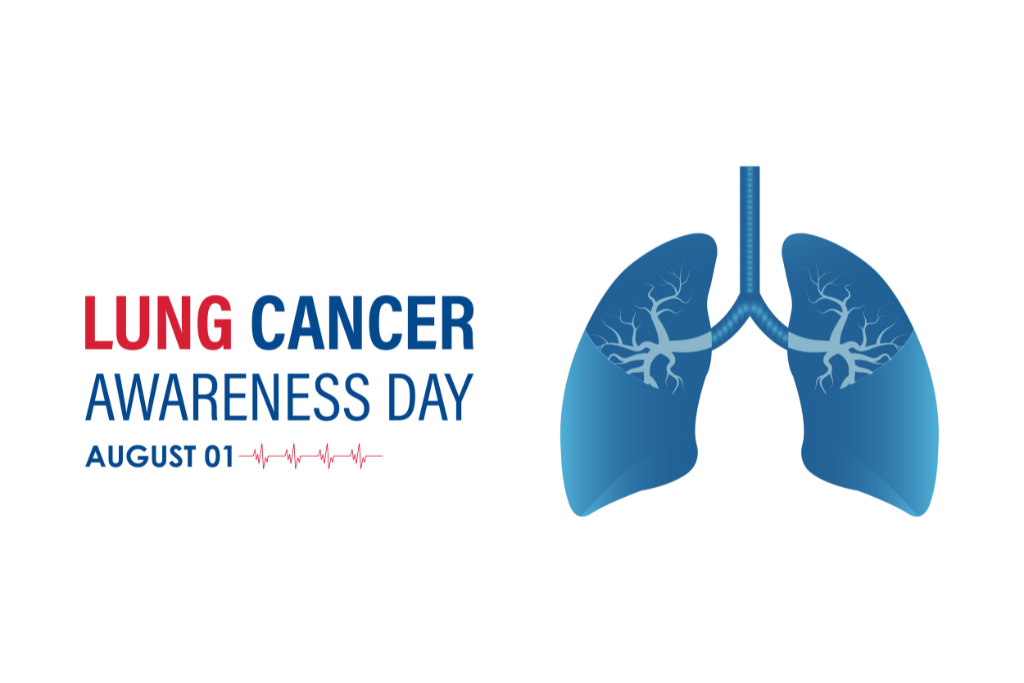
Observed every year on 1st August, World Lung Cancer Day aims to raise public awareness of lung cancer, encourage early diagnosis, reduce the stigma associated with the disease, and improve access to timely treatment. The campaign reminds us that early detection can significantly improve treatment outcomes and survival.
In this guide, you will learn about the history and significance of World Lung Cancer Day, the common causes and symptoms of lung cancer, who is at risk, the latest diagnostic and treatment options, and how the Pulmonology Department at Healing Hospital, Chandigarh can help with comprehensive lung cancer screening, diagnosis, and treatment.
Quick Facts
|
Topic |
Details |
|
World Lung Cancer Day |
1st August every year |
|
Observed Since |
2012 |
|
Initiated By |
Forum of International Respiratory Societies (FIRS), International Association for the Study of Lung Cancer (IASLC), and the American College of Chest Physicians (CHEST) |
|
Awareness Ribbon |
White (Pearl) |
|
Global Burden |
Around 2.5 million new cases and approximately 1.8 million deaths each year, making it the leading cause of cancer-related mortality worldwide |
|
India |
Lung cancer is among the leading cancers in the country, with over 1 lakh new cases reported annually, and the burden continues to rise due to tobacco use, air pollution, and increasing cases among non-smokers. |
The History and Significance of World Lung Cancer Day
When Is World Lung Cancer Day Observed?
World Lung Cancer Day is observed every year on 1st August to raise awareness about one of the world’s deadliest cancers. The day brings together healthcare professionals, hospitals, researchers, patient advocacy groups, and public health organizations to educate people about lung cancer prevention, early detection, timely diagnosis, and advances in treatment.
The key message behind the observance is simple: recognizing symptoms early and seeking medical care promptly can significantly improve treatment outcomes and save lives.
Who Started World Lung Cancer Day?
World Lung Cancer Day was established in 2012 through a joint initiative by the Forum of International Respiratory Societies (FIRS), the International Association for the Study of Lung Cancer (IASLC), and the American College of Chest Physicians (CHEST).
The initiative was launched to address an important public health challenge. Although lung cancer is the leading cause of cancer-related deaths worldwide, awarenessabout its risk factors, symptoms, and the importance of early screening remained relatively low. The campaign continues to encourage people to recognise warning signs early, reduce stigma associated with the disease, and improve access to timely diagnosis and treatment.
World Lung Cancer Day 2026 Theme
At the time of writing, the official theme for World Lung Cancer Day 2026 has not yet been announced by the organizing bodies.
In previous years, the campaign has focused on improving awareness, encouraging early detection, reducing healthcare disparities, and supporting people living with lung cancer. Regardless of the annual theme, the core message remains consistent: early diagnosis, timely treatment, and equal access to quality cancer care can help improve survival and quality of life.
Previous World Lung Cancer Day Themes
|
Year |
Theme |
|
2025 |
Breaking Barriers: Championing Early Detection and Equal Care |
|
2024 |
Stronger Together: United for Lung Cancer Awareness |
|
2022–2023 |
A Breath of Prevention is Better than Expectation in Long-Term Survival |
|
2021 |
Care for Your Lungs |
World Lung Cancer Day vs World Cancer Day vs World Lung Day
These three global health observances have different objectives and are often confused with one another:
|
Awareness Day |
Date |
Purpose |
|
World Lung Cancer Day |
1 August |
Raises awareness about lung cancer, its risk factors, early symptoms, screening, diagnosis, treatment, and patient support. |
|
World Cancer Day |
4 February |
Focuses on preventing, detecting, and treating all types of cancer while promoting equitable access to cancer care worldwide. |
|
World Lung Day |
25 September |
Promotes overall lung health and raises awareness about respiratory diseases such as asthma, COPD, pneumonia, tuberculosis, air pollution, and lung cancer. |
Air Pollution and Stubble Burning in North India
Living in Chandigarh, Punjab, Haryana, or the Delhi-NCR region means your lungs are exposed to more than just everyday pollution. During the post-harvest season, stubble burning significantly increases levels of fine particulate matter (PM2.5), which can penetrate deep into the lungs. Long-term exposure to these pollutants has been linked to chronic respiratory diseases and an increased risk of lung cancer.
Research has shown that seasonal crop residue burning contributes substantially to air pollution across North India. In addition, prolonged exposure to polluted air, vehicle emissions, industrial smoke, and indoor biomass fuel can damage lung tissue over time, even in people who have never smoked.
While smoking remains the leading cause of lung cancer, air pollution is now recognized as an important independent risk factor. If you have persistent cough, breathlessness, or other respiratory symptoms, and if you live in a high-pollution area, consult a pulmonologist near youwithout delay. Early evaluation can help detect lung conditions before they become advanced.
What Causes Lung Cancer?
Lung cancer develops when cells in the lungs grow abnormally and multiply uncontrollably. Although smoking remains the leading cause, it is not the only one. A significant number of people diagnosed with lung cancer have never smoked. Understanding the risk factors can help you take preventive measures and recognise when screening may be appropriate.
Some of the most common risk factors include:
- Smoking and tobacco use: Cigarettes, bidis, cigars, and other tobacco products are the leading cause of lung cancer.
- Second-hand smoke: Regular exposure to tobacco smoke at home, work, or in public places can also increase the risk of lung cancer, even in non-smokers.
- Air pollution: Long-term exposure to outdoor air pollution, vehicle emissions, industrial smoke, and indoor smoke from biomass fuels used for cooking can damage the lungs over time.
- Occupational exposure: People working around asbestos, silica dust, radon gas, diesel exhaust, arsenic, or certain industrial chemicals may have a higher risk of developing lung cancer.
- Family history: Having a close family member with lung cancer may slightly increase your risk, particularly when combined with other risk factors.
- Age and existing lung disease: Lung cancer is more common after the age of 50. People with chronic lung conditions such as COPD, pulmonary fibrosis, or a history of chest radiation may also be at increased risk.
While not everyone with these risk factors will develop lung cancer, reducing tobacco exposure, limiting contact with harmful pollutants, and seeking regular medical check-ups can help lower your risk.
Early Signs and Symptoms of Lung Cancer
Lung cancer often develops silently during its early stages, which is why many cases are diagnosed only after the disease has progressed. However, recognizing the warning signs early and seeking prompt medical evaluation can improve the chances of timely diagnosis and treatment.
Some of the common lung cancer symptoms include:
- A persistent cough that lasts longer than three weeks or gradually worsens
- Chest pain that increases while coughing, laughing, or taking deep breaths
- Coughing up blood or blood-stained mucus
- Shortness of breath or difficulty breathing during routine activities
- Wheezing or noisy breathing
- Persistent hoarseness or changes in your voice
- Repeated chest infections such as bronchitis or pneumonia
- Unexplained weight loss or loss of appetite
- Ongoing fatigue or weakness
If the cancer spreads to other parts of the body, additional symptoms such as bone pain, headaches, dizziness, or neurological symptoms may develop.
Note: It is important to remember that these symptoms do not always indicate lung cancer. They may also occur with infections, asthma, or other respiratory conditions. However, if any of these symptoms persist for more than a few weeks, recur frequently, or occur in someone with known risk factors such as smoking or long-term exposure to air pollution, it is important to consult a pulmonologistnear you without delay.
How Is Lung Cancer Diagnosed?
Early diagnosis plays a vital role in improving lung cancer treatment outcomes. If you have persistent symptoms or are at high risk, your doctor may recommend screening or further tests to detect the disease at an early stage.
Who Should Get Screened for Lung Cancer?
Lung cancer screening is not recommended for everyone. It is generally advised for people who have a higher risk of developing the disease.
Your doctor may recommend an annual Low-Dose Computed Tomography (LDCT) scan if you:
- Are 50 to 80 years of age
- Currently smoke or have quit smoking within the past 15 years
- Have a 20-pack-year or greater smoking history (for example, smoking one pack of cigarettes a day for 20 years)
People with long-term exposure to asbestos, radon, industrial chemicals, or a strong family history of lung cancer may also benefit from screening.
Tests Used to Diagnose Lung Cancer
If your symptoms or screening results suggest a possible lung abnormality, your pulmonologist may recommend one or more of the following investigations:
- Chest X-ray: Often the first imaging test performed to detect abnormalities in the lungs. However, very small tumours may not be visible on an X-ray.
- CT Scan: Provides detailed cross-sectional images of the lungs and can identify smaller nodules or suspicious growths that may not appear on a standard X-ray.
- PET-CT Scan: Helps determine whether the cancer has spread to nearby lymph nodes or other organs.
- Bronchoscopy or CT-guided Biopsy: A small tissue sample is collected from the suspicious area and examined under a microscope. A biopsy is the only way to confirm a diagnosis of lung cancer.
- Molecular and Biomarker Testing: If lung cancer is confirmed, the tumour may be tested for specific genetic alterations such as EGFR, ALK, ROS1, KRAS, and other biomarkers. These results help doctors decide whether targeted therapy or immunotherapy may be suitable.
Lung Cancer Treatment Options
Lung cancer treatment depends on several factors, including the type of lung cancer, its stage, the patient’s overall health, and the presence of specific genetic mutations. Treatment is often planned by a multidisciplinary team to provide the most effective, personalised care.
Surgery
Surgery is usually the preferred treatment for early-stage lung cancer when the tumour is confined to the lung. Depending on its size and location, the surgeon may remove a small portion of the lung (wedge resection), an entire lobe (lobectomy), or, in selected cases, the entire lung (pneumonectomy). Many centres now offer minimally invasive and robotic-assisted surgery, which may reduce pain and shorten recovery time for suitable patients.
Radiation Therapy
Radiation therapy uses high-energy beams to destroy cancer cells. It may be used as the primary treatment when surgery is not possible, after surgery to eliminate remaining cancer cells, or to relieve symptoms in advanced stages of the disease.
Chemotherapy
Chemotherapy uses medicines to kill rapidly growing cancer cells. It may be given before surgery to shrink a tumour, after surgery to reduce the risk of recurrence, or as the main treatment for advanced lung cancer. Chemotherapy is often combined with other treatment approaches.
Targeted Therapy
Some lung cancers carry specific genetic mutations that can be treated with targeted medicines. These drugs attack cancer cells with particular molecular changes while causing less damage to healthy cells than conventional chemotherapy. Targeted therapy is recommended only after molecular testing confirms a treatable genetic mutation.
Immunotherapy
Immunotherapy helps the body’s immune system recognise and attack cancer cells more effectively. It has significantly improved treatment outcomes for many patients with advanced non-small cell lung cancer (NSCLC) and selected cases of small cell lung cancer (SCLC). Your doctor will determine whether immunotherapy is suitable based on your tumour characteristics and overall health.
Multidisciplinary Cancer Care
The best outcomes are often achieved through a multidisciplinary approach, where pulmonologists, thoracic surgeons, medical oncologists, radiation oncologists, radiologists, pathologists, and other specialists work together to develop an individualized treatment plan. This collaborative approach ensures that every patient receives comprehensive, evidence-based care tailored to their specific condition.
How Can You Reduce Your Risk of Lung Cancer?
- Quit tobacco: Avoid cigarettes, bidis, hookah, and chewing tobacco. Quitting is the most effective way to reduce your risk.
- Avoid second-hand smoke: Stay away from tobacco smoke at home, work, and public places.
- Protect yourself from air pollution: Limit outdoor activity when AQI is poor and use a mask or air purifier if needed.
- Follow workplace safety measures: Wear protective equipment if exposed to asbestos, silica dust, diesel exhaust, or other harmful chemicals.
- Maintain a healthy lifestyle: Eat a balanced diet, exercise regularly, and maintain a healthy weight.
- Don’t ignore persistent symptoms: See a doctor if you have a cough lasting more than three weeks, breathlessness, or recurrent chest infections.
- Talk to your doctor about lung cancer screening: If you’re 50 or older with a significant smoking history or other risk factors, discuss a low-dose CT (LDCT) scan with your doctor.
Consult Our Pulmonology Team at Healing Hospital, Chandigarh
Early evaluation can make a significant difference in the diagnosis and management of lung cancer. At Healing Hospital in Chandigarh, our experienced Department of Pulmonology provides comprehensive care for patients with suspected or diagnosed lung cancer.
Our team offers thorough clinical evaluation, low-dose CT (LDCT) screening for eligible individuals, bronchoscopy, lung biopsy guidance, advanced diagnostic services, and personalized treatment planning. We also work closely with other specialists whenever required to ensure patients receive timely, coordinated care.
If you have persistent respiratory symptoms or are at high risk for lung cancer, don’t delay seeking medical advice.
Call:+91 91343 43436 to book an appointment.
Visit: www.healinghospital.co.in to learn more about our Pulmonology services or schedule your consultation.
Frequently Asked Questions (FAQs)
1. When is World Lung Cancer Day observed?
World Lung Cancer Day is observed every year on 1st August to raise awareness about lung cancer, encourage early detection, and educate people about reducing their risk through timely screening and healthy lifestyle choices.
2. Why is World Lung Cancer Day important?
Lung cancer is one of the leading causes of cancer-related deaths worldwide. World Lung Cancer Day encourages people to recognise early warning signs, understand risk factors, and seek medical advice before the disease reaches an advanced stage.
3. What are the early symptoms of lung cancer?
Early lung cancer may not cause any symptoms. When symptoms do appear, they may include a persistent cough lasting more than three weeks, coughing up blood, chest pain, shortness of breath, wheezing, hoarseness of voice, unexplained weight loss, or frequent chest infections. If these symptoms persist, consult a pulmonologist promptly.
4. Can non-smokers develop lung cancer?
Yes. Although smoking remains the biggest risk factor, lung cancer can also occur in people who have never smoked. Exposure to second-hand smoke, air pollution, radon gas, occupational chemicals, and certain genetic factors can also increase the risk.
5. Who should get screened for lung cancer?
People aged 50 to 80 years with a significant smoking history, current smokers, or those who quit within the last 15 years may benefit from annual low-dose CT (LDCT) screening. Your pulmonologist may also recommend screening if you have a strong family history or prolonged exposure to occupational hazards.
6. How is lung cancer diagnosed near me?
Depending on your symptoms and risk factors, your doctor may recommend a chest X-ray, CT scan, PET scan, bronchoscopy, or a biopsy. If lung cancer is confirmed, additional tests may be advised to determine its type and stage before treatment planning.
7. Can lung cancer be cured if detected early?
Yes. Lung cancer diagnosed in its early stages has a much better chance of successful treatment. Early diagnosis often allows more treatment options and can significantly improve survival rates.
8. How can I reduce my risk of lung cancer?
Avoid smoking and tobacco in every form, protect yourself from second-hand smoke, minimise exposure to air pollution and workplace hazards, stay physically active, eat a balanced diet, and consult your doctor if you have a persistent cough or other respiratory symptoms.
9. When should I consult a pulmonologist near me for a persistent cough?
If your cough lasts longer than three weeks, keeps returning, is associated with coughing up blood, chest pain, breathlessness, unexplained weight loss, or repeated chest infections, you should consult a pulmonologist without delay for a thorough evaluation.
10. Where can I consult a pulmonologist for lung cancer screening or evaluation near me?
If you have persistent respiratory symptoms or are at high risk for lung cancer, consult the experienced Pulmonology specialists at Healing Hospital, Chandigarh. Our team offers comprehensive respiratory evaluation, advanced diagnostic investigations, and personalized guidance for early detection and management of lung diseases, including suspected lung cancer.