Loose Motion Home Remedies: What to Eat and How to Stop Diarrhea Naturally
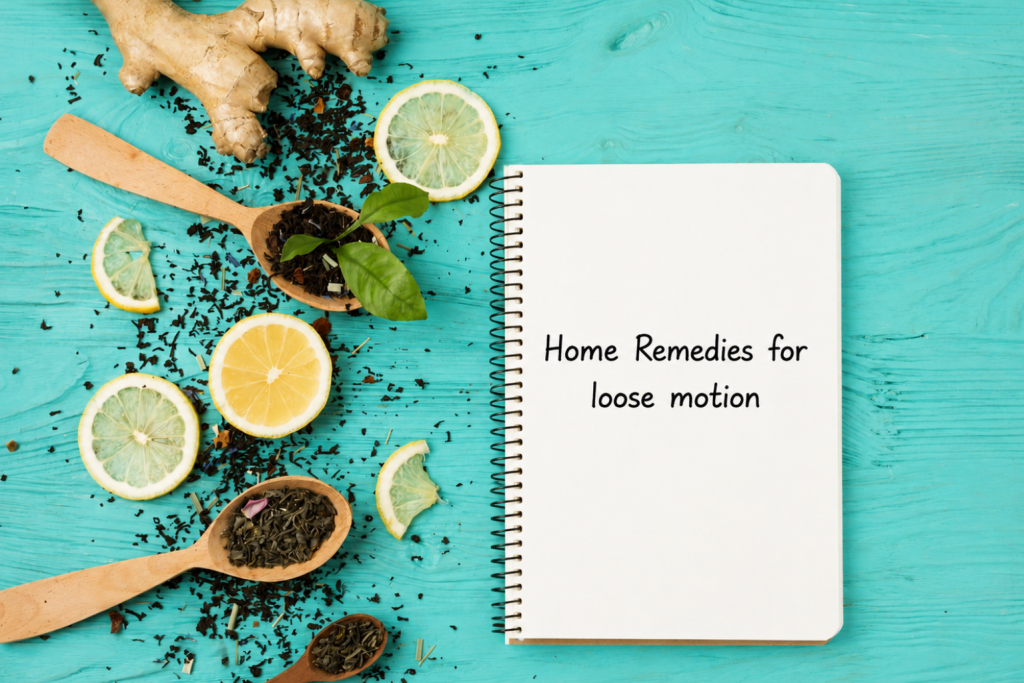
Loose motion, commonly referred to as diarrhea, can be uncomfortable and may lead to weakness, abdominal cramps and dehydration. For many mild cases, the immediate priority is replacing lost fluids and electrolytes while continuing to eat as tolerated.
Knowing what to eat in loose motion can make recovery more comfortable. Simple, easy-to-digest foods and adequate hydration may help you maintain energy while your digestive system settles. However, there is no single home remedy that can safely stop diarrhea in every case because the underlying cause matters.
If loose motion becomes persistent, recurrent or is accompanied by concerning symptoms, consulting a Gastroenterology specialist can help identify whether an underlying digestive condition requires evaluation.
What Are the Common Symptoms of Diarrhea?
Diarrhea generally involves loose or watery stools and may occur with other digestive symptoms. Depending on the cause, you may also experience abdominal cramps, nausea, vomiting or fever.
Some episodes are short-lived, while others can continue for several days. The main concern during frequent loose stools is dehydration, particularly when vomiting occurs at the same time.
Watch for symptoms such as increased thirst, dry mouth, reduced urination, dark urine, tiredness or dizziness, which can indicate dehydration.
Persistent changes in bowel habits, recurrent diarrhea, blood in the stool or ongoing abdominal discomfort may require assessment by a gastroenterologist rather than continued home treatment.
What to Eat in Loose Motion?
When deciding what to eat in loose motion, focus on foods that are relatively simple and easy to tolerate. You do not necessarily need to stop eating or follow an extremely restrictive diet.
The National Institute of Diabetes and Digestive and Kidney Diseases notes that bland foods such as bananas, plain rice, boiled potatoes, toast, crackers and cooked carrots may be suitable during diarrhea.
As your appetite returns, you can generally begin moving back towards your regular diet rather than continuing a highly restricted diet for an extended period.
1. Bananas
Bananas are commonly included among foods that may be easier to tolerate during diarrhea. They are soft and provide carbohydrates and potassium.
Choose a ripe banana and eat a small portion initially if your appetite is reduced.
2. Plain Rice
Plain rice is a simple carbohydrate that can be relatively easy to digest. Avoid making it heavily spiced, oily or fried when your stomach is unsettled.
Small portions can be eaten with other mild foods as your appetite improves.
3. Boiled Potatoes
Plain boiled potatoes can provide energy without adding the fat associated with fried preparations.
Keep them simple during recovery and avoid heavy sauces, excess butter or spicy preparations.
4. Toast and Crackers
Plain toast and crackers can be convenient options when you want something light. They may be particularly useful when your appetite is low.
Choose simple preparations rather than heavily seasoned, buttery or high-fat versions.
5. Cooked Vegetables
Soft, cooked vegetables such as carrots can be easier to tolerate than some raw or heavily seasoned vegetables during an episode of diarrhea.
Introduce them according to your appetite and individual tolerance.
ORS for Diarrhea: Why Hydration Matters
One of the most important parts of managing diarrhea is replacing the fluids and electrolytes lost through frequent stools. Drinking water is helpful, but oral rehydration solutions are specifically designed to replace fluids and important electrolytes.
ORS for diarrhea can be particularly important when stools are frequent or dehydration symptoms begin to appear. Follow the preparation and dosage instructions on the product rather than mixing an improvised solution with inaccurate proportions.
If vomiting makes drinking difficult, taking small, frequent sips may be easier to tolerate than drinking a large amount at once.
If dehydration becomes significant or you are unable to keep fluids down, home management may not be enough and medical evaluation should be sought.
Foods to Avoid During Loose Motion
Knowing which foods may aggravate symptoms can be just as useful as knowing what to eat in diarrhea.
Some people find that caffeine, high-fat foods, foods with large amounts of simple sugars and milk or dairy products make diarrhea worse. Temporary lactose intolerance can also occur after some gastrointestinal illnesses.
Avoid Very Fatty or Fried Foods
Fried foods, fast food and heavily oily meals may be harder to tolerate while your digestive system is unsettled.
Choose simpler preparations until your appetite and digestion improve.
Limit Caffeine
Coffee, strong tea and some caffeinated soft drinks can aggravate symptoms for some people.
If you are experiencing frequent loose stools, prioritise water and appropriate rehydration fluids instead.
Be Careful with Very Sugary Drinks
Drinks containing large amounts of simple sugars may worsen diarrhea in some people.
Choose appropriate oral rehydration fluids when electrolyte replacement is needed rather than relying on very sugary beverages.
Consider Limiting Dairy Temporarily
Some people have difficulty digesting lactose for a period after an episode of diarrhea. If milk or dairy appears to worsen your symptoms, discuss dietary changes with a healthcare professional.
Loose Motion Home Remedies: What Can Help?
For mild diarrhea, the most useful home-care measures focus on hydration, appropriate food and rest rather than trying multiple unproven remedies.
Stay Hydrated
Drink fluids regularly and replace electrolytes when needed. ORS can be particularly useful when diarrhea is significant or dehydration is a concern.
Eat Small, Comfortable Meals
You do not need to fast simply because you have diarrhea. Once you feel able to eat, choose foods that you tolerate and gradually return to your normal diet as your appetite improves.
Rest
Diarrhea can leave you tired, particularly when fluid losses are significant. Give your body time to recover and avoid strenuous activity if you feel weak or dehydrated.
Maintain Food Hygiene
If diarrhea may have been caused by contaminated food or water, pay close attention to food and hand hygiene. Safe food handling, proper cooking and clean drinking water can help reduce the risk of foodborne illness.
These precautions are especially useful while travelling or eating outside the home.
How to Stop Diarrhea Naturally?
There is no guaranteed natural remedy that immediately stops diarrhea because treatment depends on its cause.
For many mild cases, the focus should be on preventing dehydration, replacing electrolytes and eating foods you can tolerate. Most viral gastroenteritis cases can be managed with fluid and electrolyte replacement, while some infections or other medical conditions require specific treatment.
Avoid taking antibiotics without medical advice. Antibiotics do not treat viral infections and are not appropriate for every cause of diarrhea.
Similarly, anti-diarrheal medicines are not suitable in every situation. Adults with bloody diarrhea or fever should not self-treat with certain over-the-counter anti-diarrheal medicines without medical guidance.
If diarrhea keeps returning or is accompanied by ongoing abdominal pain, unexplained weight loss, blood in the stool or persistent changes in bowel habits, a consultation with agastroenterologist can help determine whether further evaluation is needed.
When Should You See a Doctor for Diarrhea?
Most mild episodes settle with appropriate hydration and supportive care, but certain symptoms require medical attention.
Seek medical care if diarrhea is severe, continues for several days, or is accompanied by significant dehydration, frequent vomiting, high fever, severe abdominal pain, blood or pus in the stool, or black, tarry stools.
Adults should also seek medical advice if they have six or more loose stools in a day, cannot drink enough fluids or ORS, or are not improving despite adequate hydration.
Older adults, pregnant people and individuals with weakened immunity or certain underlying health conditions may need medical attention sooner.
If you are unsure whether you need a specialist, a General Medicine specialist can provide an initial assessment and guide you to the appropriate department when required. Healing Hospital’s Internal Medicine department also lists diarrhea among digestive disorders it evaluates and manages.
For persistent or recurrent diarrhea, however, a gastroenterology evaluation may be more appropriate because the symptoms can sometimes be linked to an underlying digestive disorder.
Loose Motion Diet: A Simple Approach
A loose motion diet does not have to mean eating only one or two foods. The goal is to stay hydrated and gradually eat foods that your body can tolerate.
During the early stage
Prioritise fluids and ORS where appropriate. If you feel hungry, start with small portions of simple foods.
As symptoms improve
Add more foods gradually, including rice, potatoes, toast, bananas, cooked vegetables and other foods that you normally tolerate.
During recovery
Once your appetite returns and symptoms improve, you can generally move back towards your usual balanced diet rather than maintaining a highly restricted diet.
If symptoms do not improve as expected, dietary changes alone may not address the underlying cause. In such situations, consider speaking with a gastroenterology specialist.
What to Eat in Diarrhea: Quick Guide
| Choose more often | Consider limiting temporarily |
| ORS and appropriate fluids | Alcohol |
| Plain rice | Fried foods |
| Bananas | Very fatty meals |
| Boiled potatoes | Very sugary drinks |
| Toast | Caffeine |
| Crackers | Foods that personally worsen symptoms |
| Cooked carrots | Milk/dairy if it aggravates symptoms |
This is a general guide, not a substitute for individual medical advice. Dietary tolerance varies, and people with persistent or severe diarrhea should be assessed by a healthcare professional.
Can Loose Motion Be Prevented?
Some causes of diarrhea, particularly foodborne illness, can be reduced through careful food and water hygiene.
Wash your hands before preparing or eating food, keep raw foods separate from ready-to-eat foods, cook food thoroughly and refrigerate perishable foods promptly. Avoid untreated water and foods that may have been improperly stored or prepared.
These steps are especially important while travelling or eating outside the home.
Conclusion
Loose motion is often temporary, but frequent diarrhea can lead to dehydration and should not be ignored when symptoms become severe or persistent. Focus on adequate fluids and electrolytes, use ORS when appropriate, choose simple foods such as rice, bananas, potatoes and toast, and avoid foods that make your symptoms worse.
If diarrhea continues for several days, repeatedly returns or occurs with warning signs such as blood in the stool, severe abdominal pain, high fever, repeated vomiting or significant dehydration, seek professional medical advice.
For persistent or recurrent digestive symptoms, Healing Hospital’s Gastroenterology department provides specialist evaluation and care for a range of digestive conditions, including chronic diarrhea and other gastrointestinal concerns.
Frequently Asked Questions
1. What is the best food to eat in loose motion?
Simple foods such as plain rice, bananas, boiled potatoes, toast, crackers and cooked carrots may be easier to tolerate during diarrhea. Start with small portions and gradually increase your food intake as your appetite returns.
2. Is ORS good for diarrhea?
Yes. Oral rehydration solutions help replace fluids and electrolytes lost through diarrhea. They are particularly important when fluid losses are significant or dehydration is a concern. Follow the product’s preparation instructions carefully.
3. What should I avoid eating during diarrhea?
Foods that may worsen diarrhea for some people include fried or high-fat foods, caffeine, foods with large amounts of simple sugars and dairy products. Individual tolerance varies, so pay attention to foods that clearly aggravate your symptoms.
4. Can I eat bananas during loose motion?
Bananas are among the soft, bland foods commonly recommended as an option during diarrhea. They can be eaten in small portions if tolerated.
5. How can I stop diarrhea naturally?
There is no guaranteed natural method that immediately stops diarrhea. For mild cases, focus on replacing fluids and electrolytes, eating foods you can tolerate and resting. If symptoms are severe or persistent, medical evaluation is important.
6. When should I see a doctor for loose motion?
Seek medical care if you have blood or pus in the stool, black or tarry stools, severe abdominal pain, high fever, repeated vomiting, significant dehydration, six or more loose stools in a day, or diarrhea that continues for more than a few days.
7. Can Healing Hospital help with persistent diarrhea?
Yes. If loose motion is persistent, recurrent, severe or accompanied by concerning symptoms, consulting a healthcare professional at Healing Hospital can help determine whether further evaluation or treatment is required.
8. When should I contact Healing Hospital for diarrhea?
Consider seeking medical advice from Healing Hospital if your symptoms are not improving with appropriate hydration and supportive care, or if you develop warning signs such as dehydration, severe pain, fever, repeated vomiting or blood in the stool.
9. Can Healing Hospital advise me about a loose motion diet?
A healthcare professional can assess your symptoms and provide dietary guidance appropriate to your condition. Healing Hospital can be considered when you need professional advice rather than relying only on general home remedies.