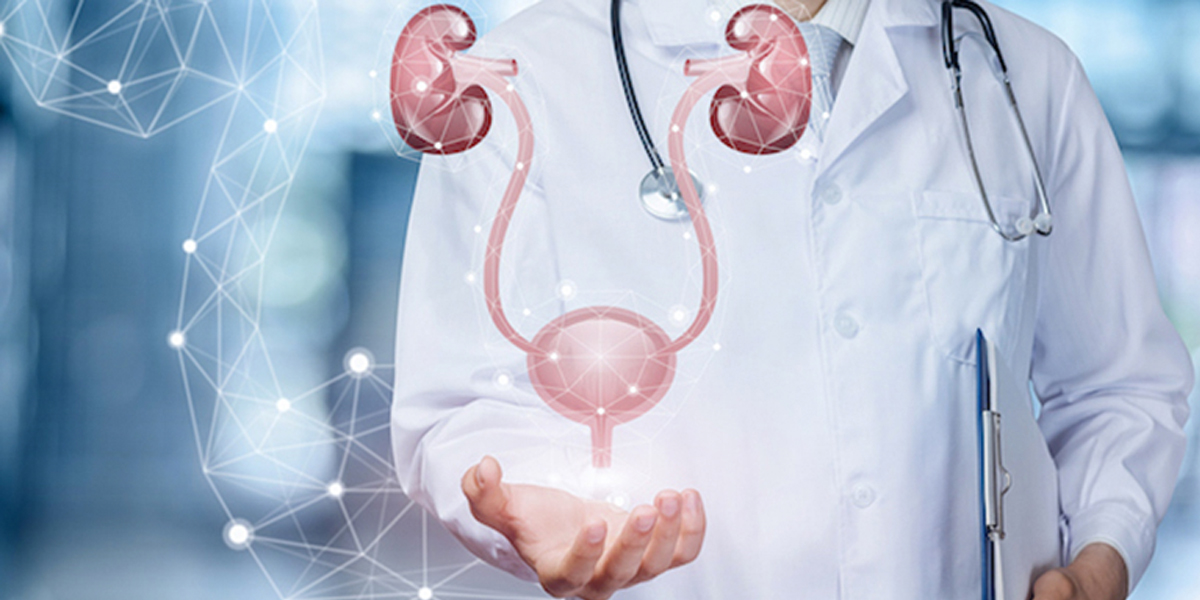
Erectile dysfunction (ED) is one of the most common male sexual health conditions, and one of the most under-discussed. Many men delay seeking erectile dysfunction treatment because of embarrassment, or the mistaken belief that erectile problems, sometimes referred to as sexual weakness or a weak erection, are simply a normal part of ageing. While ED becomes more common with age, persistent erectile dysfunction is not an inevitable consequence of ageing and often has an underlying medical, hormonal, psychological, or medication-related cause.
In many men, ED is more than a sexual health concern. It may be an early warning sign of underlying conditions such as diabetes, high blood pressure, heart disease, high cholesterol, hormonal imbalance, or stress-related and psychological factors. In some cases, identifying the reasons for erectile dysfunction early can help catch health problems before more serious complications develop.
At Healing Hospital, the Department of Urology provides confidential, evidence-based erectile dysfunction treatment in Chandigarh. Our urologists take a comprehensive approach to identify possible causes and create a personalized treatment plan, which may include lifestyle advice, medical therapy, and other treatment options when clinically appropriate. As one of the more established centres offering erectile dysfunction treatment in India, we focus on accurate diagnosis and treatment.
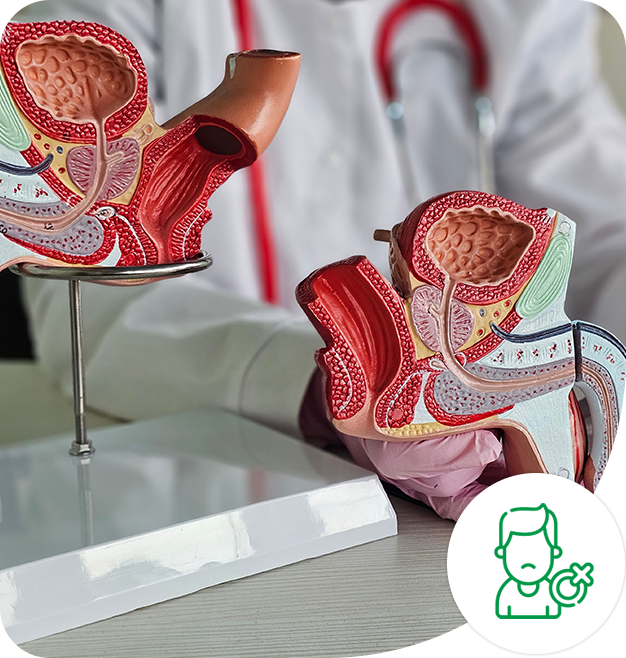
What is Erectile Dysfunction?
Erectile dysfunction (ED), sometimes referred to as erectile disorder or impotence, is the persistent or recurrent inability to achieve or maintain an erection firm enough for satisfactory sexual activity. Occasional erection difficulty can happen due to stress, fatigue, anxiety, alcohol use, or temporary illness, but ED becomes a medical concern when the problem happens repeatedly and affects sexual function.
Erectile dysfunction is the preferred modern medical term, since it is more precise and less stigmatising than older terms like impotence.
An erection depends on the coordinated function of the brain, nerves, hormones, blood vessels, and penile tissue. A problem affecting any of these systems can interfere with normal erectile function, which is why ED is often a symptom of an underlying physical, hormonal, medication-related, or psychological condition rather than a disease on its own.
Although ED becomes more common with age, it is not a normal or inevitable part of ageing. It can affect men of any adult age, and in many cases, effective treatment for weak erection is available once the underlying cause is identified.
Types of Erectile Dysfunction
Erectile dysfunction is not caused by the same mechanism in every patient. Understanding the underlying type helps guide evaluation and treatment:
Vasculogenic ED
Vasculogenic ED is caused by reduced blood flow to the penis or difficulty trapping blood within the erectile tissue. It is often associated with cardiovascular disease, diabetes, high blood pressure, high cholesterol, smoking, and other vascular risk factors.
Neurogenic ED
Neurogenic ED results from nerve damage or impaired nerve signaling. It may occur in men with diabetes, spinal cord injury, multiple sclerosis, pelvic trauma, or after prostate or other pelvic surgery.
Hormonal or Endocrine ED
Hormonal ED is related to low testosterone or other endocrine disorders that can affect sexual desire and erectile function. Thyroid disorders and other hormone imbalances may also contribute.
Drug-Induced ED
Some medications can interfere with erection by affecting blood flow, hormones, or nerve signaling. Common examples include certain blood pressure medicines, antidepressants, and other prescription drugs.
Psychogenic Erectile Dysfunction
Psychogenic ED is related primarily to psychological factors such as anxiety, depression, stress, performance anxiety, or relationship difficulties. In many cases, psychological and physical factors overlap.
Mixed Erectile Dysfunction
Mixed ED occurs when more than one factor contributes to the problem. For example, a man may have reduced blood flow due to vascular disease and also develop anxiety after repeated erection difficulties. Mixed causes are very common and often require a broader treatment approach.
Erectile Dysfunction Symptoms
Erectile dysfunction can develop gradually or appear suddenly, depending on the underlying cause. Common symptoms include:
- Difficulty achieving an erection despite adequate sexual stimulation
- Difficulty maintaining an erection long enough for satisfactory sexual activity
- Erections that are less firm or less consistent than before
- Reduced interest in sexual activity (low libido), particularly when associated with erectile difficulties
- Needing increased or very specific stimulation to achieve or maintain an erection
- Loss of spontaneous morning or nighttime erections in some men
Occasional erection problems are common and may occur because of stress, fatigue, alcohol consumption, or temporary illness. Persistent symptoms lasting several weeks or longer should be evaluated by an erectile dysfunction doctor.
Warning Signs to Watch Out For
Erectile dysfunction is often a symptom of another health problem, rather than a condition on its own. Seek medical evaluation from a urologist near you if ED occurs along with any of the following:
- Fatigue, reduced energy levels, or low sexual desire
- Excessive thirst, frequent urination, or unexplained weight loss
- Chest pain, shortness of breath, or reduced exercise tolerance
- High blood pressure, high cholesterol, or a history of cardiovascular disease
- Numbness, tingling, or weakness in the legs
- Depression, anxiety, or persistent psychological stress affecting sexual function
Important: Erectile dysfunction can sometimes be an early warning sign of cardiovascular disease. Early medical evaluation not only helps restore sexual function but may also identify underlying health conditions that require timely treatment.
Causes and Reasons for Erectile Dysfunction
Cardiovascular Disease: Reduced blood flow from narrowed or hardened arteries is one of the most common physical erectile dysfunction causes, and often the earliest sign of broader cardiovascular disease.
Diabetes: High blood sugar over time damages both blood vessels and nerves involved in achieving an erection, making ED significantly more common in men with diabetes.
Obesity and Sedentary Lifestyle: Excess weight is linked to lower testosterone, poor blood vessel health, and reduced stamina, all of which contribute to erectile difficulty.
Smoking and Excess Alcohol: Smoking damages blood vessels directly, while heavy alcohol use affects both hormone levels and nervous system function.
Low Testosterone: Reduced testosterone levels can lower sexual desire and contribute to erectile difficulty, particularly in older men.
Stress, Anxiety, and Depression: Mental health plays a direct physical role in erectile function, and performance anxiety alone can create or worsen the problem.
Certain Medications: Some blood pressure medications, antidepressants, and other prescriptions list ED as a known side effect.
Nerve Damage or Pelvic Surgery: Conditions like diabetes or procedures such as prostate surgery can damage the nerves responsible for triggering an erection.
Diagnosis and Testing for Erectile Dysfunction
Detailed Medical & Sexual History
A detailed medical and sexual history is the most important part before ordering any erectile dysfunction test. Your clinician will ask about the timing and pattern of the problem, morning or nighttime erections, libido, medication use, lifestyle factors, stress, and relationship concerns.
Physical Examination
A general physical examination and a focused genital examination help identify signs of hormonal imbalance, vascular disease, nerve problems, or other physical causes of ED.
Blood Tests
Common blood tests may include blood sugar or HbA1c, lipid profile, and total testosterone levels in the morning. Additional tests such as thyroid function tests may be ordered when clinically indicated.
Erectile Dysfunction Questionnaires
Validated questionnaires, such as the International Index of Erectile Function, can help assess symptom severity and guide treatment decisions.
Additional Tests When Needed
In selected cases, your clinician may recommend specialized tests such as:
- Penile Doppler ultrasound, to assess blood flow in the penis.
- Nocturnal penile tumescence testing, to help distinguish between physical and psychological causes.
Treatment Options for Erectile Dysfunction at Healing Hospital
Oral Medications
PDE5 inhibitors are the most common first-line erectile dysfunction medication. This class of ED treatment improves blood flow to the penis and supports an erection in response to sexual stimulation.
Vacuum Erection Devices
Vacuum erection devices are non-invasive and can help draw blood into the penis mechanically. They may be useful for men who prefer to avoid medication or cannot take it.
Penile Injections
For men who do not respond well to oral medication, injectable therapy can provide a reliable erection by delivering medication directly to the erectile tissue.
Penile Implants
For severe or treatment-resistant ED, a surgically implanted penile prosthesis may be considered after other treatments have not worked. This is generally a later-line option.
Testosterone Therapy
If low testosterone is confirmed and is contributing to symptoms, testosterone replacement therapy for ED may be considered as part of the treatment plan, with appropriate monitoring.
Psychological Counselling and Sex Therapy
If anxiety, stress, depression, or relationship concerns are contributing factors, counselling or sex therapy may help, either alone or alongside medical treatment.
Treating the Underlying Condition
When ED is related to diabetes, high cholesterol, hypertension, obesity, smoking, or cardiovascular disease, treating those conditions is an important part of long-term erectile dysfunction management.
Erectile Dysfunction Recovery & Long-Term Management
Erectile dysfunction is often manageable, but improvement may take time because the condition can be linked to blood flow, hormones, nerve function, stress, medications, or other underlying health problems. Recovery and treatment plans are tailored to the patient’s cause, severity, and overall health, so follow-up is an important part of care.
Physical & Medical Management
Many men benefit from a combination of lifestyle changes, oral medication, and treatment of the underlying cause. Regular exercise, weight management, smoking cessation, better sleep, and a heart-healthy diet may support erectile function. If a medical condition such as diabetes, high blood pressure, or low testosterone is contributing to ED, treating that condition is often an important part of long-term improvement.
Treatment Options & Follow-Up
Depending on the diagnosis, treatment may include PDE5 inhibitors, vacuum erection devices, penile injections, testosterone therapy when indicated, counselling, or surgical treatment in selected cases. Follow-up may be used to assess treatment response, review side effects, adjust therapy, and coordinate care with cardiology or other specialists when needed.
Emotional & Psychological Support
ED can affect confidence, relationships, and emotional well-being. Anxiety, stress, and relationship concerns may worsen symptoms, so psychological support or sex therapy may be recommended when appropriate.
Erectile Dysfunction & Heart Health
Because ED can be an early warning sign of cardiovascular disease, evaluation should not focus only on sexual function. A careful medical review may help identify diabetes, hypertension, high cholesterol, or other cardiovascular risk factors that require treatment.
Why Early Evaluation Matters for Erectile Dysfunction
The chances of improving erectile function are often better when the condition is evaluated early. Persistent ED may be the first sign of a treatable medical problem, including vascular disease, diabetes, hormonal imbalance, medication effects, or psychological stress.
Early assessment also matters because ED and cardiovascular disease are closely linked. In some men, ED can appear years before a heart attack or stroke, allowing doctors to identify and treat hidden risk factors sooner.
If erection problems happen regularly over several weeks, or if they occur with reduced libido, fatigue, chest symptoms, or symptoms of diabetes, it is a good idea to consult a urologist. Healing Hospital’s urology team provides confidential evaluation and can coordinate with cardiology, endocrinology, or mental health specialists when needed.
Why Choose Healing Hospital for Erectile Dysfunction Treatment in Chandigarh?

Confidential, Judgment-Free Consultations : Erectile dysfunction is a medical condition, not something to feel embarrassed about. At Healing Hospital, patients are evaluated in a private, respectful setting where concerns can be discussed openly and without judgment.

Full Range of Treatment Options : Treatment is tailored to the cause and severity of ED. Depending on the evaluation, options may include oral medications, vacuum devices, injection therapy, testosterone therapy when indicated, counselling, or surgical treatment in selected cases.

Coordinated Care With Other Specialists : When ED is linked to conditions such as diabetes, heart disease, or low testosterone, our urology team coordinates with cardiology, mental health, and internal medicine specialists as needed to provide comprehensive care.

Other Urology Services Available at Healing Hospital
Healing Hospital provides comprehensive urology care for a wide range of urinary, reproductive, and male sexual health conditions. Our urology team evaluates each patient individually and recommends treatment based on the underlying cause, severity, and overall health status.
Kidney Stone Treatment
We provide diagnosis and treatment for kidney stones, including emergency care for severe stone pain and procedures such as laser stone removal, PCNL, URSL, and other minimally invasive options when clinically appropriate.
Prostate Care
Our urology services include evaluation and management of prostate conditions, including urinary symptoms related to prostate enlargement and surgical treatment options when required.
Urinary Tract Infections
We diagnose and treat urinary tract infections in men, including complicated or recurrent infections that may need detailed urological assessment.
Male Infertility
Our team offers evaluation and management for male infertility, including hormonal assessment, semen analysis-related work-up, and treatment planning based on the underlying cause.
Erectile Dysfunction and Andrology
We provide confidential evaluation and treatment for erectile dysfunction, low testosterone, and other male sexual health concerns through dedicated andrology care.
Reconstructive Urology
Selected reconstructive procedures may be offered for urethral stricture, ureteric problems, and other complex urological conditions when clinically indicated.
Urological Cancer Care
The hospital’s urology service also manages cancers involving the kidney, ureter, bladder, prostate, penis, and scrotum, with appropriate diagnostic and surgical planning.
24×7 Emergency Urology
For urgent conditions such as severe kidney stone pain, urinary retention, testicular torsion, traumatic urological injuries, or severe urinary infections, Healing Hospital provides 24×7 emergency urological care.
Meet Our Erectile Dysfunction Specialist in Chandigarh
At Healing Hospital, our urology team manages erectile dysfunction as part of a broader assessment of male sexual, reproductive, and overall vascular health, coordinating with other specialists whenever an underlying condition needs closer evaluation.
Dr. Karun Singla – Senior Consultant Urologist, with 12+ years of experience in urology and male reproductive medicine, including erectile dysfunction, andrology, male infertility, kidney stone disease, prostate disorders, and minimally invasive urological procedures.
📞 Call: +91 9090303434 to schedule your consultation.
🌐 Book Online: Visit Healing Hospital to book an appointment.
Erectile Dysfunction Self-Care & Lifestyle Management
Lifestyle changes are a genuine part of erectile dysfunction self care and can support overall vascular health. In some men, these steps may reduce symptoms and improve response to medical treatment.
Dr. Karun Singla
Urology & Urologic Oncology
12+ Years

Dr. Karun Singla graduated (MBBS) from Govt. Medical College, Chandigarh. He completed his General surgery training (M.S) from Dayanand Medical College, Ludhiana and then did his Post graduation in Urology (M.Ch. Urology) from Post Graduate Institute of Medical Education & Research, Chandigarh (PGI). He has done a Senior Residency in Urology at CMC, Vellore. He is trained in Andrology and male infertility from Manipal Ankur Reproductive Services, Bangalore.
Doctors Available

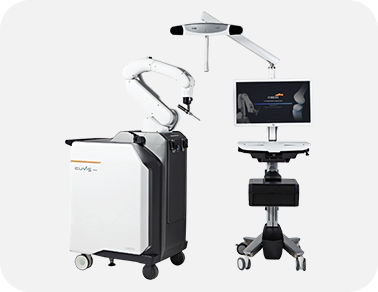
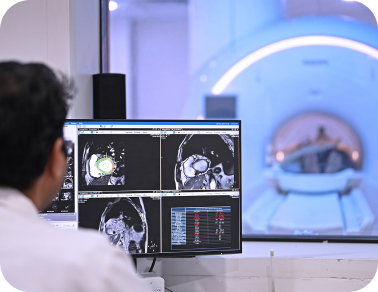
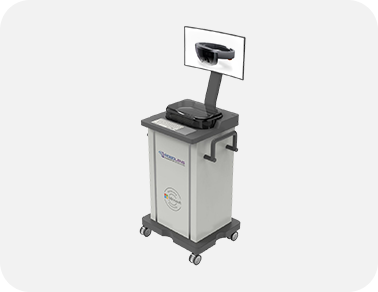
Equipped with state-of-art diagnostic and treatment technologies to ensure the best outcomes for our patients





Frequently Asked Questions (FAQs)
What causes erectile dysfunction?
Erectile dysfunction can be caused by cardiovascular disease, diabetes, obesity, smoking, low testosterone, certain medications, nerve damage, or psychological factors such as stress and anxiety. In many men, more than one factor contributes to the problem.
What are the early symptoms of erectile dysfunction?
Early symptoms may include difficulty achieving an erection even with adequate stimulation, difficulty maintaining an erection during intercourse, or erections that feel noticeably less firm than before.
Is erectile dysfunction treatable?
Yes. Most cases of ED respond well to treatment, which may include lifestyle changes, oral medication, counselling, vacuum devices, injections, or surgical options in selected cases.
What tests are done to diagnose erectile dysfunction?
Diagnosis usually includes a detailed medical history, physical examination, and blood tests for blood sugar, cholesterol, and testosterone. In some cases, a penile Doppler ultrasound may be recommended to assess blood flow.
Can erectile dysfunction be a sign of heart disease?
Yes. ED can be an early warning sign of cardiovascular disease and may appear years before symptoms such as a heart attack or stroke. For this reason, it is important to assess cardiovascular risk factors when ED is present.
What foods help with erectile dysfunction?
Foods that support healthy blood flow, such as leafy greens, berries, nuts, and fatty fish, are often recommended as part of an overall heart-healthy diet.
Do exercises help with erectile dysfunction?
Yes. Regular aerobic exercise can improve cardiovascular health and blood flow, while pelvic floor exercises may help strengthen the muscles involved in maintaining an erection.
When should I see a urologist near me for erectile dysfunction?
You should see a urologist if erection problems happen regularly over several weeks or longer, or if they are accompanied by reduced sexual desire, fatigue, or other symptoms that may suggest an underlying condition.
Which hospital in Chandigarh provides erectile dysfunction treatment near me?
Healing Hospital offers evaluation and treatment for erectile dysfunction through its urology services in Chandigarh, with coordinated support from cardiology, endocrinology, and mental health specialists when needed.
How do I book a consultation with a urologist near me for erectile dysfunction?
You can call at +91-9090303434to talk to our Urology Department at Healing Hospital or book online through the hospital website www.healinghospital.co.in. Consultations are handled confidentially, and walk-in appointments may also be available at the reception desk.
Blog
Common Conditions Treated by Dr. Karun Singla, Urologist in Chandigarh
Chandigarh Urologist Specialists: Quality Care Guaranteed
Urological Excellence: Recognizing Chandigarh’s Premier Specialists at Healing Hospital
Living Stone-Free: Exploring Gallbladder Stone Treatment Solutions in Chandigarh
Urological Excellence: Choosing a Specialist in Chandigarh
Choosing the Right Urologist in Chandigarh: Top Tips
Specialized Urologist in Chandigarh – Excellence in Urinary Health
7 things to avoid for healthy kidneys