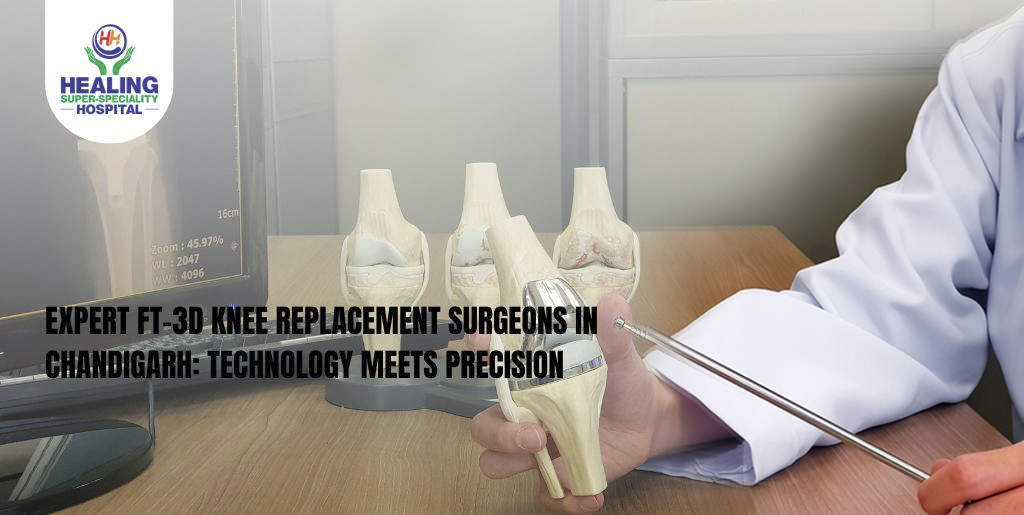
An ACL injury is one of the most common and significant knee injuries among athletes and physically active individuals. The anterior cruciate ligament helps stabilize the knee during pivoting, jumping, running, and sudden changes of direction. When it tears, patients may experience a popping sensation, swelling, pain, instability, and difficulty returning to sports or everyday activities.
When ACL reconstruction is indicated, Healing Hospital’s Orthopaedics department offers arthroscopic ACL surgery using suitable graft options, with meniscus repair performed when required. A structured rehabilitation programme supports the restoration of knee strength, stability, movement, and a safe return to sport or daily activity.
What is an ACL Injury?
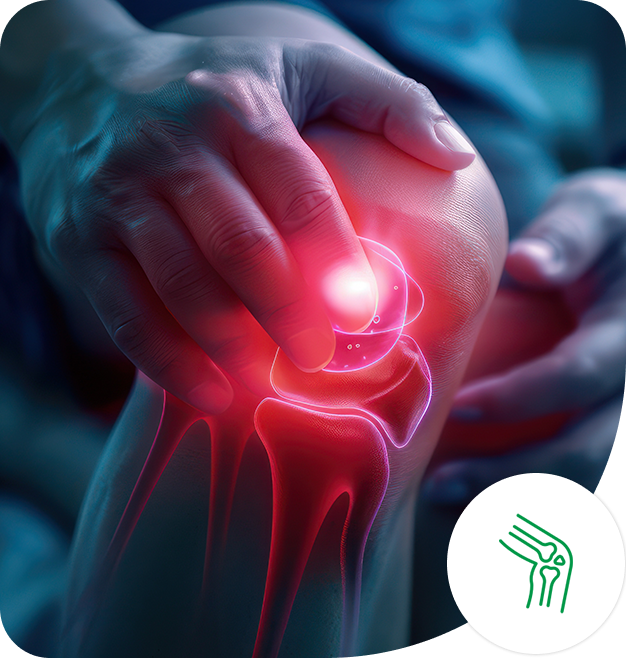
The anterior cruciate ligament (ACL) is one of the knee’s major stabilizing ligaments. It connects the thigh bone (femur) to the shin bone (tibia), helping prevent excessive forward movement of the tibia and controlling rotational stability during running, pivoting, jumping, and sudden changes of direction.
An ACL injury occurs when the ligament is stretched or torn. The injury may range from a mild sprain to a partial tear or complete rupture. ACL injuries are common in sports such as football, basketball, badminton, and skiing, where sudden stops, awkward landings, and rapid changes in direction place significant stress on the knee.
Many ACL injuries occur without direct contact. A sudden pivot, poorly controlled landing, or rapid deceleration may be enough to injure the ligament, even when no collision takes place.
Types of ACL Injury
Contact Injuries
These occur when a direct impact or collision forces the knee beyond its normal range of movement. They are more common in contact and collision sports.
Non-Contact Injuries
These occur without a direct blow to the knee. Sudden pivoting, twisting, awkward landing, or rapid deceleration can place excessive stress on the ACL. Many sports-related ACL injuries occur through these non-contact mechanisms.
Severity of ACL Injury
ACL injuries are commonly classified into three grades based on the extent of ligament damage and the degree of knee instability.
Grade I: Mild Sprain
The ACL is stretched but remains intact. The knee is usually stable, although mild pain, tenderness, or swelling may occur.
Grade II: Partial Tear
Some fibres of the ACL are torn, which may cause looseness or instability in the knee. Symptoms are often more noticeable during pivoting, running, or changes of direction.
Grade III: Complete Tear
The ACL is completely torn here, resulting in significant knee instability. Active individuals and athletes may require surgical reconstruction, particularly when the knee repeatedly gives way or associated injuries are present. However, treatment depends on the patient’s symptoms, activity level, knee stability, associated injuries, and recovery goals and not on the injury grade alone.
Signs and Symptoms of an ACL Injury
ACL injury symptoms may appear immediately or become more noticeable as swelling develops.
Common Symptoms
- A popping or snapping sensation at the time of injury.
- Sudden knee pain and difficulty continuing the activity.
- Rapid swelling, often within the first few hours.
- Reduced ability to fully bend or straighten the knee.
- A feeling that the knee is unstable, buckling, or giving way.
- Difficulty standing or bearing weight on the affected leg.
Warning Signs to Watch For
Arrange a prompt orthopaedic evaluation if the knee remains significantly swollen, cannot be fully straightened, locks or catches during movement. Locking may indicate an associated meniscus or cartilage injury, while persistent numbness or tingling may suggest nerve involvement.
When to Seek Emergency Care
Seek immediate medical attention if the knee appears visibly deformed, cannot be moved, or is associated with severe unrelenting pain. Urgent care is also required if the foot or lower leg becomes cold, pale, bluish, increasingly numb, or difficult to move, as these may indicate damage to blood vessels or nerves.
ACL Injury: Causes and Risk Factors
ACL injuries often occur when the knee is forced beyond its normal range during a sudden movement, landing, or impact. The risk is influenced by the sport, movement technique, physical conditioning, previous injury, and individual anatomical factors.
Sports Involving Pivoting and Jumping
Football, basketball, badminton, skiing, gymnastics, and similar sports place greater stress on the ACL because they involve repeated pivoting, jumping, landing, and rapid changes of direction.
Sudden Deceleration or Direction Change
Rapidly slowing down, stopping, or changing direction while the foot is planted can create significant rotational and forward-moving forces across the knee.
Awkward Landing on Ground
Landing with the knee stiff, extended, or moving inward may increase stress on the ACL. Poor control of the hips, knees, or feet during landing can further increase the risk of injury.
Direct Blow to the Knee
A forceful impact to the side or front of the knee can injure the ACL, particularly during contact sports and collisions.
Higher Risk Among Female Athletes
Female athletes have a higher rate of ACL injury in several comparable sports. This difference may be influenced by a combination of anatomical, hormonal, strength, and neuromuscular factors, including landing and movement patterns.
Previous ACL Injury
A previous ACL tear or reconstruction increases the risk of another injury, either to the same knee or to the opposite knee. A structured rehabilitation and injury-prevention programme is particularly important before returning to sport.
Muscle Imbalance and Poor Conditioning
Insufficient strength, fatigue, reduced balance, and poor landing or cutting technique may increase the load placed on the ACL. Targeted training that includes strength, flexibility, balance, agility, and neuromuscular control can help reduce injury risk.
Other Contributing Factors
Individual factors such as joint laxity, lower-limb alignment, family history, certain anatomical features, playing-surface conditions, and unsuitable or poorly maintained sports equipment may also influence ACL injury risk.
ACL Injury Diagnosis and Testing
Accurate diagnosis of an ACL injury begins with a detailed history and clinical examination. Imaging may then be used to confirm the injury, assess its severity, and identify associated damage to the meniscus, cartilage, or other knee ligaments.
Detailed Injury History
Your orthopaedic specialist will ask how the injury occurred, whether you heard or felt a pop, whether the knee twisted or received a direct blow, and how quickly swelling developed. The injury mechanism and early symptoms can provide important clues about possible ACL damage.
Physical Examination
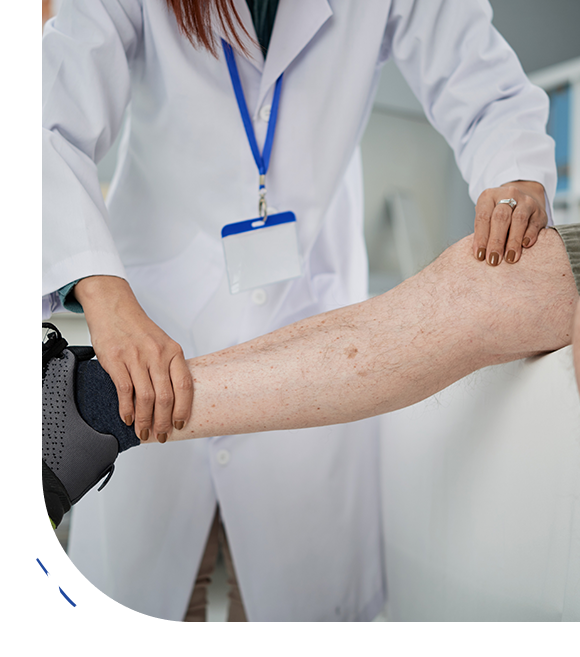
The doctor will then assess swelling, tenderness, range of motion, knee alignment, and stability. Clinical tests such as the Lachman test, anterior drawer test, and pivot-shift test help evaluate abnormal forward movement and rotational instability of the knee.
MRI Scan
MRI is commonly used to confirm an ACL tear and evaluate the extent of ligament damage. It can also identify associated injuries involving the meniscus, cartilage, bone, or other ligaments.
X-Ray
X-rays do not show the ACL itself, but they may be recommended to rule out fractures, avulsion injuries, or other bone abnormalities that can occur with a knee injury.
Diagnostic Arthroscopy
Diagnostic arthroscopy is not usually the first test for an ACL injury. In selected cases, arthroscopy may be considered when the diagnosis remains uncertain or when a treatable meniscus or cartilage injury requires surgery. It may allow diagnosis and treatment during the same procedure when clinically appropriate.
ACL Injury Treatment in Chandigarh at Healing Hospital
Treatment for an ACL injury depends on the extent of ligament damage, knee stability, associated injuries, activity level, and the patient’s goals. Healing Hospital provides comprehensive ACL care in Chandigarh including evaluation, arthroscopic reconstruction, meniscus repair, and structured sports rehabilitation.
Initial Care and Rehabilitation
Rest, ice, compression, elevation, activity modification, physiotherapy, and a knee brace may be recommended during the initial phase, depending on the severity of injury.
Non-Surgical Management
The patients with partial ACL tears, stable knees, lower activity demands, or no intention of returning to pivoting sports may be managed with structured physiotherapy, activity modification, strength training, and guided follow-up.
Arthroscopic ACL Reconstruction
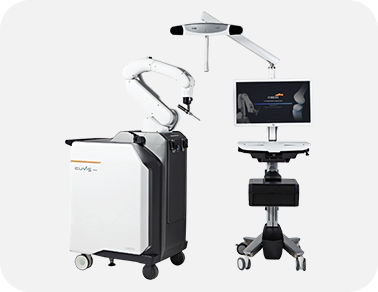
Healing Hospital offers arthroscopic ACL reconstruction using graft options that may include a hamstring autograft, patellar tendon graft, or donor tissue, depending on the patient’s requirements. The procedure is performed with a minimally invasive approach with smaller incisions and less post-operative risk rather than a traditional approach.
Treatment of Associated Injuries
ACL tears may occur alongside meniscus, cartilage, or other ligament injuries. When clinically appropriate, associated meniscus injuries can be treated during the same arthroscopic procedure, helping provide comprehensive care in a single surgical plan.
Structured Physiotherapy & Rehabilitation
Rehabilitation is an essential part of recovery after ACL treatment. Healing Hospital provides physiotherapy & rehabilitation services focused on restoring knee movement, strength, balance, stability, and confidence to ensure smooth return to work, daily activities, or sports.
ACL Injury Recovery & Long-Term Management
Recovery after an ACL injury or reconstruction is gradual and depends on the extent of the injury, associated damage, treatment selected, physical conditioning, and individual recovery goals.
Early Recovery and Rehabilitation
The initial phase focuses on controlling pain and swelling, restoring full knee movement, activating the quadriceps, and gradually improving weight-bearing ability. Rehabilitation then progresses through strengthening, balance and neuromuscular training, running, agility work, and sport-specific physiotherapy exercises.
Return to Sports
The clearance for athletes’ return to sports is decided on the basis of their knee stability, full range of motion, strength, movement quality, sport-specific performance, and psychological readiness.
Follow-Up and Long-Term Knee Health
Regular follow-up helps monitor knee movement, swelling, strength, stability, graft recovery, and progress through rehabilitation. Persistent instability can increase the risk of further meniscus and cartilage damage, so ongoing symptoms should be evaluated rather than managed with rest alone.
Why Choose Healing Hospital for ACL Injury Treatment in Chandigarh?

24×7 Orthopaedic Emergency & Trauma Support : ACL and other sports injuries can happen anytime. Healing Hospital provides round-the-clock emergency support with orthopaedic specialists, emergency medical teams, and ambulance services available 24×7 for timely evaluation and care.

Sports Injury & ACL Reconstruction Expertise : Our orthopaedic team, with 30+ years of experience, provides specialized care for ACL tears, meniscus injuries, and associated ligament damage. Every treatment plan is carefully individualized based on the patient’s activity demands and long-term functional goals to ensure the most effective and appropriate management approach.

Comprehensive Physiotherapy & Rehabilitation Under One Roof : Our dedicated physiotherapy and rehabilitation services provide structured, step-by-step care to restore knee movement, muscle strength, balance, stability, and functional performance. Close coordination between orthopaedic surgeons and physiotherapists supports a seamless recovery journey from early rehabilitation to return to daily activities or sports.
ACL Injury Prevention Tips
- Warm up and improve neuromuscular control: Begin each training session with dynamic warm-up exercises, followed by balance, agility, strength, and controlled landing drills.
- Strengthen the lower-limb muscles: Build strength in the hips, quadriceps, hamstrings, and core to improve knee control during landing, pivoting, and sudden deceleration.
- Practise safe landing technique: Land on the surface with your knees slightly bent and aligned with your feet. Avoid stiff-legged landings and prevent the knees from collapsing inward.
- Increase training gradually: Progress the intensity, duration, and frequency of exercise slowly. Avoid sudden increases in training load.
- Wear suitable footwear: Choose sports shoes appropriate for your activity and playing surface to support stability and reduce the risk of slipping.
- Address previous knee instability: Complete rehabilitation after an ACL or other knee injury before returning to high-demand sports. Structured injury-prevention programmes can help reduce the risk of future ACL injuries.
Meet Our ACL Injury Specialists in Chandigarh
At Healing Hospital, ACL injuries are evaluated and managed as part of a comprehensive sports injury and joint-care programme. Our orthopaedic team considers the extent of the tear, knee stability, associated injuries, activity level, and recovery goals before recommending rehabilitation or surgical treatment.
📞 Call: +91 75759 03434, +91 98781 11834 to book your consultation.
🌐 Book Online: Visit www.healinghospital.co.in to schedule an appointment.
Other Orthopaedic Services at Healing Hospital
Reviewed By
Dr. Ajay Bhambri
Orthopaedics & Joint Replacement
30+ Years

Dr. Ajay A Singh Bhambri is a highly distinguished Director of Orthopaedics & Joint Replacement – Unit I at Healing Hospital, Chandigarh, with over 30 years of clinical and surgical excellence in complex orthopaedic procedures. He is widely recognized as one of North India’s most experienced orthopaedic surgeons, specializing in joint replacement surgery, limb reconstruction, orthopaedic oncosurgery, and advanced trauma care.
Doctors Available

Dr. Nishant Setia
Senior Consultant
Orthopaedics & Joint Replacement
15+ Years
Hindi, Punjabi, English
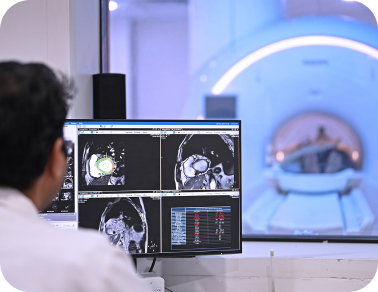
Equipped with state-of-art diagnostic and treatment technologies to ensure the best outcomes for our patients





Frequently Asked Questions (FAQs)
What are the early signs of an ACL injury?
Common ACL injury symptoms include a popping sensation at the time of injury, rapid knee swelling, pain, reduced range of motion, and a feeling of instability or the knee giving way.
What causes an ACL injury?
ACL tears commonly occur during sudden pivoting, twisting, rapid changes in direction, awkward landings after a jump, or direct contact to the knee during sports and other physical activities.
Can an ACL tear heal without surgery?
Some partial ACL tears and injuries in less physically demanding patients may be managed with physiotherapy, bracing, and activity modification. Complete tears in active or athletic individuals may require ACL reconstruction when persistent instability affects function or sports participation.
How is an ACL injury diagnosed?
An ACL injury is diagnosed through a detailed history and physical examination, including knee stability tests such as the Lachman test. An MRI may be recommended to confirm the tear and identify associated meniscus, cartilage, or ligament injuries.
How long does recovery take after ACL reconstruction surgery?
Recovery varies by patient, surgical technique, rehabilitation, and the demands of the sport. Many athletes require approximately 9–12 months before returning to competitive sports, with progressive physiotherapy beginning much earlier.
Is ACL reconstruction minimally invasive?
Yes. ACL reconstruction is usually performed arthroscopically through small incisions using a camera and specialized instruments. This approach generally causes less soft-tissue disruption than conventional open surgery and supports structured rehabilitation.
Can an ACL injury happen without contact or collision?
Yes. Many ACL injuries are non-contact injuries caused by sudden pivoting, twisting, deceleration, or awkward landing. They are particularly common in sports involving rapid changes of direction.
What happens if an ACL tear is left untreated?
An untreated ACL tear can cause persistent knee instability and may increase the risk of secondary meniscus or cartilage damage. Long-term instability may also contribute to an increased risk of knee osteoarthritis in some patients.
Where can I get ACL injury treatment near me in Chandigarh?
Healing Hospital’s Department of Orthopaedics provides comprehensive ACL injury treatment in Chandigarh, including clinical evaluation, imaging, non-surgical management, arthroscopic ACL reconstruction, and post-operative rehabilitation.
How do I book a consultation for ACL injury treatment?
You can call +91 75759 03434, 98781 11834 to schedule an appointment with our orthopaedic team, or book a consultation through the Healing Hospital website.
Blog
World Osteoporosis Day 2026: Raising Awareness for Stronger Bones and Fracture Prevention
World Arthritis Day 2026: Raising Awareness About Joint Health and Arthritis

Knee Replacement Surgery in Delhi: Minimally Invasive & Effective Options
Qualifications to Look For in the Best Hip Replacement Surgeon in Chandigarh
Why Choosing the Best Orthopaedic Doctor in Chandigarh Ensures Better Outcomes

How to Choose the Right Doctor for Knee Replacement Surgery in Lucknow
Advanced Knee Arthritis Treatment in Chandigarh for Long-Term Relief
Top-Rated Knee Replacement Surgery in Lucknow: Advanced Treatments for Joint Health
Trusted Knee Replacement Surgeon Chandigarh: Compassionate Care for Long-Term Mobility