Diabetes is a chronic metabolic condition that affects how the body regulates blood glucose, commonly known as blood sugar. When blood glucose remains elevated over time, it can gradually damage the heart, kidneys, eyes, nerves, and blood vessels—often before noticeable symptoms develop. Although diabetes becomes more common with age and certain risk factors, it can affect people of all ages, including children.
At Healing Hospital, the Department of Internal Medicine provides comprehensive diabetes care including accurate diagnosis, personalized medication management, nutrition and lifestyle guidance, glucose monitoring, and screening for diabetes-related complications. Treatment is tailored to the type of diabetes, blood-glucose patterns, associated health conditions, and the patient’s individual needs and goals.
A structured diabetes-management programme supports blood-glucose control, regular complication screening, medication review, and long-term wellbeing. With appropriate treatment, monitoring, and follow-up, the patients can manage diabetes confidently as part of their daily lives.
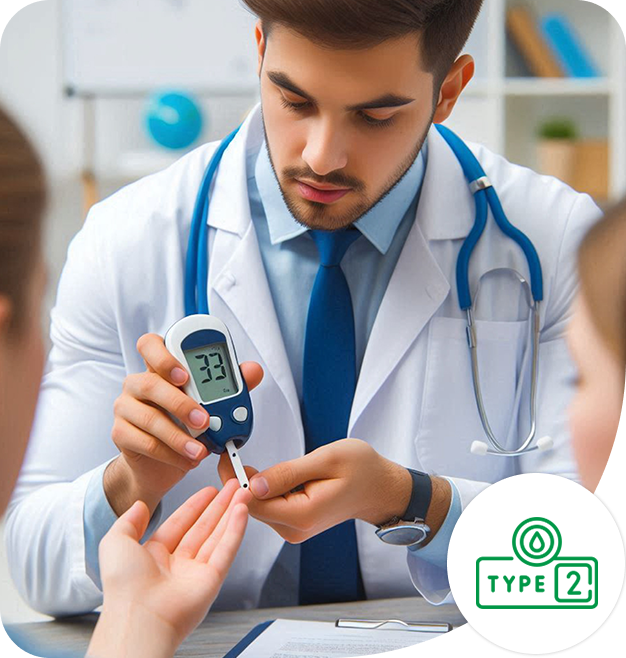
What is Diabetes?
Diabetes is a group of chronic conditions in which the body does not produce enough insulin, does not use insulin effectively, or both. Insulin is a hormone that helps glucose move from the bloodstream into the body’s cells, where it is used for energy. When this process is impaired, glucose builds up in the blood, resulting in high blood sugar, also known as hyperglycaemia.
Persistently high blood sugar can gradually damage blood vessels and nerves throughout the body. Over time, this may affect the heart, kidneys, eyes, nerves, and feet.
Diabetes is not a single condition. It includes different types, such as type 1 diabetes, type 2 diabetes, gestational diabetes, and other less common forms, each with different causes and treatment requirements. People with early type 2 diabetes or prediabetes can have few or no noticeable symptoms, which is why diabetes is sometimes identified during a routine blood test.
Types of Diabetes
Type 1 Diabetes
Type 1 diabetes is an autoimmune condition in which the immune system attacks and destroys the insulin-producing beta cells in the pancreas. As a result, the body produces little or no insulin. It often develops in children and young adults but can occur at any age, and people with type 1 diabetes require insulin therapy every day.
Type 2 Diabetes
Type 2 diabetes is the most common form of diabetes. It develops when the body becomes resistant to insulin and, over time, cannot produce enough insulin to maintain normal blood-glucose levels. Risk is influenced by genetics, family history, age, excess weight, physical inactivity, and other metabolic factors, but type 2 diabetes can affect people of any body type and age.
Gestational Diabetes
Gestational diabetes develops during pregnancy, most commonly in the second or third trimester, when hormonal changes increase insulin resistance. Blood glucose levels often return to normal after delivery, but having gestational diabetes increases the mother’s future risk of type 2 diabetes. It may also increase the child’s long-term risk of excess weight and metabolic problems.
Prediabetes
Prediabetes is a state in which blood-glucose levels are higher than normal but not yet within the diabetes range. It is not the same as diabetes, but it is an important warning sign and indicates a higher risk of developing type 2 diabetes in the future. Early lifestyle changes, regular monitoring, and medical guidance may help delay or prevent progression.
Signs and Symptoms of Diabetes
Symptoms may develop gradually, especially in type 2 diabetes, and some people may have no noticeable symptoms at first. Type 1 diabetes can progress more quickly, with symptoms appearing over weeks or months.
Common Symptoms
Possible signs of diabetes include:
- Increased thirst or a dry mouth.
- Frequent urination, including waking during the night to urinate.
- Increased hunger.
- Unexplained tiredness or weakness.
- Unintentional weight loss, particularly when type 1 diabetes develops.
- Blurred vision.
- Cuts, sores, or wounds that heal slowly.
- Recurrent infections, including urinary, skin, or yeast infections.
- Tingling, burning, or numbness in the hands or feet.
These symptoms do not confirm diabetes because they can also occur with other conditions. However, persistent or unexplained symptoms should prompt a medical appointment for blood-glucose testing, such as an HbA1c or fasting-glucose test.
Warning Signs
Consult a general physician near you, if you notice a combination of:
- Persistent thirst and frequent urination.
- Unexplained weight loss.
- Ongoing fatigue or blurred vision.
- Recurrent infections.
- Wounds that are slow to heal.
Diabetes can sometimes be present without obvious symptoms, so people with risk factors may also need screening even when they feel well.
When to Seek Emergency Care
Seek immediate emergency medical care for possible diabetic ketoacidosis, especially if symptoms include:
- Very strong thirst and severe dehydration.
- Nausea, vomiting, or stomach pain.
- Rapid or deep breathing.
- Fruity-smelling breath.
- Extreme tiredness, drowsiness, or confusion.
- Blood glucose remains very high.
Diabetic ketoacidosis is a potentially life-threatening emergency and can occur most often in type 1 diabetes, though it can also occur in some people with type 2 diabetes.
Note: Very low blood sugar can cause shakiness, sweating, dizziness, hunger, irritability, confusion, weakness, seizures, or loss of consciousness. If someone feels unconscious, experiences a seizure, or is unable to swallow - they might need emergency help.
Causes and Risk Factors of Diabetes
The causes of diabetes depend on the type. Type 1 diabetes is mainly an autoimmune disease, while type 2 diabetes usually results from a combination of genetic, metabolic, and environmental factors. Gestational diabetes is related to pregnancy-associated hormonal changes that increase insulin resistance.
For Type 1 Diabetes
In type 1 diabetes, the immune system mistakenly attacks and destroys the insulin-producing beta cells in the pancreas. The exact trigger is not fully understood and may involve genetic susceptibility and environmental factors. Type 1 diabetes is not caused by eating sugar, being overweight, or a sedentary lifestyle.
For Type 2 Diabetes
Type 2 diabetes develops when the body’s cells become less responsive to insulin, and the pancreas gradually cannot produce enough insulin to compensate. Important risk factors include:
- A family history of type 2 diabetes.
- Overweight, obesity, or increased waist size.
- Physical inactivity.
- Increasing age, although type 2 diabetes can occur in children and younger adults.
- Prediabetes.
- High blood pressure, abnormal cholesterol, or fatty liver disease.
- A previous history of gestational diabetes.
- Certain ethnic backgrounds, including South Asian, Asian, Hispanic or Latino, Black, Indigenous, and Pacific Islander populations.
For Gestational Diabetes
During pregnancy, hormones produced by the placenta can make the body’s cells more resistant to insulin. The pancreas may be unable to produce enough additional insulin to keep blood glucose within the normal range, resulting in gestational diabetes.
The risk is higher in people with a family history of type 2 diabetes, previous gestational diabetes, prediabetes, overweight or obesity, PCOS, or a previous baby with a high birth weight. People from certain ethnic groups, including South Asian populations, may also have increased risk.
PMOS and Diabetes Risk
Polycystic ovary syndrome (PCOS) is now being known as polyendocrine metabolic ovarian syndrome (PMOS) to emphasize the fact that it affects not only the ovaries and reproductive hormones, but also insulin regulation, metabolism, body weight, liver health, and cardiovascular risk.
People with PMOS tend to have insulin resistance. This means the body’s cells do not respond effectively to insulin, so the pancreas is burdened to produce more insulin to compensate. Elevated insulin levels can stimulate the ovaries to produce excess androgens, which may worsen irregular periods, acne, excess facial or body hair, and difficulty with ovulation. Over time, insulin resistance may contribute to prediabetes and type 2 diabetes.
Other Factors
Some type 2 diabetes risk factors cannot be changed such as age, genetics, and ethnicity. Others may be kept in check through regular physical activity, a balanced eating pattern, maintaining or working toward a healthy weight, avoiding tobacco, and treating conditions such as high blood pressure and abnormal cholesterol. These measures lower risk but cannot guarantee prevention.
Diabetes Diagnosis and Testing
Diabetes is diagnosed through blood tests rather than symptoms alone. A clinician may consider symptoms, family history, medicines, weight changes, pregnancy history, and the pattern of blood-glucose results to determine whether diabetes is present and which type is most likely.
Medical History and Examination
The clinician may ask about:
- Increased thirst, frequent urination, fatigue, blurred vision, or weight loss.
- Family history of diabetes or autoimmune disease.
- Previous gestational diabetes or pregnancy-related complications.
- Weight changes, blood pressure, cholesterol, medicines, and other health conditions.
- Features suggesting type 1 diabetes, type 2 diabetes, gestational diabetes, or another form of diabetes.
Fasting Glucose
A fasting plasma glucose test in the morning is commonly used for screening and diagnosis. The patient is advised to avoid food and caloric drinks overnight with the exception of drinking water.
HbA1c Test
HbA1c estimates average blood-glucose levels over the preceding two to three months and does not usually require fasting. It is useful for both diagnosis and long-term monitoring, but it may be less reliable in conditions that affect red blood cells or haemoglobin, such as some anaemias, haemoglobin variants, recent blood loss, or certain kidney diseases.
Oral Glucose-Tolerance Test
During an OGTT, the patient drinks a measured glucose solution, and blood glucose is checked after two hours. The test is particularly important for diagnosing gestational diabetes and may be used when other results are borderline.
Random Glucose Test
A random glucose test can be performed at any time and is useful when a person has symptoms suggesting significant hyperglycaemia. A random glucose result of >= 200 mg/dL (11.1 mmol/L) with associated symptoms can indicate diabetes.
Testing for Type 1 Diabetes
When type 1 diabetes is suspected, blood tests including GAD65, IA-2, insulin autoantibodies, and ZnT8 antibodies are ordered. C-peptide testing may also help estimate how much insulin the pancreas is still producing and distinguish type 1 diabetes from type 2 diabetes or some other forms.
Diabetes Treatment in Chandigarh at Healing Hospital
Healing Hospital’s diabetes care multi-factorial approach includes regular glucose monitoring, medication adjustment, diet and lifestyle guidance, and screening for complications affecting the eyes, kidneys, nerves, and feet.
Lifestyle and Dietary Management
Healing Hospital’s Nutrition and Dietetics department prepares customized nutrition plans, diabetes diet counselling, weight-management support, and care for insulin resistance and related metabolic conditions. Lifestyle measures including regular walking and exercising are also very important for managing prediabetes and type 2 diabetes.
Oral and Injectable Medicines
Treatment can include oral medicines, injectable therapies, or a combination of both. Diabetes medications help control blood glucose through different mechanisms. Our diabetesspecialists select the most appropriate medicine based on your type of diabetes, blood glucose levels, kidney and liver function, cardiovascular health, weight goals, risk of hypoglycemia, and overall treatment response.
Insulin Therapy
Insulin therapy is essential for people with type 1 diabetes and may also be recommended for some people with type 2 diabetes, when blood glucose remains above target despite other treatments or is associated with kidney disease. It may also be used during pregnancy, acute illness, or around surgery when clinically appropriate.
Glucose Monitoring
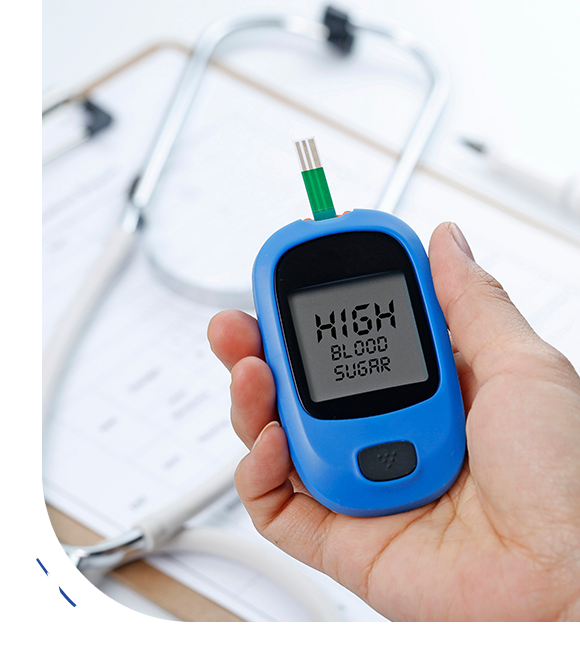
Regular glucose monitoring helps assess how well your diabetes treatment is working and identify patterns that may require treatment adjustments. It can involve finger-stick blood glucose testing or continuous glucose monitoring (CGM) to identify patterns such as overnight changes, post-meal rises, or episodes of low blood sugar.
Gestational Diabetes Care
Gestational diabetes requires careful monitoring throughout pregnancy to maintain healthy blood glucose levels and reduce potential risks for both mother and baby. Obstetrics and internal medicine teams work together to protect the health of both mother and baby. Treatment may include dietary counselling, regular glucose monitoring, appropriate physical activity, and medication or insulin when glucose targets are not achieved through lifestyle measures alone.
Diabetes Recovery and Long-Term Management
Diabetes is generally a long-term condition that requires ongoing management rather than a single treatment. However, many people can achieve excellent blood glucose control, and some people with type 2 diabetes may achieve remission, meaning blood glucose levels return below the diabetes range without glucose-lowering medication. Remission can occur through sustained lifestyle changes, customized dietary plans, weight loss, medicines, regular walk and exercise regime.
Establishing Diabetes Control
After diagnosis, the first stage of management focuses on understanding your diabetes and establishing safe, sustainable control. This may include:
- Confirming the type of diabetes and assessing overall health
- Bringing very high or fluctuating blood glucose levels under control
- Learning how to take medicines or insulin safely
- Understanding glucose monitoring and recognizing signs of high or low blood sugar
- Developing sustainable eating, physical activity, sleep, and weight-management habits
- Assessing blood pressure, cholesterol, kidney function, and other cardiovascular risk factors
Ongoing Monitoring and Treatment Adjustment
Diabetes management changes over time, making regular follow-up an important part of long-term care. Your doctor may monitor:
- Home blood glucose readings or continuous glucose monitoring (CGM), when appropriate
- HbA1c levels, often every three to six months when treatment is changing or glucose control is above target
- Medication and insulin requirements
- Nutrition, physical activity, and weight changes
- Episodes of hypoglycaemia or persistently high blood glucose
- Blood pressure, cholesterol, kidney function, and cardiovascular risk
Screening for Diabetes Complications
Diabetes-related complications can develop gradually without obvious symptoms. Regular screening helps identify problems early and can include:
- Kidney function and urine albumin testing
- Dilated retinal or other recommended eye examinations
- Foot examinations to assess sensation, skin health, ulcers, and circulation
- Assessment for symptoms of nerve damage, such as numbness, burning, or pain
- Blood pressure, cholesterol, and cardiovascular-risk assessment
The timing of these evaluations depends on factors such as the type and duration of diabetes, age, pregnancy status, and individual risk profile.
Managing Related Health Conditions
Diabetes often occurs alongside other health conditions, including high blood pressure, abnormal cholesterol, fatty liver disease, sleep apnea, kidney disease, and cardiovascular disease. Managing these conditions alongside blood glucose is essential because protecting the heart and kidneys requires more than glucose control alone.
Maintaining Long-Term Health
Long-term diabetes management works best when treatment becomes part of your regular routine. Consistent medication use, appropriate glucose monitoring, healthy eating, regular physical activity, weight management, adequate sleep, and scheduled medical reviews can help maintain glucose control and reduce the risk of complications.
Why Early Diabetes Management is Essential
Diabetes and prediabetes can develop with few or no noticeable symptoms. Early testing is especially important for people with risk factors such as a family history of diabetes, overweight or obesity, physical inactivity, previous gestational diabetes, or polycystic ovary syndrome (PCOS)/polyendocrine metabolic ovarian syndrome (PMOS). Identifying abnormal blood glucose early can help prevent or delay diabetes-related complications.
Prediabetes is an important opportunity for prevention. For people who are overweight, even modest weight loss can improve blood glucose control and reduce the risk of progressing to type 2 diabetes. Regular physical activity, including around 150 minutes of moderate-intensity activity per week when medically appropriate, can also support better metabolic health.
Persistent thirst, frequent urination, unexplained fatigue, blurred vision, or unintentional weight changes should not be dismissed as ordinary stress or tiredness. A timely consultation with a general physician or an endocrinologist and appropriate blood tests can help determine whether diabetes or prediabetes is present. Early diagnosis allows treatment and lifestyle measures to begin sooner, helping improve long-term glucose control and reduce the risk of complications.
Why Choose Healing Hospital for Diabetes Treatment in Chandigarh?
Comprehensive Diabetes Care : Healing Hospital provides diabetes care across every stage, from prediabetes screening and lifestyle management to medication, insulin therapy, glucose monitoring, and screening for diabetes-related complications. Treatment is individualized according to your diabetes type, glucose control, overall health, and long-term goals.

Coordinated Multidisciplinary Care : Diabetes can affect the heart, kidneys, eyes, nerves, and other organs. When required, our physicians coordinate care with cardiology, nephrology, ophthalmology, and other specialists to address related health conditions alongside diabetes.

24×7 Emergency & Ambulance Support : Diabetes-related emergencies such as severe hypoglycemia and diabetic ketoacidosis require prompt medical attention. Healing Hospital provides 24×7 emergency care and ambulance support for patients who need urgent assessment and treatment.
Diabetes Prevention Tips
Most prevention strategies apply to type 2 diabetes. They cannot reliably prevent type 1 diabetes, which is an autoimmune condition, but healthy habits support overall metabolic and cardiovascular health.
Maintain a Healthy Weight
If you are overweight, losing and maintaining a modest amount of weight can reduce the risk of progressing from prediabetes to type 2 diabetes. A commonly recommended initial goal is about 5%–7% of starting body weight, achieved gradually and safely.
Stay Physically Active
Aim to build up to at least 150 minutes of moderate-intensity activity each week, such as brisk walking, cycling, or swimming. Strength training can also help improve muscle strength and insulin sensitivity. If you spend long periods sitting, stand up and move regularly throughout the day.
Follow a Balanced Eating Pattern
Choose meals that include vegetables, pulses, fruits in appropriate portions, whole grains, nuts, seeds, and lean sources of protein. Limit sugary drinks, highly processed foods, excess refined carbohydrates, and oversized portions. Water is generally a better everyday choice than sugar-sweetened beverages.
Get Recommended Screenings
Prediabetes and early type 2 diabetes may cause no symptoms. Ask a healthcare professional about blood-glucose screening if you have a family history, excess weight, physical inactivity, previous gestational diabetes, PMOS/PCOS, high blood pressure, or abnormal cholesterol. People with prediabetes may need repeat testing at intervals based on their risk and previous results.
Manage Stress and Prioritise Sleep
Long-term stress and inadequate or poor-quality sleep can make healthy eating, weight management, and glucose regulation more difficult. Establishing a regular sleep schedule, reducing late-night screen use, practising relaxation techniques, and seeking help for persistent stress or sleep problems can support metabolic health.
Avoid Smoking
Smoking is associated with a higher risk of type 2 diabetes and significantly increases cardiovascular risk in people who already have diabetes. Stopping smoking is beneficial at any age; professional counselling and approved cessation treatments can improve the likelihood of success.
Meet Our Diabetes Specialists in Chandigarh
At Healing Hospital, diabetes care is approached as part of comprehensive metabolic health management. Each patient is evaluated according to their diabetes type, blood-glucose patterns, HbA1c, medicines, lifestyle, and any existing or potential complications. The treatment plan may include dietary guidance, glucose monitoring, medication adjustment, insulin management, and screening for diabetes-related complications.
📞 Call: +91 90903 43495, 98768 98427 to schedule your consultation with our Internal Medicine Department.
🌐 Book Online: Visit www.healinghospital.co.in to book an appointment.
Internal Medicine Services Available at Healing Hospital in Chandigarh
Healing Hospital’s Department of Internal Medicine provides comprehensive medical care for adults, covering preventive health, acute illnesses, chronic diseases, and complex medical conditions.

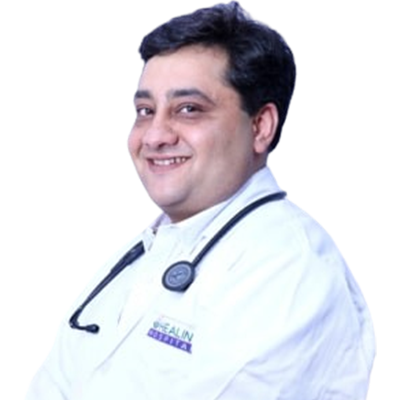
Dr. H.P. Singh is a dedicated Consultant in Internal Medicine with a strong academic foundation and extensive clinical experience in diagnosing and managing a wide range of acute and chronic medical conditions. He is committed to delivering ethical, evidence-based, and patient-centered care, combining sound clinical judgment with a compassionate approach to help patients achieve better health and long-term well-being.
Doctors Available

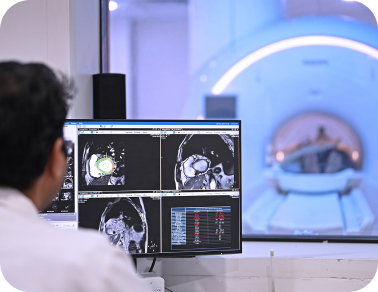
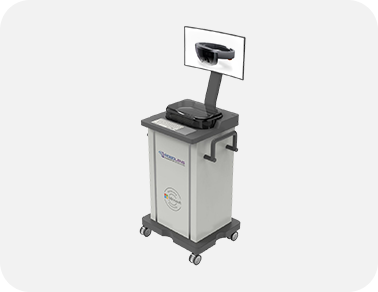
Equipped with state-of-art diagnostic and treatment technologies to ensure the best outcomes for our patients






Frequently Asked Questions (FAQs)
What are the early signs of diabetes?
Early signs of diabetes include increased thirst, frequent urination, unexplained fatigue, increased hunger, and blurred vision. Type 2 diabetes symptoms often develop gradually and can be easy to miss.
What causes diabetes?
Diabetes has different causes depending on the type. Type 1 diabetes is caused by an autoimmune attack on insulin-producing cells, while Type 2 diabetes is linked to insulin resistance, often driven by genetics, obesity, and lifestyle factors.
Can diabetes be treated without insulin?
Type 1 diabetes always requires insulin. Type 2 diabetes is often managed initially with lifestyle changes and oral medication, with insulin added later if blood sugar control isn’t adequate.
How is diabetes diagnosed?
Diabetes is diagnosed through blood tests including fasting blood glucose, HbA1c, and sometimes an oral glucose tolerance test, interpreted alongside symptoms and risk factors.
Is gestational diabetes dangerous for the baby?
Gestational diabetes needs proper management, since poorly controlled blood sugar during pregnancy can affect both mother and baby. With coordinated care, most pregnancies with gestational diabetes proceed safely.
Can prediabetes be reversed?
Yes. Prediabetes can often be reversed through sustained lifestyle changes, including weight loss, dietary changes, and regular exercise, potentially preventing progression to Type 2 diabetes.
What complications can untreated diabetes cause?
Untreated or poorly controlled diabetes can lead to heart disease, kidney damage, vision problems, nerve damage, and slow wound healing, developing gradually over years.
How often should diabetes complications be screened for?
Screening frequency depends on your diabetes type and control level, but annual checks for kidney function, eye health, and nerve function are commonly recommended for most patients.
Where can I get diabetes treatment near me in Chandigarh?
Healing Hospital’s Department of Internal Medicine and Endocrinology provides diabetes evaluation and treatment in Chandigarh, including diagnosis, medication management, insulin therapy, and coordinated complication care.
How do I book a consultation for diabetes treatment near me?
You can contact the Internal Medicine appointment desk of Healing Hospital, Sector 34A, Chandigarh at +91 90903 43495, 98768 98427or book online through www.healinghospital.co.in.
Blog

Calcium Rich Foods: Best Sources, Diet Tips and Deficiency Symptoms

Pregnancy Diet Plan: Month-by-Month Nutrition Guide for a Healthy Pregnancy

National Nutrition Week 2026: A Complete Guide to Dates, History and Better Eating

Pregnancy Diet Plan: Month-by-Month Nutrition Guide for a Healthy Pregnancy

Weight Loss Diet Plan for Beginners: Simple Meals and Calorie Deficit Guide

7-Day Weight Gain Diet: High-Calorie Foods for Healthy Weight Gain

Vitamin B12 Foods: A Complete Guide to Boost Your Vitamin B12 Levels

Balanced Diet Chart: Healthy Food Plan, Benefits & Sample Indian Diet Plan

Top 10 Superfoods for Kidney Health and Better Renal Function