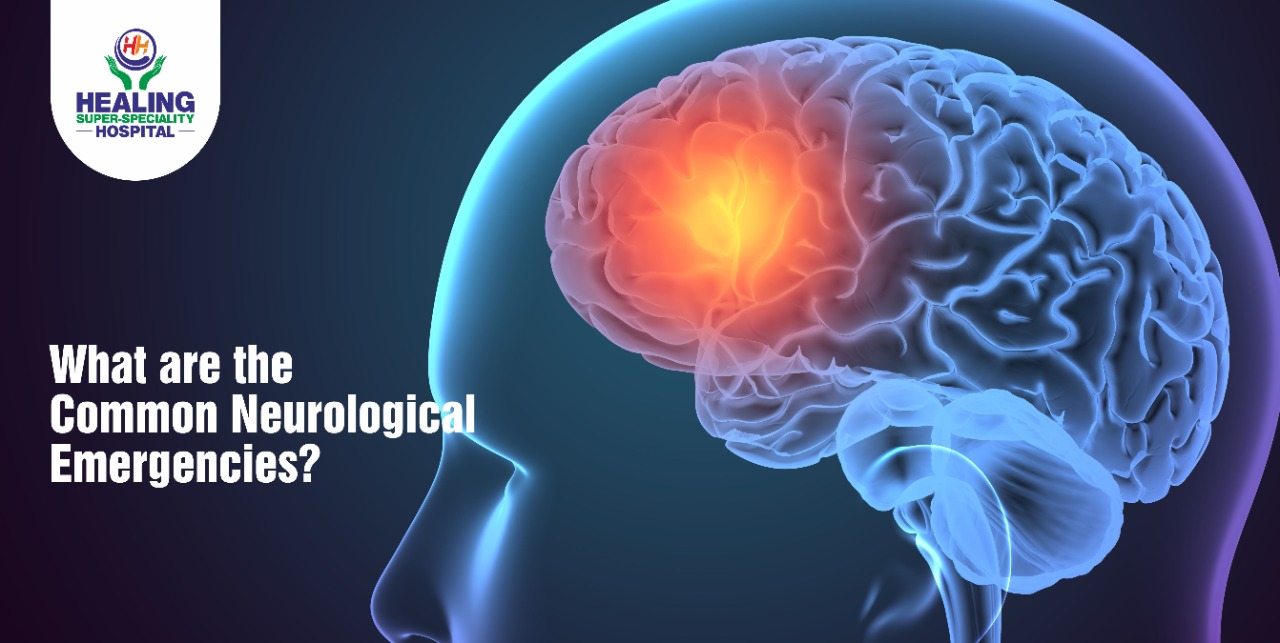
A brain strokeis a medical emergency that requires immediate evaluation and treatment. It occurs when blood flow to part of the brain is interrupted or when a blood vessel in the brain ruptures. Stroke symptoms can develop suddenly and can show up as facial drooping, weakness or numbness of the arm or leg, difficulty speaking, vision disturbances, loss of balance, or sudden severe headache. Recognizing the brain stroke symptoms and seeking brain stroke emergency care without delay is essential because timely treatment can reduce the risk of permanent brain damage and disability.
At Healing Hospital, the Department of Neurology provides comprehensive brain stroke treatment in Chandigarh with rapid diagnostic imaging. Depending on the type and severity of stroke, treatment can include thrombolysis, mechanical thrombectomy, intensive neurological monitoring, and structured stroke rehabilitation. When clinically indicated, the neurology team coordinates with neurosurgery and other specialists for complex or bleeding-related strokes.
If you notice sudden symptoms indicating a brain stroke, do not wait for them to improve on their own. Seek immediate emergency stroke care, as treatment options are often highly time-dependent.
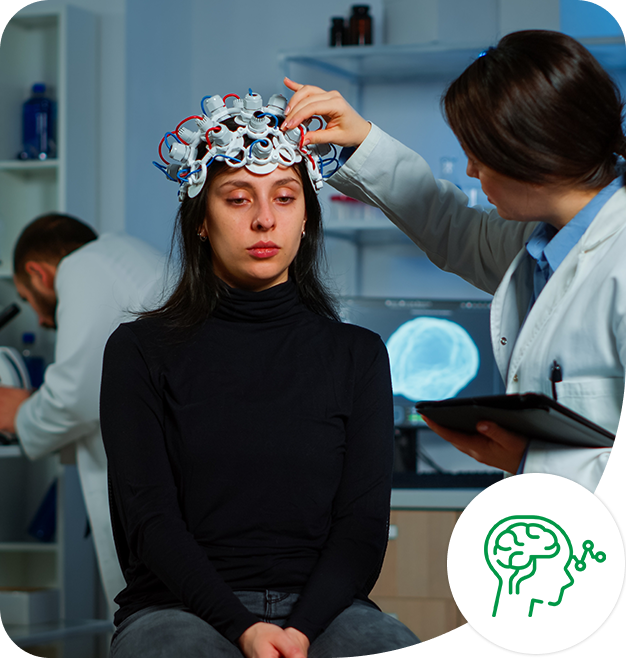
What is a Brain Stroke?
A brain stroke is a medical emergency that occurs when blood flow to part of the brain is blocked or when a blood vessel in the brain ruptures. Without adequate oxygen and nutrients, brain cells can begin to die within minutes, which is why rapid recognition, emergency imaging, and treatment are essential.
Types of Brain Stroke
Stroke is broadly classified according to whether blood flow is blocked, a blood vessel ruptures, symptoms occur temporarily without permanent infarction, or the underlying cause remains unidentified.
Ischemic Stroke
Ischemic stroke is the most common type. It occurs when a blood clot blocks an artery supplying the brain. The clot can form directly in a narrowed artery or travel from another part of the body, often the heart, before lodging in a brain artery. Urgent brain and blood-vessel imaging helps determine whether clot-dissolving medication or mechanical thrombectomy may be appropriate.
Hemorrhagic Stroke
A haemorrhagic stroke occurs when a blood vessel in or around the brain ruptures and causes bleeding. The two principal forms are:
- Intracerebral haemorrhage: Bleeding directly into brain tissue.
- Subarachnoid haemorrhage: Bleeding into the space surrounding the brain, sometimes caused by a ruptured aneurysm.
Treatment can require intensive monitoring, blood-pressure control, reversal of blood-thinning medicines when indicated, and neurosurgical or endovascular intervention.
Transient Ischaemic Attack (TIA)
A TIA causes sudden stroke-like symptoms because of temporary interruption of blood flow to the brain, spinal cord, or retina. Symptoms may resolve within minutes or a few hours, but a TIA should not be dismissed as a minor event. It is a warning that a major stroke may follow and requires urgent evaluation, even after symptoms disappear.
Cryptogenic Stroke
A cryptogenic stroke is an ischaemic stroke for which no definite cause is identified after appropriate investigation. Evaluation can include brain imaging, artery imaging, heart testing, electrocardiography, prolonged rhythm monitoring, and relevant blood tests.
Although the source can remain unknown, cryptogenic stroke still requires secondary prevention and follow-up to reduce the risk of another stroke.
Seek Emergency Care
Sudden facial drooping, one-sided weakness or numbness, slurred speech, confusion, loss of balance, vision changes, or a severe unexplained headache can indicate stroke. Call emergency services immediately, note when symptoms began, and do not wait for symptoms to resolve.
Severity of Brain Stroke
Stroke severity is commonly assessed using the National Institutes of Health Stroke Scale (NIHSS), which scores neurological function based on a structured examination. This helps guide treatment decisions and track recovery over time.
Minor Stroke (NIHSS 0 to 4)
Mild or minimal neurological deficit, sometimes with symptoms that are easy to overlook initially.
Moderate Stroke (NIHSS 5 to 15)
Noticeable weakness, speech difficulty, or other deficits that clearly affect function.
Moderate to Severe Stroke (NIHSS 16 to 20)
Significant impairment affecting multiple areas of neurological function.
Severe Stroke (NIHSS 21 to 42)
Extensive neurological impairment, often affecting consciousness, movement, and communication substantially.
These scores guide urgency and treatment choice, but they are only one part of the picture. Age, overall health, time since symptom onset, and imaging findings all factor into the treatment plan.
Signs & Symptoms of Brain Stroke
Brain stroke symptoms usually appear suddenly. Recognizing them quickly and arranging emergency medical care can help reduce brain injury and improve treatment options.
Remember BE FAST
- B - Balance: Sudden dizziness, loss of coordination, difficulty walking, or trouble staying upright.
- E - Eyes: Sudden blurred or double vision, vision loss, or difficulty seeing in one or both eyes.
- F - Face: One side of the face droops or feels numb, especially when the person tries to smile.
- A - Arms: One arm or leg becomes weak or numb, or one arm drifts downward when both arms are raised.
- S - Speech: Speech becomes slurred, confused, or difficult to understand; the person may also have trouble speaking or understanding others.
- T - Time: Call emergency services immediately if any sign appears, even if it improves or disappears.
Other Possible Symptoms
A stroke can also cause:
- Sudden numbness or weakness on one side of the body.
- Sudden confusion or difficulty understanding speech.
- Sudden severe headache with no known cause.
- Sudden difficulty swallowing.
- Sudden loss of coordination or inability to walk normally.
- Sudden changes in alertness, memory, or behaviour.
Not every person experiences all symptoms, and a stroke can occur without severe pain.
Do Not Ignore a TIA
If stroke-like symptoms resolve within minutes or hours, the person can have experienced a transient ischaemic attack (TIA). A TIA can look exactly like a stroke that temporarily reverses, but it remains a serious warning sign and needs urgent medical assessment, even after the person feels normal.
What to Do Immediately
- Call emergency services without delay.
- Note the exact time symptoms began or the last time the person was known to be well.
- Keep the person safe while waiting for medical help.
- Do not give food, drink, aspirin, or other medication unless instructed by medical professionals.
- Use an ambulance when available rather than driving, because emergency teams can begin assessment and alert the hospital during transport.
Sudden facial drooping, arm weakness, speech difficulty, vision loss, severe headache, or loss of balance should always be treated as a medical emergency. Immediate brain imaging is needed to determine whether the stroke is caused by a clot or bleeding and to guide safe treatment.
Brain Stroke: Causes and Risk Factors
A brain stroke occurs when a blood vessel supplying the brain becomes blocked or ruptures. Stroke risk is influenced by medical conditions, lifestyle habits, age, and family history. Many important risk factors can be reduced through regular screening, treatment, and healthy lifestyle changes.
Major Medical Risk Factors
- High blood pressure: Hypertension is the leading modifiable risk factor. Persistently high pressure damages and weakens blood vessels, increasing the risk of both ischaemic and haemorrhagic stroke.
- Atrial fibrillation and heart disease: Irregular rhythms such as atrial fibrillation can allow clots to form in the heart and travel to the brain. Other heart conditions may also increase the risk of embolic stroke.
- Diabetes: Persistently high blood sugar damages blood vessels and often occurs alongside high blood pressure, abnormal cholesterol, and obesity, further increasing stroke risk.
- High cholesterol: Elevated LDL cholesterol can contribute to plaque buildup and narrowing in the arteries supplying the brain.
- Carotid artery disease: Plaque or narrowing in the carotid arteries, which carry blood to the brain, can reduce blood flow or release material that blocks a smaller brain artery.
- Previous stroke or TIA: A history of stroke or transient ischaemic attack significantly increases the chance of another stroke and requires an individualised prevention plan.
Lifestyle and Behavioural Factors
- Smoking and tobacco exposure: Smoking damages the lining of blood vessels, promotes clot formation, and reduces oxygen delivery. It is associated with a substantially higher stroke risk compared with not smoking.
- Obesity and physical inactivity: Excess weight and low physical activity can contribute to high blood pressure, diabetes, sleep apnoea, and unhealthy cholesterol levels.
- Excessive alcohol use: Heavy alcohol intake can raise blood pressure and trigger irregular heart rhythms, increasing the risk of stroke.
- Unhealthy diet: High salt intake, excess saturated or trans fats, and low intake of vegetables, fruit, and fibre may worsen blood pressure, cholesterol, diabetes, and weight-related risk.
Risk Factors You Cannot Change
- Age: Stroke risk generally increases with age, although stroke can occur in younger adults.
- Family history: Having a close family member who has had a stroke may increase your risk.
- Previous vascular disease: A history of coronary artery disease or other vascular conditions may indicate a higher overall risk.
These factors do not mean that a stroke is inevitable. Controlling blood pressure, managing diabetes and cholesterol, treating atrial fibrillation, stopping tobacco use, maintaining a healthy weight, exercising regularly, limiting alcohol, and taking prescribed medicines can help reduce risk.
Brain Stroke Diagnosis and Testing
Rapid and accurate diagnosis determines whether a stroke is caused by a clot or bleeding and helps doctors select time-sensitive treatment. Evaluation usually begins as soon as the patient reaches the emergency department, with neurological assessment, brain imaging, vascular imaging, and targeted laboratory and cardiac tests.
Rapid Neurological Examination
A structured examination assesses alertness, speech, facial movement, limb strength, sensation, vision, coordination, and language. Clinicians can use the National Institutes of Health Stroke Scale (NIHSS) to document stroke severity and monitor changes over time.
The exact time the patient was last known to be well is also recorded because it can affect eligibility for emergency treatments.
CT Scan of the Brain
A non-contrast CT scan is commonly the first urgent brain-imaging test. It can rapidly identify bleeding, major swelling, and other conditions that may mimic stroke. This distinction is essential because clot-dissolving treatment is not appropriate when intracranial bleeding is present.
MRI Brain
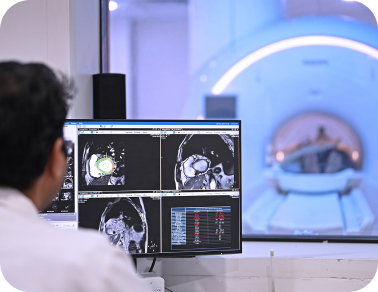
MRI provides more detailed images of brain tissue than CT in many situations. Diffusion-weighted MRI can detect early ischaemic injury and small or posterior-circulation strokes that may be difficult to see on an initial CT. MRI is used when clinically appropriate and when it will not create an unsafe delay in emergency treatment.
CT or MR Angiography
CT angiography or MR angiography visualises arteries in the head and neck. These tests can identify a large-vessel blockage, aneurysm, vascular narrowing, or other abnormalities and help determine whether mechanical thrombectomy or another vascular procedure should be considered.
Carotid Doppler Ultrasound
Carotid Doppler ultrasound assesses blood flow through the carotid arteries in the neck. It can detect plaque and narrowing that may have contributed to an ischaemic stroke or TIA. Depending on the findings, CT angiography, MR angiography, or catheter angiography may be used for further confirmation and treatment planning.
Echocardiogram & Other Cardiac Tests
An echocardiogram evaluates the heart for possible sources of blood clots, including chamber abnormalities, valve disease, or reduced heart function. Doctors can also use an ECG and heart-rhythm monitoring to look for atrial fibrillation or other arrhythmias that can cause embolic stroke.
Blood Tests
Blood tests can include:
- Blood glucose.
- Complete blood count and platelet count.
- Clotting studies such as INR and aPTT.
- Kidney function and electrolytes.
- Cholesterol and other vascular risk markers.
- Additional tests based on age, medical history, symptoms, and suspected stroke cause.
If facial drooping, one-sided weakness, speech difficulty, vision loss, sudden imbalance, or a severe unexplained headache occurs, call emergency services immediately.
Emergency Stroke Treatment in Chandigarh
Brain stroke treatment at Healing Hospital is organized around rapid assessment, urgent imaging, timely treatment, close monitoring, and coordinated rehabilitation. The appropriate treatment depends on whether the stroke is ischaemic or haemorrhagic, the time since symptoms began, imaging findings, stroke severity, and the patient’s overall health.
Thrombolysis
Eligible patients with an acute ischaemic stroke can receive intravenous thrombolytic medication to dissolve a clot and restore blood flow. Treatment is time-sensitive, and eligibility depends on the time last known well, brain imaging, bleeding risk, symptoms, and medical history.
Mechanical Thrombectomy
Mechanical thrombectomy is a catheter-based procedure used to remove a clot from a blocked major brain artery. A specialist guides a device through the blood vessels to retrieve the clot. The procedure can be coordinated with the Neurosurgery and endovascular teams.
Treatment of Haemorrhagic Stroke
Management focuses on controlling bleeding and preventing further brain injury. Depending on the cause, treatment can include careful blood-pressure management, reversal of blood-thinning medicines, treatment of raised intracranial pressure, surgical evacuation of a haematoma, or securing a ruptured aneurysm through clipping or coiling.
Blood-Pressure and Medical Stabilization
Blood pressure, oxygen levels, blood sugar, temperature, heart rhythm, swallowing safety, and neurological status are monitored closely. Blood-pressure targets differ according to stroke type and whether thrombolysis or thrombectomy has been performed, so medicines should not be started or stopped without medical direction.
Stroke Unit and ICU Monitoring
Patients can require admission to a dedicated stroke unit or ICU for frequent neurological observations and management of complications such as brain swelling, aspiration, seizures, pneumonia, abnormal heart rhythm, or worsening weakness. Early specialist monitoring supports timely adjustment of treatment.
Brain Stroke Recovery and Rehabilitation
Recovery & Rehabilitation varies widely according to the stroke’s location and severity, the patient’s age and health, complications, and how quickly blood flow was restored.
Initial Stabilization
The first few days post-stroke focus on maintaining breathing and circulation, preventing complications, assessing swallowing, managing fever and blood sugar, preventing blood clots, and beginning safe movement and positioning.
Physiotherapy
Physiotherapy helps improve strength, balance, coordination, walking, transfers, and limb control. Therapy can begin with bed mobility and sitting balance before progressing to standing, walking, and task-specific exercises.
Speech and Swallowing Therapy
Speech-language therapy supports patients with speech, language, reading, writing, memory, and communication difficulties. Swallowing assessment and therapy can reduce choking and aspiration risk and guide safe food and fluid consistency.
Occupational Therapy
Occupational therapy focuses on daily activities such as dressing, bathing, eating, writing, and using household objects. Therapists can recommend adaptive equipment and safer techniques when full movement has not yet returned.
Long-Term Monitoring
Follow-up care tracks neurological recovery and manages risk factors such as blood pressure, diabetes, cholesterol, atrial fibrillation, smoking, weight, and sleep apnoea. Ongoing secondary prevention is essential to reduce the risk of another stroke.
Caregiver Support
Family education is an important part of recovery. Caregivers can receive guidance on safe transfers, mobility, communication, swallowing precautions, medicine adherence, fall prevention, emotional changes, and environmental modifications.
Why Early Evaluation Matters for Brain Stroke
In stroke care, the phrase “time is brain” means that every minute without treatment can lead to irreversible loss of brain cells. A stroke is not a condition where waiting a day or two makes little difference. The treatments that can most reduce disability-clot-dissolving medication and mechanical thrombectomy-are effective only within specific time windows from when symptoms begin.
Time-Sensitive Treatment Windows
- Intravenous thrombolysis: For eligible ischaemic strokes, treatment is most effective when started as soon as possible, generally within 3–4.5 hours of symptom onset. The benefit declines steadily as time passes.
- Mechanical thrombectomy: For large-vessel blockages, clot removal can be considered up to 24 hours in selected patients when advanced imaging shows brain tissue that can still be saved.
- The “golden hour”: The first 60 minutes after symptom onset are especially critical. Early triage, imaging, and treatment initiation during this period are associated with better survival and functional recovery.
Impact of Delay
Studies show that each minute of delay in stroke treatment is associated with worse outcomes, including higher risk of disability, reduced mobility, and lower survival. Faster door-to-needle times for thrombolysis are linked to better functional recovery at 90 days.
Why Choose Healing Hospital for Brain Stroke Treatment in Chandigarh?
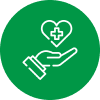
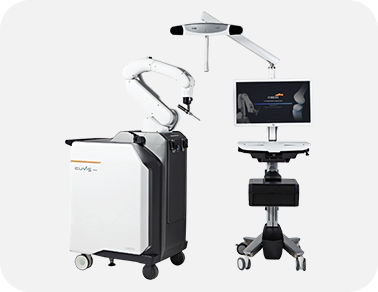
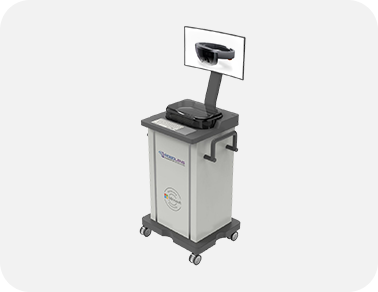
Advanced Neuronavigation Technology : For the patients requiring surgical intervention, such as clot evacuation or aneurysm treatment, our neurosurgeons use neuronavigation systems that map the brain in real time during surgery. This allows more precise targeting of the affected area, reducing risk to surrounding healthy tissue and supporting safer outcomes in high-stakes procedures.

24×7 Super Specialists and Trauma Centre Under One Roof : Healing Hospital’s trauma centre operates round the clock, with in-house senior neurologists and neurosurgeons available on call, enabling rapid assessment, timely intervention, and coordinated specialist management for emergency stroke cases, where delays in treatment can lead to permanent brain damage, severe disability, or life-threatening complications.

Centrally Located for the Fastest Possible Response : Located in Sector 34A, Healing Hospital is positioned to minimize the single factor that matters most in stroke care: time. Every minute saved in reaching a stroke hospital near you is a minute of brain tissue potentially preserved, which is why our central location is a clinical advantage for patients across Chandigarh.
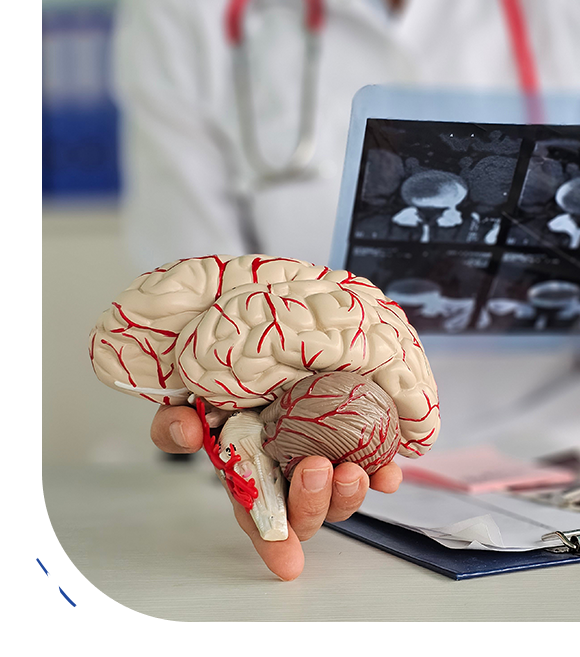
Brain Stroke Prevention and Risk Reduction
Many strokes are genuinely preventable through consistent management of underlying risk factors.
Control Blood Pressure
Since high blood pressure is the leading brain stroke risk factor, keeping it well controlled through medication and lifestyle changes has the single biggest impact on stroke prevention.
Manage Diabetes and Cholesterol
Keeping blood sugar and cholesterol within target ranges protects blood vessels throughout the body, including those supplying the brain.
Quit Smoking
Stopping smoking reduces stroke risk meaningfully, with benefits beginning within a relatively short time of quitting.
Limit Alcohol Intake
Reducing alcohol consumption supports healthier blood pressure and reduces irregular heart rhythm risk.
Stay Physically Active
Regular exercise supports healthy blood pressure, weight, and cardiovascular function, all of which lower stroke risk.
Follow a Heart-Healthy Diet
A diet rich in vegetables, fruits, whole grains, and lean protein, with limited salt and saturated fat, supports healthy blood vessels.
Treat Atrial Fibrillation and Heart Conditions
Proper management of irregular heart rhythms significantly reduces the risk of clot-related stroke.
Don't Ignore TIA Symptoms
A brief episode of weakness, speech difficulty, or vision change that resolves on its own is not a reason to relax. It's a reason to seek same-day evaluation, since it's one of the clearest warning signs medicine has for a preventable, larger stroke ahead.
Meet Our Brain Stroke Specialists in Chandigarh
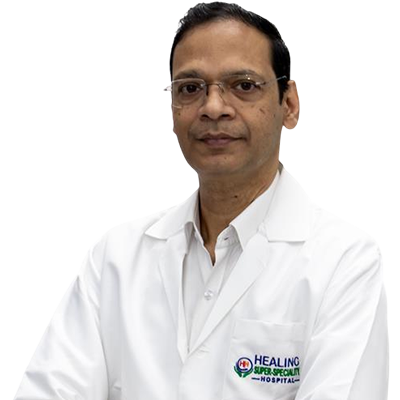
At Healing Hospital, brain stroke is managed through a coordinated Neurology and Neurosurgery team, from emergency diagnosis through treatment and long-term rehabilitation.
📞 Call: +91-9464343434 or walk in directly at our emergency department for emergency stroke services.
Other Neurology Services at Healing Hospital
Healing Hospital’s Neurology department provides evaluation, treatment, rehabilitation guidance, and long-term follow-up for a broad range of brain, spine, nerve, and movement disorders, alongside dedicated brain stroke care in Chandigarh.
Reviewed By
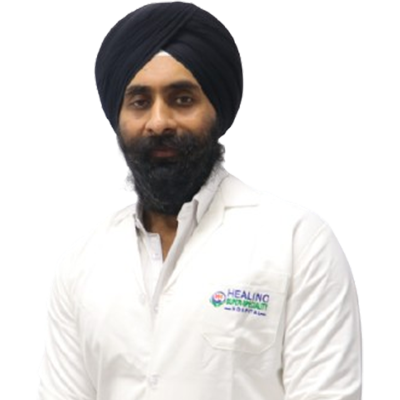
Dr. Jaspreet Singh Randhawa
Neurosurgery
15+ Years

Dr. Jaspreet Singh Randhawa is a board-certified and highly accomplished Senior Consultant Neurosurgeon at Healing Hospital, Chandigarh with 15+ years transformative experience in the management of complex neurological and spinal disorders. He is a Gold Medalist in M.Ch. Neurosurgery from the prestigious Armed Forces Medical College (AFMC), Pune—one of India’s most elite neurosurgical training programmes—where he trained under the guidance of eminent neurosurgeons Brig (Dr.) M. N. Swamy and Brig (Dr.) Maneet Gill, gaining proficiency in performing both routine and highly complex neurosurgical procedures.
Doctors Available
Equipped with state-of-art diagnostic and treatment technologies to ensure the best outcomes for our patients





Frequently Asked Questions (FAQs)
What are the warning signs of a brain stroke?
The most common warning signs can be remembered using the FAST approach: Face drooping, Arm weakness, Speech difficulty, and Time to seek emergency medical care. Other symptoms may include sudden numbness, vision changes, severe headache, dizziness, or loss of balance.
What should I do if I suspect someone is having a brain stroke?
Seek brain stroke emergency care immediately. Note the time when the symptoms first appeared and do not wait for them to improve on their own. Early assessment is critical because some stroke treatments are highly time-dependent.
What is the difference between an ischemic and a hemorrhagic stroke?
An ischemic stroke occurs when a blood clot blocks blood flow to part of the brain. A hemorrhagic stroke occurs when a blood vessel ruptures and causes bleeding in or around the brain. Because treatment differs between the two, urgent brain imaging is essential for determining the appropriate treatment.
Is a TIA (mini-stroke) something I can ignore if it resolves on its own?
No. A transient ischemic attack (TIA) can be an important warning that a major stroke may occur in the future. Even when symptoms completely resolve, urgent medical evaluation is necessary to identify the cause and reduce the risk of a subsequent stroke.
How much time do I have to get treatment after a stroke starts?
Treatment eligibility depends on the type of stroke, the time since symptoms began, and the patient’s clinical and imaging findings. Some treatments have specific time windows, while selected patients may qualify for mechanical thrombectomy beyond the earliest treatment window based on advanced imaging. Do not delay emergency evaluation, even if you are unsure when treatment may still be possible.
Can someone fully recover after a brain stroke?
Recovery varies depending on the type and severity of the stroke, the area of the brain affected, existing health conditions, and how quickly treatment begins. Many patients can regain significant function with timely treatment and structured rehabilitation, although some may experience lasting effects.
Is brain stroke preventable?
Many stroke risk factors can be reduced through effective management of high blood pressure, diabetes, high cholesterol, smoking, physical inactivity, and conditions such as atrial fibrillation. Prompt evaluation of TIA symptoms is also important because early treatment can help reduce the risk of a subsequent stroke.
Where can I find an experienced brain stroke doctor in Chandigarh?
If you are looking for an experienced brain stroke doctor near you in Chandigarh, Mohali, Panchkula, or the surrounding Tricity region, Healing Hospital, Sector 34A, Chandigarh, provides 24×7 stroke evaluation and treatment supported by diagnostic imaging and coordinated Neurology and Neurosurgery services.
How can I book a consultation with a brain stroke doctor near me?
You can schedule a consultation by calling +91-96073 43434 or +91-79861 15995, or book online through Healing Hospital’s website. For active stroke symptoms, do not wait for a routine appointment; seek emergency medical care at +91-9464343434 immediately.
Blog
World Spine Day 2026: Awareness, Prevention, and Lifelong Spine Health
Rett Syndrome Awareness Month 2026: Understanding, Support, and Early Intervention
World Cerebral Palsy Day 2026: Understanding, Support, and Awareness
World Meningitis Day 2026: Theme, Awareness, Prevention, Symptoms & Vaccination
World Alzheimer’s Day: Alzheimer’s Disease Awareness, Signs & Support
Comprehensive Guide to Choosing the Best Spine Surgeon in Chandigarh
Migraine Symptoms and Causes: When Headache Becomes Serious
Leading Brain & Spine Surgeons: Who Is the Best Neurosurgeon in Chandigarh?
Understanding Minimally Invasive Spine Surgery (MISS): Benefits and Risks