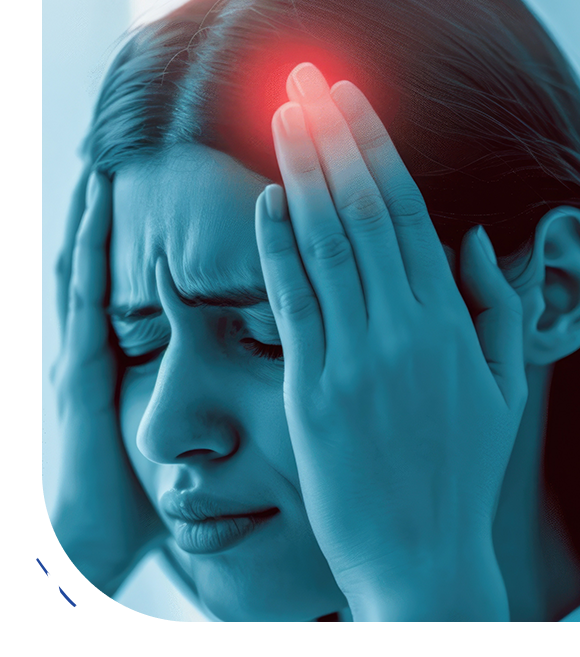
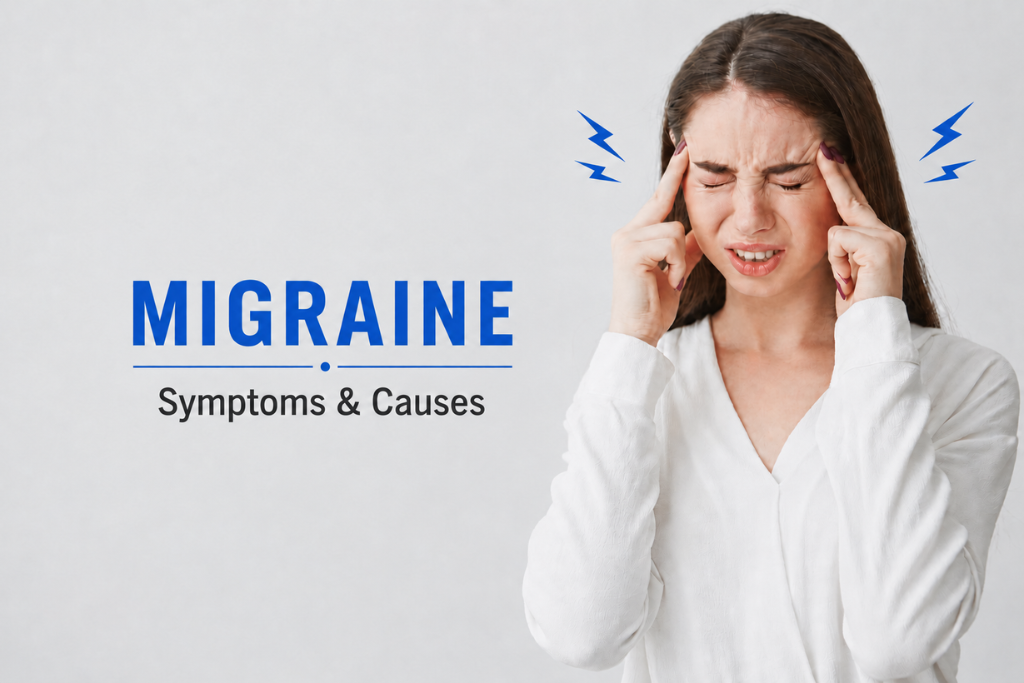
Migraine is a neurological condition and requires proper medical evaluation and treatment. It commonly causes throbbing, often one-sided head pain, along with symptoms such as nausea and sensitivity to light or sound. Frequent or severe migraine attacks can interfere with work, sleep, and everyday activities.
At Healing Hospital, the Department of Neurology provides comprehensive migraine treatment in Chandigarh, including detailed clinical evaluation, identification of individual triggers, and personalized acute and preventive treatment plans. For patients with frequent, severe, or treatment-resistant migraine, management can include advanced preventive therapies such as CGRP-targeted medications or Botox for chronic migraine, when clinically appropriate. Care can also be coordinated with other specialists when an underlying or contributing medical condition is suspected.
If your headaches are becoming more frequent, more severe, or are no longer responding to previously effective medication, a neurological evaluation can help identify the underlying migraine pattern and determine an appropriate treatment strategy. This can help reduce the frequency or intensity of migraine attacks and improve day-to-day quality of your life.
What is Migraine?
Migraine is a primary headache disorder and a complex neurological condition. It is caused by changes in brain activity that affect pain-processing pathways, blood vessels, and nerve signalling. The trigeminal nerve pathway and brain chemicals such as serotonin and calcitonin gene-related peptide (CGRP) play a central role in generating and maintaining migraine pain.
During a migraine attack, the trigeminal nerve becomes activated and sends pain signals to different areas of the brain. Nerve endings release chemical signals, including CGRP, which promote neurogenic inflammation, vasodilation of meningeal blood vessels, and increased sensitivity of pain pathways. This process helps explain the throbbing, often one-sided head pain and the heightened sensitivity to light, sound, and smell that many people experience.
In people who experience migraine aura, a wave of altered brain activity called cortical spreading depression may move across the surface of the brain. This can produce temporary visual or sensory symptoms such as flashing lights, zigzag lines, or numbness before or during the headache.
Types of Migraine
The International Classification of Headache Disorders (ICHD-3) defines several migraine types based on symptoms, frequency, and associated features.
Migraine Without Aura (Common Migraine)
This is the most frequent type. It causes moderate to severe, throbbing head pain, often on one side, along with nausea and sensitivity to light and sound. There is no preceding neurological warning phase.
Migraine With Aura (Classic Migraine)
Attacks are preceded or accompanied by temporary neurological symptoms, most often visual. These can include flashing lights, zigzag lines, or temporary blind spots. Numbness, tingling, or speech difficulty can also occur as part of an aura. Aura symptoms typically develop gradually over at least 5 minutes and last 5–60 minutes before or during the headache.
Chronic Migraine
Chronic migraine is defined as headache on 15 or more days per month for more than 3 months, with migraine features present on at least 8 of those days. This pattern usually requires more intensive preventive management than occasional attacks and often involves a combination of lifestyle changes and medications.
Menstrual Migraine
Menstrual migraine is closely linked to hormonal fluctuations around menstruation. Attacks often occur in the days just before or during a period and may be more severe, longer-lasting, and harder to treat than migraines at other times of the cycle.
Hemiplegic Migraine
A rare form that causes temporary weakness or paralysis on one side of the body during an attack, sometimes with other aura symptoms. Because this can closely resemble stroke, careful neurological evaluation and diagnostic imaging are essential to confirm the diagnosis and exclude other causes.
Vestibular Migraine
In vestibular migraine, dizziness or vertigo is a dominant feature. Attacks can last from minutes to hours and can occur with or without significant head pain. Diagnosis requires a history of migraine and recurrent vestibular episodes with migrainous features such as photophobia or phonophobia.
Migraine Aura Without Headache (Silent Migraine)
Sometimes called “silent migraine,” this involves aura symptoms occurring without a subsequent headache phase. Visual or sensory disturbances can still be disabling, even in the absence of pain, and should be evaluated to rule out other neurological conditions.
Identifying your migraine type is an important step in building a personalized treatment plan. If your headaches are frequent, severe, or changing in pattern, a structured neurological assessment can confirm the diagnosis and guide appropriate therapy.
Signs and Symptoms of Migraine
Migraine attacks often move through recognizable phases, though not everyone experiences every stage with every attack.
The Four Phases of a Migraine Attack
- Prodrome: Subtle changes such as mood shifts, food cravings, neck stiffness, unusual yawning, fatigue, or difficulty concentrating.
- Aura (up to 60 minutes, if present): Temporary visual, sensory, or speech disturbances such as flashing lights, zigzag lines, blind spots, tingling, or numbness. Aura typically develops gradually over at least 5 minutes and resolves before or during the headache.
- Headache (4 to 72 hours, if untreated): Moderate to severe, throbbing or pulsating pain, often on one side, worsened by routine activity. Commonly accompanied by nausea, vomiting, and sensitivity to light, sound, or smell.
- Postdrome (up to 24–48 hours after pain resolves): A “migraine hangover” with fatigue, mild confusion, difficulty concentrating, mood changes, and lingering sensitivity.
Other Possible Symptoms
- Neck pain or stiffness.
- Dizziness or vertigo.
- Difficulty concentrating or trouble in finding appropriate words to speak.
- Irritability, low mood, or feeling unusually tired.
When to Seek Emergency Care
Most migraines are not emergencies, but certain “red flag” features require urgent medical assessment rather than routine follow-up. Seek immediate care, if you experience:
- A sudden, extremely severe headache that reaches maximum intensity within seconds or minutes (“thunderclap” headache).
- Headache with fever, stiff neck, rash, confusion, or drowsiness.
- New neurological symptoms such as weakness, numbness, facial drooping, slurred speech, or vision loss.
- A significant change in your usual headache pattern or the “worst headache of your life.”
- Headache after a head injury.
- New, unusual headache onset.
If any of these features are present, call emergencyservices or go to the nearest emergency department immediately.
Migraine Causes and Risk Factors
Migraine is a neurological condition influenced by genetic, hormonal, neurological, and environmental factors. Attacks can occur when changes in brain activity affect pain pathways and associated chemical signalling.
- Genetics and Family History: Migraine has a strong hereditary component. Having a close biological relative with migraine can increase an individual's risk.
- Hormonal Changes: Fluctuations in estrogen levels, particularly around menstruation, pregnancy, and menopause, can trigger migraine attacks in some women.
- Neurological Sensitivity: Changes involving the trigeminal nerve pathway and signalling molecules such as serotonin and CGRP are involved in the development of migraine attacks.
- Stress: Acute stress, as well as the period immediately after stress subsides, can trigger migraine attacks in some people.
- Sleep Disturbances: Both insufficient and excessive sleep can contribute to migraine attacks.
- Dietary Factors: Skipping meals, alcohol, excessive caffeine, aged cheese, processed meats, and certain artificial sweeteners are reported triggers for some patients. Triggers vary considerably between individuals.
- Sensory Triggers: Bright or flashing lights, strong smells, and loud sounds can precipitate migraine attacks in susceptible individuals.
- Weather Changes: Changes in barometric pressure can trigger migraine attacks in some people.
- Dehydration: Inadequate fluid intake can contribute to headaches and can trigger migraine attacks in some individuals.
Migraine Diagnosis and Testing
Migraine is usually diagnosed based on a detailed history and examination, though imaging plays an important role in ruling out other causes when needed.
Detailed Headache History
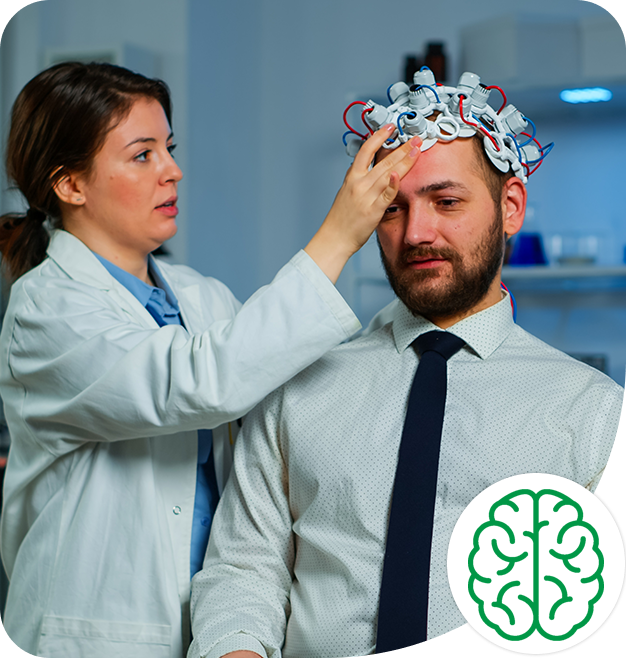
This is the single most important diagnostic tool. Your neurologist will ask about the pattern, frequency, duration, and triggers of your headaches, along with associated symptoms, since this detail often points strongly toward a migraine diagnosis on its own.
Neurological Examination
A structured examination checks for any focal neurological signs that would suggest a cause other than migraine, since a normal examination supports the diagnosis alongside a typical history.
MRI Brain
MRI can be ordered when red flag symptoms are present, the neurological examination is abnormal, or the headache pattern is atypical.
CT Scan of the Brain
Used in the emergency setting for a sudden, severe thunderclap headache, to rule out bleeding before assuming the cause is migraine.
Blood Tests
They can be used to rule out other contributing causes, such as thyroid dysfunction or infection, particularly when the presentation is atypical.
Migraine Treatment in Chandigarh at Healing Hospital
Migraine treatment in Chandigarh at Healing Hospital focuses on relieving individual attacks and reducing the frequency and severity of future episodes.
Acute (Abortive) Treatment
Acute treatment is used to relieve symptoms during a migraine attack. Options can include triptans, NSAIDs, and anti-nausea medicines when required. Newer medicines such as gepants and ditans can also be considered for those patients who cannot tolerate or do not respond adequately to triptans.
Preventive Treatment
Preventive treatment can be recommended for patients with frequent, severe, or disabling migraine attacks. Depending on the patient's health profile and coexisting conditions, the options can include beta-blockers, certain anticonvulsants, tricyclic antidepressants, or CGRP-targeting monoclonal antibodies.
Botox for Chronic Migraine
For selected patients with chronic migraine that remains inadequately controlled with standard preventive treatment, Botox (onabotulinumtoxinA) may be considered. It is administered according to a structured treatment schedule under specialist supervision.
Trigger Identification and Lifestyle Management
A headache diary can help identify individual triggers and patterns. Your neurologist can also recommend practical measures related to sleep, hydration, regular meals, stress management, and other lifestyle factors that may influence migraine frequency.
Management of Severe or Prolonged Attacks
A migraine attack lasting more than 72 hours despite treatment, known as status migrainosus, may require hospital-based care. Depending on the clinical situation, treatment may include intravenous medicines, fluids, and appropriate monitoring.
Migraine Recovery and Long-Term Management
Migraine is often a long-term condition, but consistent treatment and follow-up can help many patients achieve better control and reduce the frequency and severity of attacks.
Initial Treatment Response Period
The first few months of management focus on establishing an effective acute treatment and, when appropriate, starting preventive therapy. Follow-up helps assess treatment response, tolerability, and overall progress.
Medication Titration and Adjustment
Preventive medicines can require gradual dose adjustments, and their full benefit can take several weeks to become apparent. Your neurologist can adjust the treatment according to symptom control, side effects, and individual treatment goals.
Headache Diary and Trigger Tracking
Ongoing headache tracking helps determine whether treatment is reducing the frequency, severity, and duration of migraine attacks. It can also help identify new or changing triggers.
Managing Medication-Overuse Headache
Frequent use of acute migraine medicines can contribute to medication-overuse headache, creating a cycle of increasingly frequent headaches. Regular review of medication use can help identify this problem and guide appropriate changes to the treatment plan.
Long-Term Monitoring
Regular neurological follow-up allows preventive treatment to be adjusted as the migraine pattern changes. When attacks remain well controlled for a sustained period, the neurologist can assess whether treatment can be reduced or stopped safely.
Why Choose Healing Hospital for Migraine Treatment in Chandigarh?

Comprehensive Neurological Evaluation : Our team of gold-medalist neurologists assess your headache pattern, symptoms, medical history, and potential triggers to establish an accurate diagnosis and identify when further investigation or imaging is clinically indicated. EEG and NCV tests are done in-house for detailed evaluation of symptoms.

Advanced Preventive Migraine Therapies : For patients with frequent or difficult-to-control migraine, treatment may include newer preventive options such as CGRP-targeted therapy for migraine and Botox for chronic migraine, when clinically appropriate.

Personalized Treatment and Long-Term Follow-Up : Migraine management often requires ongoing monitoring rather than a single consultation. Our Neurology team tailors treatment to your symptoms and response, with regular follow-up to optimise long-term control.
Migraine Prevention
Although migraine cannot always be completely prevented, several measures can help reduce the frequency and severity of attacks.
Identify and Avoid Personal Triggers
Use a headache diary to identify patterns and triggers specific to you rather than relying only on general migraine trigger lists.
Maintain a Consistent Sleep Schedule
Irregular sleep, insufficient sleep, and excessive sleep can contribute to migraine attacks. Maintaining a consistent sleep and wake schedule can help reduce this risk.
Stay Hydrated
Regular fluid intake throughout the day can help prevent dehydration, which may trigger migraine attacks in some people.
Manage Stress
Regular physical activity, relaxation techniques, and psychological support when appropriate can help manage stress-related migraine triggers.
Eat Regular Meals
Skipping meals can trigger migraine attacks in some patients. Maintaining regular meal times and avoiding prolonged periods without food may help reduce attacks.
Limit Alcohol and Caffeine
Alcohol and excessive caffeine can trigger migraine attacks in some people. Sudden changes in caffeine intake can also contribute to withdrawal headaches.
Follow Your Preventive Medication Plan
If preventive medication has been prescribed, taking it consistently as directed is important for achieving sustained migraine control. Do not stop or change medication without discussing it with your neurologist.
Seek Medical Evaluation for Frequent Headaches
Frequent or increasingly severe headaches should be evaluated by a healthcare professional. An appropriate diagnosis and preventive treatment plan can help reduce the impact of migraine on daily life.
Meet Our Migraine Specialists in Chandigarh
At Healing Hospital, migraine is evaluated and managed by our Neurology team, with treatment plans tailored to each patient's headache pattern, symptoms, and clinical needs.
📞 Call: +91-96073 43434 to schedule a consultation with our Neurology Department.
🌐 Book Online: Visit www.healinghospital.co.in or walk in to the front desk for an appointment.
Other Neurology Services at Healing Hospital
Healing Hospital’s Neurology Department provides evaluation, treatment, rehabilitation guidance, and long-term follow-up for a broad range of brain, spine, nerve, and movement disorders, alongside dedicated migraine treatment in Chandigarh.
Reviewed By
Dr. Sangeeta Pradhan
Neurology
12+ Years

Dr. Sangeeta Pradhan is a highly accomplished Consultant Neurologist with over 12 years of experience in diagnosing and treating a wide range of neurological disorders. She specializes in stroke, epilepsy, headache and migraine disorders, Parkinson’s disease and other movement disorders, dementia, neuropathies, neuromuscular disorders, spinal cord diseases, and other complex neurological conditions. Known for her patient-centric approach and clinical expertise, she is committed to delivering personalized, evidence-based neurological care.
Doctors Available


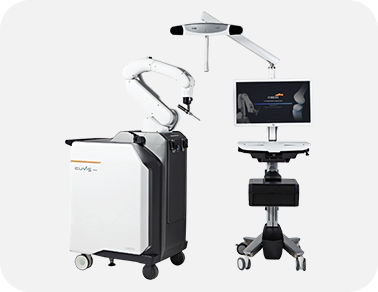
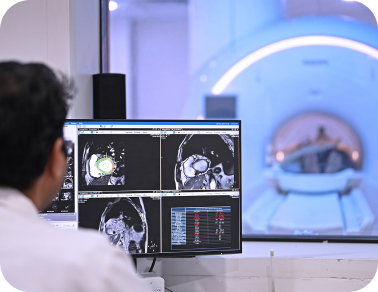
Equipped with state-of-art diagnostic and treatment technologies to ensure the best outcomes for our patients





Frequently Asked Questions (FAQs)
What is the difference between a migraine and a regular headache?
A regular tension headache typically causes dull, steady pressure on both sides of the head. A migraine tends to throb on one side, worsens with activity, and comes with nausea, light sensitivity, or visual disturbances that a normal headache rarely brings.
When should I see a migraine doctor near me?
Consult a migraine doctor near you, if your headaches are frequent, worsening, disrupting your daily life, or no longer responding to medication that used to work. A new or unusual headache pattern also warrants evaluation.
What are the warning signs that should be watched out for in a headache?
A sudden, extremely severe headache, headache with fever and neck stiffness, new weakness or speech difficulty, headache after a head injury, or new headache onset after age 50 all need urgent evaluation rather than being assumed to be migraine.
Can migraine be cured completely?
There is no permanent cure for migraine, but the right combination of acute and preventive treatment can significantly reduce how often and how severely attacks occur, and many patients see major improvement in quality of life.
What migraine treatments are available in Chandigarh?
Healing Hospital provides migraine treatment in Chandigarh including acute medication such as triptans, preventive medication, CGRP-targeting injections, and Botox for chronic migraine, along with trigger identification and lifestyle counselling.
Can overusing painkillers make migraine worse?
Yes. Using acute pain medication more than ten to fifteen days a month can lead to medication overuse headache, a rebound pattern that makes headaches more frequent rather than less. This is exactly why a structured treatment plan matters.
Is migraine hereditary?
Yes. Up to 80 % of people with migraine have a close biological relative with the condition, making family history one of the strongest known risk factors.
Can migraine turn into a daily headache, if left untreated?
Yes, in some patients. Poorly managed episodic migraine can gradually progress into chronic migraine, occurring on 15 or more days a month, which is significantly harder to treat once established. Early evaluation helps prevent this progression.
Where can I find an experienced migraine doctor in Chandigarh?
If you are looking for an experienced migraine doctor near me in Chandigarh, Mohali, Panchkula, or the surrounding Tricity region, Healing Hospital, Sector 34A, Chandigarh, provides comprehensive headache evaluation and treatment, including advanced preventive therapies.
How can I book a consultation with a migraine doctor near me?
You can schedule a consultation by calling +91-96073 43434, or book online through Healing Hospital’s website.
Blog
World Spine Day 2026: Awareness, Prevention, and Lifelong Spine Health
Rett Syndrome Awareness Month 2026: Understanding, Support, and Early Intervention
World Cerebral Palsy Day 2026: Understanding, Support, and Awareness
World Meningitis Day 2026: Theme, Awareness, Prevention, Symptoms & Vaccination
World Alzheimer’s Day: Alzheimer’s Disease Awareness, Signs & Support
Comprehensive Guide to Choosing the Best Spine Surgeon in Chandigarh
Migraine Symptoms and Causes: When Headache Becomes Serious
Leading Brain & Spine Surgeons: Who Is the Best Neurosurgeon in Chandigarh?
Understanding Minimally Invasive Spine Surgery (MISS): Benefits and Risks