An enlarged prostate, medically known as benign prostatic hyperplasia (BPH), is a common condition that becomes more likely with age. As the prostate enlarges, it may narrow the urethra and interfere with normal urine flow. This can lead to lower urinary tract symptoms that affect daily activities, sleep, and quality of life.
At Healing Hospital, the Department of Urology provides comprehensive evaluation and treatment for enlarged prostate in Chandigarh. Our urologists in Chandigarh assess each patient’s symptoms, prostate size, urinary flow, bladder function, general health, and treatment preferences before recommending a management plan. Treatment may include monitoring, lifestyle measures, medication, minimally invasive procedures, or surgery when clinically appropriate.
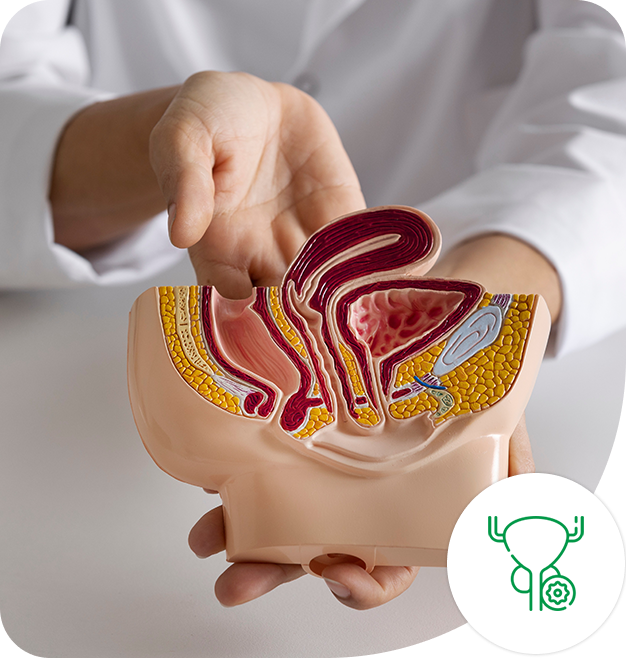
What is an Enlarged Prostate (BPH)?
The prostate is a small gland located below the bladder and around the urethra-the tube that carries urine out of the body. As men get older, the prostate may gradually increase in size. This growth can begin in midlife and becomes more common with advancing age, although the degree of enlargement and the symptoms vary from person to person.
Benign prostatic hyperplasia (BPH) means that the prostate has enlarged in a noncancerous way. The enlarged tissue can narrow the urethra and increase resistance to urine flow. Changes in the bladder muscle may also contribute to urinary problems such as frequent urination, a weak or interrupted stream, difficulty starting urination, urgency, night-time urination, dribbling, or a feeling that the bladder has not emptied completely.
BPH does not imply you have prostate cancer, and even the current evidence does not show that BPH itself increases the risk of developing prostate cancer. However, BPH and prostate cancer can occur in the same person, and some urinary symptoms may overlap with other prostate or urinary conditions. Persistent, worsening, or bothersome symptoms should therefore be assessed by a urologist near you, rather than self-diagnosed.
Patterns and Severity of Prostate Enlargement
After evaluation, the urologists usually assess whether the prostate is enlarged, whether it causes urinary symptoms or obstruction, and how severe the condition is.
Benign Prostatic Enlargement
This refers to an increase in the size of the prostate caused by noncancerous growth of prostate tissue. Enlargement may vary in size and shape between individuals.
BPH With Urinary Symptoms
Some men develop lower urinary tract symptoms, including frequent urination, urgency, night-time urination, weak stream, difficulty starting urination, dribbling, or incomplete bladder emptying. These symptoms are often grouped into:
- Storage symptoms: frequency, urgency, nocturia, and urinary leakage.
- Voiding symptoms: weak stream, hesitancy, straining, intermittency, and prolonged urination.
- Post-void symptoms: dribbling or a sensation that the bladder has not emptied fully.
BPH With Bladder Outlet Obstruction
In some men, the enlarged prostate narrows the urethra enough to restrict urine flow. This may lead to a weak stream, increased bladder pressure, incomplete emptying, urinary retention, recurrent urinary tract infections, or even effects on kidney function in advanced stages.
Mild, Moderate, or Severe BPH
BPH severity is assessed using several factors, including symptom intensity, impact on quality of life, urinary flow, post-void residual urine, prostate size, and evidence of obstruction. A symptom questionnaire such as the International Prostate Symptom Score (IPSS) may help assess severity, but treatment decisions are based on the complete clinical evaluation rather than the score alone.
Different Prostate Growth Patterns
BPH may involve different areas of the prostate, including growth around the urethra or enlargement of a middle or protruding lobe. These anatomical patterns can affect the degree of obstruction and may influence treatment selection. Imaging and urological assessment are needed to identify the pattern accurately.
Signs and Symptoms of an Enlarged Prostate
Enlarged prostate symptoms usually develop gradually, so many men may dismiss them as a normal part of ageing. However, persistent urinary changes should not be ignored, particularly when they affect sleep, daily activities, or quality of life.
Common BPH Symptoms
BPH may cause the following lower urinary tract symptoms:
- Weak or slow urinary stream.
- Difficulty starting urination, even when you feel the need to go.
- A stream that stops and starts.
- Frequent urination during the day.
- Waking repeatedly at night to urinate, known as nocturia.
- A sudden or difficult-to-control urge to urinate.
- A feeling that the bladder has not emptied completely.
- Needing to strain or push to start or maintain urine flow.
- Dribbling at the end of urination.
These symptoms may be caused by BPH, but they can also occur with urinary tract infections, bladder conditions, urethral narrowing, medication effects, or other prostate problems. A urological evaluation is important, if symptoms persist or gradually worsen.
Warning Signs to Watch For
Seek prompt medical evaluation, if you experience:
- Blood in the urine.
- Burning or pain while urinating.
- Fever or chills along with urinary symptoms.
- Recurrent urinary tract infections.
- Significant lower abdominal or pelvic pain.
- Increasing difficulty emptying the bladder.
- New or rapidly worsening urinary symptoms.
These signs may also indicate infection, bleeding, urinary obstruction, or another condition that requires assessment. They should not automatically be attributed to an enlarged prostate.
When to Seek Emergency Care
Sudden inability to urinate despite a strong urge to pass urine is called acute urinary retention. It may cause severe lower abdominal pain, pressure, or bladder fullness and requires immediate medical attention. Emergency evaluation is also appropriate if urinary retention occurs with severe pain, fever, vomiting, confusion, or marked weakness.
If several of these symptoms are affecting your sleep or daily routine, consult a urologist rather than adjusting your activities around them. Early evaluation can help identify the cause and determine whether monitoring, medication, or another treatment is appropriate.
Enlarged Prostate Causes and Risk Factors
The exact cause of benign prostatic hyperplasia (BPH) is not fully understood. However, research suggests that age-related changes in prostate tissue, hormonal activity, genetic factors, metabolic health, and lifestyle may all influence the development of prostate enlargement and urinary symptoms.
Ageing
Age is the strongest known risk factor for BPH. The prostate may begin to enlarge during midlife, and the likelihood of prostate enlargement and urinary symptoms increases with advancing age.
Hormonal and Tissue Changes
Hormonal activity is believed to contribute to prostate growth, although BPH results from multiple interacting factors. Testosterone is converted within prostate tissue to dihydrotestosterone (DHT), which can stimulate the growth and maintenance of prostate cells. Age-related changes in the balance and activity of sex hormones may also influence the development of BPH.
Family History and Genetics
Men with a close family member, particularly a father or brother, with BPH or significant prostate-related urinary symptoms may have a higher risk of developing the condition. This suggests that genetic factors may contribute to prostate enlargement.
Obesity and Metabolic Health
Obesity, type 2 diabetes, metabolic syndrome, high blood pressure, and cardiovascular disease have been associated with a higher risk of BPH or more bothersome lower urinary tract symptoms. These conditions may influence inflammation, hormone activity, blood-vessel health, and bladder function.
Physical Inactivity
Lower levels of physical activity have been associated with a greater risk of BPH symptoms in some studies. Regular exercise may support healthy weight, metabolic function, and bladder health, although it cannot prevent every case of prostate enlargement.
Inflammation and Other Factors
Local inflammation and changes in the prostate’s stromal and glandular tissue may also contribute to BPH. Diet, metabolic health, and other environmental factors are being studied, but they do not explain every case.
Diagnosis and Tests for Prostate Enlargement
An accurate diagnosis is important because symptoms attributed to BPH can also occur with urinary tract infection, prostatitis, bladder dysfunction, urethral narrowing, medication effects, and sometimes even prostate cancer.
Detailed Symptom History
Your urologist will ask about the type, duration, and severity of your urinary symptoms, including frequency, urgency, night-time urination, weak stream, difficulty starting, dribbling, and incomplete bladder emptying. You may be asked to complete a validated questionnaire such as the International Prostate Symptom Score (IPSS) to measure symptom severity and its effect on your quality of life.
Digital Rectal Examination
During a digital rectal examination (DRE), the urologist gently examines the prostate through the rectum to assess its approximate size, shape, symmetry, and consistency. The examination may help identify findings that require further evaluation, but it does not diagnose BPH or prostate cancer on its own.
Urinalysis
A urine test can identify blood, infection, or other abnormalities that may explain or contribute to urinary symptoms. If infection is suspected, additional urine testing may be recommended.
PSA Blood Test
PSA levels can be elevated due to multiple reasons including BPH, prostatitis, urinary infection, recent procedures, or prostate cancer, so PSA alone cannot distinguish these conditions by itself. The result is interpreted alongside the patient’s age, symptoms, digital rectal exam findings, family history, and overall risk.
Uroflowmetry
Uroflowmetry is a simple, non-invasive test that records how quickly and continuously urine passes during urination. It can identify a weak, interrupted, or obstructed flow pattern. The result is interpreted alongside the amount of urine passed, post-void residual volume, symptoms, and other examination findings.
Urodynamic Studies
Urodynamic studies provide a more comprehensive assessment of bladder and urethral function. Depending on the test, they may measure bladder pressure, bladder capacity, urine storage, and the coordination between the bladder muscle and urinary sphincter. They may be recommended when it is unclear whether symptoms are caused by prostate-related obstruction, bladder muscle dysfunction, nerve-related problems, or another lower urinary tract condition.
Prostate & Urinary Tract Ultrasound
Ultrasound may be used to estimate prostate volume, assess bladder emptying, examine the urinary tract, or look for complications such as stones or swelling of the upper urinary tract. It is particularly useful when the diagnosis is uncertain, complications are suspected, or a procedure is being considered; it is not necessary for every typical BPH evaluation.
Additional Tests When Required
Depending on the findings, your urologist may recommend kidney-function testing, a bladder diary, cystoscopy, urodynamic testing, or other imaging. These tests are generally ordered for selected patients with blood in the urine, recurrent infections, suspected obstruction, an uncertain diagnosis, poor response to treatment, or as a preparation for a surgery.
Enlarged Prostate or BPH Treatment Options
Treatment for enlarged prostate or benign prostatic hyperplasia (BPH) varies patient to patient. Your urologist will consider the severity and type of symptoms, prostate size and anatomy, urinary flow, bladder emptying, general health, medication use, and how much the condition affects your quality of life before recommending a treatment plan.
Watchful Waiting & Lifestyle Measures
For men with mild symptoms, lifestyle changes and regular monitoring can work well. Lifestyle measures may include reducing evening fluids, limiting caffeine and alcohol consumption, avoiding medications that worsen urinary symptoms when possible, and treating constipation.
Alpha-Blocker Medications
Alpha-blockers relax the smooth muscles around the prostate and bladder outlet, which can improve urine flow and reduce symptoms. They often begin working within days to weeks, but they do not shrink the prostate or eliminate the risk of future urinary retention. Possible side effects include dizziness, low blood pressure, and changes in ejaculation.
5-Alpha-Reductase Inhibitors
5-alpha-reductase inhibitors reduce the conversion of testosterone to dihydrotestosterone (DHT), which can gradually reduce prostate volume and lower the risk of urinary retention or future surgery. They are generally most suitable for men with an enlarged prostate and may take several months to produce their full effect.
Combination Medication
Some men with moderate-to-severe symptoms and a substantially enlarged prostate may benefit from an alpha-blocker combined with a 5-alpha-reductase inhibitor. Combination treatment may provide better symptom control and reduce the risk of disease progression, but it may also increase the likelihood of medication-related side effects.
Other Medical Treatment
Depending on the symptom pattern, the urologist may consider other medicines, such as tadalafil for patients with urinary symptoms and erectile dysfunction, or medicines targeting bladder-storage symptoms.
Minimally Invasive Procedures
Minimally invasive surgical therapies may be considered when symptoms persist despite medication, or when medicines are not tolerated well by the patient. Depending on prostate size, anatomy, and local availability, options may include prostatic urethral lift (UroLift), water-vapour therapy (Rezūm), laser procedures, or other guideline-supported techniques.
TURP & Other Prostate Surgeries
Transurethral resection of the prostate (TURP) is an established procedure for treating urinary symptoms caused by benign prostatic obstruction. During TURP, obstructing prostate tissue is removed through an instrument passed through the urethra.
Laser procedures, including laser vaporization or laser enucleation, remove or destroy obstructing prostate tissue through the urethra. The most suitable technique depends on prostate size, anatomy, urinary symptoms, bleeding risk, general health, and the surgeon’s experience.
BPH Recovery and Long-Term Management
Benign prostatic hyperplasia (BPH) may progress over time, but the course varies from person to person. Many men experience meaningful improvement with appropriate treatment, lifestyle changes, and regular follow-up. Long-term management depends on symptom severity, prostate size and anatomy, bladder function, general health, and the presence of complications.
Lifestyle and Medical Management
Men with mild or moderate symptoms may benefit from lifestyle measures, monitoring, and medication when appropriate. Reducing evening fluid intake, limiting caffeine and alcohol, maintaining a healthy weight, staying physically active, and managing conditions such as diabetes and constipation may help reduce urinary symptoms.
When medication is required, alpha-blockers may relax the smooth muscle around the prostate and bladder outlet to improve urine flow. In men with a significantly enlarged prostate, 5-alpha-reductase inhibitors may gradually reduce prostate volume and lower the risk of urinary retention or disease progression.
Recovery After Procedures or Surgery
Patients who undergo a minimally invasive procedure or surgery may need a period of recovery before urinary symptoms fully improve. Temporary frequency, urgency, mild burning, blood in the urine, or changes in urinary flow may occur after some procedures. The expected recovery depends on the treatment performed, prostate size, bladder function, general health, and individual healing.
Follow-Up After Treatment
Regular follow-up helps assess symptom improvement, urinary flow, post-void residual urine, medication response, and bladder emptying. Additional testing may be recommended if symptoms persist, recur, or do not match the initial diagnosis.
Protecting Bladder and Kidney Health
Persistent bladder outlet obstruction may impair bladder emptying and, in some cases, affect kidney function. Appropriate evaluation and treatment can help reduce the risk of urinary retention, recurrent urinary tract infections, bladder stones, visible blood in the urine, and other urinary complications.
Improving Quality of Life
Frequent urination, night-time waking, urgency, weak flow, and difficulty emptying the bladder can affect sleep, work, travel, and emotional well-being. Effective management can improve urinary symptoms, sleep quality, daily confidence, and overall quality of life.
Why Early Evaluation Matters for an Enlarged Prostate (BPH)
Early evaluation can help prevent urinary symptoms from progressing and reduce the risk of complications associated with benign prostatic hyperplasia (BPH). As the prostate enlarges, it may gradually obstruct the flow of urine, making everyday activities increasingly uncomfortable and affecting sleep and quality of life.
Persistent urinary symptoms may also resemble those caused by other conditions, including urinary tract infections, bladder disorders, prostate cancer, or neurological diseases. A timely evaluation helps identify the exact cause and ensures you receive the most appropriate treatment.
If you notice a weak urine stream, frequent urination, difficulty emptying your bladder, blood in the urine, or repeated urinary infections, it is advisable to consult a urologist. Healing Hospital's urology team provides comprehensive evaluation and personalised treatment, ranging from medication and lifestyle guidance to advanced minimally invasive and laser prostate surgery when required.
Why Choose Healing Hospital for Enlarged Prostate Treatment (BPH) in Chandigarh?

24×7 Urological Emergency Care : Our emergency team provides round-the-clock management for acute urinary retention, severe kidney stone pain, urinary tract obstruction, blood in the urine, urological trauma, and other urological emergencies, ensuring timely intervention when every minute matters.

Comprehensive Advanced Urological Care : Our urologists specialize in laser, endoscopic, laparoscopic, and reconstructive urological procedures, including TURP, URS, RIRS, PCNL, Mini-PCNL, TURBT, and laser prostate surgery, ensuring precise treatment, shorter hospital stays, and faster recovery.

Dedicated Andrology & Male Infertility Services : We also provide comprehensive evaluation and treatment for male infertility, erectile dysfunction, ejaculatory disorders, and other andrological conditions, offering personalized, evidence-based care to help improve reproductive and sexual health.

Enlarged Prostate Prevention and Lifestyle Tips
BPH cannot always be prevented because age and genetics play an important role. However, healthy habits and simple changes to fluid intake, diet, and daily routines may help reduce urinary symptoms and support overall prostate and bladder health. These measures should complement medical treatment, when needed.
Limit Caffeine and Alcohol
Caffeine and alcohol may increase urine production or worsen bladder urgency in some men. Consider limiting coffee, tea, energy drinks, and alcohol since they can increase urinary frequency, urgency, or night-time urination.
Manage Evening Fluid Intake
Avoiding large amounts of fluid late in the evening may help reduce night-time bathroom visits. It is however advisable to not restrict fluids excessively, as dehydration can cause other health problems.
Review Medicines With Your Doctor
Some over-the-counter medicines, including decongestants containing pseudoephedrine and certain antihistamines with anticholinergic effects, may worsen difficulty urinating or urinary retention. Always consult your doctor before using these medicines, if you have BPH.
Follow a Balanced, Heart-Healthy Diet
A diet rich in vegetables, fruits, whole grains, legumes, nuts, and fish, while limiting highly processed foods, excess saturated fat, and large amounts of red or processed meat, supports overall metabolic and cardiovascular health. High-dose zinc supplements should not be used for BPH patients without medical advice.
Stay Physically Active
Regular exercise can support healthy weight, cardiovascular health, bladder function, and general well-being. Brisk walking, cycling, swimming, or other moderate activity on most days may also help reduce the impact of urinary symptoms.
Maintain a Healthy Weight
Obesity and metabolic conditions such as diabetes are associated with a higher risk of BPH-related urinary symptoms. Gradual weight management may support better bladder function and improve overall health.
Practise Bladder-Friendly Habits
Avoid holding urine for excessively long periods and allow enough time to empty the bladder, and consider reducing fluids before long journeys or bedtime. Maintaining a bladder diary for tracking may help identify triggers and patterns.
Consider Pelvic Floor Exercises
Pelvic floor exercises may help some men improve bladder control and manage urgency or leakage. A urologist or physiotherapist can explain the correct technique, particularly if symptoms continue despite lifestyle changes.
Attend Regular Urology Follow-Ups
Persistent or worsening urinary symptoms should be evaluated rather than managed only through lifestyle changes. Regular follow-up helps monitor symptoms, bladder emptying, kidney function when indicated, and the need for medication or other treatment.
Important: Seek urgent medical attention if you suddenly face difficulty passing urine, develop severe lower abdominal pain, or develop fever with associated urinary symptoms.
Meet Our Enlarged Prostate (BPH) Specialist in Chandigarh
At Healing Hospital, our urology team manages benign prostatic hyperplasia (BPH) as part of a comprehensive evaluation of men's urinary and prostate health, ensuring that urinary symptoms are accurately diagnosed and any underlying urological conditions are identified and treated appropriately.
Dr. Karun Singla – Senior Consultant Urologist, with 12+ years of experience in Urology, specializing in benign prostatic hyperplasia (BPH), laser prostate surgery, TURP, prostate disorders, kidney stone disease, male reproductive health, and advanced minimally invasive urological procedures.
📞 Call: +91-9090303434 to schedule your consultation.
🌐 Book Online: Visit www.healinghospital.co.in to book an appointment.
Other Urology Services Available at Healing Hospital
In addition to enlarged prostate treatment, Healing Hospital provides evaluation and treatment for a broad range of urinary, kidney, reproductive, and male sexual health conditions:
Reviewed By
Dr. Karun Singla
Urology & Urologic Oncology
12+ Years

Dr. Karun Singla graduated (MBBS) from Govt. Medical College, Chandigarh. He completed his General surgery training (M.S) from Dayanand Medical College, Ludhiana and then did his Post graduation in Urology (M.Ch. Urology) from Post Graduate Institute of Medical Education & Research, Chandigarh (PGI). He has done a Senior Residency in Urology at CMC, Vellore. He is trained in Andrology and male infertility from Manipal Ankur Reproductive Services, Bangalore.
Doctors Available

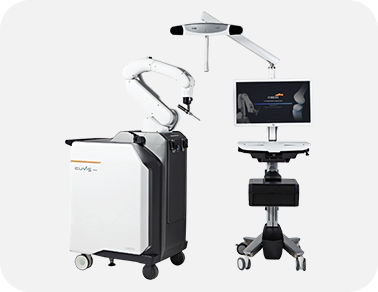
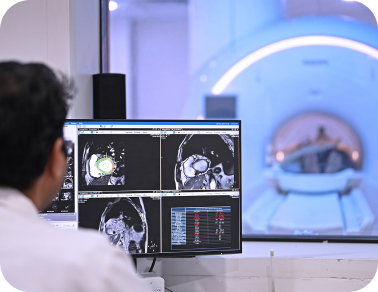
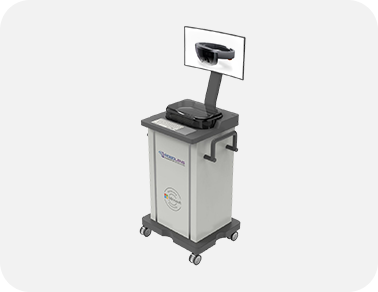
Equipped with state-of-art diagnostic and treatment technologies to ensure the best outcomes for our patients





Frequently Asked Questions (FAQs)
What are the early signs of an enlarged prostate (BPH)?
Early symptoms of benign prostatic hyperplasia (BPH) include a weak urine stream, difficulty starting urination, frequent urination, waking up multiple times at night to urinate (nocturia), urgency, dribbling after urination, and the feeling that your bladder has not emptied completely.
What causes an enlarged prostate?
An enlarged prostate is primarily caused by age-related hormonal changes. Other factors such as family history, obesity, diabetes, metabolic syndrome, history of smoking, and certain lifestyle factors may also increase the risk of developing benign prostatic hyperplasia (BPH).
Is an enlarged prostate the same as prostate cancer?
No. Benign prostatic hyperplasia (BPH) is a non-cancerous enlargement of the prostate gland. Although BPH does not cause prostate cancer, both conditions can produce similar urinary symptoms, making evaluation by an experienced urologist important.
How is an enlarged prostate diagnosed?
Diagnosis usually involves a detailed medical history, physical examination, digital rectal examination (DRE), PSA blood test, urine analysis, uroflowmetry, urodynamic studies, ultrasound, and post-void residual urine measurement. Additional investigations may be recommended depending on your symptoms and clinical findings.
Can an enlarged prostate be treated without surgery?
Yes. Many men with mild to moderate BPH can be managed successfully with lifestyle modifications and medications. Surgery or minimally invasive procedures are generally recommended only when symptoms become severe, complications develop, or medical treatment no longer provides adequate relief.
When should I consult an enlarged prostate specialist near me?
You should consult a urologist near you, if you experience persistent difficulty passing urine, frequent night-time urination, weak urine flow, urinary urgency, blood in the urine, recurrent urinary infections, or sudden inability to pass urine.
Where can I get enlarged prostate (BPH) treatment near me in Chandigarh?
Healing Hospital provides comprehensive enlarged prostate (BPH) treatment in Chandigarh, including advanced diagnostic evaluation, medical management, minimally invasive procedures, laser prostate surgery, TURP, and long-term follow-up under experienced urologists.
How do I book a consultation for enlarged prostate treatment near me?
You can schedule an appointment by calling +91-9090303434, booking online through www.healinghospital.co.in, or visiting the Urology Department at Healing Hospital for expert consultation and evaluation.
Blog
Common Conditions Treated by Dr. Karun Singla, Urologist in Chandigarh
Chandigarh Urologist Specialists: Quality Care Guaranteed

Urological Excellence: Recognizing Chandigarh’s Premier Specialists at Healing Hospital

Living Stone-Free: Exploring Gallbladder Stone Treatment Solutions in Chandigarh
Urological Excellence: Choosing a Specialist in Chandigarh
Choosing the Right Urologist in Chandigarh: Top Tips
Specialized Urologist in Chandigarh – Excellence in Urinary Health

7 things to avoid for healthy kidneys