Cervical spondylosis is a common age-related condition affecting the discs, vertebrae, and joints of the cervical spine. The patients usually complain of persistent chronic neck pain, neck stiffness, reduced neck movement, or a pain with numbness that radiates into the shoulders and arms. In more advanced cases, nerve or spinal cord compression can lead to numbness, weakness, balance problems, or other neurological symptoms.
Evaluation can include a detailed neurological and musculoskeletal examination, followed by appropriate imaging when clinically indicated. Depending on the severity of symptoms and underlying cause, treatment can include medication, physiotherapy, lifestyle modification, pain management, or advanced spine surgery when necessary. At Healing Hospital, the Department of Neurology works in collaboration with the Neurosurgery and Physiotherapy departments to provide comprehensive cervical spondylosis treatment in Chandigarh.
If chronic neck pain persists despite lifestyle changes, or if you develop neck pain with arm pain, numbness in hands, tingling, weakness, difficulty walking, or changes in coordination, a timely medical evaluation is important. Early assessment can help identify nerve or spinal cord involvement and guide appropriate treatment.
What is Cervical Spondylosis?
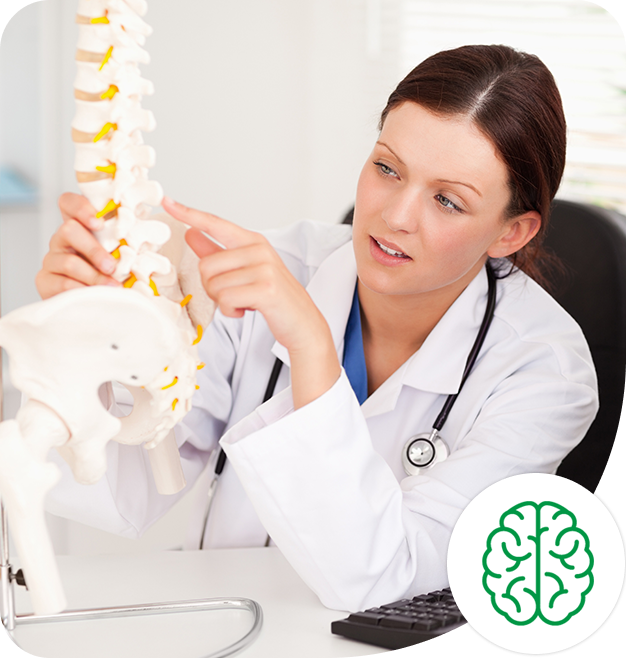
Cervical spondylosis is a degenerative condition affecting the cervical spine and its seven vertebrae in the neck. With age, the intervertebral discs can lose hydration and height, and the facet joints can undergo degenerative changes. These degenerative changes can narrow the spaces through which the spinal nerves or spinal cord pass. Compression of a cervical nerve root can cause cervical radiculopathy, resulting in neck pain that may radiate into the shoulder, arm, or hand, along with numbness, tingling, or weakness. Compression of the spinal cord can further lead to cervical spondylotic myelopathy, which can cause hand clumsiness, difficulty with coordination, balance problems, or changes in walking.
In some patients, these changes can also lead to the formation of bone spurs, known as osteophytes. The symptoms and severity of cervical spondylosis vary from person to person. Identifying whether symptoms are related to mechanical neck pain, nerve compression, or spinal cord involvement is important for determining the most appropriate treatment approach.
Common Symptoms of Cervical Spondylosis and Neck Pain
Cervical spondylosis symptoms vary depending on the extent of degenerative changes and whether the spinal nerves or spinal cord are affected. A few patients can have mild neck discomfort, while others can develop persistent pain, restricted movement, or neurological symptoms.
Common Symptoms
- Chronic neck pain and stiffness, particularly after prolonged sitting or inactivity
- Grinding, clicking, or popping sensations during neck movement
- Reduced range of motion when turning or tilting the head
- Neck pain and headache, particularly around the back of the head or base of the skull
- Neck pain with arm pain, which may radiate from the neck into the shoulder, arm, or hand
- Numbness or tingling in the arms, hands, or fingers
- Muscle weakness affecting the arms or hands
Warning Signs of Cervical Myelopathy
When cervical spondylosis causes compression of the spinal cord, patients can develop symptoms that require prompt neurological or spine evaluation. These may include:
- Difficulty with fine motor activities, such as buttoning clothes or writing
- Hand clumsiness or reduced coordination
- Unsteadiness or difficulty maintaining balance while walking
- Progressive weakness in the arms or legs
- Changes in walking pattern or coordination
- Changes in bladder or bowel control in advanced cases
These symptoms should not be attributed to routine chronic neck pain without medical evaluation. Prompt assessment is particularly important when symptoms are progressive or when there are signs of spinal cord involvement, as early diagnosis can help guide appropriate treatment and reduce the risk of further neurological deterioration.
When to See a Neurologist or a Spine Surgeon for Neck Pain
Not every ache in your neck needs a specialist visit, but certain patterns clearly do. Consult a cervical spondylosis neurologist or a spine surgeon near you, if you experience:
- Chronic neck pain lasting more than six weeks despite rest and over-the-counter pain relief
- Neck pain with arm pain, numbness, or weakness suggesting nerve involvement
- Frequent or severe neck pain and headache
- Any signs of numbness in your hands, unsteady walking, or bladder or bowel changes, which require urgent evaluation
- Progressive weakness that has been getting worse over days or weeks
If you have been trying to manage your symptoms with painkillers and lifestyle changes, and even then, your pain is not improving, it is advisable to consult a neurologist or a neurosurgeon near you.
Cervical Spondylosis Causes & Risk Factors
The risk of cervical spondylosis increases with age as the discs, joints, and other structures of the cervical spine undergo gradual degenerative changes. However, certain lifestyle factors, previous injuries, and occupational demands can contribute to earlier or more significant symptoms.
Age
Age is the most important risk factor. Degenerative changes in the cervical discs and facet joints become increasingly common with advancing age, although the severity of changes and symptoms varies between individuals.
Previous Neck Injury
A history of significant neck injury, including whiplash or other cervical spine trauma, can increase the risk of degenerative changes and persistent neck symptoms later in life.
Repetitive Neck Movements and Poor Posture
Activities that involve prolonged or repetitive positioning of the neck, including sustained forward-head posture while working at a desk or using digital devices, may contribute to neck strain and worsen symptoms.
Occupational Stress on the Neck
Jobs involving repetitive neck movements, heavy lifting, prolonged sitting, or sustained awkward postures may place additional mechanical stress on the cervical spine and contribute to neck discomfort.
Sedentary Lifestyle
Low levels of physical activity can contribute to reduced muscle strength and poor postural support around the neck and upper back, potentially increasing the burden on the cervical spine.
Genetic Factors
A family history of spinal degeneration may increase an individual's susceptibility to cervical spondylosis. Genetic factors can influence how quickly degenerative changes develop, although they do not determine whether symptoms will occur.
Smoking
Smoking can accelerate degenerative changes in the spine by affecting blood supply and tissue health. It is also associated with poorer outcomes in patients who eventually require spinal surgery.
Diagnosis of Cervical Spondylosis
Accurate diagnosis helps distinguish between mechanical neck pain, cervical radiculopathy, and cervical spondylotic myelopathy. Identifying whether the spinal nerves or spinal cord are affected helps determine the most appropriate treatment.
Detailed Medical History & Neurological Examination
Your nerve specialist will assess the location and pattern of neck pain, arm symptoms, duration of symptoms, and any changes in coordination or walking. A neurological examination may include assessment of muscle strength, sensation, reflexes, coordination, and neck movement.
X-Ray
X-rays can show degenerative changes such as disc space narrowing, bone spurs (osteophytes), and changes in cervical spine alignment. They may be used as an initial imaging investigation when clinically appropriate.
MRI Scan
MRI provides detailed images of the discs, spinal cord, nerve roots, and other soft tissues. It is particularly useful for identifying disc herniation, nerve compression, spinal cord compression, and other causes of neurological symptoms associated with cervical spondylosis.
CT Scan
CT provides detailed images of the bones and overall spinal anatomy. It may be recommended when more detailed assessment of bony changes or osteophytes is required, particularly for surgical planning.
Nerve Conduction Studies & EMG
Nerve conduction studies and electromyography (EMG) may be recommended when cervical radiculopathy is suspected. These tests help assess nerve and muscle function and can help distinguish cervical nerve-related symptoms from other conditions that can cause similar arm or hand symptoms.
Conservative Treatment Options for Cervical Spondylosis
Cervical spondylosis treatment is matched to symptom severity, whether nerve or spinal cord involvement is present, and how you have responded to earlier treatment.
Physiotherapy
Structured exercises to strengthen neck and shoulder muscles, improve posture, and restore range of motion form the foundation of treatment for most patients.
Medication
NSAIDs and muscle relaxants help manage pain and stiffness, while neuropathic pain medication can be added specifically for cervical radiculopathy symptoms like burning or shooting arm pain.
Cervical Collar
Used short-term to rest an acutely painful neck, though prolonged use is generally avoided since it can lead to muscle weakening and stiffness over time.
Epidural Steroid Injections
For cervical radiculopathy pain not responding to oral medication, targeted injections around the affected nerve root can provide meaningful relief and support progress with physiotherapy.
Cervical Traction
Gentle, controlled traction can help relieve pressure on compressed nerve roots in appropriately selected patients.
Activity and Ergonomic Modification
Adjusting workstation setup, screen height, and sleep posture directly addresses many of the everyday factors that aggravate chronic neck pain.
Surgical Treatment for Cervical Spondylosis
Cervical spondylosis surgery is generally reserved for patients with confirmed cervical spondylotic myelopathy, progressive neurological deficit, or cervical radiculopathy that has not responded to six to twelve weeks of appropriate conservative treatment.
Anterior Cervical Discectomy and Fusion (ACDF)
The most commonly performed procedure, removing the damaged disc and fusing the adjacent vertebrae to relieve pressure on the nerve or spinal cord and stabilise the spine.
Cervical Disc Replacement
A motion-preserving alternative to fusion for appropriately selected patients, replacing the damaged disc with an artificial one rather than fusing the vertebrae together.
Posterior Cervical Laminectomy or Laminoplasty
Used particularly for multilevel myelopathy, this approach relieves spinal cord compression from behind the neck, either removing or reshaping part of the vertebral bone.
Endoscopic Spine Surgery
A minimally invasive surgical option available for appropriately selected patients, offering smaller incisions and often a faster recovery compared to traditional open approaches.
Why Trust Healing Hospital for Your Neurologic Care?

Collaborative Neurological Care, All Under One Roof : Our neurology team works in synergy with specialists across disciplines to ensure every stage-from diagnosis and treatment to rehabilitation and recovery-is expertly coordinated for the best patient outcomes.

Expertise Powered by Innovation : Guided by global best practices, our neurologists use evidence-based protocols and cutting-edge technology to deliver precise, effective, and safe neurological treatments.

Patient-First Philosophy : Compassion, transparency, and personalized attention form the foundation of our approach- ensuring every patient and family feels supported, informed, and confident throughout their journey.
Neck Pain Prevention Tips & Healthy Lifestyle Changes
Cervical Spondylosis Exercises
Gentle chin tucks, neck stretches, and isometric strengthening exercises, ideally guided by a physiotherapist initially, help maintain mobility and support the muscles that stabilise your neck.
Fix Your Screen and Desk Setup
Raising your screen to eye level and avoiding prolonged forward head posture, often called "tech neck," reduces ongoing strain that worsens symptoms over time.
Take Regular Breaks
Standing, stretching, and changing position every 30 to 45 minutes during long periods of sitting or screen use prevents stiffness from building up.
Adjust Your Sleep Position and Pillow
A supportive pillow that keeps your neck aligned with your spine, rather than propped at an awkward angle, can meaningfully reduce morning stiffness.
Stay Physically Active
Regular, moderate exercise supports overall spine health and muscle strength, both of which help manage chronic neck pain.
Avoid Smoking
Smoking reduces blood flow to spinal discs and accelerates degeneration, making cessation genuinely relevant to spine health, not just general wellness advice.
Meet Our Cervical Spondylosis Specialists in Chandigarh
At Healing Hospital, cervical spondylosis is evaluated and managed through coordinated neurology and spine surgery expertise, ensuring the right specialist is involved at the right stage of your care.
📞 Call: +91-96073 43434, 7986115995 to schedule your consultation with our Neurology or Spine Department.
🌐 Book Online: Visit www.healinghospital.co.in or walk in directly at our front desk for an appointment.
Other Neurology and Spine Services at Healing Hospital
Reviewed By
Dr. Sangeeta Pradhan
Neurologist
12+ Years

Dr. Sangeeta Pradhan is a highly accomplished Consultant Neurologist with over 12 years of experience in diagnosing and treating a wide range of neurological disorders. She specializes in stroke, epilepsy, headache and migraine disorders, Parkinson’s disease and other movement disorders, dementia, neuropathies, neuromuscular disorders, spinal cord diseases, and other complex neurological conditions. Known for her patient-centric approach and clinical expertise, she is committed to delivering personalized, evidence-based neurological care.
Doctors Available


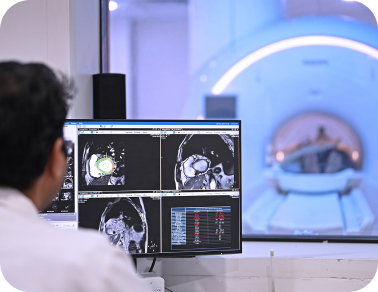
Equipped with state-of-art diagnostic and treatment technologies to ensure the best outcomes for our patients





Frequently Asked Questions (FAQs)
Is cervical spondylosis curable?
Cervical spondylosis itself, the age-related degeneration, cannot be reversed, but its symptoms are very manageable. Most patients achieve significant, lasting relief through physiotherapy and lifestyle changes alone, without ever needing surgery.
When is surgery needed for neck pain?
Cervical spondylosis surgery is generally considered when there is confirmed spinal cord compression (myelopathy), progressive neurological weakness, or cervical radiculopathy that hasn’t improved after six to twelve weeks of appropriate conservative treatment.
Which doctor is the best for cervical spondylosis?
The right specialist depends on your symptoms. A neurologist is well suited for diagnosing nerve-related symptoms like radiculopathy or myelopathy, while a neurosurgeon becomes relevant if surgical treatment is being considered. At Healing Hospital, both work together on the same case.
Where can I find cervical spondylosis treatment near me in Chandigarh?
If you are searching for cervical spondylosis treatment near me in Chandigarh, Mohali, Panchkula, or the surrounding Tricity region, Healing Hospital, Sector 34A, Chandigarh, offers comprehensive evaluation and treatment under experienced neurology and spine specialists.
How do I find a good neck pain treatment near me?
Look for a centre offering both conservative options like physiotherapy and injections, and access to imaging and surgical expertise if conservative treatment doesn’t fully resolve your symptoms. Searching for neck pain treatment near me in the Tricity region will bring up Healing Hospital’s Neurology and Spine Department.
What are the warning signs that my neck pain needs urgent evaluation?
Numbness or weakness spreading into your arm or hand, clumsiness with fine motor tasks, unsteady walking, or any change in bladder or bowel control alongside neck pain all warrant urgent evaluation rather than waiting.
Can cervical spondylosis cause headaches?
Yes. Neck pain and headache are commonly linked, particularly headaches starting at the base of the skull, since irritation of the upper cervical nerves and muscles can refer to pain upward into the head.
How do I find a cervical spondylosis specialist near me?
Search for a cervical spondylosis specialist near me with access to both neurology expertise for diagnosis and spine surgery capability for advanced cases. Healing Hospital’s coordinated Neurology and Spine team in Chandigarh covers both under one roof.
Is exercise safe if I have cervical spondylosis?
Yes, and it is actually an important part of treatment. Cervical spondylosis exercises, particularly gentle stretching and strengthening guided initially by a physiotherapist, help maintain mobility and reduce flare-ups, rather than making symptoms worse.
How can I book a consultation with a neck pain specialist near me?
You can find a neck pain specialist near me by calling +91-96073 43434 or +91-79861 15995, or booking online through [www.healinghospital.co.in](http://www.healinghospital.co.in). Walk-in appointments are also available at the hospital’s front desk.
Blog
World Spine Day 2026: Awareness, Prevention, and Lifelong Spine Health
Rett Syndrome Awareness Month 2026: Understanding, Support, and Early Intervention
World Cerebral Palsy Day 2026: Understanding, Support, and Awareness
World Meningitis Day 2026: Theme, Awareness, Prevention, Symptoms & Vaccination
World Alzheimer’s Day: Alzheimer’s Disease Awareness, Signs & Support
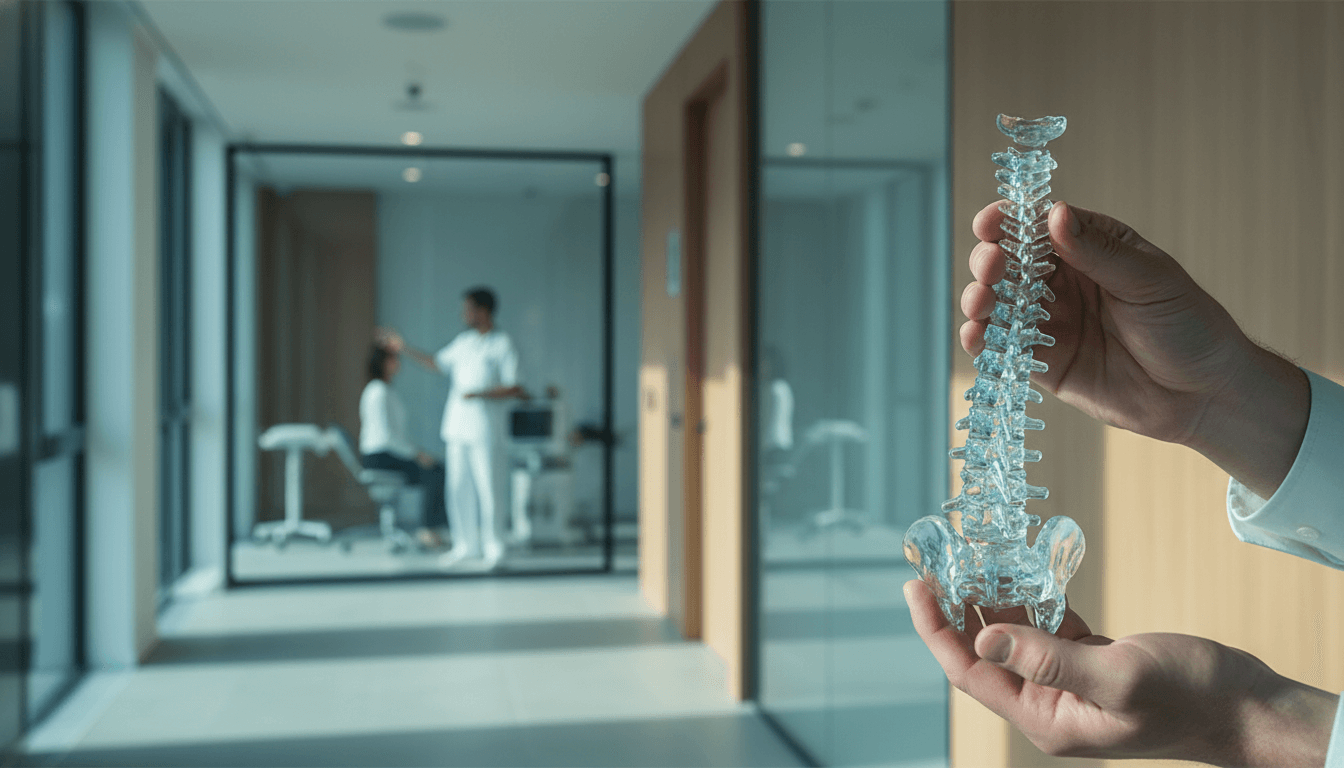
Comprehensive Guide to Choosing the Best Spine Surgeon in Chandigarh

Migraine Symptoms and Causes: When Headache Becomes Serious
Leading Brain & Spine Surgeons: Who Is the Best Neurosurgeon in Chandigarh?
Understanding Minimally Invasive Spine Surgery (MISS): Benefits and Risks