Healing hospital is home to some of the most trusted and experienced gynaecologists in Chandigarh, Mohali, and Panchkula. Our department of Obstetrics & Gynaecology specializes not only in treating but also providing counseling for management of female reproductive health issues such as irregular menses, PCOS or PCOD, infertility, hormonal imbalances, menarche and menopause, adolescence and puberty, along with prenatal to postnatal care.
Severe period pain should not always be considered a normal part of menstruation. For some women, it may be a symptom of endometriosis, a chronic gynaecological condition in which tissue similar to the uterine lining grows outside the uterus. Delayed diagnosis is common, particularly when symptoms are mistaken for typical menstrual discomfort. Over time, endometriosis can cause persistent pelvic pain, painful periods, pain during intercourse or bowel movements, and may affect fertility in some women.
At Healing Hospital, the Department of Obstetrics & Gynaecology provides comprehensive endometriosis treatment in Chandigarh, beginning with a detailed clinical evaluation and appropriate diagnostic investigations. Depending on the severity of symptoms and individual treatment goals, management can include pain-relieving medication, hormonal treatment, fertility-focused care, or advanced laparoscopic surgery when clinically indicated. As endometriosis and infertility can be closely associated, our gynaecology and Reproductive Medicine teams coordinate care when conception is also a priority.
If period pain is severe, recurrent, or interferes with your work, sleep, relationships, or daily activities, or if you experience pain during intercourse or bowel movements, consider consulting a gynaecologist for proper evaluation. Early assessment can help identify endometriosis and guide an appropriate treatment plan based on your symptoms and reproductive goals.
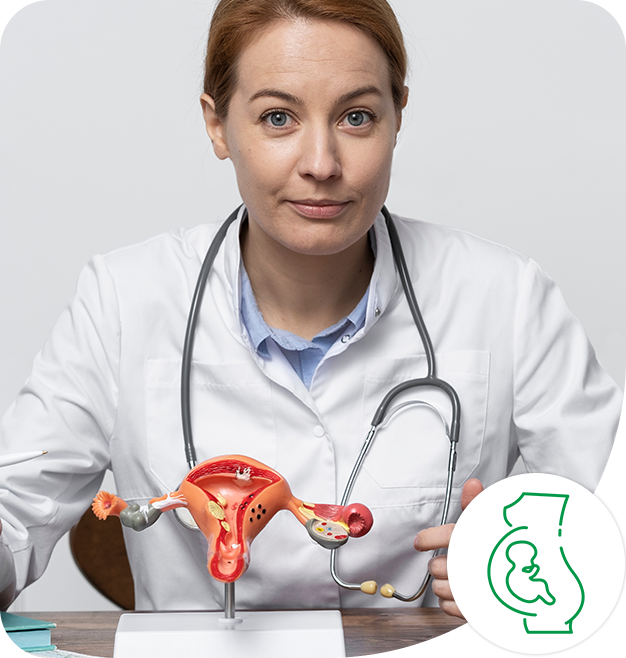
What is Endometriosis?
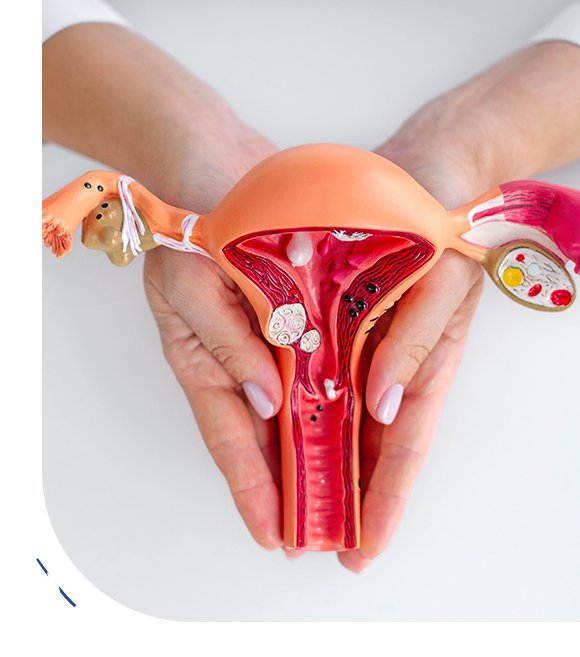
Endometriosis is a condition in which tissue similar to the lining of the uterus, called the endometrium, grows outside the uterus, most commonly on the ovaries, fallopian tubes, and the tissue lining the pelvis. Rarely, it can also affect the bowel, bladder, or other pelvic structures.
This misplaced tissue behaves just like the endometrium inside the uterus. It thickens, breaks down, and bleeds with each menstrual cycle, in response to the same hormonal signals. The problem is that this tissue has no way to leave the body the way a normal period does. The trapped blood causes inflammation, and over time, this inflammation can lead to scar tissue and adhesions that bind pelvic organs together, which is often what drives the chronic pain associated with the condition.
Types of Endometriosis
Endometriosis is classified both by where it occurs and by how extensive it is, and both factors shape the treatment approach.
Superficial Peritoneal Endometriosis
The most common form, involving shallow implants on the lining of the pelvis. This can still cause significant pain despite being the least anatomically extensive type.
Ovarian Endometriosis (Endometrioma)
Cysts filled with old, dark blood, often called chocolate cysts, that form within the ovary itself. These can affect ovarian reserve and are a common finding when endometriosis and infertility occur together.
Deep Infiltrating Endometriosis (DIE)
The most severe form, where tissue penetrates more than 5mm beneath the pelvic surface, sometimes involving the bowel, bladder, or the ligaments supporting the uterus. This type often requires more complex surgical planning.
Signs and Symptoms of Endometriosis
Endometriosis symptoms vary considerably between patients, which is part of why the condition is so often missed or misattributed to "just bad periods."
Common Symptoms
- Severe pain during menstruation that doesn't improve with standard pain relief
- Chronic pelvic pain, not limited only to your period
- Pain during or after intercourse
- Pain with bowel movements or urination, particularly during your period
- Heavy menstrual bleeding or bleeding between periods
- Fatigue, especially around and during menstruation
- Bloating, sometimes referred to as "endo belly"
- Lower back pain that follows a cyclical pattern
- Difficulty conceiving
When Period Pain Isn't “Normal”
Period pain that requires missing work or school, doesn't respond to standard over-the-counter pain relief, or has been steadily worsening over time is not something to simply push through. These patterns are strong indicators that warrant proper gynaecological evaluation
When to Seek Evaluation
Consult a gynaecologist if you experience persistent pelvic pain unrelated to your period, pain during intercourse, or if you've been trying to conceive without success alongside a history of painful periods, since these together often point toward endometriosis as an underlying cause.
Endometriosis: Causes and Risk Factors
The exact cause of endometriosis is not fully understood, though several factors are known to increase risk.
Retrograde Menstruation
The most widely accepted theory, in which menstrual blood flows backward through the fallopian tubes into the pelvis instead of leaving the body, allowing endometrial cells to implant outside the uterus.
Family History
Women with a mother or sister who has a history of endometriosis have a notably higher risk of developing the condition themselves, suggesting a genetic component.
Early Menarche or Late Menopause
A longer reproductive lifespan, meaning more menstrual cycles over a lifetime, is associated with higher risk, since it means more exposure to the process believed to drive the condition.
Short Menstrual Cycles or Heavy, Prolonged Periods
Cycles shorter than 27 days, or periods lasting longer than seven days, are both associated with increased risk.
Never Having Given Birth
Women who haven't been pregnant have a somewhat higher risk, likely related to a greater cumulative number of menstrual cycles.
Uterine or Reproductive Tract Abnormalities
Any structural issue that obstructs normal menstrual flow can increase the likelihood of retrograde menstruation and, in turn, endometriosis.
Endometriosis Diagnosis and Testing
Diagnosing endometriosis accurately often takes longer than it should, which is exactly why a thorough, structured evaluation matters.
Detailed Symptom and Menstrual History
Your gynaecologist will ask about pain patterns, timing relative to your cycle, and any impact on daily life, fertility, or intercourse, since this history often raises strong suspicion before any test is performed.
Pelvic Examination
A physical examination can sometimes detect tenderness, cysts, or nodules suggestive of endometriosis, though a normal exam doesn't rule it out.
Transvaginal Ultrasound
Effective at detecting ovarian endometriomas, though it often cannot identify superficial disease, which is why a normal ultrasound doesn't exclude the diagnosis either.
MRI
Provides more detailed imaging, particularly useful for evaluating suspected deep infiltrating endometriosis involving the bowel, bladder, or deeper pelvic structures.
Laparoscopy for Endometriosis
The definitive diagnostic tool for endometriosis, allowing direct visualization of the pelvis and biopsy of suspicious tissue. Importantly, treatment can often be performed during the same procedure, meaning diagnosis and surgical management can happen together rather than as two separate events.
Endometriosis Treatment in Chandigarh
Our endometriosis treatment in Chandigarh at Healing Hospital is tailored to symptom severity, disease extent, and whether fertility is an active goal, since these factors meaningfully change the right approach.
Pain Management
NSAIDs are typically the first-line option for managing pain, particularly for milder cases or alongside other treatments.
Hormonal Therapy
Combined oral contraceptives, progestin-only therapy, or GnRH agonists and antagonists work by suppressing the menstrual cycle, which reduces the hormonal stimulation driving endometriosis symptoms. This is often effective for pain control, though it is not appropriate for women actively trying to conceive.
Laparoscopic Surgery
Minimally invasive surgical excision or ablation of endometriotic lesions, along with removal of endometriomas and adhesions when present. For many patients, particularly those with moderate to severe disease or those planning pregnancy, surgery offers both symptom relief and improved fertility potential.
Fertility-Focused Treatment
When endometriosis and infertility coexist, treatment is coordinated between gynaecology and reproductive medicine, since surgical correction alone may be sufficient for some patients, while others benefit from proceeding directly to IUI or IVF depending on disease severity and age.
Management of Deep Infiltrating Disease
For endometriosis involving the bowel or bladder, treatment planning can involve coordination with additional specialists to ensure complete, safe surgical management.
Endometriosis Recovery and Long-Term Management
Endometriosis is a chronic condition for most patients, and long-term management focuses on controlling symptoms and preventing recurrence rather than a single, final cure.
Post-Surgical Recovery
Recovery from laparoscopic surgery is typically faster than open surgery, with most patients returning to normal activity within one to two weeks, though full symptom benefit may take longer to become apparent.
Long-Term Hormonal Suppression
For patients not actively trying to conceive, ongoing hormonal therapy after surgery significantly reduces the risk of symptoms and lesions returning over time.
Fertility Planning After Treatment
For patients hoping to conceive, treatment timing and approach are planned specifically around fertility goals, sometimes prioritising a fertility-focused pathway sooner rather than extended hormonal suppression.
Ongoing Monitoring
Regular follow-up helps track symptom control and catch recurrence early, since endometriosis can return even after successful surgical treatment.
Why Early Evaluation Matters for Endometriosis
The average delay between symptom onset and an actual endometriosis diagnosis is measured in years, not months, largely because severe period pain gets normalized for so long before anyone investigates further. That delay isn't harmless. Untreated endometriosis can progress, adhesions can worsen, and for patients hoping to conceive one day, delayed diagnosis can mean delayed access to fertility-preserving treatment during years when it would have mattered more.
Persistent pelvic pain, painful intercourse, or difficulty conceiving alongside a history of severe periods are not things to keep working around silently. A proper evaluation can clarify what is actually happening and open up treatment options that get harder to act on the longer they are postponed.
Why Choose Healing Hospital for Endometriosis Treatment in Chandigarh?

Advanced Laparoscopic Surgical Expertise : Our gynaecologists have specialized training in laparoscopic and minimally invasive surgery, allowing selected patients to undergo diagnosis and treatment through minimally invasive techniques. When surgery is indicated, the approach is planned according to the extent of endometriosis, symptoms, and individual treatment goals.

Fertility-Focused Care : Since endometriosis and infertility are interlinked, our Obstetrics & Gynaecology and Reproductive Medicine teams coordinate care when fertility is a concern. Treatment planning considers both symptom management and reproductive goals, helping patients make informed decisions about their care.

AIIMS & PGIMER-Trained, Experienced Specialists : Our team includes well-experienced specialists with advanced training from leading medical institutions, including AIIMS, New Delhi, and PGIMER, Chandigarh. Their clinical expertise in gynaecology, minimally invasive surgery, reproductive medicine, and infertility supports comprehensive and personalized care for patients with endometriosis.
Endometriosis Awareness and Risk Reduction
There is no proven way to fully prevent endometriosis, since its exact cause is not completely understood, but a few things genuinely help with earlier detection and better long-term outcomes.
Do not Normalise Severe Period Pain
Pain that interferes with daily activities or doesn't respond to standard pain relief is not something you're supposed to just tolerate. Treat it as a reason to seek evaluation, not as an inconvenient but expected part of having periods.
Track Your Symptoms
Keeping a record of pain patterns, timing, and severity relative to your cycle gives your gynaecologist genuinely useful information and can speed up diagnosis.
Seek Evaluation Before Trying to Conceive, If Symptoms Are Present
If you have a history of painful periods and are planning a pregnancy, raising this with your gynaecologist beforehand allows for a proactive plan rather than discovering endometriosis only after fertility difficulties arise.
Maintain Regular Gynaecological Checkups
Routine visits give you a natural opportunity to mention symptoms you might otherwise brush off between appointments.
Meet Our Endometriosis Specialists in Chandigarh
At Healing Hospital, endometriosis is evaluated and managed by specialists with expertise in gynaecological surgery and fertility care. Treatment planning considers the patient's symptoms, disease severity, and reproductive goals.
📞 Call:+91-84272 43434 to schedule your consultation with our Obstetrics & Gynaecology Department.
🌐 Book Online: Visit www.healinghospital.co.in or walk in to our front desk to schedule an appointment.
Other Obstetrics & Gynaecology Services at Healing Hospital
Reviewed By
Dr. Ramandeep Kaur
Obstetrics and Gynaecology
15+ Years

Dr. Ramandeep Kaur is a highly accomplished Senior Consultant in Obstetrics and Gynaecology at Healing Hospital, Chandigarh with 15+ years of transformative experience in comprehensive women’s healthcare, high-risk pregnancy management, and advanced laparoscopic surgery.
Doctors Available

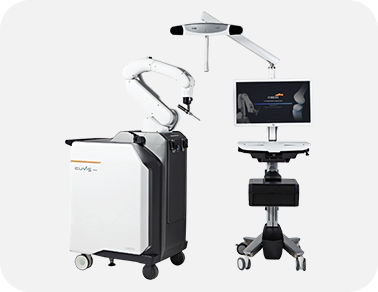
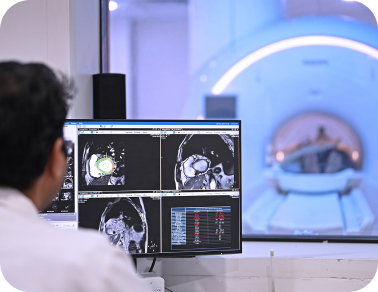
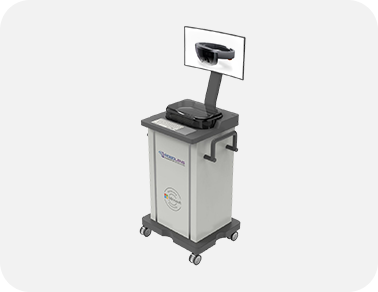
Equipped with state-of-art diagnostic and treatment technologies to ensure the best outcomes for our patients





Frequently Asked Questions (FAQs)
What are the early signs of endometriosis?
Common symptoms include severe or worsening period pain, chronic pelvic pain, pain during intercourse, and pain during bowel movements or urination, particularly around menstruation. Some women may have few or no symptoms despite having endometriosis.
How is endometriosis diagnosed?
Diagnosis usually begins with a detailed medical history, symptom assessment, pelvic examination, and imaging such as ultrasound when appropriate. Laparoscopy may be recommended in selected cases to directly assess endometriosis and, when indicated, treat visible disease during the same procedure.
Where can I find an experienced endometriosis doctor near me in Chandigarh?
If you are searching for an experienced endometriosis doctor near me in Chandigarh, Mohali, Panchkula, or the surrounding Tricity region, Healing Hospital, Sector 34A, Chandigarh, provides evaluation and treatment for endometriosis through experienced gynaecology specialists.
Does endometriosis always cause infertility?
No. Endometriosis does not cause infertility in every woman. However, endometriosis and infertility can be associated, particularly in patients with more extensive disease or ovarian involvement. Many women with endometriosis conceive naturally, while others may benefit from surgical or fertility-focused treatment.
Is surgery always necessary for endometriosis?
No. Treatment depends on the patient’s symptoms, disease extent, age, and fertility plans. Management may include pain-relieving medicines and hormonal treatment, while laparoscopic surgery may be considered when symptoms persist, endometriosis is extensive, or surgery may support fertility goals.
Can endometriosis come back after surgery?
Yes. Endometriosis can recur after treatment, although the risk varies between individuals. Follow-up care is important, and hormonal treatment may be recommended after surgery for some patients, particularly those who are not currently trying to conceive.
Is severe period pain normal?
Severe period pain that interferes with work, sleep, exercise, relationships, or daily activities should not simply be considered normal. Persistent or worsening menstrual pain warrants evaluation by a gynaecologist to identify conditions such as endometriosis or other causes of pelvic pain.
Which hospital provides endometriosis treatment near me?
Treatment options may include pain management, hormonal therapy, laparoscopic surgery, and fertility-focused care when required. The recommended approach depends on the severity of symptoms, extent of disease, age, and whether pregnancy is currently being planned.
How do I book a consultation for endometriosis treatment in Chandigarh?
You can schedule a consultation with the Obstetrics & Gynaecology Department by calling +91-84272 43434. You can also book online through www.healinghospital.co.in or visit the hospital’s front desk for an appointment.
Blog
World Pregnancy & Infant Loss Remembrance Day 2026: Compassionate Care & Support
Breast Cancer Awareness Month 2026: Screening, Detection, and Prevention
Vaginal Infection: Causes, Symptoms, Treatment & Prevention
PCOD vs PCOS: Symptoms, Causes, Treatment & Key Differences
World Contraception Day: Understanding Contraceptive Methods and Family Planning
Delayed Period: Causes, Symptoms, Normal Delay & When to See a Doctor
How to Recognise Labour Pain Symptoms, Timing & What Happens Next
Brown Vaginal Discharge Before or After Your Period: Is It Normal?
Pregnancy Week by Week: Your Guide to Pregnancy Stages