Chronic Obstructive Pulmonary Disease, commonly known as COPD, is a progressive lung condition in which airflow into and out of the lungs becomes persistently restricted. Unlike asthma, where airway narrowing is largely reversible, the airflow limitation in COPD is only partially reversible and tends to worsen gradually over time, if left unmanaged. Symptoms can range from a persistent morning cough that many patients dismiss for years, to significant breathlessness that limits basic daily activities.
At Healing Hospital, the Department of Pulmonary Medicine provides comprehensive COPD treatment in Chandigarh, including accurate diagnosis, staging of disease severity, personalized medication plans, pulmonary rehabilitation, and long-term monitoring. Patients experiencing frequent flare-ups or advancing symptoms can receive structured Chronic Obstructive Pulmonary Disease treatment based on their individual clinical needs, smoking history, and exposure background. Emergency evaluation and treatment are also available for patients experiencing a severe COPD exacerbation.
If you have a persistent cough with sputum production, breathlessness that has been gradually worsening, or a long-standing history of smoking or occupational dust exposure, timely evaluation by a COPD specialist in Chandigarh is important. A detailed assessment can help confirm the diagnosis, determine your disease stage, and build a treatment plan that slows progression rather than simply managing symptoms as they arise.
What is COPD?
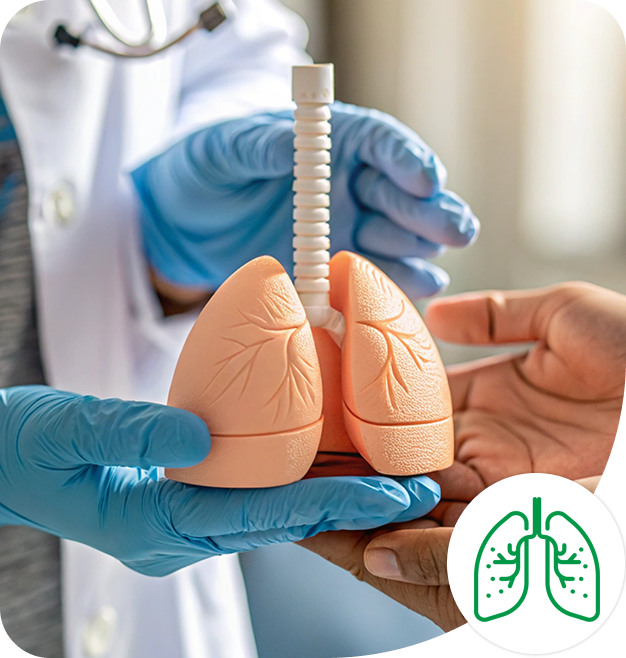
COPD is a chronic inflammatory lung disease that encompasses two overlapping conditions: chronic bronchitis, in which the airways become inflamed and produce excess mucus over a prolonged period, and emphysema, in which the air sacs of the lungs are progressively damaged, reducing the surface area available for oxygen exchange. Most patients with COPD have features of both to varying degrees.
The uniqueness of COPD lies in airflow limitation that does not fully reverse with bronchodilator medication, distinguishing it from asthma on lung function testing. This obstruction develops gradually, often over decades, which is exactly why many patients only seek evaluation once breathlessness has already begun interfering with daily activities such as climbing stairs or walking short distances.
COPD Stages
COPD severity is commonly assessed using spirometry, particularly the percentage of predicted FEV1 (forced expiratory volume in one second). FEV1 measures the amount of air a person can forcefully exhale in the first second of a breath and helps clinicians assess the degree of airflow limitation.
Stage I – Mild COPD: Mild airflow limitation, with symptoms that may be occasional or minimal. Some patients can not recognize their symptoms as being related to COPD and may not seek medical evaluation at this stage.
Stage II – Moderate COPD: Airflow limitation becomes more pronounced, and symptoms such as breathlessness during physical activity, persistent cough, or sputum production can become more noticeable. Many patients first seek medical evaluation during this stage.
Stage III – Severe COPD: Significant airflow limitation is present, with breathlessness increasingly affecting routine activities and physical capacity. Patients can also experience more frequent or severe exacerbations requiring medical attention.
Stage IV – Very Severe COPD: Advanced airflow limitation with substantial impact on daily activities and quality of life. Some patients can develop chronic respiratory failure or require long-term oxygen therapy depending on their clinical condition.
Note: COPD severity should not be determined by FEV1 alone. Symptoms, frequency of exacerbations, oxygen levels, overall health, and other clinical findings are also considered when developing an individualized COPD treatment and management plan.
COPD Signs & Symptoms
COPD symptoms usually develop gradually and can initially be mild enough to go unnoticed. As the condition progresses, breathing difficulties and other respiratory symptoms can become more persistent and begin to interfere with daily activities.
Persistent Cough
A chronic cough is one of the common early symptoms of COPD. It can be dry or productive and is sometimes referred to as a chronic “smoker's cough,” particularly in people with a history of tobacco exposure.
Increased Sputum Production
People with COPD may produce more mucus than usual, with sputum often being particularly noticeable in the morning. Persistent or increasing mucus production should be evaluated, especially when accompanied by chronic cough or breathlessness.
Progressive Breathlessness
Shortness of breath often develops gradually. It can initially occur only during exercise or other physical activity but can become more frequent as COPD progresses and, in advanced disease, may occur even at rest.
Wheezing
Wheezing is a whistling or high-pitched sound produced when air moves through narrowed airways. It may occur intermittently or become more persistent depending on the severity of airflow limitation.
Chest Tightness
Some people with COPD experience a sensation of tightness or pressure in the chest, particularly during periods of increased breathing difficulty or respiratory exacerbations.
Frequent Respiratory Infections
People with COPD may experience recurrent respiratory infections, including episodes of bronchitis or other chest infections. These infections can worsen existing respiratory symptoms and may trigger COPD exacerbations.
Persistent Fatigue
Ongoing breathing difficulty can increase the effort required to perform everyday activities, contributing to persistent tiredness, reduced exercise tolerance, and decreased physical capacity.
Unintentional Weight Loss
Unintentional weight loss is more commonly seen in advanced COPD. Significant weight loss or reduced appetite may indicate increased energy requirements associated with breathing and should be discussed with a healthcare professional.
COPD Causes and Risk Factors
COPD develops primarily because of long-term exposure to substances that irritate and damage the airways and lungs. In some individuals, genetic susceptibility and early-life factors can also contribute. Identifying specific COPD risk factors is important for prevention, early diagnosis, and effective long-term management.
Smoking
Long-term cigarette smoking is the leading cause of COPD worldwide. Both active smoking and prolonged exposure to secondhand smoke can damage the airways and lung tissue and significantly increase the risk of developing COPD.
Occupational Exposure
Regular exposure to dust, chemical fumes, vapours, and other airborne irritants in certain workplaces can contribute to chronic airway and lung damage. Occupational exposure is an important COPD risk factor, particularly when protective measures are inadequate.
Biomass Fuel and Indoor Air Pollution
Prolonged exposure to smoke from wood, coal, dung, and other solid cooking fuels in poorly ventilated spaces can increase the risk of COPD. This is particularly relevant in households where biomass fuels are used regularly for cooking or heating.
Outdoor Air Pollution
Long-term exposure to particulate matter and other forms of outdoor air pollution may contribute to the development and progression of COPD, particularly when combined with other risk factors such as smoking or occupational exposure.
Genetic Factors
Alpha-1 antitrypsin deficiency is a rare inherited disorder that can cause early-onset COPD, sometimes even in people who have never smoked. Genetic causes may be considered in younger patients with significant airflow limitation or those with a limited history of smoking.
Age
The risk of COPD generally increases with age because lung function naturally changes over time and the effects of cumulative exposure to tobacco smoke and other airway irritants become more significant.
Childhood Respiratory Infections
Severe or recurrent respiratory infections during childhood may affect lung development and have been associated with reduced lung function later in life, potentially increasing susceptibility to chronic respiratory disease.
Asthma History
Long-standing asthma, particularly when poorly controlled, can contribute to persistent airflow limitation in some individuals. Patients with a history of asthma and ongoing respiratory symptoms can require evaluation to determine whether fixed airflow obstruction has developed.
COPD Diagnosis
Accurate diagnosis is essential to confirm COPD, assess the severity of airflow limitation, and distinguish it from other respiratory conditions such as asthma. Your pulmonologist will consider your symptoms, exposure history, lung-function results, and other clinical findings when developing an appropriate COPD treatment and management plan.
Detailed Symptom and Exposure History
Your pulmonologist will review the duration and progression of symptoms such as chronic cough, sputum production, and breathlessness. The assessment can include smoking history, often measured in pack-years, occupational exposure to dust or chemicals, indoor and outdoor air pollution, previous respiratory infections, and other relevant risk factors.
Spirometry
Spirometry is the primary diagnostic test for COPD. It measures airflow during forced breathing and helps identify persistent airflow limitations. Post-bronchodilator spirometry is used to assess whether airflow obstruction persists after inhaled medication, supporting the diagnosis of COPD when interpreted alongside the patient's clinical history.
Chest X-Ray
A chest X-ray does not confirm COPD on its own, but it can help identify features such as hyperinflation and rule out other conditions that may cause similar respiratory symptoms, including infections or other lung abnormalities.
CT Scan of the Chest
A CT scan provides more detailed images of the lungs and can help identify and assess emphysema, structural lung changes, or other abnormalities. It may be particularly useful when symptoms are disproportionate to spirometry findings or when advanced treatment or other diagnoses are being considered.
Arterial Blood Gas Analysis
Arterial blood gas testing measures oxygen and carbon dioxide levels directly in the blood. It may be recommended in patients with advanced COPD, significant breathing difficulty, low oxygen levels, or during a severe exacerbation to assess respiratory function and guide treatment.
Alpha-1 Antitrypsin Testing
Alpha-1 antitrypsin testing may be recommended for patients with COPD at a younger age, particularly when there is minimal or no smoking history or a family history of unexplained lung disease. This blood test can identify an inherited deficiency that increases the risk of early-onset emphysema.
Six-Minute Walk Test
The six-minute walk test assesses functional exercise capacity by measuring how far a patient can walk over six minutes while monitoring symptoms, heart rate, and oxygen saturation. It can help evaluate exercise tolerance and oxygen desaturation and can also be useful for monitoring disease progression and response to treatment.
Treatment Options for COPD
COPD treatment in Chandigarh at Healing Hospital focuses on two complementary goals: achieving stable, long-term disease control to reduce symptoms and exacerbations, and providing timely treatment when acute COPD flare-ups occur.
Long-Term COPD Management
Bronchodilators
Long-acting beta-agonists (LABAs) and long-acting muscarinic antagonists (LAMAs) help relax airway muscles, improve airflow, and reduce breathlessness. They form an important part of long-term COPD management.
Inhaled Corticosteroids
Inhaled corticosteroids may be prescribed for selected patients, particularly those with recurrent exacerbations and features suggesting a greater likelihood of benefit from corticosteroid therapy. They are generally used in combination with appropriate bronchodilator treatment.
Combination Inhaler Therapy
Some patients can benefit from inhalers containing two or more medication classes. Combination therapy can simplify treatment and, when appropriately prescribed, may improve symptom control and adherence.
Long-Term Oxygen Therapy
Patients with severe, persistent hypoxaemia can require supplemental oxygen for prolonged periods. Oxygen therapy is prescribed after appropriate assessment and monitoring to ensure that oxygen levels are maintained safely.
Smoking Cessation Support
Stopping smoking is one of the most important interventions for slowing COPD progression and reducing further exposure-related lung damage. Support may include behavioural counselling and medication when clinically appropriate.
Vaccination
Influenza, pneumococcal, COVID-19, and other recommended vaccinations can help reduce the risk of respiratory infections that may trigger COPD exacerbations. Vaccination recommendations should be individualised according to age, health status, and current guidelines.
Severe COPD Treatment
Patients with advanced COPD who continue to experience significant symptoms despite optimised medical treatment may require additional interventions. Depending on individual suitability, severe COPD treatment can include non-invasive ventilation, bronchoscopic lung-volume-reduction procedures, or referral to a specialist centre for assessment for lung transplantation in carefully selected end-stage cases.
COPD Flare-Up (Exacerbation) Treatment
A COPD exacerbation is an acute worsening of respiratory symptoms that requires prompt assessment and treatment.
Nebulized Bronchodilators
Short-acting bronchodilators can be administered through a nebuliser during significant exacerbations when patients are unable to use inhalers effectively or require frequent doses.
Systemic Corticosteroids
Oral or intravenous corticosteroids can be prescribed for moderate to severe exacerbations to reduce airway inflammation and shorten recovery time.
Antibiotics
Antibiotics may be prescribed when a bacterial infection is suspected, particularly when increased sputum purulence and other clinical features suggest an infectious trigger.
Oxygen Therapy
Supplemental oxygen may be provided when blood oxygen levels are low. In patients with COPD, oxygen therapy requires careful monitoring to maintain appropriate oxygen saturation without causing excessive oxygen exposure.
Non-Invasive or Invasive Ventilation
Non-invasive ventilation can be required for patients who develop significant respiratory distress or respiratory failure. Invasive mechanical ventilation can be considered when non-invasive support is insufficient or contraindicated. These treatments are provided with appropriate respiratory and critical care support.
COPD Recovery and Rehabilitation
COPD is a chronic condition, so recovery focuses on improving functional capacity, reducing symptoms and exacerbations, and helping patients maintain independence and quality of life.
Pulmonary Rehabilitation
A structured programme combining supervised exercise, breathing strategies, education, and nutritional guidance can improve exercise capacity, reduce symptoms, and support better quality of life in appropriately selected patients.
Inhaler Technique and Treatment Adherence
Correct inhaler technique is essential for ensuring that medication reaches the lungs effectively. Regular review allows healthcare professionals to identify technique errors, reinforce adherence, and modify treatment when necessary.
Nutritional Support
Advanced COPD can be associated with unintentional weight loss and loss of muscle mass. Individualised nutritional counselling can help maintain adequate energy and protein intake and support physical function.
Gradual Return to Physical Activity
Regular physical activity is encouraged for most patients with stable COPD. Activity should be increased gradually according to individual exercise tolerance, symptoms, and clinical guidance.
Regular Monitoring and Follow-Up
Ongoing follow-up helps monitor symptoms, lung function, oxygen requirements, exacerbation frequency, and treatment response. Regular review also allows the treatment plan to be adjusted as the condition changes.
Why Timely COPD Intervention Matters
COPD can progress gradually, and repeated exacerbations may contribute to worsening lung function, reduced physical capacity, and poorer quality of life. Delaying assessment can allow symptoms and underlying disease to progress without appropriate treatment.
Early diagnosis, smoking cessation, appropriate long-term medication, vaccination, pulmonary rehabilitation, and timely treatment of exacerbations can help reduce complications and preserve functional capacity. Persistent cough, increasing breathlessness, reduced exercise tolerance, or frequent respiratory infections should therefore prompt medical evaluation rather than being attributed solely to ageing or a history of smoking.
Why Choose Healing Hospital for COPD Treatment in Chandigarh?

Consultant-Led COPD Care : Our Pulmonary Medicine team provides comprehensive COPD care, combining detailed diagnostic evaluation, disease staging, personalized treatment planning, and regular follow-up. Treatment is tailored to the patient’s symptoms, lung function, disease severity, and overall health rather than relying on a standardized approach.

Structured Pulmonary Rehabilitation : Pulmonary rehabilitation forms an important part of comprehensive COPD management. Our supervised rehabilitation programme combines appropriate exercise, breathing techniques, education, and lifestyle guidance to help improve exercise tolerance, symptom control, and quality of life.

24×7 Emergency Readiness : COPD exacerbations can cause sudden and severe breathing difficulties and may require urgent medical intervention. Healing Hospital’s Emergency Department and respiratory critical care team provide round-the-clock evaluation and treatment for patients experiencing acute COPD exacerbations and other serious respiratory conditions.
COPD Prevention and Risk Reduction
While existing lung damage caused by COPD cannot be reversed, several measures can help reduce disease progression, prevent exacerbations, and preserve remaining lung function
Quit Smoking
Smoking cessation is the single most effective measure for slowing COPD progression. Quitting can reduce the rate of lung function decline and provide meaningful health benefits even after many years of smoking.
Avoid Occupational and Environmental Exposure
Minimizing exposure to dust, chemical fumes, smoke, and other airway irritants can help protect lung function. Appropriate protective equipment should be used in high-risk workplaces, while adequate ventilation is particularly important when biomass fuels are used for cooking.
Improve Indoor Air Quality
Maintaining good ventilation and reducing exposure to indoor pollutants, including tobacco smoke, biomass fuel smoke, and chemical irritants, can support long-term respiratory health.
Stay Up to Date on Vaccinations
Recommended vaccinations, including influenza and pneumococcal vaccines, can reduce the risk of respiratory infections that may trigger COPD exacerbations and contribute to worsening lung function.
Treat Respiratory Infections Promptly
Early medical evaluation of respiratory infections can help prevent complications and reduce the risk of severe exacerbations. Patients with COPD should seek medical advice when they develop a worsening cough, increased sputum production, fever, or breathlessness.
Seek Early Evaluation if You are at Risk
People with a history of long-term smoking, significant occupational exposure, or other COPD risk factors should consider medical evaluation even before symptoms become severe. Lung function testing can help identify airflow limitations at an earlier stage and support timely management.
Meet Our COPD Specialist in Chandigarh
COPD treatment in Chandigarh at Healing Hospital is led by experienced consultant pulmonologists with expertise in respiratory and critical care medicine. The team provides both long-term COPD management and urgent respiratory care when patients experience acute deterioration.
📞 Call: +91-9134343436 to schedule a consultation with our Pulmonary Medicine Department.
🌐 Book Online: Visit www.healinghospital.co.in or visit our front desk to schedule an appointment.
Other Pulmonology Services at Healing Hospital
Reviewed By
Dr. Preeti Sharma
Advanced Respiratory Medicine & Critical Care; International expertise
18+ Years

Dr. Preeti Sharma is a highly accomplished Senior Consultant in Pulmonary Medicine and Critical Care at Healing Hospital, Chandigarh with 18+ years of transformative experience in the comprehensive management of complex respiratory disorders, lung diseases, and critical care.
Doctors Available
Dr. Preeti Sharma
Senior Consultant
Advanced Respiratory Care & Internal Medicine
18+ Years
Hindi, Punjabi, English
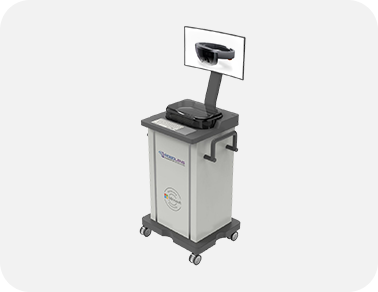
Equipped with state-of-art diagnostic and treatment technologies to ensure the best outcomes for our patients






Frequently Asked Questions (FAQs)
Is COPD curable, or only manageable?
COPD cannot currently be cured, and existing lung damage cannot be reversed. However, with consistent COPD management, particularly smoking cessation and appropriate medication, disease progression can be significantly slowed and symptoms well controlled.
What are the most common COPD symptoms to watch for?
Common COPD symptoms include a persistent productive cough, breathlessness that worsens gradually with exertion, wheezing, and frequent respiratory infections.
Where can I find the best pulmonologist in Chandigarh for COPD treatment near me?
If you are searching for the best doctor for COPD in Chandigarh, Mohali, Panchkula, or the surrounding Tricity region, Healing Hospital, Sector 34, Chandigarh, provides comprehensive evaluation and treatment under experienced, consultant-led pulmonology care.
What usually causes COPD to develop?
COPD causes are primarily linked to long-term smoking, though occupational dust exposure, biomass fuel smoke, outdoor air pollution, and, less commonly, a genetic condition called alpha-1 antitrypsin deficiency, are all recognised COPD risk factors.
How is COPD different from asthma?
The main difference lies in reversibility. Asthma typically causes airway narrowing that responds well to bronchodilator medication, while COPD involves airflow limitation that is only partially reversible and tends to progress gradually over time.
What should I do during a COPD flare-up?
Seek prompt COPD flare up treatment if you notice worsening breathlessness beyond your usual baseline, increased or discoloured sputum, fever, or confusion. These signs call for medical evaluation rather than waiting at home.
What are the stages of COPD, and why do they matter?
COPD stages range from mild to very severe, based on spirometry results. Knowing your specific stage helps your pulmonologist determine the right intensity of treatment and monitoring for your situation.
Can COPD lead to serious complications, if untreated?
Yes. COPD complications can include respiratory failure, pulmonary hypertension, frequent respiratory infections, unintentional weight loss, and an increased risk of conditions such as osteoporosis and lung cancer.
Is severe COPD treatment different from standard treatment?
Yes. Severe COPD treatment may include additional options such as non-invasive ventilation, long-term oxygen therapy, or referral for advanced interventional or surgical evaluation, used when standard inhaled medication alone is not providing adequate control.
How do I book a consultation with a pulmonologist for COPD treatment near me?
You can schedule a consultation by calling +91-9134343436, or book online through www.healinghospital.co.in. Walk-in appointments are also available at the hospital’s front desk.
Blog
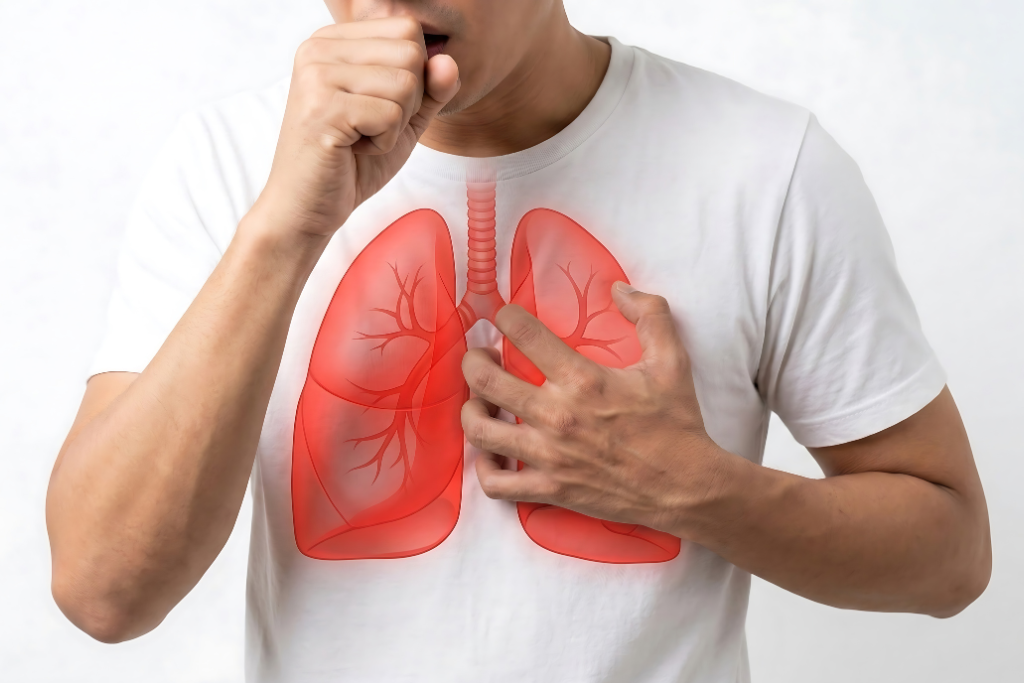
Lung Infection Symptoms: Early Signs, Causes & When to Seek Care
World Lung Day: Protecting Your Lungs and Understanding Lung Health
How to Choose the Best Chest & Lungs Specialist in Chandigarh (2026 Guide)
World Lung Cancer Day 2026: Early Detection Can Save Lives

Home Remedies for Dry Cough: Causes, Treatment & Natural Ways to Relieve Cough
Common Respiratory Conditions Treated by the Best Pulmonary Doctor in Chandigarh
Best Pulmonary Doctor in Chandigarh: Where to Find the Most Effective Care
Finding the Right Lung Cancer Doctor in Chandigarh: A Guide to Choosing Dr. Preeti Sharma at Healing Hospital