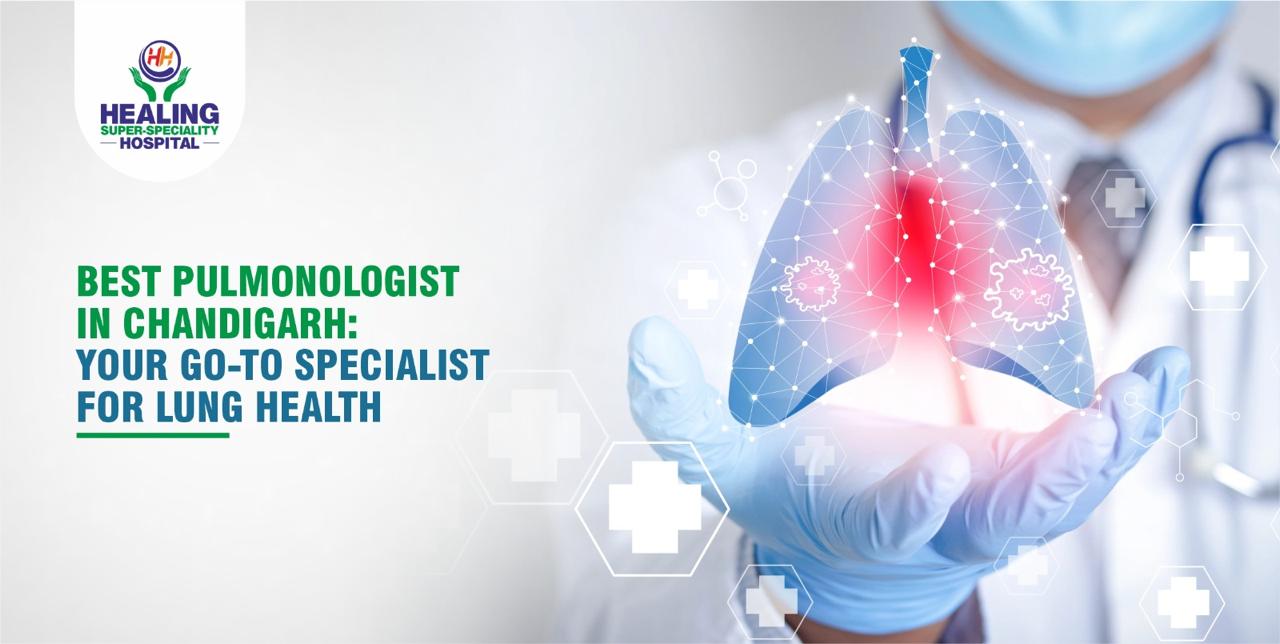
Asthma is a chronic respiratory condition in which the airways become inflamed and narrowed, sometimes producing excess mucus and making breathing difficult. Symptoms can vary from occasional wheezing and coughing to recurrent episodes of breathlessness and chest tightness. Although asthma can be effectively managed in most patients, poorly controlled disease can lead to frequent exacerbations, disturbed sleep, reduced daily activity, and repeated emergency visits.
At Healing Hospital, the Department of Pulmonary Medicine provides comprehensive asthma treatment in Chandigarh, including accurate diagnosis, assessment of asthma severity and triggers, personalized medication plans, inhaler guidance, and long-term monitoring. Patients experiencing recurrent symptoms or frequent flare-ups can receive structured bronchial asthma treatment based on their individual clinical needs. Emergency evaluation and treatment are also available for patients experiencing a severe asthma attack.
If you have a persistent cough, recurrent wheezing, chest tightness, or breathlessness, particularly if these symptoms interfere with sleep, exercise, work, or daily activities, timely evaluation by an asthma specialist in Chandigarh is important. A detailed assessment can help identify the underlying pattern of your asthma, optimize treatment, and reduce the risk of future exacerbations.
Privacy, comfort, and dignity remain at the core of every interaction. This patient-first philosophy has earned us the confidence of patients for over a decade now. If you are searching for a “lung doctor near me”, Healing hospital is available at your rescue.

What is Asthma?
Asthma is a chronic inflammatory condition of the airways that carry air into and out of the lungs. In people with asthma, the airways can become overly sensitive to certain triggers. Exposure to these triggers can cause inflammation, tightening of the airway muscles, and increased mucus production, which together can restrict airflow.
This airway narrowing can result in common asthma symptoms such as wheezing, persistent or recurrent coughing, chest tightness, and breathlessness. The frequency and severity of symptoms vary considerably between individuals. Some people experience occasional symptoms triggered by specific exposures, while others have persistent asthma that requires regular medication and ongoing monitoring.
Bronchial asthma is another commonly used medical term for asthma. Although asthma is a long-term condition, appropriate treatment and consistent disease management can help most patients achieve good symptom control, maintain normal daily activities, and reduce the risk of severe exacerbations.
Common Symptoms of Asthma
Asthma symptoms can appear occasionally or persist as an ongoing, chronic pattern, and recognising them accurately is the first step toward effective treatment.
- Wheezing, a whistling sound when breathing, particularly on exhaling
- Shortness of breath, especially during activity or at night
- Chest tightness or a feeling of pressure
- A persistent cough, often worse at night or early morning
- Difficulty sleeping due to coughing, wheezing, or breathlessness
- Symptoms that worsen with exercise, cold air, or specific triggers
Signs of an Asthma Attack
Certain symptoms suggest an asthma attack is escalating and needs immediate asthma attack treatment rather than waiting to see if it settles:
- Severe breathlessness that makes it hard to speak in full sentences
- Lips or fingertips turning bluish
- Rapid breathing that isn't improving with a reliever inhaler
- Visible effort to breathe, with the chest and neck muscles working hard
- Confusion, extreme drowsiness, or exhaustion from the effort of breathing
These signs mean it is time for emergency care, not another dose of medication at home.
Asthma Causes and Triggers
Asthma develops from a combination of genetic susceptibility and environmental exposure, and understanding your personal asthma triggers is central to long-term control.
Genetic and Early-Life Factors
A family history of asthma or allergic conditions significantly raises individual risk, and early childhood respiratory infections or allergen exposure can also contribute to asthma developing later.
Allergic Asthma Triggers
Pollen, dust mites, pet dander, mould, and cockroach allergens are among the most common triggers for allergic asthma, which represents a significant proportion of asthma cases overall.
Respiratory Infections
Colds, flu, and other respiratory infections frequently trigger flare-ups and can worsen asthma control temporarily, even in patients who are usually well managed.
Air Pollution and Irritants
Smoke, strong fumes, chemical irritants, and poor air quality generally are well-established asthma triggers, particularly relevant in urban environments.
Exercise
Physical activity can trigger symptoms in some patients, a pattern known as exercise-induced bronchoconstriction, though this doesn't mean exercise should be avoided altogether with the right treatment approach.
Weather Changes
Cold air, sudden temperature shifts, and high humidity are commonly reported triggers.
Stress and Strong Emotions
Emotional stress can trigger or worsen asthma symptoms in some patients, adding another dimension to comprehensive asthma management.
Asthma Diagnosis
Accurate diagnosis is essential for distinguishing asthma from other conditions that can cause similar symptoms, such as chronic respiratory infections or other lung disorders. Your pulmonologist will assess your symptoms, medical history, trigger patterns, and lung function before determining the most appropriate treatment approach.
Detailed Symptom & Trigger History
Your pulmonologist will assess the pattern, frequency, duration, and severity of symptoms such as coughing, wheezing, chest tightness, and breathlessness. The evaluation can also include known triggers, allergies, smoking or environmental exposure, and family history of asthma or other respiratory conditions.
Spirometry (Lung Function Test)
Spirometry is one of the primary tests used to assess asthma. It measures how much air you can exhale and how quickly you can exhale it. Measurements can be taken before and after a bronchodilator to assess whether airflow limitation improves with medication, supporting the diagnosis of asthma.
Peak Flow Monitoring
Peak expiratory flow monitoring uses a portable device to measure how quickly you can breathe air out of your lungs. Recording peak flow values over time can help identify variations in airflow and may support both asthma diagnosis and ongoing asthma management.
Allergy Testing
Skin-prick testing or specific blood tests may be recommended when allergic asthma is suspected. Identifying relevant allergens can help patients and clinicians develop strategies for trigger avoidance and guide treatment decisions.
Fractional Exhaled Nitric Oxide (FeNO) Testing
FeNO testing measures the concentration of nitric oxide in exhaled breath and can provide information about eosinophilic airway inflammation. It may be used alongside other clinical and lung-function assessments when the diagnosis is uncertain or to help guide asthma management.
Chest X-Ray
A chest X-ray does not diagnose asthma directly. However, it may be recommended when clinically indicated to help rule out other lung or chest conditions that can produce similar symptoms, particularly when symptoms are atypical or persistent.
Treatment Options for Asthma
Asthma treatment in Chandigarh at Healing Hospital is built around two complementary goals: controlling underlying airway inflammation long-term, and managing acute flare-ups quickly and safely when they occur.
Long-Term Asthma Management (Controller Treatment)
Inhaled Corticosteroids
The cornerstone of long-term asthma management for most patients, reducing airway inflammation and preventing symptoms before they start, rather than only treating them once they occur.
Long-Acting Bronchodilators
Often combined with inhaled corticosteroids for patients with more persistent symptoms, helping keep airways open over an extended period.
Leukotriene Modifiers
Oral medication that can help with allergic asthma specifically, sometimes used alongside inhaled treatment.
Biologic Therapy for Severe Asthma Treatment
For patients with severe asthma treatment needs that aren't adequately controlled by standard inhaled medication, newer biologic injections targeting specific inflammatory pathways can make a genuine difference in symptom control and attack frequency.
Personalized Action Plans
Every patient receives a written asthma action plan outlining daily medication, how to recognise worsening symptoms, and exactly what to do if a flare-up begins, which is central to effective, ongoing asthma management
Emergency Asthma Attack Treatment
Reliever (Rescue) Inhalers
Fast-acting bronchodilator medication that relaxes airway muscles quickly, the first line of wheezing treatment during an acute flare-up.
Nebulized Medication
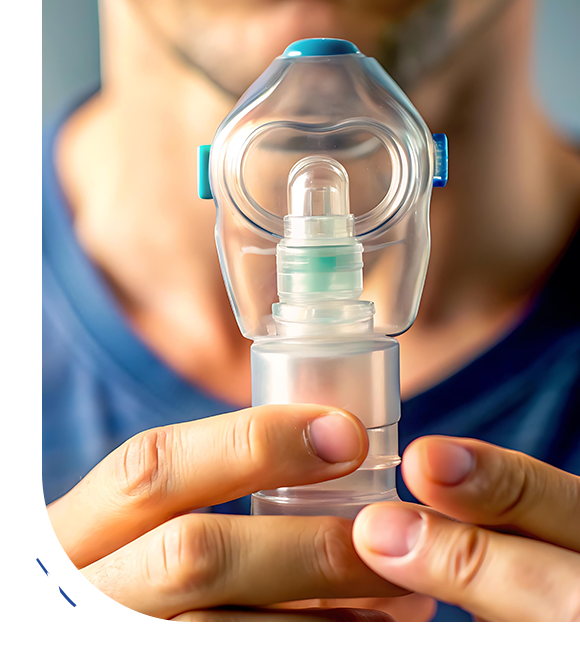
For more significant attacks, nebulised bronchodilators and, when needed, corticosteroids deliver medication more effectively than a standard inhaler.
Oxygen Therapy
Provided when oxygen levels drop during a severe attack, alongside continuous monitoring.
Emergency & Critical Care Support
For the most severe attacks, Healing Hospital's emergency department and respiratory critical care team provide immediate, round-the-clock asthma attack treatment, including ventilatory support when genuinely needed.
Asthma Recovery and Rehabilitation
Asthma is a long-term condition, so recovery focuses on achieving good symptom control, maintaining lung function, reducing flare-ups, and helping patients remain active in their daily lives.
Inhaler Technique and Treatment Adherence
Using inhalers correctly ensures that the prescribed medicine reaches the airways effectively. Patients should follow the prescribed treatment schedule and have their inhaler technique reviewed regularly to identify and correct common errors.
Breathing and Respiratory Exercises
Appropriate breathing exercises may help some patients improve breathing control, reduce dysfunctional breathing patterns, and increase confidence during physical activity. These exercises should complement, rather than replace, prescribed asthma medication.
Gradual Return to Physical Activity
Regular physical activity is encouraged for most people with well-controlled asthma. Exercise can be resumed gradually according to individual tolerance, with appropriate warm-up and adherence to the prescribed asthma management plan.
Identifying and Avoiding Triggers
Identifying individual triggers such as allergens, smoke, air pollution, respiratory infections, cold air, or exercise can help reduce the frequency of symptoms and exacerbations. Patients can work with their healthcare provider to develop practical strategies for managing avoidable triggers.
Regular Monitoring and Follow-up
Ongoing follow-up helps assess symptom control, lung function, medication effectiveness, and the frequency of asthma exacerbations. Treatment can be adjusted when required to maintain control and reduce the risk of future attacks.
Why Timely Asthma Attack Intervention Matters
An asthma attack can cause rapid worsening of airway narrowing and make it increasingly difficult for air to reach the lungs. Delaying appropriate treatment can allow symptoms to progress from wheezing and breathlessness to severe respiratory distress, particularly when the attack does not respond adequately to the patient's prescribed reliever medication.
Timely intervention allows healthcare professionals to assess the severity of the exacerbation and provide appropriate treatment before respiratory function deteriorates further. Severe breathlessness, difficulty speaking, bluish lips or fingertips, confusion, or rapidly worsening symptoms require immediate emergency medical care rather than continued self-management at home.
Why Choose Healing Hospital as Your Asthma Specialist in Chandigarh?

Comprehensive, Consultant-Led Asthma Care : As a genuine asthma hospital in Chandigarh, our pulmonology team combines advanced diagnostics with individualized, consultant-led treatment planning, rather than a one-size-fits-all inhaler prescription.

Access to Advanced Treatment Options : For patients with severe asthma treatment needs, access to newer biologic therapies means genuinely effective options exist even when standard treatment has not been enough.

24×7 Emergency Readiness : Asthma attacks do not wait for convenient hours. Our emergency department and respiratory critical care team are ready around the clock for urgent asthma attack treatment.
Exercises & Lifestyle Changes for Asthma
Alongside medical treatment, several habits genuinely support better asthma control and fewer flare-ups.
Breathing Exercises: Techniques like pursed-lip breathing and diaphragmatic breathing can help manage breathlessness and improve overall lung function alongside medical treatment.
Identify and Reduce Trigger Exposure: Keeping a symptom diary to track your specific asthma triggers, whether dust, pollen, cold air, or something else, allows for genuinely targeted avoidance rather than generic advice.
Stay Physically Active: Regular exercise, with proper warm-up and pre-treatment if needed, actually improves long-term lung function and overall fitness, rather than something to avoid out of fear of triggering symptoms.
Maintain a Healthy Weight: Excess weight is linked to more difficult-to-control asthma, making weight management a genuinely relevant part of long-term care.
Get Vaccinated: Annual flu vaccination and staying current on relevant vaccines reduces the risk of respiratory infections that commonly trigger flare-ups.
Keep Your Home Environment Asthma-Friendly: Reducing dust, using allergen-proof bedding covers, and controlling humidity to prevent mould all support fewer trigger exposures at home.
Avoid Smoking and Secondhand Smoke: Both directly worsen asthma control and accelerate long-term decline in lung function, making avoidance one of the single most impactful things within your control.
Meet Our Asthma Specialist in Chandigarh
At Healing Hospital, asthma treatment in Chandigarh is led by consultant pulmonologists with focused expertise in respiratory and critical care medicine, ensuring both routine management and genuine emergencies are handled by the same experienced team.
📞 Call: +91-9134343436 to schedule your consultation with our Pulmonary Medicine Department.
🌐 Book Online: Visit www.healinghospital.co.in or walk in directly at our front desk for an appointment.
Other Pulmonology Services at Healing Hospital
Reviewed By
Dr. Preeti Sharma
Advanced Respiratory Medicine & Critical Care; International expertise
18+ Years

Dr. Preeti Sharma is a highly accomplished Senior Consultant in Pulmonary Medicine and Critical Care at Healing Hospital, Chandigarh with 18+ years of transformative experience in the comprehensive management of complex respiratory disorders, lung diseases, and critical care.
Doctors Available
Dr. Preeti Sharma
Senior Consultant
Advanced Respiratory Care & Internal Medicine
18+ Years
Hindi, Punjabi, English
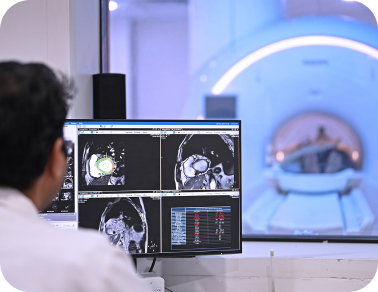
Equipped with state-of-art diagnostic and treatment technologies to ensure the best outcomes for our patients






Frequently Asked Questions (FAQs)
Is asthma curable, or only manageable?
Asthma cannot currently be cured, but it is very effectively manageable. With consistent, correctly used bronchial asthma treatment, most patients live full, active lives with minimal disruption from symptoms.
What are the most common asthma symptoms to watch for?
Common asthma symptoms include wheezing, chest tightness, shortness of breath, and a persistent cough, particularly one that worsens at night or with exercise
Where can I find the best asthma doctor in Chandigarh?
If you are searching for the best asthma doctor in Chandigarh, Mohali, Panchkula, or the surrounding Tricity region, Healing Hospital, Sector 34, Chandigarh, provides comprehensive evaluation and treatment under experienced, consultant-led pulmonology care.
What usually causes asthma to develop?
Asthma causes include a combination of genetic susceptibility, family history of allergic conditions, and environmental exposure, though the exact combination varies from person to person.
What triggers an asthma attack?
Common asthma triggers include allergens like pollen and dust mites, respiratory infections, air pollution, cold air, exercise, and emotional stress, though individual triggers vary and are worth identifying specifically.
How is allergic asthma different from other types?
Allergic asthma is triggered specifically by allergens such as pollen, dust, or pet dander, and often responds well to a combination of trigger avoidance, allergy testing, and targeted medication alongside standard asthma treatment.
When should I go to the hospital for an asthma attack?
Seek emergency asthma attack treatment immediately if breathlessness makes it hard to speak in full sentences, your reliever inhaler isn’t helping, or you notice bluish lips or fingertips. These are signs of a genuine emergency, not something to manage at home.
Can chronic cough be a sign of asthma even without wheezing?
Yes. A persistent cough lasting several weeks, especially one worse at night, can be the primary symptom of asthma in some patients even without obvious wheezing, and needs proper chronic cough treatment and evaluation rather than being dismissed as a lingering cold.
Is severe asthma treatment different from standard treatment?
Yes. Severe asthma treatment often includes additional options like biologic therapies targeting specific inflammatory pathways, used when standard inhaled medication alone isn’t providing adequate control.
How do I book a consultation with a lung specialist near me?
You can schedule a consultation by calling +91-91343 43436, or book online through www.healinghospital.co.in. Walk-in appointments are also available at the hospital’s front desk.
Blog
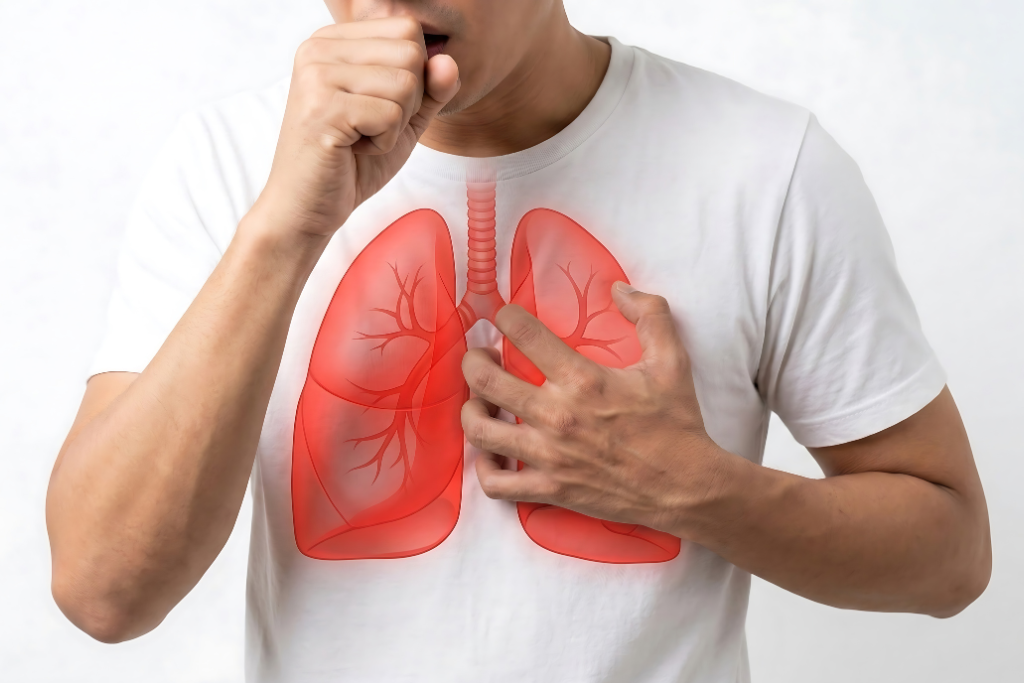
Lung Infection Symptoms: Early Signs, Causes & When to Seek Care
World Lung Day: Protecting Your Lungs and Understanding Lung Health
How to Choose the Best Chest & Lungs Specialist in Chandigarh (2026 Guide)
World Lung Cancer Day 2026: Early Detection Can Save Lives

Home Remedies for Dry Cough: Causes, Treatment & Natural Ways to Relieve Cough
Common Respiratory Conditions Treated by the Best Pulmonary Doctor in Chandigarh
Best Pulmonary Doctor in Chandigarh: Where to Find the Most Effective Care
Finding the Right Lung Cancer Doctor in Chandigarh: A Guide to Choosing Dr. Preeti Sharma at Healing Hospital