Cardiac arrest is one of the most life-threatening medical emergencies. It occurs suddenly and causes the heart to stop pumping blood to the brain and other vital organs. Without immediate cardiopulmonary resuscitation (CPR) and defibrillation, survival chances decrease with every passing minute.
At Healing Hospital, our Department of Cardiology, in coordination with the Department of Critical Care & Emergency, provides 24×7 emergency cardiac care, supported by experienced cardiologists, critical care specialists, advanced life-support systems, and a fully equipped GE Cath Lab (cardiac catheterization laboratory).
What is a Cardiac Arrest?
Cardiac arrest is a life-threatening medical emergency in which the heart suddenly stops pumping blood because of a severe malfunction in its electrical system. When the heart’s electrical signals become abnormal, the heart can no longer beat in a coordinated manner, causing blood flow to the brain and other vital organs to stop almost immediately.
You might have also heard the terms, cardiopulmonary arrest or cardiovascular arrest. While these terms are sometimes used interchangeably with cardiac arrest, cardiopulmonary arrest specifically refers to the simultaneous cessation of both circulation and effective breathing that occurs once the heart stops functioning.
Unlike fainting or a panic attack, a person experiencing cardiac arrest becomes suddenly unresponsive, stops breathing normally (or only gasps), and has no detectable pulse. Without immediate treatment that includes cardiopulmonary resuscitation (CPR) or defibrillation using an automated external defibrillator (AED)—brain damage can begin and death may occur within a few minutes.
Cardiac arrest requires immediate emergency medical attention. Recognizing the symptoms early and acting quickly can significantly improve the chances of survival.
Types of Cardiac Arrest
Cardiac arrest can be classified by the initial heart rhythm and by where it happens.
Shockable Cardiac Arrest Rhythms
Shockable rhythms include ventricular fibrillation (VF) and pulseless ventricular tachycardia (pVT). These rhythms are managed with immediate defibrillation, high-quality cardiopulmonary resuscitation (CPR), and advanced resuscitative care. Prompt recognition and treatment are critical to improving the likelihood of return of spontaneous circulation.
Non-Shockable Cardiac Arrest Rhythms
Non-shockable rhythms include asystole and pulseless electrical activity (PEA). Defibrillation is not indicated in these cases. Management focuses on high-quality CPR, advanced life support interventions, medication administration, and identification and correction of reversible causes.
Out-of-Hospital Cardiac Arrest (OHCA)
Out-of-hospital cardiac arrest (OHCA) refers to cardiac arrest occurring outside a hospital setting, such as at home, in the workplace, or in public areas. Outcomes depend largely on early recognition, timely activation of emergency medical services, immediate CPR, and early defibrillation when appropriate.
In-Hospital Cardiac Arrest (IHCA)
In-hospital cardiac arrest (IHCA) occurs in patients already admitted to a healthcare facility. Because monitoring equipment, trained personnel, and resuscitation resources are immediately available, treatment can often begin without delay. This rapid response is an important factor in improving clinical outcomes.
Cardiac Arrest Symptoms and Warning Signs
Cardiac arrest is a medical emergency that often happens suddenly. In many cases, there is little or no warning, which is why quick recognition and immediate action are so important.
Common Signs of Cardiac Arrest
Sudden Collapse
The person may suddenly collapse while walking, talking, exercising, or doing routine activities. This collapse is usually abrupt and unexpected.
Loss of Consciousness
A person in cardiac arrest becomes unresponsive and does not respond to being spoken to, tapped, or gently shaken. They cannot be awakened and are unaware of their surroundings.
Abnormal or Absent Breathing
Normal breathing may stop completely, or the person may make irregular gasping breaths known as agonal breathing. Gasping is not normal breathing and should always be treated as an emergency.
No Detectable Pulse
Healthcare professionals may confirm cardiac arrest by checking for a pulse. If a person is unresponsive and not breathing normally, start CPR immediately and call emergency services.
Possible Warning Signs Before Cardiac Arrest
Some people may experience warning symptoms shortly before cardiac arrest, especially if the underlying cause is a heart problem. These may include:
- Chest pain or chest discomfort.
- Shortness of breath.
- Palpitations or a racing heartbeat.
- Dizziness or fainting.
- Nausea, sweating, or sudden weakness.
Causes and Reasons for Cardiac Arrest
Cardiac arrest usually occurs when a dangerous heart rhythm prevents the heart from pumping blood effectively. In many cases, the underlying cause is heart disease, although cardiac arrest can also be triggered by electrolyte abnormalities, severe illness, trauma, or certain drugs.
Coronary Artery Disease
Coronary artery disease is one of the most common underlying causes of cardiac arrest. When the coronary arteries become narrowed or blocked, the heart muscle receives less oxygen, which can increase the risk of dangerous rhythm disturbances.
Previous History of Heart Attack
A previous heart attack can leave scar tissue in the heart muscle. This scar tissue may disrupt normal electrical conduction and raise the risk of ventricular arrhythmias and cardiac arrest.
Arrhythmias
Abnormal heart rhythms, especially ventricular arrhythmias such as ventricular fibrillation, are a direct cause of many cardiac arrests. These rhythms can prevent the heart from pumping blood effectively and require immediate emergency treatment.
Heart Valve Disease & Structural Heart Disease
Heart valve disease, cardiomyopathy, congenital heart disease, and heart failure can all strain the heart and increase the risk of cardiac arrest. These conditions may affect both the heart’s pumping function and its electrical system.
Electrolyte Imbalance
Abnormal levels of potassium, magnesium, or calcium can interfere with the heart’s electrical activity and trigger life-threatening arrhythmias.
Severe Stress, Trauma, or Other Triggers
Severe blood loss, major trauma, electrical injury, drowning, or extreme physiological stress can trigger cardiac arrest in some cases. Certain drugs, including cocaine and amphetamines, may also increase the risk.
Emergency Treatment for Cardiac Arrest at Healing Hospital
Cardiac arrest is a life-threatening emergency in which every minute without treatment reduces the chances of survival. At Healing Hospital, our emergency & critical care department follows evidence-based Advanced Cardiac Life Support (ACLS) protocols to restore circulation as quickly as possible and identify the underlying cause.
Immediate High-Quality CPR
Cardiopulmonary resuscitation (CPR) is started immediately to help maintain blood flow to the brain and other vital organs until spontaneous circulation is restored.
Rapid Defibrillation (AED use)
If the cardiac arrest is caused by a shockable rhythm such as ventricular fibrillation or pulseless ventricular tachycardia, prompt defibrillation is performed to help restore an effective heart rhythm.
Advanced Cardiac Life Support (ACLS)
Our Cardiology team provides advanced resuscitation care, including emergency medications, airway support when needed, assisted ventilation, and continuous monitoring of the patient’s heart rhythm and circulation in line with ACLS protocols.
Emergency Coronary Angiography and Angioplasty
If cardiac arrest is suspected to be related to an acute coronary blockage, emergency coronary angiography may be performed, and angioplasty (PCI) may be used when indicated to restore blood flow to the heart. Current guidelines support urgent catheterization in selected patients, especially when there is persistent ST-segment elevation or strong suspicion of coronary occlusion.
AICD Implantation
An automatic implantable cardioverter defibrillator placed in patients at high risk of recurrent arrest, designed to detect and correct dangerous rhythms automatically.
Intensive Cardiac Care in CCU
After successful resuscitation, patients are transferred to the Cardiac Intensive Care Unit for close hemodynamic monitoring, ventilatory support when required, neurological assessment, and post-cardiac arrest care aimed at supporting organ function and recovery.
Post-Resuscitation Therapeutic Hypothermia
Recovery after cardiac arrest involves more than restarting the heart. Controlled cooling of the body is done after resuscitation to reduce the risk of brain injury from the period without adequate blood flow.
Cardiac Arrest Recovery & Rehabilitation
Surviving cardiac arrest is an important first step, but recovery may continue for weeks, months, or longer. The period of reduced blood flow can affect the brain, heart, muscles, and other organs, so each patient’s recovery plan is based on their condition, neurological status, underlying cause, and overall progress.
Physical Recovery
Many patients experience fatigue, reduced stamina, weakness, muscle soreness after chest compressions, or difficulty returning to normal daily activities. Cardiac rehabilitation and physiotherapy may help rebuild strength, improve mobility, increase exercise tolerance, and support a safe return to daily routines.
Cardiac Rehabilitation and Follow-Up
Cardiac rehabilitation may include supervised physical activity, education about heart health, medication review, risk-factor management, and support for returning to everyday activities. Follow-up may also focus on heart rhythm monitoring, treatment of the underlying cause, medication adjustment, and assessment for devices or other interventions when clinically appropriate.
Cognitive and Neurological Recovery
Some survivors develop temporary or persistent problems with memory, concentration, communication, coordination, or decision-making. Patients may require neurological assessment, occupational therapy, speech therapy, or cognitive rehabilitation depending on their needs. Cognitive and emotional screening is recommended as part of follow-up after cardiac arrest.
Emotional and Psychological Support
Anxiety, depression, fear of another cardiac event, sleep problems, and symptoms of post-traumatic stress can occur after cardiac arrest. Psychological counselling, family support, and referral to a mental health professional may be included in the recovery plan.
Cardiac Arrest Survival Rates: Why Early Treatment Matters
The chances of surviving cardiac arrest depend on several factors, including how quickly CPR begins, whether the initial rhythm is shockable, how soon defibrillation is provided when appropriate, and the quality of post-cardiac-arrest care.
When cardiac arrest occurs, blood flow to the brain and other vital organs stops. Early CPR helps maintain circulation until professional treatment is available, while rapid defibrillation can restore an effective rhythm in patients with ventricular fibrillation or pulseless ventricular tachycardia. Delays in CPR and defibrillation are associated with lower survival and a greater risk of neurological injury.
If someone is unresponsive and not breathing normally, call emergency medical services immediately, begin CPR, and use an automated external defibrillator (AED) if one is available. Continue CPR until trained medical professionals take over.
At Healing Hospital, patients with cardiac arrest receive coordinated emergency resuscitation, including high-quality CPR, defibrillation when indicated, advanced life support, and evaluation of the underlying cause. After circulation is restored, intensive post-cardiac-arrest care focuses on supporting the heart, brain, and other organs and on improving the possibility of meaningful recovery.
Why Choose Healing Hospital for Cardiac Arrest Treatment?

24×7 Emergency Cardiac Response : Cardiac arrest requires immediate resuscitation and coordinated emergency care. At Healing Hospital, the emergency, critical care,and cardiology teams work together to begin assessment and resuscitation as quickly as possible when a patient arrives.

Cardiac Catheterisation Facilities : When cardiac arrest is suspected to be related to an acute coronary blockage, coronary angiographymay be performed to assess the coronary arteries. If a significant blockage is identified and intervention is clinically appropriate, angioplasty or percutaneous coronary intervention (PCI) may be performed to restore blood flow.

Comprehensive Post-Cardiac Arrest Care : Recovery after cardiac arrest involves more than restoring the heartbeat. Appropriate patients may receive targeted temperature management or active fever prevention, ventilatory and circulatory support, neurological assessment, cardiac rehabilitation, physiotherapy, psychological support, and follow-up care.
Cardiac Arrest Prevention Tips
While cardiac arrest can strike without warning, several everyday habits meaningfully lower your risk over time.
Control Blood Pressure and Diabetes
Both conditions place ongoing strain on the heart and blood vessels, raising long-term arrhythmia risk when left unmanaged.
Quit Smoking
Smoking damages blood vessels and directly increases the risk of coronary artery disease, one of the leading contributors to cardiac arrest.
Follow a Heart-Healthy Diet
A diet built around vegetables, whole grains, and lean protein supports healthy arteries and reduces long-term cardiac risk.
Get Regular Heart Checkups
Routine screening can catch arrhythmias, valve problems, or early coronary artery disease before they progress to something more dangerous.
Exercise Regularly
Consistent physical activity strengthens the heart muscle and supports healthy blood pressure and cholesterol levels.
Manage Stress
Chronic stress contributes to high blood pressure and unhealthy coping habits, both of which raise cardiac risk over time.
Meet our Cardiac Arrest Specialist in Chandigarh
At Healing Hospital, our cardiology and critical care teams work together closely on every cardiac arrest case, since outcomes depend on coordinated, rapid decision-making rather than any single specialist working alone.
Dr. Ratinder Pal Singh– Senior Consultant Cardiologist, with 14+ years of experience in managing coronary artery disease, arrhythmias, and cardiac emergencies, including cardiac catheterisation, angioplasty, and device implantation for high-risk patients.
📞 Call: +91-8975343434 to schedule your consultation.
🌐 Book Online: Visit www.healinghospital.co.in to book an appointment.
Other Cardiac Services Available at Healing Hospital in Chandigarh
Our Cardiology hospital in Chandigarh supports cardiac arrest patients through a full range of connected services:
Reviewed By
Dr. Ratinder Pal Singh
Interventional Cardiologist
14+ Years

Dr. Ratinder Pal Singh is a highly qualified medical professional working as Interventional Cardiologist in Tricity. He has an extensive experience of 15+ years in the field of cardiology which includes Non-invasive & Invasive (Interventional) diagnostic and therapeutic procedures. Dr. RP Singh has performed 10,000+ interventional procedures till date which includes diagnostic Coronary Angiogram, Primary and Complex Angioplasty, Device Implantation, Device closures and others. He also holds special interest and expertise in performing peripheral procedures which includes Peripheral Angiograms, Angioplasties, Stent Implantation, Renal Stent Implantation, Coil Embolization & Balloon Angioplasty of AV Fistula.
Doctors Available
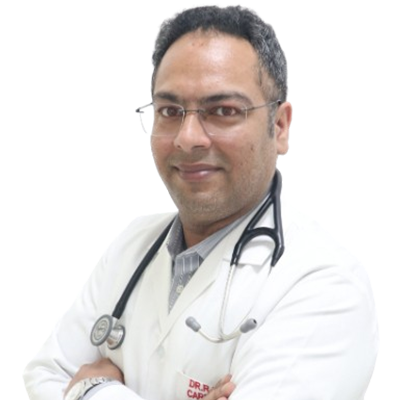
Dr. Ratinder Pal Singh
Senior Consultant
Interventional Cardiologist
14+ Years
Hindi, Punjabi, English
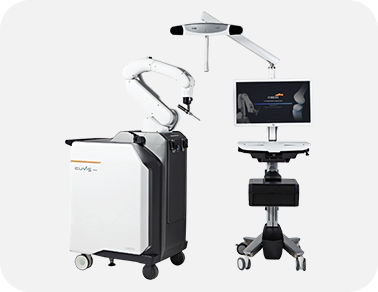
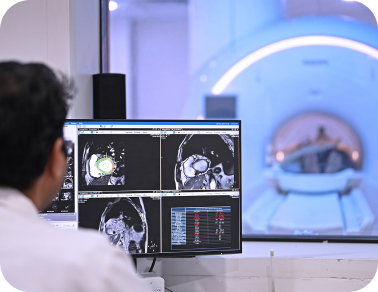
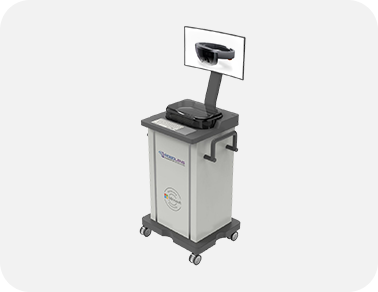
Equipped with state-of-art diagnostic and treatment technologies to ensure the best outcomes for our patients





Frequently Asked Questions (FAQs)
What is a sudden cardiac arrest?
Sudden cardiac arrest is a medical emergency in which the heart suddenly stops pumping blood effectively, usually because of a serious electrical disturbance. The person loses consciousness, has no normal pulse, and stops breathing normally. Without immediate CPR and defibrillation when indicated, it can be fatal within minutes.
What is the difference between a cardiac arrest and a heart attack?
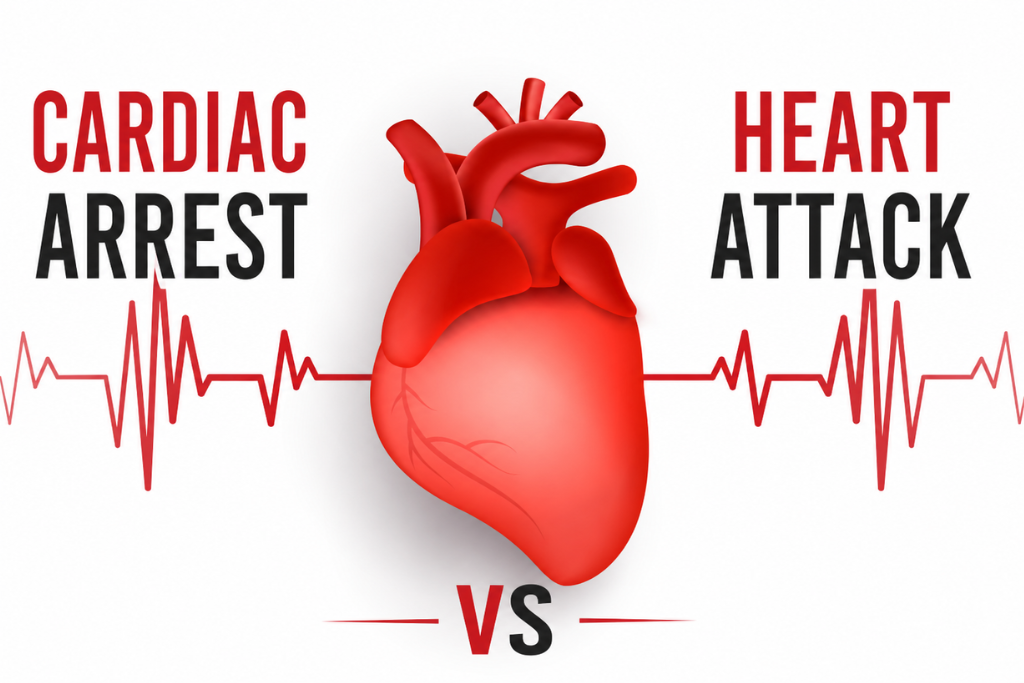
A heart attack is a circulation problem caused by blocked blood flow to part of the heart muscle. Cardiac arrest is an electrical problem in which the heart suddenly stops pumping effectively. A heart attack can sometimes trigger cardiac arrest, but many cardiac arrests occur for other reasons as well, including abnormal heart rhythms, underlying heart disease, electrolyte imbalance, or other medical problems.
What are the warning signs of cardiac arrest?
Cardiac arrest often happens without warning. Some people may have chest pain, shortness of breath, dizziness, palpitations, or fainting just before collapse. Once cardiac arrest occurs, the person is unresponsive, not breathing normally, and has no detectable pulse.
What should I do if someone near me suffers from a cardiac arrest?
Call emergency medical services immediately, start CPR right away, and use an AED if one is available. Continue CPR until trained medical professionals take over. Early CPR and rapid defibrillation improve the chance of survival.
How is a cardiac arrest treated?
Emergency treatment for cardiac arrest begins with CPR and defibrillation when the rhythm is shockable. After circulation is restored, treatment focuses on identifying the cause and may include ACLS, coronary angiography or angioplasty when appropriate, intensive care monitoring, and ventilatory support.
Who is at higher risk of cardiac arrest?
Risk is higher in people with coronary artery disease, prior heart attack, heart failure, arrhythmias, cardiomyopathy, heart valve disease, inherited heart conditions, diabetes, high blood pressure, chronic kidney disease, or a family history of sudden cardiac death.
Can a healthy person suffer sudden cardiac arrest?
Yes. Sudden cardiac arrest can occur in people without known heart disease, especially if there is an undiagnosed inherited rhythm disorder, structural heart problem, electrolyte imbalance, or other trigger.
Can cardiac arrest be prevented?
Not every case can be prevented, but controlling risk factors such as high blood pressure, diabetes, and high cholesterol can help lower risk. Avoiding smoking, staying active, maintaining a healthy weight, and getting medical evaluation for chest pain, fainting, or palpitations are also important.
Which hospital in Chandigarh provides cardiac arrest treatment near me?
At Healing Hospital, cardiac arrest is managed by a multidisciplinary team that may include critical care specialists, general physicians, cardiologists, anaesthesiologists, and staff nurses. Ongoing treatment after resuscitation focuses on finding the cause and preventing another event.
How do I book a consultation with a cardiologist near me?
If you have symptoms such as chest pain, palpitations, fainting episodes, breathlessness, or have risk factors for heart disease, you can schedule a consultation with the experienced cardiologists in Chandigarh at Healing Hospital. You may call at +91-8975343434 or walk in directly at our front desk for an appointment.
Blog
World Heart Day 2026: Date, Theme, History & Heart Health Tips
ECG vs Echo Test: What’s the Difference and Which One Do You Need?

Period Pain Relief: Causes of Period Cramps & How to Manage Them
How High Cholesterol Level Affects Your Heart: Risks, Symptoms & Prevention

How to Choose the Best Cardiologist in Chandigarh: 5 Critical Factors for Heart Care in 2026
Guide to the Best Hospital for Angioplasty in Chandigarh

How to Reduce Cholesterol Naturally: Diet, Lifestyle & Medical Treatment
Cardiac Arrest vs Heart Attack: What Every Indian Must Know to Save a Life