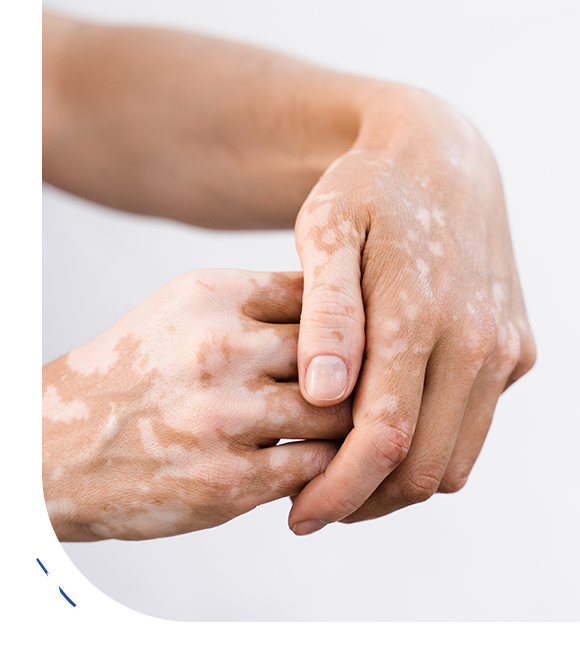
Vitiligo is a chronic autoimmune skin condition in which pigment-producing cells are progressively damaged, resulting in the development of depigmented white patches on the skin. Although vitiligo is neither contagious nor life-threatening, its visible nature can have a significant psychosocial impact, particularly in social settings where changes in skin appearance may attract unwanted attention. This makes accurate diagnosis, appropriate treatment, and empathetic clinical care equally important.
At Healing Hospital, our Department of Dermatology provides comprehensive vitiligo treatment in Chandigarh. We provide accurate diagnosis, phototherapy, and advanced surgical repigmentation techniques for vitiligo. Whether you have newly developed patches, progressive vitiligo, or long-standing depigmentation and are exploring repigmentation options, our dermatologists in Chandigarh develop an individualized treatment plan based on the extent, activity, and characteristics of the condition.
If you notice new or spreading white patches on your skin, or premature whitening of the hair, consulting a vitiligo specialist in Chandigarh can help establish the diagnosis and determine the most appropriate treatment approach.

What is Vitiligo?
Vitiligo typically presents as areas of depigmentation that appear on the face, hands, feet, arms, legs, scalp, or around body openings. The patches can vary in size and gradually enlarge or appear in new areas over time. Hair growing within affected skin can also lose its pigment, resulting in premature whitening of the scalp hair, eyebrows, eyelashes, or other body hair.
The pattern and progression of vitiligo vary considerably between individuals. Some people develop a few localized patches that remain stable, while others can experience more widespread or progressive depigmentation.
Types of Vitiligo
Non-Segmental Vitiligo
The most common form of vitiligo, usually affecting corresponding areas on both sides of the body. It can gradually involve new areas over time and is more frequently associated with other autoimmune conditions.
Segmental Vitiligo
A less common form that usually affects one side or a specific segment of the body. It often develops earlier in life and tends to stabilize after an initial period of progression.
Focal Vitiligo
Vitiligo is limited to one or a small number of isolated patches that do not clearly fit a segmental or non-segmental pattern at the time of evaluation. Its pattern can become clearer with follow-up.
Acrofacial Vitiligo
A pattern that predominantly affects the face and distal areas of the limbs, particularly the hands and feet.
Mucosal Vitiligo
A form involving depigmentation of mucous membranes, commonly affecting areas such as the lips or genital mucosa.
Universal Vitiligo
A rare and extensive form in which depigmentation affects nearly the entire body surface, resulting in very little remaining pigmentation.
Vitiligo Symptoms
Vitiligo is primarily identified by changes in skin pigmentation, although other features may occur depending on the areas affected and the activity of the condition. A few common vitiligo symptoms are:
- Sharply defined white or depigmented patches on the skin
- Premature whitening or greying of the scalp hair, eyebrows, eyelashes, beard, or other affected hair
- Loss of pigmentation on mucous membranes, including the lips and inside the mouth
- Depigmented patches commonly developing on the hands, face, feet, and other areas of the body
Vitiligo Causes
Vitiligo is believed to result from a combination of genetic susceptibility, immune-system dysfunction, and environmental or cellular factors that affect melanocytes.
Genetic Predisposition
A family history of vitiligo can increase the risk of developing the condition, indicating that genetic factors contribute to individual susceptibility. However, having a family history does not necessarily mean that vitiligo will develop.
Oxidative Stress
Oxidative stress within the skin can contribute to melanocyte dysfunction and damage. It is considered one of the biological mechanisms that can play a role in the development and progression of vitiligo.
Neural Factors
Neural mechanisms have been proposed as a possible contributing factor, particularly in segmental vitiligo. The distribution of some lesions has led researchers to investigate the relationship between local nerve pathways and melanocyte function.
Trigger Factors
Certain factors can precede the onset or worsening of vitiligo in susceptible individuals. These can include significant sunburn, skin trauma, repeated friction, and considerable emotional stress. However, these are considered potential triggers rather than established direct causes.
Associated Autoimmune Conditions
Vitiligo can occur alongside other autoimmune conditions, particularly thyroid disorders and alopecia areata. Their coexistence can reflect a shared underlying susceptibility to immune-system dysfunction.
When to Consult a Dermatologist for Vitiligo
If you notice a new white or depigmented patch on your skin, consulting a dermatologist in Chandigarh can help confirm whether it is vitiligo or another skin condition. Early evaluation is particularly important when patches are increasing in size or number, as treatment options and response can vary depending on the activity and extent of the condition.
You should also seek dermatology consultation, if you notice premature whitening of hair, new patches developing after skin injury or repeated friction, or changes occurring alongside a family history of vitiligo or other autoimmune conditions.
Vitiligo Treatment in Chandigarh
Vitiligo treatment at Healing Hospital is tailored to the type, extent, and distribution of the condition, as well as the patient's individual treatment expectations. Depending on the clinical assessment, its management can include topical medicines, phototherapy, surgical repigmentation for appropriately selected stable cases, cosmetic camouflage, or supportive psychological care.
Topical Treatment
Topical corticosteroids are commonly used for localized vitiligo, while topical calcineurin inhibitors may be preferred for sensitive areas such as the face.
Phototherapy
Narrowband UVB phototherapy is an established treatment for more widespread vitiligo and may also be used when the condition is actively progressing. It works by stimulating repigmentation and usually requires a consistent course of treatment. Excimer laser therapy provides a more targeted form of phototherapy and can be considered for smaller or localized patches.
Vitiligo Surgery
Surgical repigmentation can be considered for selected patients whose vitiligo has remained stable, particularly when specific patches have not responded adequately to medical treatment. Suitability depends on factors such as disease stability, lesion location, extent of depigmentation, and overall skin condition.
Autologous Punch Grafting
In this technique, small pieces of normally pigmented skin are taken from an unaffected donor area and transplanted into depigmented patches. The transplanted melanocytes can then contribute to repigmentation of the treated area.
Non-Cultured Melanocyte Transplantation (NCMT)
This technique involves harvesting pigment-producing cells from a small donor area, processing them, and applying the cell suspension to the depigmented skin. It allows treatment of a relatively larger recipient area using a comparatively smaller donor site in appropriately selected patients.
Camouflage and Cosmetic Options
Camouflage cosmetics and self-tanning preparations can help reduce the visible contrast between affected and unaffected skin. These options can be useful alongside medical treatment or when repigmentation is incomplete.
Depigmentation Therapy
For selected patients with extensive vitiligo involving most of the body, depigmentation of the remaining normally pigmented skin can be discussed to create a more uniform skin tone. Since the resulting loss of pigmentation is permanent, this option requires careful assessment and thorough counselling before treatment.
Psychological Support
Vitiligo can have a significant impact on confidence, social interactions, and emotional well-being. Where appropriate, psychological or counselling support can form part of comprehensive care, helping patients manage the emotional and social effects of the condition alongside medical treatment.
Vitiligo Recovery and Long-Term Management
Realistic Expectations for Phototherapy
Meaningful repigmentation through phototherapy typically requires a sustained course of treatment, often spanning several months of consistent sessions, with response varying by body location, the face and trunk generally responding more favourably than the hands, feet, and joints.
Post-Surgical Recovery
Following surgical repigmentation procedures, gradual pigment spread from the grafted or transplanted cells becomes visible over subsequent weeks to months, with continued monitoring to assess progress.
Sun Protection for Depigmented Areas
Given the absence of protective melanin, consistent sun protection for affected areas remains an important, ongoing aspect of long-term management.
Monitoring for Disease Activity and Associated Conditions
Regular follow-up tracks whether the disease remains stable or shows signs of renewed activity, alongside periodic screening for associated autoimmune conditions, particularly thyroid dysfunction.
Why Early Vitiligo Treatment Matters
Early evaluation can be valuable, particularly when vitiligo is actively progressing. Newly developed patches can respond more favorably to repigmentation treatment than long-standing areas, although treatment response varies between individuals. Early assessment also helps determine disease activity and identify the most appropriate treatment approach.
Early engagement with appropriate care can also provide timely guidance about the condition and access to psychological support when needed. This can help patients better understand vitiligo, manage its visible effects, and make informed decisions about treatment. The team of dermatologists and cosmetologists at Healing Hospital, Sector 34-A provides vitiligo treatment in chandigarh with outcomes as per your expectations.
Why Choose Healing Hospital for Your Vitiligo Treatment in Chandigarh?

Advanced Surgical Repigmentation Techniques : Healing Hospital offers selected surgical repigmentation procedures for vitiligo, including autologous punch grafting and non-cultured melanocyte transplantation (NCMT). These techniques can be considered for appropriately selected patients with stable vitiligo, particularly when specific depigmented areas have not responded adequately to medical treatment.

Comprehensive Diagnostic and Treatment Pathway : Vitiligo care includes clinical assessment, Wood’s lamp examination, and additional investigations when clinically indicated. Depending on the type, extent, and severity of the condition, treatment can include topical medicines, phototherapy, surgical repigmentation, and other supportive approaches, allowing treatment to be tailored to each patient’s needs.

Care That Recognizes the Psychosocial Impact of Vitiligo : Vitiligo can affect confidence, social interactions, and emotional well-being, particularly when visible areas of the skin are involved. Our approach considers these concerns alongside medical treatment, with appropriate counselling or psychological support when needed to help patients manage the broader impact of the condition.
Vitiligo Management and Risk Reduction Tips
Although vitiligo cannot be reliably prevented, certain measures can help protect depigmented skin, reduce avoidable triggers, and support long-term management.
Protect Depigmented Skin from Sun Exposure
Depigmented areas contain less melanin and are more susceptible to sunburn. Using a broad-spectrum sunscreen, wearing protective clothing, and avoiding prolonged direct sun exposure can help protect affected skin.
Minimize Unnecessary Skin Trauma
Repeated friction, cuts, burns, or other significant skin injuries may trigger new patches in some people through the Koebner phenomenon. Taking reasonable precautions to protect the skin can therefore be helpful.
Manage Stress
Significant emotional stress can be associated with worsening symptoms in some individuals. Maintaining healthy sleep habits, regular physical activity, relaxation techniques, and appropriate professional support can help with overall well-being.
Seek Early Dermatological Evaluation
New or spreading depigmented patches should be assessed by a dermatologist rather than self-diagnosed. Early evaluation can confirm the diagnosis, assess disease activity, and help determine whether treatment or monitoring is appropriate.
Attend Recommended Screening
Vitiligo can occur alongside autoimmune conditions, particularly thyroid disorders. A qualified dermatologist in Chandigarh near you can recommend thyroid or other appropriate investigations based on your symptoms, medical history, and individual risk factors.
Other Dermatology Services at Healing Hospital

Dr. Komal Sharma is a distinguished Consultant Dermatologist at Healing Hospital, Chandigarh, known for her dedication to patient care, ethical practice, and expertise in dermatology, sexually transmitted diseases, and leprosy. With 10+ years of comprehensive experience, she brings exceptional skills in managing complex dermatological conditions, advanced cosmetic procedures, and aesthetic treatments to the Tricity healthcare landscape.
Doctors Available

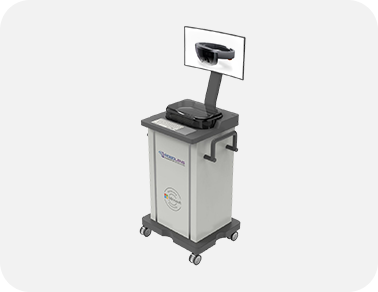
Equipped with state-of-art diagnostic and treatment technologies to ensure the best outcomes for our patients





Frequently Asked Questions (FAQs)
What are the early symptoms of vitiligo?
Early vitiligo symptoms typically include the appearance of a sharply demarcated white patch on the skin, often on sun-exposed areas such as the hands, face, or feet, and can be accompanied by premature whitening of nearby hair.
Where can I find an experienced dermatologist in Chandigarh for vitiligo treatment near me?
Healing Hospital, Sector 34, Chandigarh, provides comprehensive vitiligo treatment in Chandigarh through a team of experienced dermatologists, serving patients across Chandigarh, Mohali, Panchkula, and the wider Tricity region.
Can vitiligo be completely cured?
There is currently no definitive cure for vitiligo, but treatment, including phototherapy and, for stable disease, surgical repigmentation, can achieve meaningful and, in many cases, substantial repigmentation of affected areas.
What causes vitiligo to develop?
Vitiligo is understood to result primarily from an autoimmune process in which the immune system destroys pigment-producing melanocytes, influenced by genetic predisposition and, in some patients, triggered or worsened by factors such as sunburn, skin trauma, or significant stress.
Is vitiligo surgery a permanent solution? Which hospital performs vitiligo surgery in Chandigarh?
Surgical repigmentation techniques, including autologous punch grafting and non-cultured melanocyte transplantation, can provide durable results in stable disease, though ongoing monitoring remains important, since vitiligo can occasionally show renewed activity even after successful treatment. Healing Hospital, Sector 34-A, performs vitiligo surgery in Chandigarh.
How long does vitiligo treatment take to show results?
Phototherapy typically requires several months of consistent treatment before meaningful repigmentation becomes apparent, while surgical techniques show gradual pigment spread over the weeks following the procedure.
Is vitiligo contagious?
No. Vitiligo is an autoimmune condition and cannot be transmitted through any form of contact.
Is vitiligo linked to any other health conditions?
Yes. Vitiligo is associated with an increased likelihood of other autoimmune conditions, most notably thyroid disorders, which is why appropriate screening forms part of comprehensive evaluation.
Does vitiligo treatment work equally well on all parts of the body?
No. Treatment response varies by location, with the face and trunk generally responding more favourably than the hands, feet, and areas over joints, which is worth discussing with your dermatologist when setting treatment expectations.
How do I book a consultation with a vitiligo doctor near me?
Call +91-8526343434 to schedule a consultation with our Dermatology Department, or book online through www.healinghospital.co.in. Walk-in appointments are also available at the hospital’s front desk.
Blog
Breast Augmentation Surgery Cost in Chandigarh: Price & Selection Guide 2026
Minimally Invasive Plastic Surgery Options in Chandigarh You Should Know About
Why Patients Trust the Best Cosmetic Surgeons in Chandigarh for Life-Changing Results