Anxiety is a natural human response to stress. However, when anxiety becomes excessive, persistent, and disproportionate to the actual circumstances, it can indicate a diagnosable anxiety disorder requiring professional evaluation and structured treatment, rather than something to be managed through willpower alone.
At Healing Hospital, our Department of Mental Health and Behavioural Sciences provides comprehensive anxiety treatment in Chandigarh, encompassing accurate psychiatric evaluation, evidence-based psychotherapy, and, where clinically appropriate, medication management. Patients experiencing persistent worry, panic attacks, or anxiety symptoms that interfere with daily functioning can access individualised anxiety disorder treatment in Chandigarh, delivered with clinical rigour and complete confidentiality.
If you are seeking to consult a psychiatrist in Chandigarh for anxiety, this page outlines the clinical presentation of anxiety disorders, their underlying causes, and the treatment approaches genuinely available through our psychiatric care services.

What is Anxiety?
Anxiety is a state of heightened apprehension, worry, or fear that can be accompanied by physical symptoms such as an increased heart rate, muscle tension, restlessness, and difficulty concentrating. In its normal form, anxiety is a natural response to stress or perceived threats and can help prepare the body to respond to challenging situations.
An anxiety disorder occurs when anxiety becomes excessive, persistent, or disproportionate to the circumstances and begins to interfere with daily functioning, work, social relationships, or overall quality of life. Anxiety disorders are among the most common mental health conditions encountered in clinical practice and can often be effectively managed with appropriate assessment and evidence-based treatment.
Types of Anxiety Disorders
Anxiety disorders can present in different ways. Common types include:
Generalized Anxiety Disorder (GAD)
Persistent and excessive worry about everyday concerns such as health, work, finances, or relationships. It can also cause restlessness, tiredness, muscle tension, or difficulty concentrating.
Panic Disorder
Repeated and unexpected panic attacks that cause sudden intense fear along with physical symptoms such as a racing heart, sweating, breathlessness, or dizziness. People can also worry about having another attack.
Social Anxiety Disorder
A strong and persistent fear of social or performance situations because of concerns about being judged or embarrassed. This can lead to avoiding social interactions.
Specific Phobias
An intense fear of a particular object or situation, such as heights, flying, enclosed spaces, or certain animals. The fear can lead to avoidance and interfere with daily activities.
Anxiety with Depression
Anxiety can occur along with symptoms of depression, such as persistent sadness, low motivation, or loss of interest.
Anxiety Symptoms
Anxiety can cause emotional, mental, and physical symptoms. These symptoms can vary from person to person and can affect daily activities.
Psychological and Cognitive Symptoms
- Excessive or difficult-to-control worry
- Restlessness or feeling constantly on edge
- Difficulty concentrating
- Irritability
- Expecting the worst to happen
- Avoiding situations that cause anxiety
Physical Symptoms of Anxiety
- Rapid heartbeat or palpitations
- Excessive sweating
- Trembling or shaking
- Shortness of breath
- Muscle tension
- Tiredness or fatigue
- Difficulty falling or staying asleep
- Stomach or digestive discomfort
Panic Attack Symptoms
A panic attack is a sudden episode of intense fear that can cause symptoms such as a racing heart, chest pain, breathlessness, choking sensation, dizziness, trembling, or fear of losing control or dying.
These symptoms can sometimes resemble those of a heart problem. New or severe chest pain should therefore be medically evaluated, especially when it occurs for the first time, before being attributed to anxiety.
Anxiety Causes
Anxiety disorders can develop due to a combination of biological, psychological, and environmental factors. Common factors include:
Genetic and Biological Factors
A family history of anxiety disorders can increase the risk. Changes in brain chemicals involved in mood and stress responses can also play a role.
Chronic Stress
Long-term stress related to work, studies, relationships, or personal circumstances can trigger or worsen anxiety symptoms.
Trauma
Experiencing a traumatic event, either recently or earlier in life, can increase the risk of developing an anxiety disorder.
Underlying Medical Conditions
Some medical conditions, such as thyroid problems or certain heart conditions, can cause symptoms similar to anxiety. A medical evaluation can therefore be needed to identify the underlying cause.
Substance Use
High caffeine intake, alcohol, and certain substances can trigger or worsen anxiety. Withdrawal from some substances can also cause anxiety symptoms.
Personality and Temperament
Certain traits, such as perfectionism or increased sensitivity to stress, can make some people more vulnerable to anxiety.
How is Anxiety Diagnosed?
Anxiety is diagnosed through a detailed clinical assessment to understand the symptoms, their severity, and how they affect daily life. The assessment also helps identify the specific type of anxiety disorder and any other conditions that may require treatment.
Psychiatric Assessment
The psychiatrist discusses the symptoms, when they started, how often they occur, possible triggers, and their impact on daily life. Personal and family medical history can also be reviewed.
Standardized Screening Tools
Validated screening tools can be used to assess the severity of anxiety symptoms and monitor changes during treatment.
Medical Evaluation
A physical examination and, when needed, laboratory tests can be recommended to rule out medical conditions such as thyroid disorders that can cause anxiety-like symptoms.
Assessment for Other Conditions
The psychiatrist also assesses other mental health conditions, such as depression, that can occur along with anxiety and require appropriate treatment.
Anxiety Treatment in Chandigarh at Healing Hospital
Anxiety treatment in Chandigarh at Healing Hospital is planned according to the type of anxiety disorder, severity of symptoms, and individual clinical needs. Treatment can include psychotherapy, medication, and supportive lifestyle measures.
Psychotherapy and Anxiety Counselling
Cognitive Behavioural Therapy (CBT) is commonly used to treat anxiety disorders. It helps patients identify unhelpful thought patterns and behaviours and develop healthier ways of managing anxiety. Exposure-based techniques may also be used for conditions such as phobias and panic disorder.
Medication Management
For moderate to severe anxiety, a psychiatrist can recommend medication as part of the treatment plan. Commonly used medicines include SSRIs and SNRIs. The choice of medication, dose, and duration depends on the individual's symptoms and clinical condition. The psychiatrist also monitors the response to treatment and any side effects.
Short-term anti-anxiety medicines can be considered in some situations for acute symptoms. These medicines require careful medical supervision and are generally used for a limited period when appropriate.
Relaxation and Mindfulness Techniques
Breathing exercises, relaxation techniques, and mindfulness practices may help manage anxiety symptoms. These approaches can be used alongside psychotherapy and medication when recommended.
Lifestyle and Behavioural Changes
Regular physical activity, adequate sleep, and limiting caffeine and alcohol may support anxiety management. These measures are generally used alongside, rather than as a replacement for professional treatment when an anxiety disorder is present.
Anxiety Recovery and Long-Term Management
Anxiety treatment can continue for several weeks or months, depending on the type and severity of symptoms. Regular follow-up helps monitor progress and maintain improvement.
Initial Treatment Phase
The first few weeks focus on starting the appropriate treatment, which may include psychotherapy, medication, or both. Treatment response and any side effects are monitored during this period.
Ongoing Review and Adjustment
Regular follow-up allows the psychiatrist to review progress and adjust the treatment plan when needed. If medication is prescribed, its duration is decided according to the individual's symptoms and response to treatment. Medication should not be stopped without medical advice.
Relapse Prevention
Patients can learn to recognize early changes in anxiety symptoms and continue using the coping strategies learned during treatment. Regular follow-up and timely support can help manage symptoms and reduce the risk of recurrence.
Why Choose Healing Hospital as your Anxiety Hospital in Chandigarh?

Confidential, Judgement-Free Care : Consultations are conducted with respect for patient privacy and confidentiality. Treatment is based on individual clinical needs and current evidence-based psychiatric practices rather than a standardized approach for every patient.

Integrated Psychiatric Care : Our psychiatric care in Chandigarh combines psychotherapy, counselling sessions, and medication management under a single, coordinated treatment team, ensuring continuity across every aspect of care.

Comprehensive Care Across Life Stages : From adolescent depression to postpartum depression and late-life depression, our psychiatrist in Chandigarh at Healing Hospital addresses depression across different stages of life.
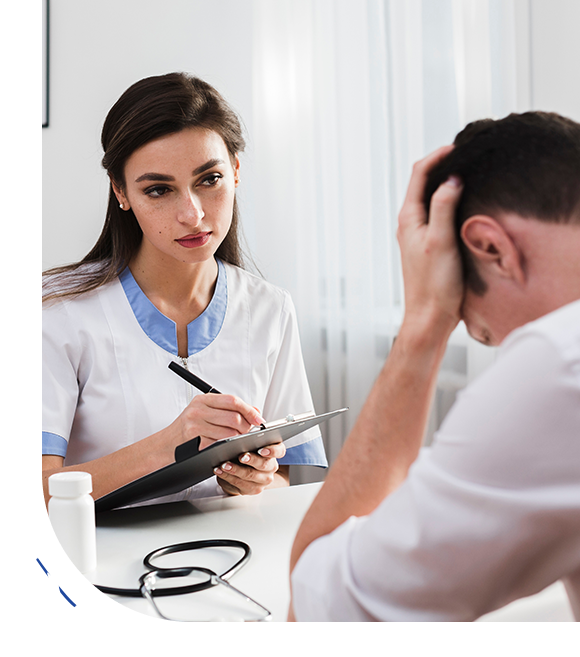
Why Early Anxiety Treatment Matters
Persistent anxiety can interfere with work, relationships, sleep, and daily activities. Without appropriate treatment, anxiety can continue over time and can occur alongside conditions such as depression or substance misuse.
Early assessment and appropriate treatment can help manage symptoms, improve daily functioning, and reduce the impact of anxiety on quality of life. Seeking psychiatric care at an early stage can also help identify the specific anxiety disorder and establish an appropriate treatment plan.
A Note on Crisis Support
Anxiety disorders do not necessarily involve thoughts of self-harm. However, such thoughts can occur, particularly when anxiety occurs alongside depression or other mental health conditions.
If you are experiencing thoughts of self-harm or feel unable to keep yourself safe, seek immediate professional help.
KIRAN Mental Health Helpline (Government of India): 1800-599-0019
If there is an immediate risk of harm, proceed to the nearest emergency department or contact local emergency services without delay.
Meet Our Anxiety Specialist in Chandigarh
Our psychiatrists are well-experienced and well-trained in general adult psychiatry and the management of mood and anxiety disorders. Their clinical practice includes the assessment and treatment of generalized anxiety disorder, panic disorder, social anxiety disorder, and anxiety associated with depression.
Call: +91-77104 43434 to schedule a consultation with the Mental Health Department.
Book Online: Visit www.healinghospital.co.in or visit the hospital front desk to schedule an appointment.
Other Mental Health Services at Healing Hospital
Healing Hospital provides assessment and treatment for a range of mental health conditions and related concerns.
Reviewed By
Dr. Smriti Mahajan
Psychiatry & Mental Wellness
7+ Years
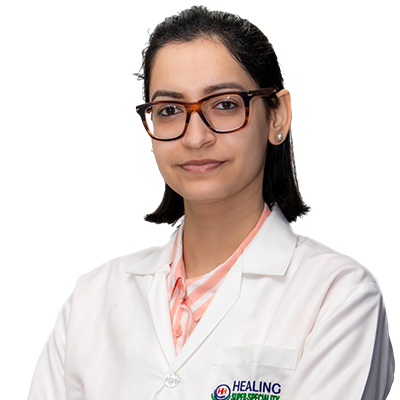
Dr. Smriti Mahajan is a highly skilled psychiatrist as well as psychologist with over 7 years of comprehensive experience in mental health care. After completing MBBS from the prestigious Government Medical College & Hospital, Chandigarh, she pursued MD in Psychiatry from the same renowned institution, completing her degree with excellence. She further honed her expertise through three years of senior residency, gaining immense clinical experience at one of India’s premier psychiatric training centres. Widely regarded as the best psychiatrist in Chandigarh for her empathetic, evidence-based approach, Dr. Mahajan’s expertise spans general adult psychiatry, child and adolescent mental health, addiction and de-addiction services, geriatric psychiatry, and marital and sexual wellness. She is particularly skilled in managing depression, anxiety disorders, bipolar disorder, OCD, psychosis, and substance use disorders. Beyond medication management, she is adept at providing counselling and psychotherapy, believing strongly that therapy is an essential component of comprehensive mental health treatment
Doctors Available

Dr. Ruchi Gupta
Specialist
Clinical Psychologist & Behavioral Counsellor
20+ Years
Hindi, Punjabi, English
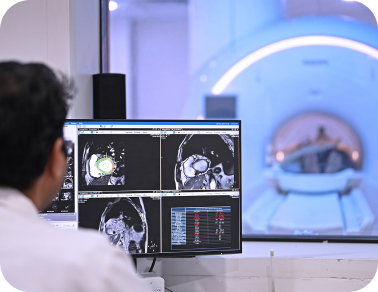
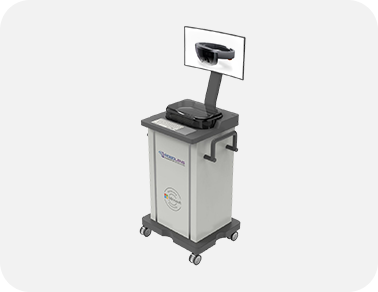
Equipped with state-of-art diagnostic and treatment technologies to ensure the best outcomes for our patients






Blog

World Patient Safety Day 2026: Importance, Theme & Awareness

World Physiotherapy Day 2026: A Complete Guide to the Date, Theme and Recovery

National Eye Donation Fortnight: Importance, Eligibility, Process & Awareness

World Mosquito Day: Malaria, Mosquito-Borne Diseases, Symptoms & Prevention

World Organ Donation Day: Importance, Eligibility, Process & Awareness

Loose Motion Home Remedies: What to Eat and How to Stop Diarrhea Naturally
Sleep Apnea: Symptoms, Causes, Diagnosis & Treatment Options

SGPT Normal Range: When High SGPT Levels Need Medical Attention

Pregnancy Diet Chart: What to Eat During Pregnancy for a Healthy Baby

How to Reduce Belly Fat Without Crash Diets: Diet, Exercise & Lifestyle Tips
Frequently Asked Questions (FAQs)
What are the common symptoms of an anxiety disorder?
Common symptoms include excessive worry, restlessness, difficulty concentrating, irritability, muscle tension, sleep problems, and physical symptoms such as a rapid heartbeat, sweating, or breathlessness. The symptoms may vary depending on the type of anxiety disorder.
How is normal anxiety different from an anxiety disorder?
Normal anxiety is usually a temporary response to stress or a specific situation. An anxiety disorder involves excessive or persistent anxiety that is difficult to control and interferes with daily life.
Where can I find a qualified anxiety doctor in Chandigarh?
Healing Hospital, Sector 34, Chandigarh, provides anxiety assessment and treatment through its Mental Health Department. Patients from Chandigarh, Mohali, Panchkula, and the wider Tricity region can consult the department for anxiety-related concerns.
Is medication always required for anxiety treatment?
No. Treatment depends on the type and severity of anxiety. Psychotherapy, particularly Cognitive Behavioural Therapy (CBT), may be suitable for many patients. Medication may be recommended when symptoms are more severe or when additional treatment is clinically required.
How long does anxiety therapy typically take to show results?
The time required varies from person to person. Some patients may notice improvement within a few weeks, while others may require longer treatment. The response depends on the type and severity of anxiety, the treatment approach, and regular participation in therapy.
Can panic attacks be mistaken for a heart attack?
Yes. Panic attacks can cause symptoms such as chest pain, breathlessness, dizziness, and a rapid heartbeat that may resemble a heart problem. New or severe chest pain should be medically evaluated to rule out a cardiac cause.
Is anxiety treatment confidential?
Yes. Psychiatric consultations are conducted with respect for patient privacy and confidentiality, in accordance with applicable clinical and ethical standards.
Can anxiety and depression occur together?
Yes. Anxiety and depression can occur together in the same person. When this happens, the treatment plan is based on the symptoms and clinical needs of the individual.
What should I expect during my first consultation with an anxiety specialist in Chandigarh?
The psychiatrist will discuss your symptoms, when they started, possible triggers, and their effect on daily life. Your personal and family history may also be reviewed, along with screening tools or medical evaluation when clinically required.
How do I book a consultation with a psychiatrist for anxiety in Chandigarh?
Call +91-77104 43434 to schedule a consultation with the Mental Health Department. You can also book online through www.healinghospital.co.in or visit the hospital front desk for an appointment.