Healing hospital is home to some of the most trusted and experienced gynaecologists in Chandigarh, Mohali, and Panchkula. Our department of Obstetrics & Gynaecology specializes not only in treating but also providing counseling for management of female reproductive health issues such as irregular menses, PCOS or PCOD, infertility, hormonal imbalances, menarche and menopause, adolescence and puberty, along with prenatal to postnatal care.
Our intention is to cater to the requirements, demands, and temperament of the patients in a very comfortable setting. For this, ourA high-risk pregnancy is the one in which certain maternal, fetal, or pregnancy-related factors increase the need for specialized medical care and regular monitoring. High-risk pregnancy management in Chandigarh at Healing Hospital focuses on early identification of risk factors, careful antenatal surveillance, timely intervention, and appropriate delivery planning to promote the best possible maternal and fetal outcomes.
Our Department of Obstetrics & Gynaecology ensures that care is provided according to the individual clinical requirements of each pregnancy and can include structured antenatal monitoring, specialist consultations, management of maternal complications, fetal surveillance, and delivery planning. Conditions such as high blood pressure during pregnancy, pregnancy with PCOS, recurrent miscarriages, and bleeding during pregnancy can require intensive observation and appropriate management throughout the antenatal period.
Women who have been diagnosed with a high-risk pregnancy, as well as those with pre-existing medical conditions who are planning to conceive, can benefit from a consultation with a high-risk pregnancy doctor near them.
state-of-the-art infrastructure, advanced medical technologies & equipment, patient centric facilities with holistic approach, and personalized care treatment plans are thoughtfully designed. We also understand the need of maintaining privacy and keeping the integrity of our patients intact, which has helped us gain the trust of over 10,00,000+ patients since our inception in 2016.
What is a High-Risk Pregnancy?
A high-risk pregnancy is a pregnancy in which the mother, baby, or both have an increased likelihood of health complications. This can be related to a pre-existing medical condition, a health problem that develops during pregnancy, or pregnancy-specific factors such as carrying twins or higher-order multiples.
Factors that can contribute to a high-risk pregnancy include high blood pressure, diabetes, certain heart or kidney conditions, previous pregnancy complications, recurrent miscarriages, and multiple pregnancy. The level of risk can vary depending on the underlying condition and how it affects the pregnancy.
Common Categories of High-Risk Pregnancy
High-risk pregnancies can arise from maternal health conditions, pregnancy-related complications, obstetric history, or factors affecting the baby. The major categories include:
Pre-Existing Maternal Health Conditions
Medical conditions that present before pregnancy, such as diabetes, chronic hypertension, thyroid disorders, autoimmune conditions, and heart disease, can affect pregnancy and require appropriate management throughout the antenatal period.
Pregnancy-Related Conditions
Certain health conditions develop during pregnancy, including gestational diabetes and hypertensive disorders such as preeclampsia. These conditions require timely diagnosis, appropriate treatment, and regular monitoring to reduce the risk of complications.
Obstetric History-Related Risk
A history of recurrent miscarriages, previous preterm birth, or complications during an earlier pregnancy can increase the need for closer observation in a subsequent pregnancy. The level of monitoring depends on the previous complication and the individual clinical circumstances.
Multiple Pregnancy
Pregnancy with twins or higher-order multiples carries an increased risk of complications, including preterm birth and fetal growth concerns. Such pregnancies generally require closer antenatal monitoring and appropriate fetal assessment.
Maternal Age-Related Risk
Pregnancy during adolescence or at an advanced maternal age may be associated with an increased risk of certain maternal and fetal complications. The need for additional monitoring depends on age, medical history, and other pregnancy-related factors.
Fetal Factors
Conditions affecting the baby, such as suspected fetal growth restriction or a suspected congenital abnormality, may require specialized assessment and fetal monitoring.
High-Risk Pregnancy Warning Signs
Certain symptoms during pregnancy can indicate a complication and require prompt medical assessment. These include:
- Severe or persistent headache
- Visual disturbances, such as blurred vision or seeing spots
- Sudden swelling of the face, hands, or feet
- High blood pressure readings during pregnancy
- Reduced or absent fetal movements
- Vaginal bleeding at any stage of pregnancy
- Severe or persistent abdominal pain
- Regular contractions or other signs of preterm labour before 37 weeks
- Persistent or severe vomiting
- Fever or other signs of infection
These symptoms can be associated with conditions that require timely assessment and treatment. Pregnant women experiencing any of these warning signs should contact their obstetrician or seek medical evaluation promptly rather than waiting for the next scheduled antenatal appointment.
High-Risk Pregnancy Causes
A pregnancy can be considered high-risk because of a pre-existing medical condition, a complication that develops during pregnancy, a previous obstetric history, or other maternal and fetal factors. Common contributing factors include:
High Blood Pressure in Pregnancy
High blood pressure can be present before pregnancy as chronic hypertension or can develop during pregnancy as gestational hypertension. Preeclampsia is a pregnancy-related hypertensive disorder that can involve high blood pressure along with signs of organ involvement.
Pregnancy with PCOS
Pregnancy in women with polycystic ovary syndrome (PCOS) is associated with an increased risk of certain complications, including gestational diabetes, hypertensive disorders, and preterm birth.
Recurrent Miscarriages
A history of recurrent pregnancy loss can require evaluation before or during a subsequent pregnancy to identify possible contributing factors.
Bleeding During Pregnancy
Vaginal bleeding during pregnancy can have several causes, ranging from minor conditions to complications requiring urgent medical attention. Pregnancy bleeding can be associated with miscarriage or ectopic pregnancy, while later in pregnancy it can be related to placental complications.
Gestational or Pre-Existing Diabetes
Diabetes that is present before pregnancy and gestational diabetes can increase the risk of complications affecting both the mother and baby, particularly when blood glucose is not adequately controlled. Potential concerns include excessive fetal growth and complications during delivery.
Advanced Maternal Age
Pregnancy at an advanced maternal age is associated with an increased risk of certain chromosomal conditions and pregnancy-related complications.
Obesity
Higher maternal body weight is associated with an increased risk of conditions such as gestational diabetes, hypertension, and certain pregnancy and delivery complications.
High-Risk Pregnancy Assessment and Monitoring
Assessment of a high-risk pregnancy involves reviewing maternal health, obstetric history, and fetal wellbeing.
Detailed Medical and Obstetric History
The obstetrician reviews existing medical conditions, previous pregnancy outcomes, family history, and current symptoms to identify factors that can affect the pregnancy. When possible, assessment before conception can help identify and address potential risks at an early stage.
Blood Pressure Monitoring
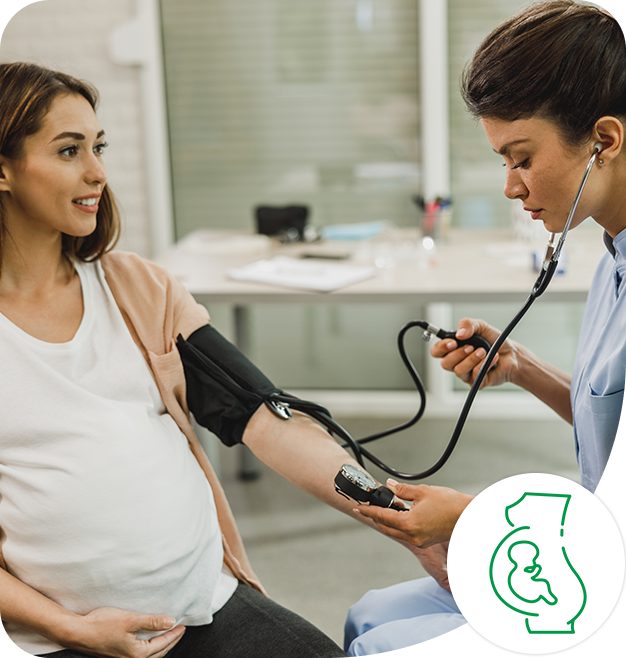
Regular blood pressure monitoring helps identify hypertension during pregnancy and detect conditions such as preeclampsia at an early stage. Monitoring can be more frequent when there is a history of hypertension or other relevant risk factors.
Blood Glucose Screening
Blood glucose testing is used to screen for gestational diabetes. Women with pre-existing diabetes or risk factors such as PCOS can require additional blood glucose monitoring during pregnancy.
Ultrasound and Fetal Growth Assessment
Ultrasound examinations are used to assess fetal growth, amniotic fluid, placental findings, and overall fetal development. Additional growth scans can be recommended when there is a concern about fetal growth or other pregnancy-related complications.
Doppler Studies
Doppler ultrasound evaluates blood flow through specific maternal and fetal blood vessels. It can be recommended in pregnancies with conditions such as suspected fetal growth restriction or certain hypertensive disorders.
Fetal Monitoring
Depending on the stage and risk profile of the pregnancy, fetal wellbeing can be assessed using methods such as non-stress tests and other appropriate monitoring techniques. The frequency of assessment is determined by the clinical condition of the mother and baby.
Evaluation After Recurrent Pregnancy Loss
Women with a history of recurrent pregnancy loss can require further evaluation to identify possible contributing factors. Depending on the clinical history, assessment can include selected hormonal, genetic, or uterine investigations.
High-Risk Pregnancy Management at Healing Hospital
High-risk pregnancy management in Chandigarh at Healing Hospital is planned according to the specific maternal, fetal, and pregnancy-related risk factors identified during assessment. The care plan can include closer monitoring, medical treatment, specialist consultation, and delivery planning based on the clinical requirements of each pregnancy.
Managing High Blood Pressure in Pregnancy
Management includes regular blood pressure monitoring, assessment of maternal and fetal wellbeing, and medication when indicated. In cases of preeclampsia, the timing and mode of delivery are determined according to the severity of the condition, gestational age, and the health of the mother and baby.
Managing Pregnancy with PCOS
Pregnancies associated with PCOS can require closer monitoring for conditions such as gestational diabetes and hypertensive disorders. Antenatal care is planned according to the individual's metabolic health, pregnancy progression, and other identified risk factors.
Managing Recurrent Pregnancy Loss
Women with a history of recurrent pregnancy loss may require closer monitoring, particularly during early pregnancy. Treatment such as hormonal support can be considered when clinically indicated, along with timely assessment of symptoms such as vaginal bleeding or abdominal pain.
Managing Bleeding During Pregnancy
Vaginal bleeding during pregnancy requires assessment to determine its underlying cause. Management depends on the gestational age, severity of bleeding, maternal and fetal condition, and the identified cause, and may range from observation and medical treatment to more urgent intervention.
Coordinated Specialist Care
Pregnancies complicated by pre-existing conditions such as diabetes, thyroid disorders, or heart disease can require coordinated care between the obstetrics team, internal medicine department, and relevant specialists.
Delivery Planning for High-Risk Pregnancy
Delivery planning takes into account the underlying risk factors, maternal and fetal condition, gestational age, and any anticipated need for specialized neonatal care. The timing and mode of delivery are determined according to the clinical circumstances of the pregnancy.
High-Risk Pregnancy Recovery and Postpartum Management
Care for a high-risk pregnancy can continue after delivery, particularly when the mother has experienced conditions that require ongoing monitoring. Postpartum care is planned according to the pregnancy complications, maternal health, and future health needs.
Postpartum Monitoring
Conditions such as preeclampsia and gestational diabetes can require follow-up after delivery. Blood pressure and blood glucose levels should be monitored as advised to assess recovery and identify any persistent abnormalities.
Long-Term Health Follow-Up
Women who have experienced gestational diabetes or hypertensive disorders during pregnancy may have an increased risk of developing related health conditions later in life. Appropriate follow-up and screening can help identify these conditions at an early stage.
Planning for a Future Pregnancy
Women who have experienced recurrent pregnancy loss or complications during a previous pregnancy can benefit from preconception counselling before planning another pregnancy. Previous medical and obstetric factors can be reviewed, and appropriate investigations or management can be considered where indicated.
Why Choose Healing Hospital as your High-Risk Pregnancy Hospital in Chandigarh?
Below mentioned are a few valid reasons as to why should be choosing Healing Hospital for Obstetrics and Gynaecology treatments:

AIIMS & PGIMER Expertise with 15,000+ Successful Deliveries : Our Department of Obstetrics & Gynaecology with AIIMS, New Delhi & PGIMER, Chandigarh trained obstetricians has managed more than 15,000 deliveries, including pregnancies requiring specialized monitoring and management. This experience supports the assessment and management of a wide range of routine and complex obstetric conditions.

24×7 Emergency Obstetric Care : Round-the-clock obstetric emergency services are available for pregnancies requiring urgent assessment or intervention. The labor rooms and modular operation theatre support both planned and emergency deliveries according to the clinical requirements of the mother and baby.

Level II and III NICU Support for Neonatal Care : Healing Hospital provides access to Level II and III NICU facilities and specialized neonatology care for newborns who require additional monitoring or medical support after delivery. This allows neonatal care to be coordinated with obstetric services when required, based on the clinical needs of the mother and baby.

Importance of Timely High-Risk Pregnancy Evaluation
Early evaluation can help identify maternal and pregnancy-related risk factors and allow appropriate monitoring and management to be planned from the beginning. Preconception assessment can be particularly beneficial for women with existing medical conditions or a history of pregnancy complications.
Conditions such as chronic hypertension, diabetes, and previous obstetric complications can require assessment and management before or during early pregnancy. Identifying these factors at an early stage allows the obstetrics department to establish an appropriate care plan and modify it, as the pregnancy progresses.
Women with a history of recurrent pregnancy loss or previous pregnancy complications may also benefit from consultation before conceiving again. This provides an opportunity to review the previous pregnancy history, assess potential contributing factors, and plan appropriate care for a subsequent pregnancy.
Meet Our High-Risk Pregnancy Specialists in Chandigarh
High-risk pregnancy care in Chandigarh at Healing Hospital is provided by obstetricians experienced in managing pregnancies that require specialized assessment, closer monitoring, and coordinated care. The approach is tailored to the specific maternal, fetal, and pregnancy-related factors that make each pregnancy high-risk, rather than applying a standard antenatal care model to complex pregnancies.
📞 Call:+91-84272 43434 to schedule your consultation.
🌐 Book Online: Visit www.healinghospital.co.in or walk in directly at our front desk for an appointment.
Other Obstetrics & Gynaecology Services at Healing Hospital
Healing Hospital provides a range of obstetric and gynaecological services covering fertility, pregnancy, hormonal health, and minimally invasive surgical care.
Reviewed By
Dr. Ramandeep Kaur
Obstetrics and Gynaecology
15+ Years

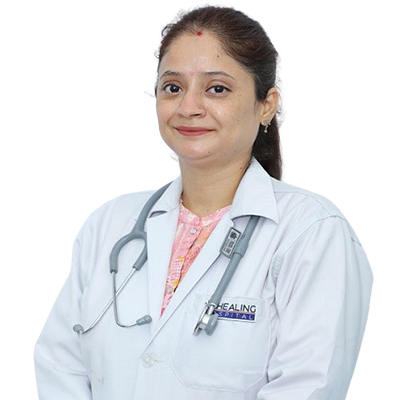
Dr. Ramandeep Kaur is a highly accomplished Senior Consultant in Obstetrics and Gynaecology at Healing Hospital, Chandigarh with 15+ years of transformative experience in comprehensive women’s healthcare, high-risk pregnancy management, and advanced laparoscopic surgery.
Doctors Available

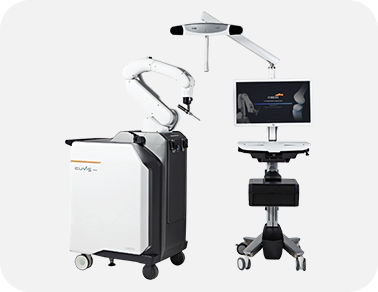
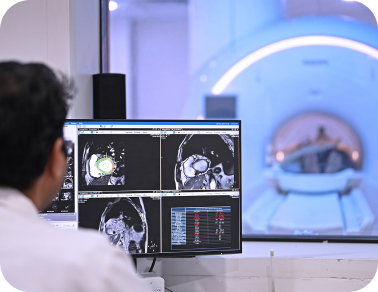
Equipped with state-of-art diagnostic and treatment technologies to ensure the best outcomes for our patients





Frequently Asked Questions (FAQs)
What makes a pregnancy high-risk?
A pregnancy is considered high-risk when a pre-existing medical condition, a condition that develops during pregnancy, or factors such as multiple pregnancy or advanced maternal age increase the likelihood of complications and require closer monitoring than routine antenatal care.
Where can I find a high-risk pregnancy specialist near me?
Women in Chandigarh, Mohali, Panchkula, and the surrounding Tricity region can consult the Obstetrics & Gynaecology Department at Healing Hospital, Sector 34, Chandigarh, for high-risk pregnancy assessment and management.
Is high blood pressure during pregnancy always dangerous?
High blood pressure during pregnancy requires medical assessment and appropriate monitoring. Depending on its cause and severity, it may range from gestational hypertension to preeclampsia, which can lead to serious complications if not appropriately managed.
Can I have a healthy pregnancy with PCOS?
Yes. PCOS does not prevent a healthy pregnancy, although it is associated with an increased risk of certain complications, including gestational diabetes and hypertensive disorders. Appropriate antenatal monitoring can help identify and manage these conditions when they occur.
What causes recurrent miscarriages, and can they be treated?
Recurrent pregnancy loss can have several possible causes, including genetic, structural, hormonal, autoimmune, and blood-clotting factors. Evaluation is based on the individual medical and pregnancy history, and treatment depends on the underlying cause when one is identified.
Is bleeding during pregnancy always a sign of miscarriage?
No. Vaginal bleeding during pregnancy can have several causes, and the significance can vary according to the stage of pregnancy and the amount and nature of bleeding. Any bleeding during pregnancy should be assessed by an obstetrician to determine the cause.
Do all high-risk pregnancies require a C-section?
No. A high-risk classification does not by itself determine the mode of delivery. The decision depends on the underlying risk factors, maternal and fetal condition, gestational age, and how the pregnancy progresses. Vaginal delivery may be appropriate in many high-risk pregnancies when clinically suitable.
What neonatal care is available for high-risk delivery in Chandigarh at Healing Hospital?
Newborns who require additional monitoring or medical support after a high-risk delivery can receive specialized neonatal care at Healing Hospital. The level of care required depends on the newborn’s condition and clinical needs.
When should I start high-risk pregnancy care if I have a known medical condition?
Ideally, women with known medical conditions should seek preconception counselling before becoming pregnant. If pregnancy has already occurred, consultation at the earliest stage can help assess existing risk factors and establish an appropriate antenatal care plan.
How can I book a consultation with a high-risk pregnancy doctor in Chandigarh?
You can contact Healing Hospital to schedule a consultation with the Department of Obstetrics & Gynaecology at +91-84272 43434. Appointments can be arranged through the hospital’s available booking channels at www.healinghospital.co.in or walk in at the hospital’s front desk.
Blog
Breast Cancer Awareness Month 2026: Screening, Detection, and Prevention
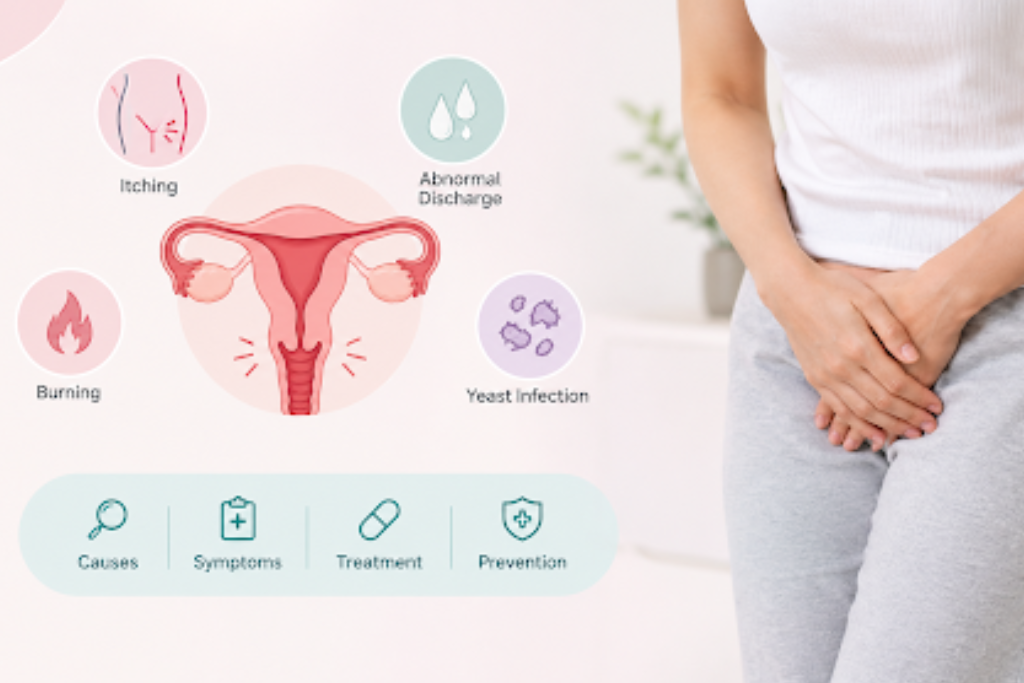
Vaginal Itching and Infection: Causes, Symptoms, Treatment & Prevention
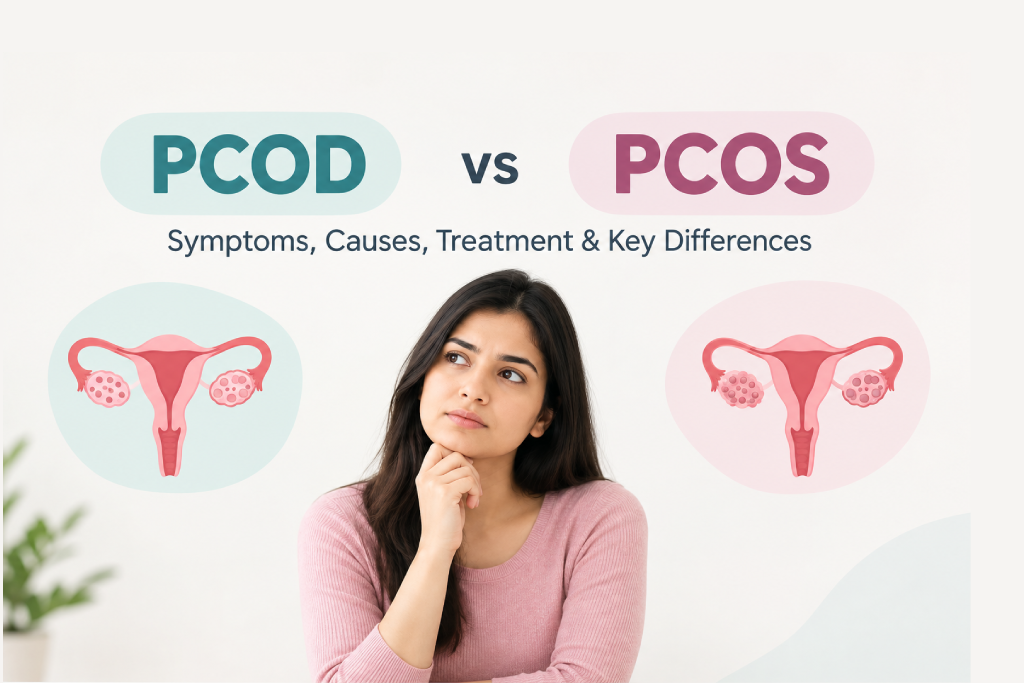
PCOD vs PCOS: Symptoms, Causes, Treatment & Key Differences
World Contraception Day: Understanding Contraceptive Methods and Family Planning
Delayed Period: Causes, Symptoms, Normal Delay & When to See a Doctor

How to Recognise Labour Pain Symptoms, Timing & What Happens Next

Brown Vaginal Discharge Before or After Your Period: Is It Normal?

Pregnancy Week by Week: Your Guide to Pregnancy Stages
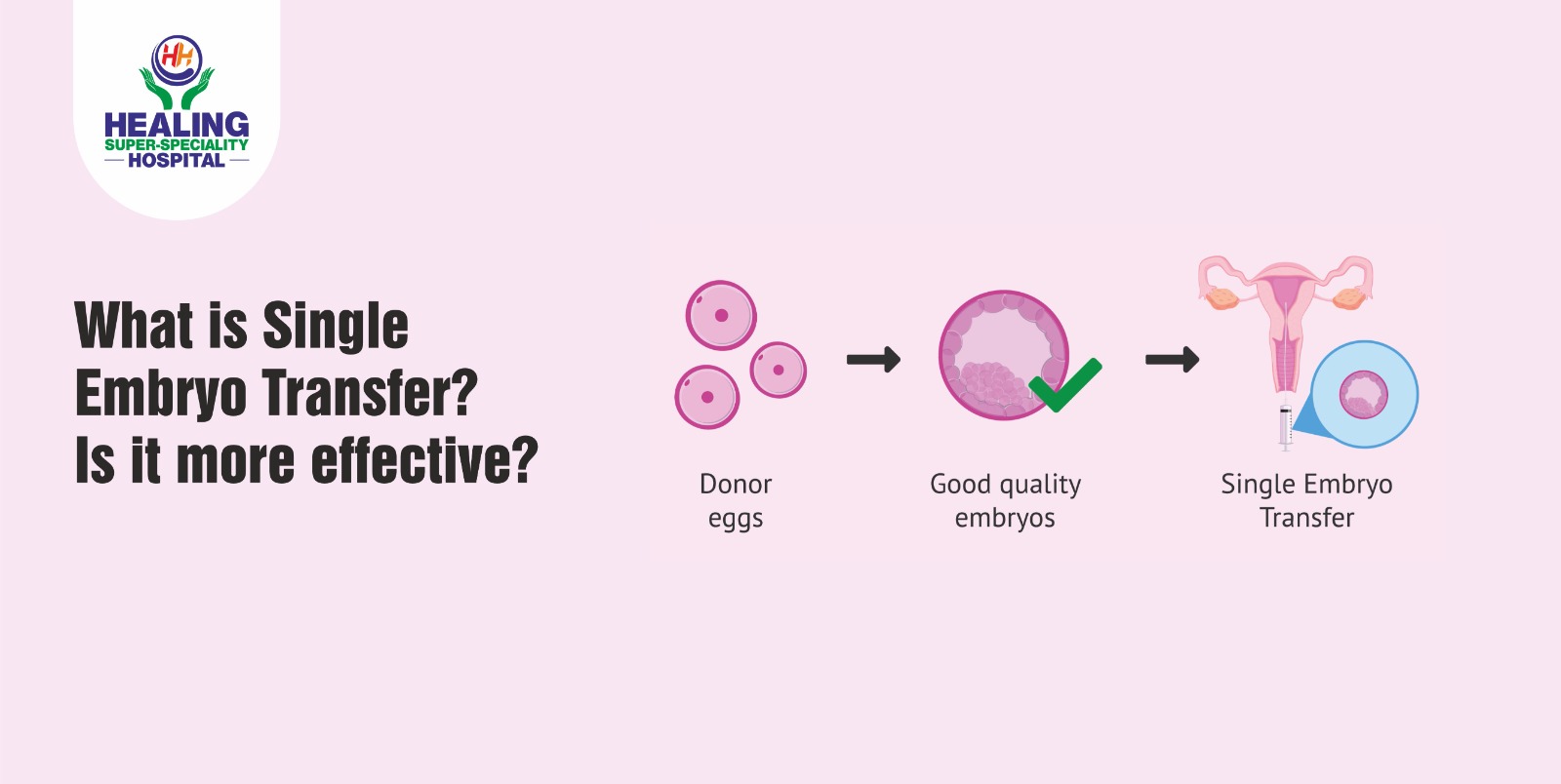
What is Single Embryo Transfer? Is it more effective?