When the kidneys can no longer adequately remove waste and excess fluid from the blood, kidney dialysis helps perform these essential functions and maintain the body’s fluid and chemical balance. It may be needed in advanced kidney failure and, in some cases, acute kidney injury.
Our Department of Nephrology in Chandigarh at Healing Hospital provides comprehensive kidney dialysis in Chandigarh, with treatment tailored to each patient’s kidney function, medical condition, and individual needs. Depending on the clinical situation, dialysis can include haemodialysis or peritoneal dialysis, along with regular monitoring and nephrology support throughout treatment.
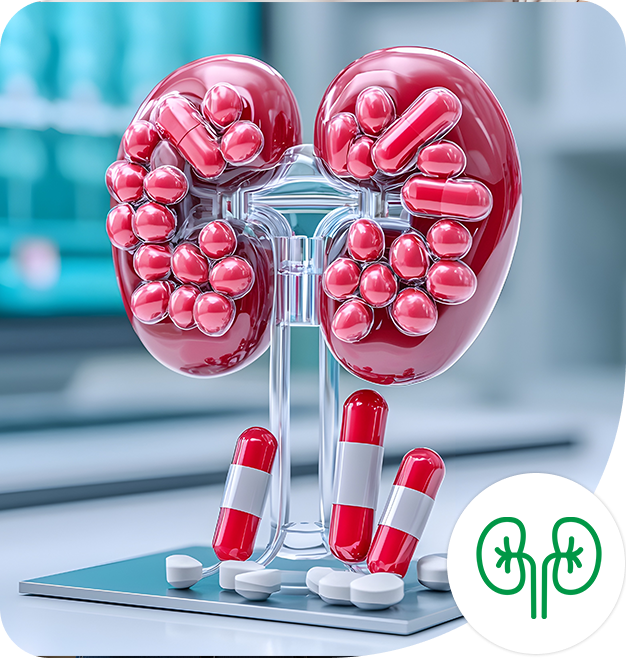
What Is Kidney Dialysis?
Kidney dialysis is a treatment that helps clean the blood when the kidneys are no longer able to do their job properly. It removes waste products and extra fluid from the body and helps keep important minerals such as potassium and sodium at safe levels.
Dialysis can be needed when kidney function becomes severely reduced, such as in advanced chronic kidney disease or certain cases of acute kidney injury. Without adequate kidney function or appropriate treatment, waste and excess fluid can build up in the body and cause serious health problems.
Consult a kidney doctor in Chandigarh near you, if you have been recommended kidney dialysis as part of your kidney treatment plan.
Schedule Your Appointment with
Our Expert Doctors
We are dedicated to driving lasting, positive transformation in healthcare management through innovation and patient-centered solutions.
Types of Kidney Dialysis
The type of dialysis recommended depends on your kidney function, overall health, medical needs, and, where appropriate, your lifestyle and preferences.
Haemodialysis
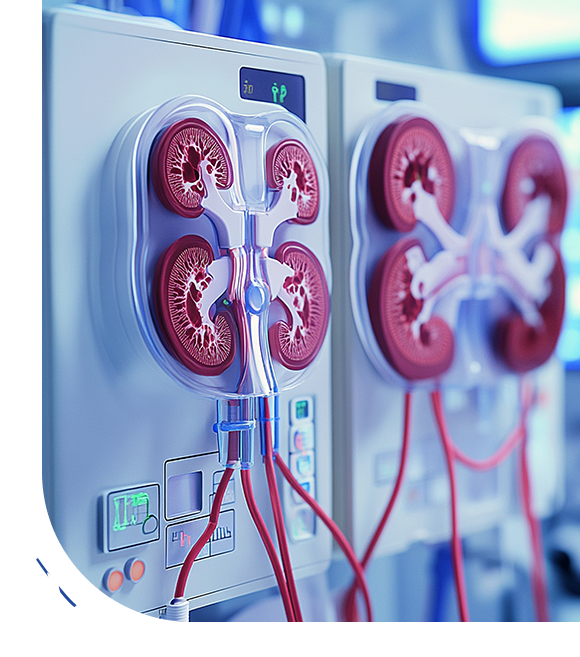
Haemodialysis uses a dialysis machine to filter waste and excess fluid from your blood. Blood is passed through a special filter called a dialyzer and then returned to your body. It requires vascular access, usually an arteriovenous (AV) fistula, and is commonly performed at a dialysis centre for several hours, multiple times a week.
Peritoneal Dialysis
Peritoneal dialysis uses the natural lining of your abdomen, called the peritoneum, to filter waste and excess fluid. A special dialysis solution is introduced into the abdomen through a catheter, allowed to work for a set period, and then drained and replaced. It can often be performed at home, giving some patients greater flexibility in managing their daily routine.
Continuous Renal Replacement Therapy (CRRT)
CRRT is a slow, continuous form of dialysis, used mainly for critically ill patients in the ICU, particularly those with acute kidney injury, who cannot tolerate the rapid fluid and electrolyte changes associated with conventional haemodialysis. It allows waste and excess fluid to be removed gradually over an extended period.
Who Needs Kidney Dialysis?
You should consult a nephrologist for kidney dialysis in Chandigarh in the following situations:
- Advanced chronic kidney disease: When kidney function has declined significantly or reached kidney failure.
- Severe acute kidney injury: When kidney function suddenly decreases and the kidneys cannot adequately perform their normal functions.
- Uncontrolled fluid buildup: When excess fluid cannot be managed with medicines and causes complications such as swelling or breathing difficulty.
- Very high potassium levels: When potassium remains dangerously high despite medical treatment.
- Severe acid buildup: When metabolic acidosis cannot be adequately corrected with other treatments.
- Uremic symptoms: When waste buildup causes symptoms such as persistent nausea, vomiting, confusion, or reduced alertness.
- While awaiting kidney transplant: Dialysis may be used to support patients with kidney failure until transplantation is possible.
A nephrologist assesses your kidney function, symptoms, blood tests, urine output, and overall health before recommending dialysis. Not everyone with reduced kidney function requires dialysis immediately, and some patients can be managed with medicines and regular monitoring.
What Happens Before, During, and After Kidney Dialysis?
Before Kidney Dialysis
Evaluation of Kidney Function
Blood tests including creatinine, urea, and electrolyte levels, along with an assessment of estimated glomerular filtration rate, help confirm the extent of kidney function loss and guide the timing of kidney dialysis.
Preparing Vascular Access or Catheter Placement
For haemodialysis, a vascular access point, most often an arteriovenous fistula, is typically created some weeks in advance to allow it to mature properly. For peritoneal dialysis, a catheter is placed into the abdominal cavity ahead of starting treatment.
During Kidney Dialysis
Haemodialysis Sessions
The patient is connected to the dialysis machine through the vascular access point. Blood circulates through the dialyzer, is filtered, and is returned to the body. A typical kidney dialysis process for haemodialysis involves sessions lasting a few hours, usually three times a week, with vital signs monitored closely throughout.
Peritoneal Dialysis Exchanges
Dialysis fluid is introduced into the abdominal cavity through the catheter and allowed to dwell for a set period before being drained and replaced. This can be performed manually during the day or, with the help of a machine, overnight while the patient sleeps.
After Kidney Dialysis
Immediate Recovery
Patients undergoing haemodialysis can feel mild fatigue or experience a temporary dip in blood pressure after a session, generally resolving within a short period. Most patients are able to resume normal activities the same day.
Ongoing Kidney Dialysis Treatment
For most patients with end-stage kidney failure, kidney dialysis treatment continues on a long-term basis unless a kidney transplant becomes possible. This involves regular sessions, along with dietary and fluid guidance to support overall health between treatments.
Access and Catheter Care
Proper care of the vascular access site or peritoneal catheter is essential to prevent infection and maintain the long-term function of the access point.
Kidney Dialysis Cost in Chandigarh
The cost of kidney dialysis in Chandigarh varies based on the type of dialysis, number and duration of sessions, hospital stay, and any additional procedures required. Costs can also differ depending on whether the patient undergoes haemodialysis or peritoneal dialysis and the need for vascular access or catheter placement.
At Healing Hospital, the Nephrology team provides a personalized cost estimate after evaluating the patient's kidney function, dialysis requirements, and overall condition. This helps ensure that the estimated cost reflects the recommended treatment plan and any additional care that may be required.
Why Choose Healing Hospital for Kidney Dialysis in Chandigarh?

Experienced Nephrology Team : Our nephrology team has experience in managing patients who require dialysis for advanced kidney disease, acute kidney injury, and other conditions affecting kidney function. Dialysis care is planned according to each patient’s medical needs and overall health.

Coordinated Kidney Care Under One Roof : Kidney conditions can sometimes require both medical and surgical expertise. Our nephrology and urology teams work together when patients have conditions such as kidney stones, urinary obstruction, or other problems requiring specialised care.

24×7 Emergency Nephrology Support : Patients with acute kidney injury, severe electrolyte imbalances, fluid overload, or sudden deterioration in kidney function can receive round-the-clock medical evaluation. Emergency dialysis can be provided when clinically indicated and recommended by the treating nephrologist.
Meet Our Kidney Dialysis Specialist in Chandigarh
For expert evaluation and personalized dialysis care, consult our experienced nephrologist in Chandigarh for comprehensive management of kidney disease and conditions requiring renal replacement therapy.
Call +91-94643 43434 to schedule an appointment with our Nephrology Department. You can also visit www.healinghospital.co.in or visit the hospital front desk to book an appointment.
Reviewed By

Blog

International Men’s Day 2026: A Conversation About Men’s Health and Well-Being
Common Conditions Treated by Dr. Karun Singla, Urologist in Chandigarh

Chandigarh Urologist Specialists: Quality Care Guaranteed
Urological Excellence: Recognizing Chandigarh’s Premier Specialists at Healing Hospital

Living Stone-Free: Exploring Gallbladder Stone Treatment Solutions in Chandigarh
Urological Excellence: Choosing a Specialist in Chandigarh
Choosing the Right Urologist in Chandigarh: Top Tips
Specialized Urologist in Chandigarh – Excellence in Urinary Health

7 things to avoid for healthy kidneys

Frequently Asked Questions (FAQs)
What is kidney dialysis, and when is it needed?
Kidney dialysis is a treatment that removes waste products and excess fluid from the blood when the kidneys can no longer perform these functions adequately. It may be required in advanced kidney disease or severe acute kidney injury, depending on the patient’s condition.
What are the different types of kidney dialysis near me?
The main types of dialysis are haemodialysis and peritoneal dialysis. Haemodialysis uses a dialysis machine to filter the blood, while peritoneal dialysis uses the lining of the abdomen as a natural filter. Continuous renal replacement therapy (CRRT) may be used for critically ill patients who require continuous kidney support.
How often do I need to undergo kidney dialysis near me?
The frequency of dialysis depends on the type of dialysis and the patient’s kidney function and medical condition. Haemodialysis is commonly performed several times a week, while peritoneal dialysis usually involves regular exchanges that may be performed at home.
What is the kidney dialysis cost near me in Chandigarh?
The cost of kidney dialysis depends on the type of dialysis, frequency of sessions, hospital stay, and any additional procedures such as vascular access or catheter placement. Healing Hospital provides a personalised cost estimate after evaluating the patient’s treatment requirements.
Is kidney failure dialysis near me a permanent treatment?
Dialysis may be a long-term treatment for patients with end-stage kidney disease unless kidney transplantation becomes possible. Patients with acute kidney injury may require dialysis temporarily if kidney function improves with treatment.
Can I find home kidney dialysis near me?
Yes. Peritoneal dialysis can often be performed at home after appropriate training and medical assessment. Home haemodialysis may also be an option for selected patients, depending on their medical condition and access to the required support and equipment.
How is the kidney dialysis process for a new patient?
The process begins with an evaluation of kidney function, symptoms, blood tests, and overall health. The nephrologist then determines the appropriate dialysis method and arranges vascular access or catheter placement when required before treatment begins.
Are there dietary restrictions during kidney dialysis treatment near me?
Yes. Patients receiving dialysis may need to follow individualized dietary and fluid guidelines. Depending on their condition, the nephrologist or renal dietitian may advise restrictions on fluid, sodium, potassium, phosphorus, and other nutrients.
Where can I find kidney dialysis near me in Chandigarh?
Healing Hospital’s Department of Nephrology provides kidney dialysis in Chandigarh for patients with advanced kidney disease and other conditions requiring renal replacement therapy. Patients can consult the nephrology team for evaluation and individualized dialysis planning.
How can I book a kidney dialysis consultation near me?
To schedule a consultation for kidney dialysis in Chandigarh, call +91-94643 43434 or visit www.healinghospital.co.in. Patients can also visit the hospital front desk for an appointment.