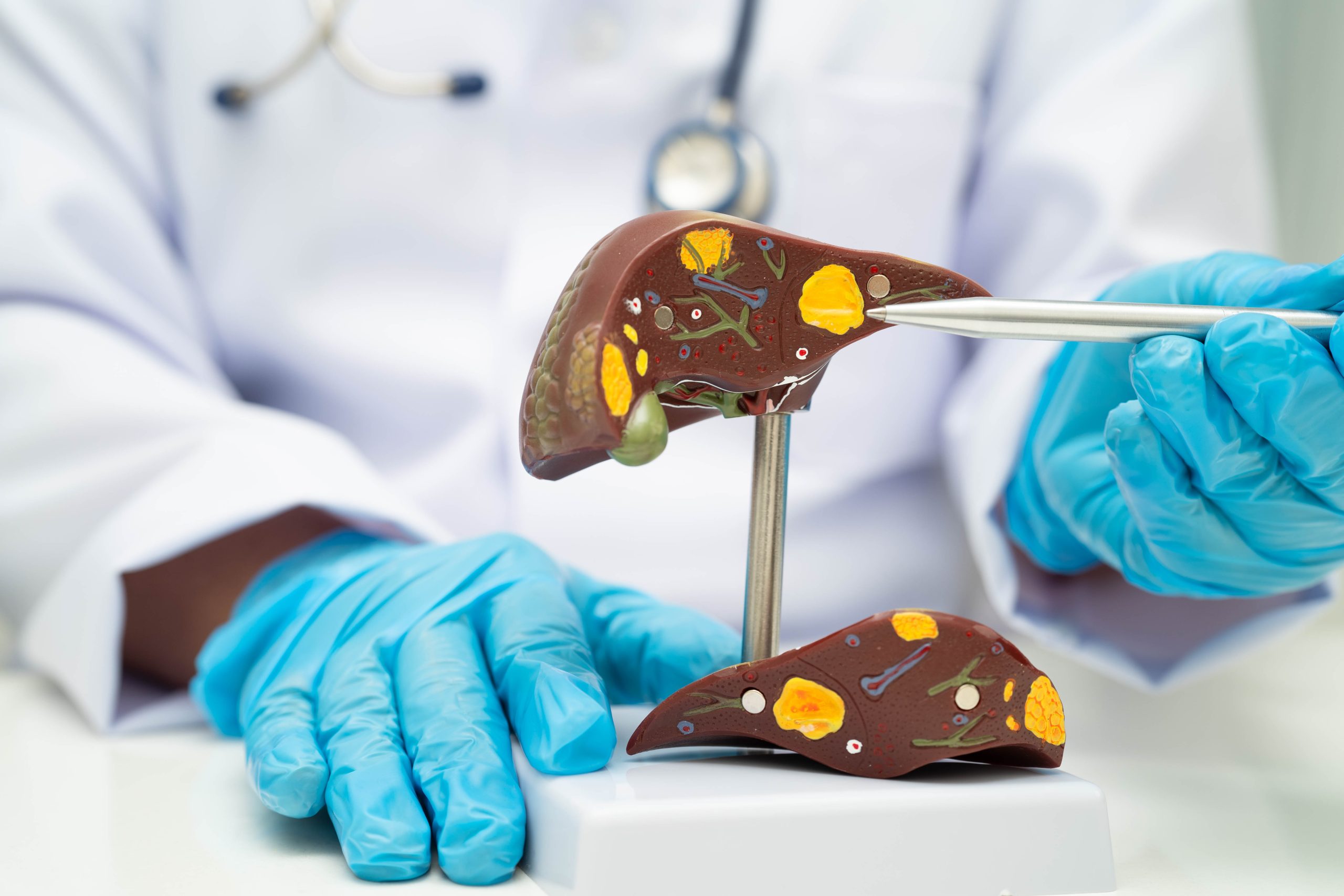
Fatty liver disease is very common and is often found during routine health checkups or ultrasounds before symptoms even appear. Since it is usually reversible in the initial stage, getting an early diagnosis and starting treatment quickly is essential.
At Healing Hospital, our Gastroenterology department provides comprehensive fatty liver treatment in Chandigarh. We offer accurate diagnostic tests including fibroscan and create personalized care & diet plans that address both liver health and metabolic risk factors like diabetes or obesity.
If you have been diagnosed with a fatty liver or have elevated liver enzymes, you must see a liver specialist near you. Early care can resolve the condition before it develops into a more severe medical issue.
What is Fatty Liver?
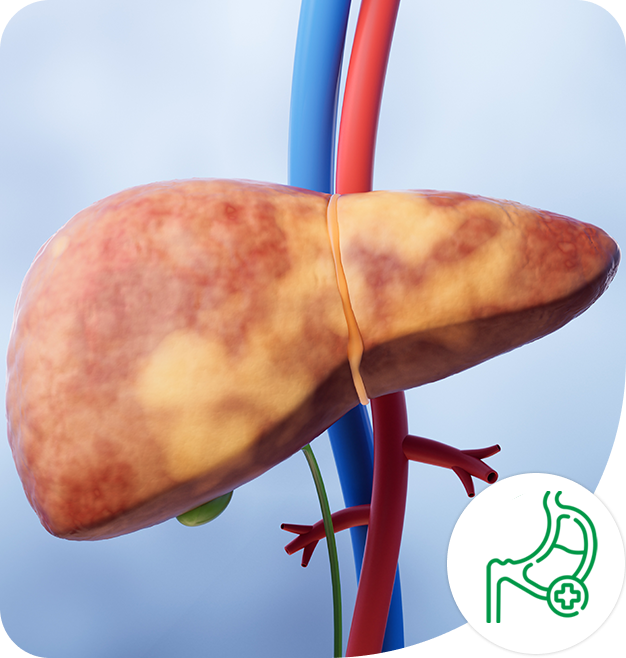
Fatty liver disease occurs when excess fat accumulates in liver cells, a condition known medically as hepatic steatosis. It is generally defined as fat accumulation involving more than approximately 5% of liver cells. Based on its underlying cause, fatty liver disease is broadly classified into alcohol-related fatty liver disease and metabolic dysfunction-associated steatotic liver disease (MASLD). The term MASLD was introduced in 2023 as part of a global update in terminology to better reflect the metabolic factors associated with the condition.
Fatty liver disease can range from simple steatosis, in which fat accumulates without significant inflammation, to steatohepatitis, in which fat accumulation is accompanied by liver inflammation and cell injury. Steatohepatitis can lead to progressive liver scarring (fibrosis), cirrhosis, and, in some cases, liver cancer.
Types of Fatty Liver
Simple Fatty Liver (Steatosis)
Fat accumulation in liver cells without significant inflammation or liver cell injury. This form can remain stable, but the underlying metabolic risk factors should still be identified and managed.
Metabolic Dysfunction-Associated Steatohepatitis (MASH)
A more advanced form of fatty liver disease in which fat accumulation is accompanied by liver inflammation and cell injury. MASH can progress to liver fibrosis and cirrhosis and can require closer monitoring and structured treatment.
Alcohol-Related Fatty Liver Disease
Fat accumulation in the liver caused by alcohol consumption. A detailed medical history helps determine whether alcohol use is contributing to fatty liver disease, as management depends on the underlying cause.
Fatty Liver with Fibrosis or Cirrhosis
An advanced stage in which ongoing liver injury has resulted in scarring of liver tissue. Earlier stages of fibrosis can improve when the underlying cause is appropriately treated. Cirrhosis is an advanced stage of liver disease that requires ongoing specialist care and monitoring.
Fatty Liver Symptoms
Fatty liver disease often does not cause noticeable symptoms in its early stages. Many people can only be diagnosed during routine blood tests or imaging performed for another reason.
Common Symptoms
When symptoms are present, they can include:
- Persistent fatigue
- A feeling of fullness or mild discomfort in the upper right abdomen
- Mild, nonspecific abdominal discomfort
Symptoms of Advanced Stage Fatty Liver Disease
When fatty liver disease progresses to significant fibrosis or cirrhosis, symptoms can become more noticeable. These can include:
- Yellowing of the skin or eyes (jaundice)
- Abdominal swelling due to fluid accumulation
- Swelling of the legs or ankles
- Easy bruising
- Small, visible spider-like blood vessels on the skin
These symptoms can indicate advanced liver disease and should be evaluated promptly by a liver specialist near you.
Fatty Liver Causes
Fatty liver disease can develop due to a combination of metabolic, dietary, genetic, medication-related, and alcohol-related factors. Common fatty liver risk factors include:
Excess Body Weight
Overweight and obesity are important risk factors for metabolic dysfunction-associated steatotic liver disease (MASLD). Excess body fat can contribute to increased fat accumulation in the liver.
Type 2 Diabetes and Insulin Resistance
Insulin resistance and type 2 diabetes are closely associated with fatty liver disease. Insulin resistance can increase fat accumulation in liver cells and can contribute to disease progression.
Dyslipidaemia
High cholesterol and triglyceride levels are commonly associated with fatty liver disease and can occur alongside other metabolic risk factors.
Metabolic Syndrome
Metabolic syndrome includes a combination of abdominal obesity, high blood pressure, elevated blood sugar, and abnormal cholesterol or triglyceride levels. These factors can increase the risk of developing fatty liver disease.
Alcohol Consumption
Regular or excessive alcohol consumption can cause alcohol-related fatty liver disease and contribute to fat accumulation in the liver.
Certain Medications
Some medications can contribute to liver fat accumulation or liver injury. A complete medication history is therefore an important part of the evaluation.
Genetic Predisposition
Certain genetic factors can increase an individual's susceptibility to fatty liver disease and can influence disease severity, including in people without significant excess body weight.
When to Consult a Gastroenterologist for Fatty Liver
A gastroenterologist should be consulted if fatty liver is detected incidentally on an abdominal ultrasound, liver enzymes remain elevated on blood tests, or significant risk factors such as obesity, type 2 diabetes, or dyslipidemia are present. Early evaluation can help determine whether fatty liver treatment is required and identify factors that can contribute to disease progression.
Persistent fatigue or discomfort in the upper right abdomen, particularly in people with these risk factors, should also be medically evaluated rather than attributed to general tiredness.
Fatty Liver Diagnosis
Diagnosis of fatty liver disease involves identifying liver fat accumulation and assessing the presence and severity of liver injury or fibrosis. This helps determine the appropriate level of monitoring and treatment.
Detailed Clinical History
A detailed medical history includes alcohol consumption, medication use, existing medical conditions, and metabolic risk factors. This helps identify the possible cause of fatty liver disease and guide further evaluation.
Liver Function Tests
Blood tests measuring liver enzymes such as ALT and AST can help assess liver injury. However, normal liver enzyme levels do not always rule out fatty liver disease or significant liver fibrosis.
Lipid Profile and Blood Glucose Testing
Cholesterol, triglycerides, blood glucose, and HbA1c can be assessed to identify metabolic risk factors associated with fatty liver disease.
Abdominal Ultrasound
Abdominal ultrasound is commonly used as an initial imaging test to detect fat accumulation in the liver. It can also help identify other abnormalities that require further evaluation.
FibroScan (Transient Elastography)
FibroScan is a non-invasive test that measures liver stiffness and can help estimate the degree of liver fibrosis. It can also be used to monitor changes in liver stiffness over time.
Liver Biopsy
A liver biopsy can be considered in selected cases when non-invasive tests do not provide sufficient information. It can help assess liver inflammation, steatohepatitis, and the extent of fibrosis when a more detailed assessment is clinically required.
Fatty Liver Treatment in Chandigarh at Healing Hospital
Fatty liver treatment in Chandigarh at Healing Hospital is centred on addressing the underlying metabolic drivers of the condition, since this remains the most effective, evidence-based approach across nearly every stage of disease.
Structured Weight Management
A gradual and sustained weight loss of approximately 7-10% percent of body weight has been shown to meaningfully improve. In many cases, it has proven to resolve hepatic steatosis, and produce measurable improvement even in steatohepatitis.
Dietary Modification
A structured dietary approach, typically emphasising reduced refined carbohydrate and added sugar intake alongside a balanced, Mediterranean-style eating pattern, forms a central component of management.
Structured Physical Activity
Regular aerobic exercise independently improves liver fat content, even in the absence of significant weight loss, making it a genuinely valuable component of treatment regardless of body weight outcomes.
Management of Diabetes and Dyslipidaemia
Coordinated control of blood glucose and cholesterol levels directly addresses two of the principal metabolic drivers of fatty liver disease, often requiring coordination with endocrinology when appropriate.
Alcohol Cessation
For alcoholic fatty liver disease specifically, complete abstinence from alcohol is essential and represents the single most effective intervention available.
Pharmacological Management
Selected patients, particularly those with confirmed steatohepatitis, can be considered for specific pharmacological therapy as part of a broader treatment plan, determined on an individualised basis following thorough evaluation.
Management of Advanced Disease
For patients with established fibrosis or cirrhosis, treatment shifts toward specialised hepatological management, including surveillance for complications and, where clinically indicated, coordinated care planning.
Fatty Liver Recovery and Long-Term Management
Long-term management of fatty liver disease focuses on monitoring liver health, addressing the underlying metabolic risk factors, and preventing disease progression.
Regular Monitoring
Periodic liver function tests and imaging assessments can help monitor changes in liver health and identify whether further evaluation or treatment adjustments are needed.
Sustained Lifestyle Changes
Long-term adherence to a healthy diet, regular physical activity, and weight management can support liver health and help reduce the factors contributing to fatty liver disease.
Fibrosis Reassessment
For patients with confirmed fibrosis, periodic FibroScan or other non-invasive assessments may be used to monitor changes in liver stiffness and assess whether fibrosis remains stable or progresses.
Management of Coexisting Conditions
Ongoing management of conditions such as diabetes, abnormal cholesterol levels, and excess body weight remains important for long-term liver health, even after initial improvement in fatty liver disease.
Why Early Fatty Liver Treatment Matters
Fatty liver disease can progress from simple fat accumulation to liver inflammation, fibrosis, and cirrhosis. Early treatment can help address the underlying causes and reduce the risk of disease progression.
Simple steatosis can improve with appropriate lifestyle changes and management of metabolic risk factors. As fibrosis becomes more advanced, treatment becomes more focused on preventing further liver damage and managing complications. Established cirrhosis is generally not reversible and requires ongoing specialist care.
Since fatty liver disease usually does not cause noticeable symptoms in its early stages, screening and evaluation of people with relevant risk factors can help identify the condition earlier and provide an opportunity for timely management.
Why Choose Healing Hospital for Fatty Liver Treatment in Chandigarh?

Comprehensive Diagnostic Evaluation : Healing Hospital has in-house Pathology and Radiology Departments that support the evaluation of fatty liver disease through liver function tests, metabolic testing, abdominal ultrasound, and FibroScan. These investigations help assess liver health, identify associated metabolic risk factors, and evaluate the risk of liver fibrosis.

Integrated Liver and Metabolic Care : Fatty liver disease is often associated with obesity, type 2 diabetes, and abnormal cholesterol or triglyceride levels. The Gastroenterology team coordinates with the Internal Medicine Department to address these associated conditions and develop an appropriate treatment and follow-up plan based on the patient’s clinical needs.

Personalized Nutrition and Dietary Support : The Nutrition and Dietetics Department provides personalized dietary counselling and fatty liver meal plans based on the patient’s health status, metabolic risk factors, dietary preferences, and treatment goals. Structured nutrition support can help patients adopt sustainable dietary and lifestyle changes as part of long-term fatty liver management.
Fatty Liver Prevention Tips
Maintain a Healthy Body Weight
Maintaining a healthy body weight can reduce the risk of developing fatty liver disease and support liver health.
Follow a Balanced Diet
Limiting added sugars, refined carbohydrates, and highly processed foods can help reduce the risk of excess fat accumulation in the liver.
Engage in Regular Physical Activity
Regular physical activity can help reduce liver fat and improve overall metabolic health, even when significant weight loss does not occur.
Limit Alcohol Consumption
Limiting or avoiding alcohol can reduce the risk of alcohol-related liver injury and support overall liver health.
Manage Diabetes and Cholesterol
Keeping blood glucose, cholesterol, and triglyceride levels under control can help reduce metabolic risk factors associated with fatty liver disease.
Avoid Unnecessary Medication Use
Inform your doctor about all medications, over-the-counter products, and herbal supplements you use. Some medicines and supplements can affect liver health.
Attend Routine Health Checkups
Regular health checkups can help identify metabolic risk factors and detect fatty liver disease earlier, particularly in people with obesity, diabetes, or other risk factors.
Meet Our Fatty Liver Specialist in Chandigarh
At Healing Hospital in Chandigarh, fatty liver disease is evaluated and managed by gastroenterologists and hepatologists with expertise in liver and metabolic disorders. Our specialists assess the underlying causes and risk factors, evaluate the extent of liver involvement, and develop treatment plans based on the patient's condition and disease stage. Our Nutrition & Dietetics department coordinates in managing associated conditions such as obesity, diabetes, and abnormal cholesterol levels.
📞 Call:+91-70871 06272 to schedule your consultation with our Gastroenterology Department.
🌐 Book Online: Visit www.healinghospital.co.in or walk in directly at our front desk for an appointment.
Other Gastroenterology Services at Healing Hospital
Reviewed By
Dr. Harmandeep Singh Thabal
Gastroenterology
5+ Years

Dr. Harmandeep Singh Thabal is an accomplished Gastroenterologist with extensive training in the diagnosis and treatment of digestive and liver diseases. He completed his DM in Gastroenterology from Indira Gandhi Medical College, Shimla, where he gained advanced experience in endoscopy, colonoscopy, ERCP, fibroscan, and a wide range of therapeutic procedures including EVL banding, endocryl injection, and esophageal stricture dilatation.
Doctors Available

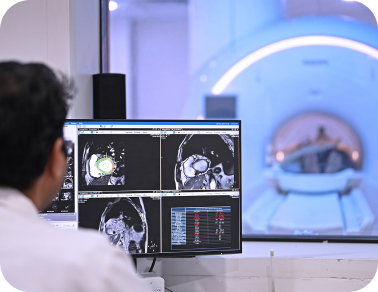
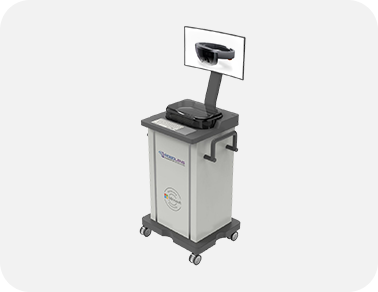
Equipped with state-of-art diagnostic and treatment technologies to ensure the best outcomes for our patients





Frequently Asked Questions (FAQs)
What are the common symptoms of fatty liver disease?
Fatty liver disease is frequently asymptomatic in its early stages. When symptoms do occur, they can include persistent fatigue and mild discomfort in the upper right abdomen, while more advanced disease can present with jaundice or abdominal swelling. If these symptoms are present, consultation with a fatty liver specialist in Chandigarh can help determine the appropriate evaluation.
Where can I find an experienced fatty liver specialist near me?
Healing Hospital, Sector 34, Chandigarh, provides fatty liver treatment in Chandigarh through its Gastroenterology Department. The hospital evaluates and manages fatty liver disease and serves patients from Chandigarh, Mohali, Panchkula, and the wider Tricity region.
Can fatty liver disease be reversed?
Yes, particularly in its early stages. Simple hepatic steatosis is generally reversible with structured weight management, dietary modification, and regular physical activity, although advanced fibrosis and established cirrhosis are considerably more difficult to reverse. A fatty liver specialist in Chandigarh can assess the stage of disease and recommend appropriate management.
What is the difference between NAFLD and alcoholic fatty liver disease?
Non-alcoholic fatty liver disease, now often termed metabolic dysfunction-associated steatotic liver disease (MASLD), develops primarily in association with metabolic factors, whereas alcohol-related fatty liver disease results from alcohol consumption. Distinguishing between these conditions is important when planning fatty liver treatment in Chandigarh or elsewhere.
Is fatty liver disease dangerous if left untreated?
Left unaddressed, fatty liver disease can progress from simple steatosis to steatohepatitis, fibrosis, cirrhosis, and, in a minority of cases, liver cancer. Timely evaluation by a fatty liver doctor in Chandigarh can help identify the stage of disease and address factors associated with progression.
How much weight loss is needed to improve fatty liver?
Clinical evidence indicates that weight loss of approximately 7% to 10% of body weight can meaningfully improve fatty liver disease and can improve steatohepatitis in appropriate patients. A fatty liver specialist in Chandigarh can help determine an appropriate weight-management approach based on individual health and metabolic risk factors.
What tests are used to diagnose fatty liver disease?
Diagnosis of fatty liver disease can involve liver function blood tests, lipid and glucose testing, abdominal ultrasound, and, where fibrosis assessment is required, FibroScan or, in selected cases, liver biopsy. These investigations form an important part of comprehensive fatty liver treatment in Chandigarh by helping assess liver health and disease severity.
Does fatty liver disease always require medication?
No. For many patients, particularly those with simple steatosis, structured lifestyle modification and management of associated metabolic conditions can be the primary approach. Medication can be considered in selected patients based on disease stage and clinical factors. A fatty liver doctor in Chandigarh can determine whether medication or other treatment is appropriate.
Is fatty liver disease common in people who do not drink alcohol?
Yes. Fatty liver disease can occur in people who consume little or no alcohol and is commonly associated with obesity, insulin resistance, type 2 diabetes, and other metabolic risk factors. If fatty liver is detected despite minimal or no alcohol consumption, consultation with a fatty liver specialist in Chandigarh can help identify the underlying factors.
How do I book a consultation with a fatty liver doctor near me?
Call +91-70871 06272 to schedule a consultation for fatty liver treatment in Chandigarh with our Gastroenterology Department, or book online through www.healinghospital.co.in. Walk-in appointments are also available at the hospital’s front desk.
Blog
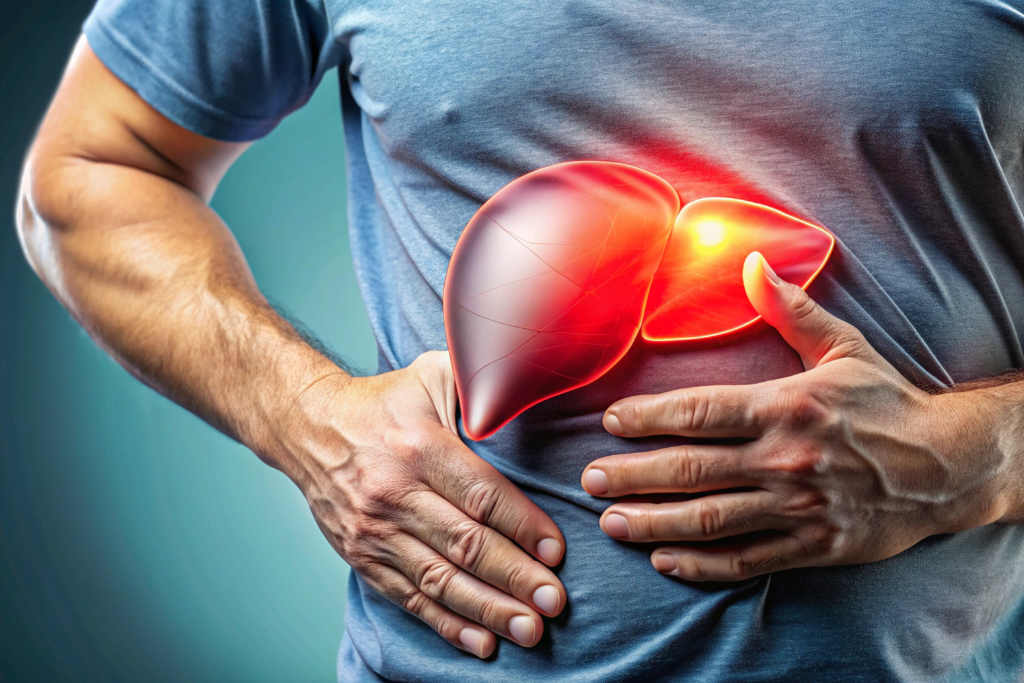
Liver Damage Symptoms: Early Signs, Causes & When to Seek Help
Food Poisoning Symptoms: How to Identify Them, Causes & When to Seek Medical Help
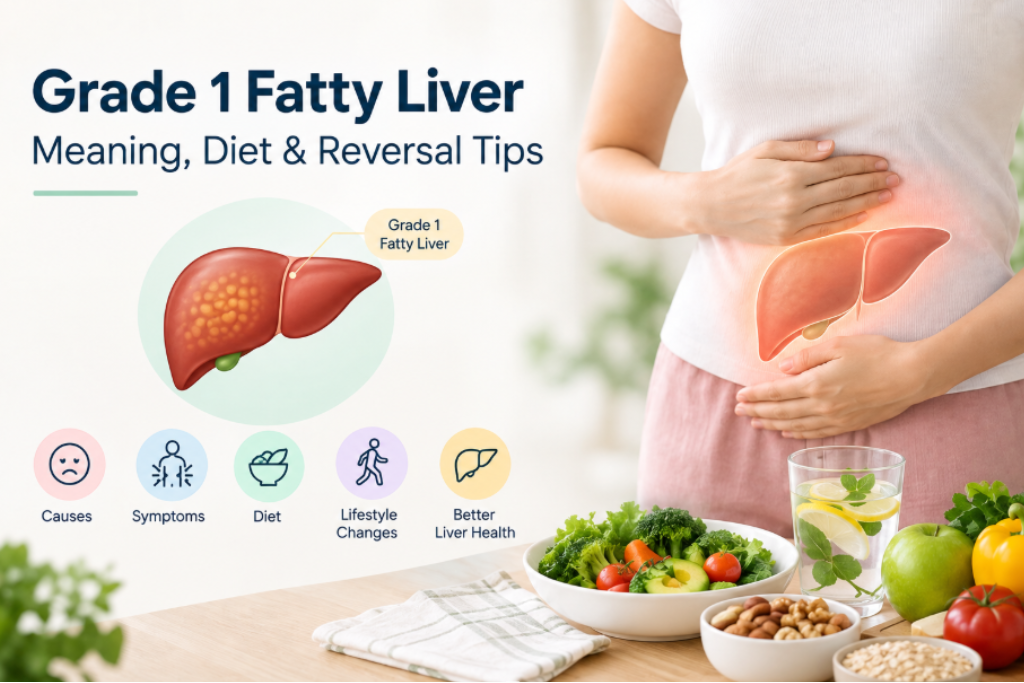
Grade 1 Fatty Liver: Causes, Symptoms, Diet & How to Reverse It

Piles vs Fissure: Symptoms, Treatment & How to Identify the Difference

Sudden Stomach Pain: Possible Causes, Remedies and What You Should Do
When to See a Gastroenterologist: Warning Signs You Shouldn’t Ignore

How to Identify Dysentery Symptoms Before They Become Serious
Gut Health Myths Busted: What Science Really Says About Probiotics and Prebiotics
SGOT & SGPT Levels Explained: Normal Range and Liver Health Insights