Sleep apnea is a common but often overlooked sleep disorder in which breathing repeatedly stops and starts during sleep. If left untreated, these interruptions can contribute to persistent daytime fatigue and place ongoing strain on the heart, brain, and metabolic health. Many people live with loud snoring, restless sleep, or repeated nighttime awakenings for years before seeking treatment.
At Healing Hospital, sleep apnea is evaluated with the same care and clinical precision as any other significant health condition. Our Department of ENT and Sleep Medicine offers comprehensive sleep apnea care in Chandigarh, from specialist evaluation and in-house polysomnography to CPAP therapy, personalized treatment planning, and advanced airway procedures where appropriate. Supported by a dedicated sleep laboratory, our multidisciplinary team focuses on accurate diagnosis, effective treatment, and long-term improvement in sleep and overall well-being.
What Is Sleep Apnea?
Sleep apnea is more than ordinary snoring. The pauses in sleep are known as apnea, which can last several seconds or longer and are often followed by a gasp, snort, or brief awakening as the body works to restore normal breathing. Repeated breathing interruptions can prevent the body from reaching and maintaining deep, restorative sleep. They may also cause oxygen levels to fall repeatedly during the night, contributing to daytime fatigue and increasing the risk of cardiovascular and metabolic health problems when left untreated.
Although loud snoring is a common symptom, the defining feature of sleep apnea is repeated disruption of airflow during sleep. Other warning signs may include witnessed pauses in breathing, choking or gasping during sleep, morning headaches, difficulty concentrating, and excessive daytime sleepiness.
Types and Severity of Sleep Apnea
Obstructive Sleep Apnea (OSA)
Obstructive sleep apnea is the most common type. It occurs when the muscles and tissues at the back of the throat relax during sleep, narrowing or blocking the upper airway. Factors such as excess weight, enlarged tonsils, and other anatomical features may increase the risk.
Central Sleep Apnea (CSA)
Central sleep apnea occurs when the brain temporarily fails to send appropriate signals to the muscles responsible for breathing. It is not caused by a physical blockage of the airway and may be associated with conditions such as heart failure, stroke, or the use of certain medicines.
Mixed Sleep Apnea
Some patients may show both obstructive and central breathing events. Central events may also emerge during treatment for obstructive sleep apnea. These cases require careful evaluation and an individualised treatment plan based on the patient’s sleep-study findings and underlying health.
Mild, Moderate, or Severe Sleep Apnea
The severity of obstructive sleep apnea in adults is commonly assessed using the Apnea–Hypopnea Index (AHI), which measures the average number of apneas and hypopneas per hour of sleep during a sleep study:
- Mild: 6 to 15 events per hour.
- Moderate: 16 to 30 events per hour.
- Severe: 30 + events per hour.
These ranges are primarily used for adult obstructive sleep apnea only.
Signs and Symptoms of Sleep Apnea
Sleep apnea symptoms may occur during sleep, or they may even show up after waking up or throughout the day. In many cases, a bed partner or a family member notices the nighttime symptoms before the patient does.
Common Symptoms
- Loud, persistent snoring.
- Witnessed pauses in breathing during sleep.
- Gasping, choking, or snorting during the night.
- Waking with a dry mouth or sore throat.
- Morning headaches.
- Excessive daytime sleepiness or fatigue despite adequate time in bed.
- Difficulty concentrating, forgetfulness, or slower reactions.
- Irritability or other mood changes.
- Frequent nighttime urination.
- Reduced sexual desire or other sexual difficulties.
Warning Signs to Watch For
Seek medical evaluation if someone regularly notices that you stop breathing during sleep, or if you frequently wake up gasping or choking. Persistent daytime sleepiness that affects work, daily activities, or driving safety should not be dismissed as ordinary tiredness or ageing. Sleep apnea should also be carefully monitored in patients with complaints of high blood pressure.
Sleep Apnea: Causes and Risk Factors
Sleep apnea can affect people of any age and body type. Although excess weight is a significant risk factor for obstructive sleep apnea, airway anatomy, family history, lifestyle habits, and certain medical conditions can also contribute to its development.
Excess Weight
Extra tissue around the neck and upper airway can narrow the breathing passage and increase the likelihood of airway blockage during sleep.
Airway & Anatomical Factors
A naturally narrow airway, enlarged tonsils or adenoids, a large neck circumference, or a recessed jaw may increase the risk of airway collapse. Children may also develop obstructive sleep apnea because of enlarged tonsils or adenoids.
Age & Family History
The risk of sleep apnea generally increases with age. A family history of sleep apnea or inherited facial and airway features may also increase an individual’s susceptibility.
Alcohol & Sedative Use
Alcohol and sedative medicines can relax the muscles of the throat, making airway narrowing or collapse more likely during sleep. Medicines should not be stopped or changed without medical advice.
Smoking
Smoking can irritate and inflame the upper airway, potentially worsening airway narrowing and sleep apnea symptoms.
Nasal Congestion
Persistent nasal blockage caused by allergies, inflammation, or structural problems may make breathing during sleep more difficult and can worsen obstructive sleep apnea symptoms.
Gender
Men are 2–3x more likely to develop OSA than pre-menopausal women; this gap narrows significantly after menopause.
Medical Conditions and Central Sleep Apnea
Central sleep apnea may be associated with conditions that affect the brain’s control of breathing, including heart failure, stroke, certain brain or brainstem disorders, and the use of opioid medicines. It can also occur in some people at high altitude.
Having one or more risk factors does not confirm sleep apnea. A proper diagnosis requires medical evaluation and, when recommended, a sleep study.
Sleep Apnea Diagnosis and Testing
Detailed Sleep & Symptom History
Your sleep apnea specialist will ask about your sleep pattern, snoring, witnessed breathing pauses, and daytime symptoms.
Physical Examination
Assessment will be done of your neck circumference, airway space, tonsil size, and nasal passages, along with a general health evaluation including body mass index.
Polysomnography (In-Lab Sleep Study)
This overnight test monitors breathing patterns, oxygen levels, brain activity, and body movements to confirm diagnosis and measure severity.
Home Sleep Apnea Test
A simplified, portable version of a sleep study that can be done at home, suitable for many patients with a higher likelihood of obstructive sleep apnea.
Upper Airway Evaluation
An ENT examination, sometimes including nasal endoscopy, helps identify exactly where the airway is narrowing, which can guide surgical planning if needed.
Additional Tests When Required
Depending on findings, your ENT specialist may recommend thyroid function testing, cardiac evaluation, or further assessment if central sleep apnea or an underlying condition is suspected.
Sleep Apnea Treatment
Based on the sleep-study findings, symptoms, and individual anatomy, treatment may include lifestyle support, CPAP therapy, or surgery:
Lifestyle & Weight-Management Support
Patients may receive guidance on weight management, sleep position, regular physical activity, alcohol and smoking reduction, nasal congestion management, and healthy sleep routines. These measures support medical treatment and may help reduce symptoms, particularly in mild or positional obstructive sleep apnea.
CPAP Therapy
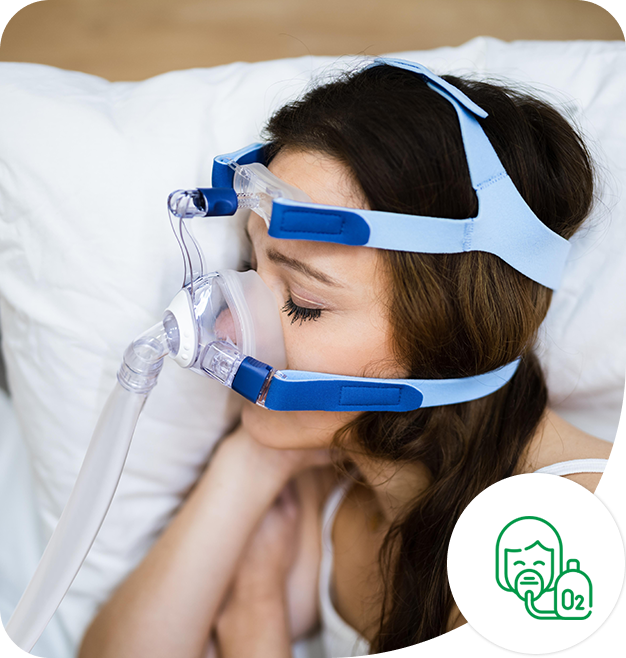
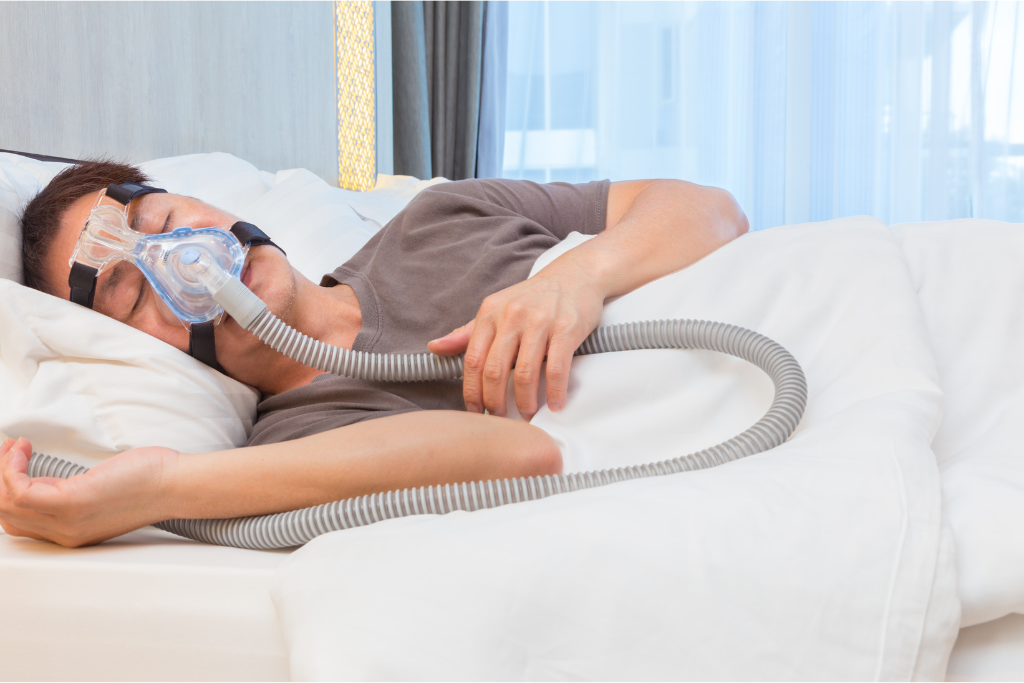
CPAP therapy provides continuous air pressure through a mask to help keep the airway open during sleep.
Targeted Sleep Apnea Surgery
For patients who do not tolerate CPAP, do not achieve adequate control with non-surgical treatment, or have a clearly identifiable anatomical obstruction, Healing Hospital offers tailored ENT surgical options. Procedures may include nasal surgery, tonsillectomy or adenoidectomy, UPPP, tongue-base reduction, hyoid suspension, and multilevel airway surgery, depending on the obstruction pattern.
Sleep Apnea Recovery and Long-Term Management
Recovery After Sleep Apnea Surgery
Recovery depends on the procedure performed and the location of the airway obstruction. Patients may experience temporary discomfort, swelling, nasal blockage, or throat-related symptoms after surgery. The sleep apnea surgeon provides procedure-specific instructions and monitors recovery during follow-up.
Follow-Up and Treatment Monitoring
Regular follow-up helps assess symptoms, treatment tolerance, sleep quality, and breathing control. Depending on the treatment plan, monitoring may include CPAP review, clinical reassessment, and a repeated sleep study when medically appropriate.
Lifestyle & Ongoing Support
Lifestyle guidance forms an important part of long-term sleep apnea care. Weight management, positional therapy, regular physical activity, healthy sleep habits, and appropriate management of nasal blockage may support treatment outcomes. Healing Hospital provides personalized lifestyle and diet guidance alongside sleep apnea treatment.
Protecting Long-Term Health
Untreated sleep apnea can affect daytime alertness, concentration, cardiovascular health, and overall well-being. Consistent treatment and follow-up can help reduce the impact of repeated nighttime breathing interruptions and improve long-term sleep health.
Improving Quality of Life
Effective treatment may improve daytime energy, concentration, mood, sleep quality, and snoring. It can also help improve a bed partner’s sleep by reducing disruptive snoring and witnessed breathing pauses.
Why Sleep Apnea Evaluation Matters
Persistent snoring, witnessed breathing pauses, morning headaches, or excessive daytime sleepiness should not be ignored. These symptoms may be caused by sleep apnea or another sleep or airway disorder, and a proper evaluation is needed to identify the cause.
Healing Hospital offers comprehensive sleep apnea treatment in Chandigarh, including clinical assessment, in-lab polysomnography, home sleep testing options, ENT evaluation, CPAP therapy, lifestyle guidance, positional therapy, and surgical treatment.
Why Choose Healing Hospital for Sleep Apnea Treatment in Chandigarh?

North India’s Premier Sleep Centre : Healing Hospital operates a dedicated, fully equipped in-house sleep lab. This means overnight polysomnography test, home sleep testing, and CPAP titration are all available without referring patients elsewhere, a level of dedicated infrastructure that sets us apart across the region. We have successfully performed 5000+ sleep studies and 3000+ sleep apnea surgeries till date.

Experienced ENT & Sleep Medicine Team : Our sleep apnea specialists in Chandigarh have evaluated more than 5000 sleep studies, making them one of the most experienced sleep specialists in the region. Their groundbreaking work has helped more than 3000 patients successfully eliminate their dependence on CPAP machines through advanced surgical interventions, significantly improving their quality of life.

Multidisciplinary Coordination : Given the strong links between sleep apnea and heart health, our team coordinates directly with cardiology and pulmonology when an underlying condition needs attention, all within the same hospital system.
Sleep Apnea Prevention and Lifestyle Tips
Maintain a Healthy Weight
Excess weight can increase pressure around the upper airway and worsen obstructive sleep apnea. Gradual, medically guided weight management may help improve symptoms and overall sleep health.
Avoid Alcohol & Unprescribed Sedatives at Bedtime
Alcohol and sedative medicines can relax the throat muscles and increase airway obstruction during sleep. Do not stop prescribed medication without consulting your doctor.
Sleep on Your Side
Sleeping on your side may help reduce airway collapse in people whose symptoms are worse when lying on their back. Your sleep specialist can recommend appropriate positional therapy when suitable.
Stop Smoking
Smoking can irritate and inflame the upper airway. Quitting smoking may support better breathing and improve overall respiratory health.
Manage Nasal Congestion
Treating allergies, nasal blockage, or other nasal conditions may improve airflow and reduce mouth breathing during sleep. Persistent nasal obstruction should be assessed by an ENT specialist.
Follow a Consistent Sleep Routine
Maintain regular sleep and wake times, create a comfortable sleep environment, and follow the treatment plan recommended by your sleep specialist.
Avoid Heavy Meals Before Bed
Allowing sufficient time between dinner and bedtime may help reduce reflux-related throat irritation and nighttime discomfort.
Important: Seek urgent medical attention for chest pain, severe breathlessness, confusion, or other serious symptoms. Repeated choking or gasping during sleep require prompt medical evaluation rather than being dismissed as ordinary snoring.
Meet Our Sleep Apnea Specialist in Chandigarh
At Healing Hospital, North India's premier sleep centre, our ENT and sleep medicine team manages sleep apnea as part of a comprehensive evaluation of airway and sleep health, ensuring that breathing problems during sleep are accurately diagnosed and any underlying conditions are identified and treated appropriately.
Dr. Lovkesh Mittal – Senior Consultant ENT & Sleep Apnea Surgeon, with 10+ years of experience in diagnosing and treating obstructive sleep apnea and airway disorders, with a track record of 5000+ sleep studies and 3000+ sleep apnea surgeries.
📞 Call: +91-8989600034, 9090303434 to schedule your consultation.
🌐 Book Online: Visit www.healinghospital.co.in to book an appointment.
Other ENT Services Available at Healing Hospital
Healing Hospital’s ENT and Sleep Medicine services include comprehensive sleep assessment, polysomnography, home sleep testing options, ENT evaluation, CPAP therapy, lifestyle guidance, positional therapy, and customized surgical treatment for selected patients.
Reviewed By
Dr. Lovkesh Mittal
Senior Consultant - ENT, Head & Neck Surgery
Experience: 10+ Years

Dr. Lovkesh Mittal is an accomplished ENT, Head & Neck surgeon with over 10 years of specialized experience with an MS in ENT from Government Medical College & Hospital, Chandigarh (GMCH-32). He has established himself as Chandigarh’s leading sleep disorder specialist, having evaluated 5,000+ sleep studies and successfully helped 3000+ patients discontinue CPAP therapy through targeted surgical interventions.
Doctors Available

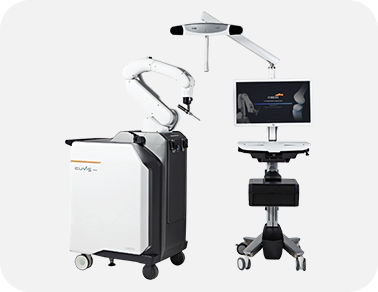
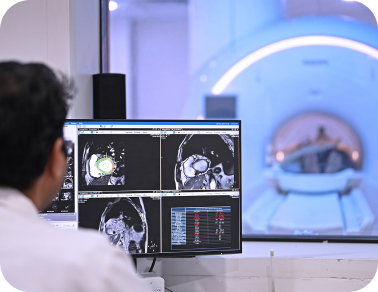
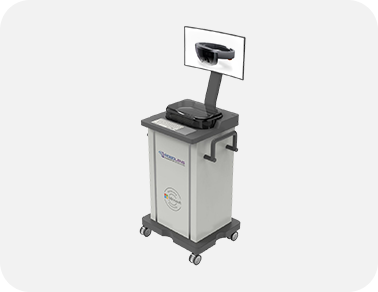
Equipped with state-of-art diagnostic and treatment technologies to ensure the best outcomes for our patients





Frequently Asked Questions (FAQs)
What are the early signs of sleep apnea?
Common early signs include loud snoring, witnessed pauses in breathing, gasping or choking during sleep, morning headaches, dry mouth, and excessive daytime sleepiness. Persistent difficulty concentrating or waking unrefreshed may also indicate a sleep-related breathing disorder.
What causes sleep apnea?
Obstructive sleep apnea is commonly associated with excess weight, airway anatomy, enlarged tonsils or adenoids, nasal obstruction, alcohol use, and family history. Central sleep apnea occurs when the brain’s breathing signals are disrupted and may be associated with certain medical conditions or medicines.
What is the difference between obstructive and central sleep apnea?
Obstructive sleep apnea occurs when the upper airway narrows or collapses during sleep. Central sleep apnea occurs when the brain temporarily fails to send the appropriate signals to the breathing muscles, without a physical airway blockage.
How is sleep apnea diagnosed?
Diagnosis begins with a detailed medical and sleep history, clinical examination, and airway assessment. A sleep study can either be conducted as an in-lab polysomnography or a home sleep test, when appropriate. It helps confirm sleep apnea, identify its type, and assess its severity.
What complications can untreated sleep apnea cause?
Untreated sleep apnea may contribute to excessive daytime sleepiness, impaired concentration, high blood pressure, and reduced cardiovascular and metabolic health. Daytime sleepiness may also increase the risk of accidents, particularly while driving or operating machinery.
Does snoring always mean I have sleep apnea?
No. Snoring can occur without sleep apnea, but loud or persistent snoring, especially when accompanied by breathing pauses, gasping, or daytime sleepiness, should be evaluated. A clinical assessment and appropriate sleep study can determine whether snoring is related to sleep apnea.
Which surgery is best for sleep apnea?
The recommended treatment depends on the location and severity of airway obstruction, individual anatomy, sleep-study findings, and response to non-surgical treatment. Healing Hospital offers customised ENT and airway surgery for selected patients after detailed evaluation.
Where can I find the best sleep apnea treatment near me in Chandigarh?
Healing Hospital’s ENT and Sleep Medicine team provides sleep apnea evaluation and treatment in Chandigarh, including sleep studies, airway assessment, CPAP and BiPAP therapy, oral appliance therapy, lifestyle guidance, positional therapy, and selected airway procedures.
How can I book a consultation with a sleep apnea surgeon near me?
You can book a consultation by contacting Healing Hospital’s appointment desk at +91-8989600034, 9090303434 or visiting the hospital’s official website: www.healinghospital.co.in. Our hospital’s ENT team provides evaluation and treatment for snoring, obstructive sleep apnea, and related airway conditions.
Blog

Sinus Infection Symptoms: Early Signs, Causes & Treatment Options
How to Recognize Tonsillitis Symptoms and Get the Right Treatment

Best Gastroenterology Specialist in Chandigarh for Digestive Health

Comprehensive Guide to Sleep Apnea Surgery in Chandigarh

How to Choose the Right ENT Hospital in Chandigarh for Your Needs

Top ENT Specialists in Chandigarh: Get the Best Treatment for Your Needs