World Meningitis Day 2026: Theme, Awareness, Prevention, Symptoms & Vaccination
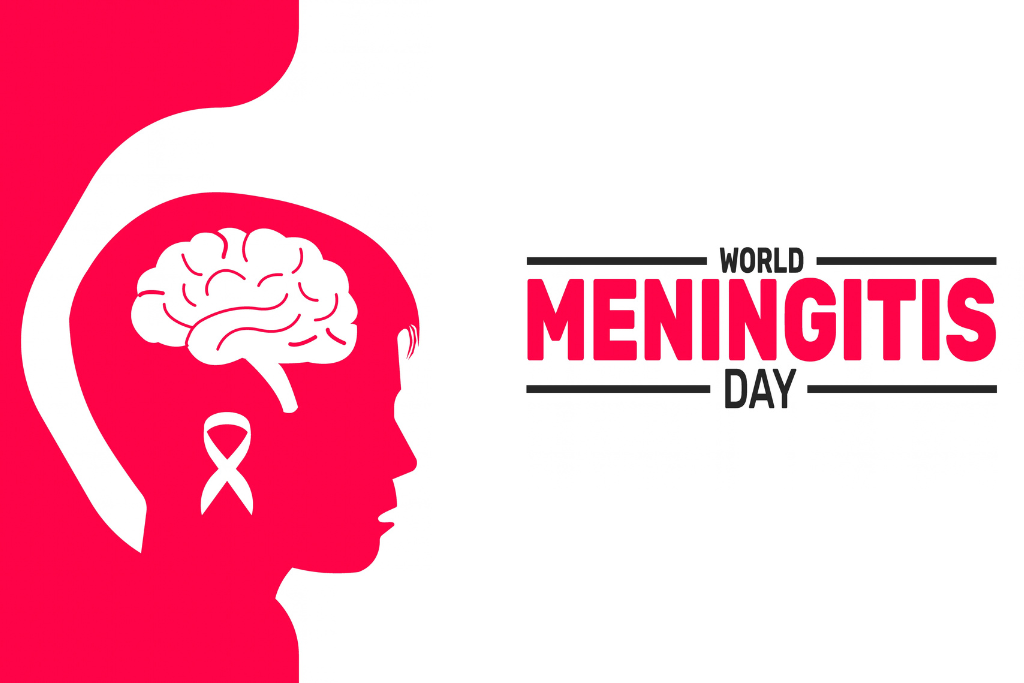
World Meningitis Day is observed every year on October 5. The day serves as a global opportunity to raise awareness about meningitis, its symptoms, prevention, vaccination, and the importance of early medical care.
World Meningitis Day 2026 theme emphasizes meningitis awareness and the life-saving importance of vaccination. The theme centers on prevention. One vaccine can protect you. One conversation can save a life. One person who recognizes symptoms early can prevent tragedy.
Meningitis can affect people of all ages and can become serious rapidly, particularly when caused by bacteria. Vaccination is an important way to prevent several forms of bacterial meningitis, while recognizing symptoms early and seeking urgent medical attention can improve the chances of timely treatment.
What is Meningitis? Types of Meningitis
Meningitis is inflammation of the meninges, the protective membranes surrounding the brain and spinal cord. It can be caused by bacteria, viruses, fungi, and other microorganisms. The severity and treatment depend on the underlying cause.
Bacterial Meningitis
Bacterial meningitis is a serious medical condition that can progress rapidly and requires urgent medical treatment. Common causes include Neisseria meningitidis, Streptococcus pneumoniae, and Haemophilus influenzae type b (Hib). WHO reports that approximately 1 in 6 people with bacterial meningitis die, while about 1 in 5 survivors develop severe complications.
Possible long-term meningitis complications include hearing loss, neurological disability, seizures, and other serious health problems. Early recognition and prompt treatment are therefore essential.
Viral Meningitis
Viral meningitis is caused by viruses, including enteroviruses and, in some cases, viruses such as mumps. It is generally less severe than bacterial meningitis, and many patients recover with supportive care. However, severity can vary depending on the virus and the individual’s age and health.
Fungal Meningitis
Fungal meningitis is uncommon and is more likely to occur in people with weakened immune systems. Treatment depends on the specific fungal infection and generally requires appropriate antifungal medication.
Important: Meningitis can become a medical emergency. Symptoms such as severe headache, fever, neck stiffness, vomiting, confusion, seizures, or unusual drowsiness require prompt medical evaluation, particularly when they develop suddenly.
History of World Meningitis Day
World Meningitis Day was established to raise global awareness about meningitis, its symptoms, prevention, and the importance of timely medical care. It provides an opportunity for healthcare organizations and communities to educate people about the potentially serious nature of meningitis and ways to reduce its impact.
The awareness movement has been supported by meningitis organizations and advocacy groups around the world, helping bring greater attention to early symptom recognition, vaccination, and access to appropriate treatment.
October 5 is observed as World Meningitis Day, with awareness activities encouraging individuals, schools, healthcare professionals, and communities to learn more about meningitis and take steps toward prevention.
Why Meningitis Awareness Matters
Meningitis can become serious rapidly, particularly when it is caused by bacteria. Early symptoms can resemble common illnesses such as the flu, making it important to recognize warning signs and seek medical attention promptly.
Meningitis symptoms can include fever, severe headache, nausea or vomiting, neck stiffness, sensitivity to light, confusion, unusual drowsiness, and seizures. A rash can also occur in some cases of meningococcal disease. Symptoms can develop in different combinations and can worsen quickly.
If meningitis is suspected, it should be treated as a medical emergency rather than waiting for symptoms to improve on their own.
Prevention is also an important part of meningitis awareness. Vaccination can protect against several important causes of bacterial meningitis, including meningococcal disease, pneumococcal disease, and Hib disease. Maintaining recommended vaccinations can help protect individuals and reduce the spread of vaccine-preventable infections within communities.
Meningitis Symptoms: Know the Signs
Meningitis can develop suddenly, and its symptoms may worsen quickly. Recognizing the warning signs and seeking urgent medical attention is important.
Fever
A sudden or high fever may occur, particularly in bacterial meningitis. Fever can occur along with headache, vomiting, or other symptoms.
Severe Headache
A severe or unusual headache can be an important warning sign, especially when it occurs with fever or neck stiffness.
Stiff Neck
Neck stiffness can make it difficult or painful to move the neck. It is a common symptom of meningitis but can not occur in every patient.
Sensitivity to Light
Bright light can cause significant discomfort, leading the person to prefer a darker environment.
Nausea and Vomiting
Nausea or vomiting can occur along with headache and fever.
Confusion or Unusual Drowsiness
A person can become confused, disoriented, unusually sleepy, or difficult to wake. Changes in mental status require urgent medical attention.
Rash
A rash can occur in some cases, particularly with meningococcal disease. A rash that does not fade when pressed may be a sign of a serious infection and requires immediate medical evaluation.
Seizures
Seizures can occur in severe cases and require emergency medical treatment.
Symptoms in Infants and Young Children
Babies and young children may show different or less specific symptoms, such as fever, poor feeding, irritability, persistent or high-pitched crying, vomiting, unusual sleepiness, or a bulging soft spot on the head. Symptoms may not always be obvious, so any concerning change in an infant’s behavior or health should be evaluated promptly.
Meningitis Risk Factors
Certain factors can increase the risk of meningitis. Understanding these risks and following recommended preventive measures can help reduce the likelihood of infection.
Age and Living Conditions
Infants, adolescents, and young adults can have a higher risk of certain forms of bacterial meningitis. People living in crowded settings, such as college hostels, military facilities, or refugee camps, may also have an increased risk of meningococcal disease.
Weakened Immune System
People with weakened immune systems, including those with certain medical conditions or those taking immunosuppressive medicines, can be more vulnerable to meningitis.
Absence of a Functional Spleen
People who have had their spleen removed or whose spleen does not function properly have an increased risk of certain serious bacterial infections, including meningococcal and pneumococcal disease.
Previous Infections or Head Injury
Certain infections and conditions involving the skull or nervous system can increase the risk of meningitis. A history of significant head injury or conditions that allow bacteria to enter the central nervous system may also increase risk.
Meningitis Prevention
Vaccination is one of the most effective ways to prevent several important causes of meningitis. The vaccines recommended depend on age, medical conditions, vaccination history, and individual risk.
Meningococcal Vaccines
Meningococcal vaccines protect against certain strains of Neisseria meningitidis. Different vaccines and schedules may be recommended depending on age and risk factors.
Pneumococcal Vaccines
Pneumococcal vaccines help protect against infections caused by Streptococcus pneumoniae, which can cause meningitis as well as other serious infections. Recommendations vary according to age and medical risk.
Hib Vaccine
The Haemophilus influenzae type b (Hib) vaccine is part of routine childhood immunization in many countries and helps prevent Hib meningitis.
MMR Vaccine
The measles, mumps, and rubella (MMR) vaccine helps prevent measles and mumps, which can cause viral meningitis and other complications.
Practice Good Hygiene
Regular handwashing, covering the mouth and nose when coughing or sneezing, and avoiding the sharing of personal items such as utensils and drinking containers can help reduce the spread of infections. People who are unwell should follow appropriate medical advice and avoid close contact with others when advised.
Meningitis Vaccination: Your Protection
Vaccination is an important way to prevent several serious infections that can cause meningitis. The recommended vaccines and schedules vary according to age, medical conditions, vaccination history, travel plans, and local guidelines.
Who May Need Meningitis Vaccination?
Meningitis vaccines can be recommended for:
- Infants and children according to the recommended immunization schedule
- Adolescents and young adults, depending on the vaccine and local recommendations
- People with certain medical conditions or weakened immunity
- People without a functioning spleen
- Travelers visiting areas where specific meningitis-causing infections are more common
- Certain healthcare, laboratory, or occupational groups with increased exposure risk
- Military personnel and people living in settings where meningococcal disease can spread more easily
Your general physician can review your age, health conditions, vaccination history, and travel requirements to determine which vaccines are appropriate for you.
Meningitis Treatment
Meningitis requires urgent medical evaluation, particularly when bacterial meningitis is suspected. Treatment depends on the cause and severity of the infection.
Antibiotics for Bacterial Meningitis
Suspected bacterial meningitis is treated urgently with appropriate antibiotics. Treatment can begin before the exact cause is confirmed, as delaying treatment can increase the risk of serious complications.
Antiviral or Other Specific Treatment
Some forms of viral meningitis may require specific antiviral treatment, depending on the virus involved. Many viral cases are managed primarily with supportive care. Fungal meningitis requires appropriate antifungal medication.
Diagnostic Tests
Doctors can use blood tests, blood cultures, and cerebrospinal fluid (CSF) analysis to identify the cause of meningitis and guide treatment. Brain imaging can also be recommended in selected patients.
Supportive and Intensive Care
Patients with severe meningitis can require intravenous fluids, oxygen, medicines to control fever or seizures, and close monitoring. Critically ill patients can require intensive care.
Corticosteroids
Corticosteroids can be recommended in certain cases of bacterial meningitis to help reduce inflammation and the risk of specific complications. Their use depends on the suspected cause and clinical situation.
Meningitis recovery varies according to the type of meningitis, severity of illness, underlying health, and how promptly treatment begins. Some patients can require follow-up care or rehabilitation after recovery.
Meningitis Treatment in Chandigarh
If meningitis is suspected, immediate medical evaluation is essential. Healing Hospital in Chandigarh provides emergency medical care, diagnostic evaluation, neurology assessment for meningitis, and intensive care support for patients with serious infections.
Our neurologist in Chandigarh can evaluate symptoms, arrange appropriate investigations, and initiate treatment based on the suspected cause and clinical condition.
For meningitis-related symptoms, seek emergency medical attention rather than waiting for symptoms to improve. You can contact Healing Hospital for medical assistance at +91-96073 43434.
World Meningitis Day: How You Can Participate
Learn the Warning Signs
Understand common meningitis symptoms such as fever, severe headache, neck stiffness, vomiting, confusion, unusual drowsiness, seizures, and sensitivity to light. Share this information with your family.
Check Your Vaccination Status
Speak with your doctor about whether you are up to date with the vaccines recommended for your age, medical condition, and travel plans.
Raise Awareness
Share reliable information about meningitis symptoms, prevention, vaccination, and the importance of seeking urgent medical care.
Support Meningitis Survivors
People recovering from meningitis can experience physical, neurological, hearing, or psychological complications. Appropriate medical follow-up and rehabilitation can support recovery.
Conclusion
World Meningitis Day 2026 on October 5 provides an opportunity to raise awareness about meningitis prevention, vaccination, early recognition, and timely treatment.
Several forms of meningitis can be prevented through recommended vaccination, while early recognition of symptoms can help patients receive urgent medical care when needed.
Frequently Asked Questions
Q. What is World Meningitis Day?
World Meningitis Day is observed on October 5 each year to raise awareness about meningitis, its symptoms, prevention, vaccination, and the importance of timely medical care.
Q. How quickly can meningitis develop?
Some forms of meningitis, particularly bacterial meningitis, can progress rapidly and become life-threatening within a short period. Symptoms may worsen quickly, which is why suspected meningitis requires immediate medical evaluation.
Q. Where can I find meningitis treatment near me?
Healing Hospital in Sector-34 A, Chandigarh provides meningitis treatment near you in Chandigarh. Meningitis treatment depends on the cause of meningitis. Bacterial meningitis requires urgent antibiotic treatment, while some forms of viral meningitis can require supportive care or specific antiviral treatment. Early diagnosis and appropriate treatment are important for reducing the risk of complications.
Q. Is meningitis contagious?
Some causes of meningitis can spread from person to person, while others are not transmitted through routine contact. Meningococcal disease, for example, can spread through respiratory and throat secretions during close or prolonged contact. Vaccination and appropriate preventive measures can help reduce the risk of certain infections.
Q. Who needs meningitis vaccination?
The need for meningitis vaccination depends on age, vaccination history, medical conditions, travel plans, and individual risk factors. Certain vaccines are routinely recommended for children, while additional meningococcal, pneumococcal, or other vaccines may be advised for specific age groups or high-risk individuals. Your doctor can recommend the appropriate vaccination schedule.
Q. What are the possible complications of meningitis?
Meningitis can cause serious complications, particularly when treatment is delayed. Depending on the cause and severity, complications may include hearing loss, seizures, neurological problems, cognitive difficulties, or other long-term disabilities. Some patients may require rehabilitation during recovery.
Q. Where can I get meningitis treatment in Chandigarh?
If you suspect meningitis, seek immediate medical attention rather than waiting for symptoms to improve. Healing Hospital in Chandigarh provides emergency evaluation, diagnostic services, neurologic assessment,, and intensive care support for patients with serious infections.