Grade 1 Fatty Liver: Causes, Symptoms, Diet & How to Reverse It
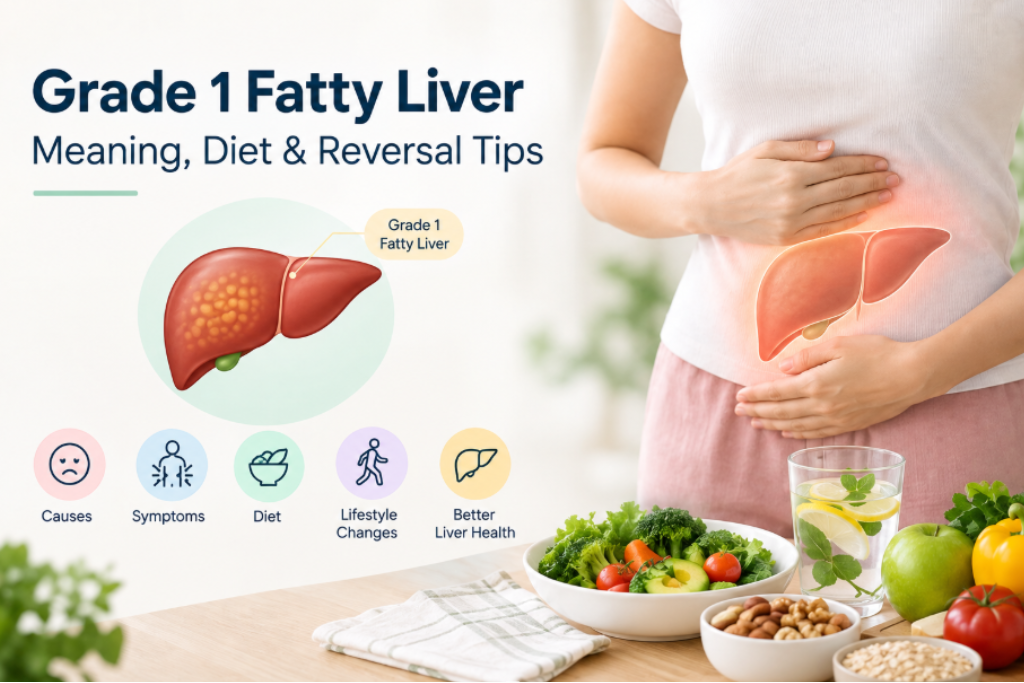
Fatty liver means that excess fat has accumulated in the liver. It is increasingly recognised alongside metabolic conditions such as obesity, diabetes, high cholesterol and high blood pressure, although alcohol and other factors can also contribute. Early fatty liver may not cause noticeable symptoms, which is why it can sometimes be discovered during a routine health check or abdominal ultrasound.
If an ultrasound report mentions grade 1 fatty liver, it generally indicates a mild degree of fatty change visible on imaging. While this finding should not automatically be considered a severe liver disease, it is worth discussing with a healthcare professional because the underlying cause and other metabolic risk factors can influence long-term liver health.
For people who have been told they have fatty liver, choosing an appropriate Gastroenterology Hospital can help with evaluation, monitoring and management when specialist care is needed. A gastroenterologist can review your ultrasound, medical history, blood tests and metabolic risk factors to determine whether further assessment is appropriate. Healing Hospital’s Gastroenterology Department provides digestive and liver care, including liver assessment and FibroScan services.
The good news is that early fatty liver can often improve with appropriate lifestyle changes and management of underlying risk factors. Current liver-disease guidance places emphasis on healthy eating, physical activity, weight management where appropriate and addressing associated metabolic conditions.
What Is Grade 1 Fatty Liver?
Grade 1 fatty liver generally refers to mild fatty infiltration of the liver identified through imaging, most commonly an ultrasound. It means that fat has accumulated in liver cells to a degree that can be detected on the scan.
People often search for what is grade 1 fatty liver after seeing this phrase on an ultrasound report. Grade 1 is generally considered a mild imaging finding, but the ultrasound grade alone does not tell the complete story about liver inflammation or fibrosis.
Fatty liver can be associated with metabolic factors such as excess weight, insulin resistance, type 2 diabetes and abnormal cholesterol or triglyceride levels. Alcohol consumption, certain medicines and other medical conditions can also contribute to fat accumulation in the liver.
What Does Grade 1 Fatty Liver Mean in an Ultrasound Report?
When an ultrasound report mentions grade 1 fatty liver, it indicates that the liver has an increased fatty appearance consistent with mild steatosis. Ultrasound can help identify fat in the liver, but it does not by itself determine the amount of inflammation or scarring.
The grade 1 fatty infiltration of the liver is therefore best understood as a description of the amount of fatty change visible on the scan, rather than a complete assessment of liver health.
Your doctor may consider the ultrasound finding together with liver function tests, blood sugar, cholesterol, body weight, alcohol intake, medications and other health factors. Depending on the individual situation, additional assessment such as elastography or FibroScan may be considered to evaluate liver stiffness and fat content. Healing Hospital states that its gastroenterology department provides FibroScan-based liver assessment.
Fatty Liver Size and Normal Range
People often search for fatty liver size or fatty liver normal range after receiving an ultrasound report. However, there is no single liver-size number that can be used as a normal range for every adult.
Liver size can vary according to factors such as age, sex, body build and the imaging technique used. More importantly, the size of the liver is different from the amount of fat stored in it. A person can have fatty liver without having a dramatically enlarged liver.
Therefore, an ultrasound report should be interpreted as a whole rather than based on liver size alone. If the report mentions fatty changes, your doctor may consider the imaging findings along with blood tests and relevant metabolic risk factors.
Grade 1 Fatty Liver Causes and Risk Factors
Understanding grade 1 fatty liver causes can help identify changes that may reduce further progression. Fatty liver can have multiple causes, and not every case is related to body weight.
Common Causes
Common factors associated with fatty liver include:
- Overweight or obesity
- Insulin resistance and type 2 diabetes
- High triglycerides or abnormal cholesterol
- Low levels of physical activity
- Diets high in excess calories, refined carbohydrates or unhealthy fats
- Excessive alcohol intake
- Certain medications
- Some metabolic or medical conditions
Metabolic risk factors are particularly important in metabolic dysfunction-associated steatotic liver disease (MASLD), the current term used for fatty liver associated with metabolic dysfunction.
Non-Alcoholic and Alcohol-Related Fatty Liver
Fatty liver can occur in people who drink little or no alcohol as well as in people whose alcohol consumption contributes to liver fat accumulation.
The terminology has evolved in recent years. MASLD is now used for steatotic liver disease associated with metabolic dysfunction, while alcohol-associated liver disease is considered separately. A healthcare professional can assess the likely cause based on alcohol intake, metabolic health, medicines and other relevant factors.
Grade 1 Fatty Liver Symptoms
Many people with early fatty liver have no noticeable symptoms. Fatty liver may therefore be discovered incidentally during an ultrasound or blood-test evaluation for another reason.
When symptoms do occur, they may be non-specific and can include tiredness or discomfort in the upper-right area of the abdomen. These symptoms are not unique to fatty liver and can have many other causes.
This is why relying only on symptoms is not a reliable way to determine whether fatty liver is present or whether it is progressing. If you have an abnormal ultrasound or liver blood tests, medical evaluation can help determine the next appropriate step.
How Is Grade 1 Fatty Liver Diagnosed?
An abdominal ultrasound is commonly used to identify fatty changes in the liver. However, diagnosis and risk assessment may involve more than an ultrasound.
Depending on the person’s medical history and risk factors, a doctor may consider:
- Liver function blood tests
- Blood glucose or HbA1c
- Cholesterol and triglyceride levels
- Body weight and waist circumference
- Alcohol intake
- Medication history
- Ultrasound findings
- FibroScan or other elastography when appropriate
Additional testing may be recommended when there is concern about liver fibrosis, another liver disease or unexplained abnormal liver tests. Healing Hospital’s gastroenterology services include liver assessment, FibroScan and other diagnostic facilities.
Fatty Liver Grades Explained
Ultrasound reports may describe fatty liver as grade 1, grade 2 or grade 3 based on the degree of fatty change visible on imaging.
Grade 1: Generally describes mild fatty change.
Grade 2: Indicates a greater degree of fatty change compared with grade 1.
Grade 3: Indicates more pronounced fatty change on imaging.
These grades describe the appearance of fat accumulation and should not be interpreted as direct measurements of liver fibrosis or liver failure. The severity of the underlying liver disease requires appropriate clinical assessment.
People sometimes search for fatty liver grade 2 medicine, but there is no single medicine prescribed simply because an ultrasound says “grade 2.” Treatment depends on the underlying cause, metabolic health, alcohol intake, fibrosis risk and other individual factors.
Can Grade 1 Fatty Liver Be Reversed?
In many people, liver fat can improve when the underlying causes and metabolic risk factors are addressed. Lifestyle modification is a major part of management for metabolic fatty liver disease. AASLD notes that a 5–10% reduction in body weight is associated with meaningful improvements in liver fat, inflammation and fibrosis.
However, the appropriate weight-management target differs between individuals. People who are not overweight may still have fatty liver and should not attempt unnecessary weight loss without medical advice.
Improving diet quality, increasing physical activity and managing conditions such as diabetes, high cholesterol and high blood pressure can all form part of an individualised management plan.
Grade 1 Fatty Liver Diet: Foods to Eat
There is no single “fatty liver cure diet.” Instead, the focus should be on a balanced eating pattern that supports a healthy body weight and metabolic health.
Recommended Foods
A healthy diet can include:
- Vegetables and leafy greens
- Whole fruits in appropriate portions
- Whole grains such as oats and whole-wheat foods
- Pulses, beans and lentils
- Nuts and seeds in appropriate portions
- Fish and other lean protein sources
- Low-fat or appropriate dairy options
- Unsaturated fats in moderate quantities
WHO recommends a varied diet based on vegetables, fruits, legumes, whole grains and other minimally processed foods while limiting excess free sugars, unhealthy fats and highly processed foods.
Indian Diet Options
For an Indian diet, practical choices may include dal, rajma, chana, vegetables, roti made with whole grains, brown rice or other whole grains, curd where suitable, salads and moderate portions of nuts and seeds.
Cooking methods also matter. Prefer steaming, grilling, roasting or light cooking over frequent deep-frying. Portion sizes should be adjusted according to individual calorie requirements and weight-management goals.
Foods to Avoid with Grade 1 Fatty Liver
If you have fatty liver, it is generally helpful to reduce foods that are high in added sugars, excess calories, and unhealthy fats.
Limit or avoid frequent consumption of:
- Sugary soft drinks and sweetened beverages
- Excess sweets and desserts
- Deep-fried foods
- Highly processed snacks
- Foods high in saturated or trans fats
- Refined carbohydrates in excessive portions
- Excess alcohol
WHO recommends limiting free sugars and unhealthy fats as part of a healthy dietary pattern.
If alcohol is contributing to liver disease, your doctor may recommend avoiding alcohol completely. The appropriate recommendation depends on the type and severity of liver disease.
Lifestyle Changes to Improve Grade 1 Fatty Liver
Diet is only one part of fatty liver management. Regular physical activity can help improve metabolic health and reduce liver fat.
A combination of aerobic and resistance exercise can be useful. AASLD notes that physical activity is recommended for reducing hepatic steatosis, while weight reduction can provide additional benefits for people who are overweight or obese.
Other useful measures include getting adequate sleep, avoiding tobacco, managing diabetes and cholesterol when present, and following up with a healthcare professional when recommended.
The goal is not to make sudden or extreme changes. Sustainable improvements in eating habits and physical activity are more practical for long-term liver health.
Is Medicine Required for Grade 1 Fatty Liver?
Not everyone with grade 1 fatty liver requires medication specifically for the liver. Treatment depends on the underlying cause and the person’s overall health.
For metabolic fatty liver disease, lifestyle and management of associated conditions remain central to care. Medicines may be prescribed for conditions such as diabetes, high cholesterol or other health problems when clinically appropriate.
Do not start supplements, herbal products or medicines marketed as “fatty liver cures” without discussing them with a healthcare professional. Some supplements and medicines can affect the liver.
When Should You See a Gastroenterologist?
Consider consulting a gastroenterologist if you have been diagnosed with fatty liver and need help understanding the cause or appropriate follow-up.
Medical evaluation is particularly important if you have:
- Abnormal liver function tests
- Persistent abdominal discomfort
- Unexplained weight loss
- Yellowing of the eyes or skin
- Abdominal swelling
- Diabetes or significant metabolic risk factors
- A history of significant alcohol consumption
- Evidence of liver fibrosis or another liver condition
Healing Hospital advises consultation for abnormal liver function tests, jaundice, unexplained weight loss, and other persistent digestive or liver-related concerns.
Fatty Liver Care at Healing Hospital
Healing Hospital’s Gastroenterology Department provides evaluation and management of digestive and liver conditions. Its services include liver assessment, FibroScan, blood and imaging investigations, endoscopy and other diagnostic and therapeutic facilities.
For people with fatty liver, evaluation can help identify associated metabolic risk factors and determine whether further assessment of liver stiffness or fibrosis is appropriate. The treatment plan can then be tailored according to the individual’s clinical findings and health needs.
The hospital’s gastroenterology team includes gastroenterologists with experience in digestive and liver diseases, while its facilities include non-invasive liver assessment with FibroScan.
Conclusion
Grade 1 fatty liver generally indicates mild fatty change in the liver detected on imaging. Although it may not cause noticeable symptoms, it should not simply be ignored. Identifying associated factors such as excess weight, insulin resistance, diabetes, abnormal cholesterol, alcohol intake or other medical conditions can help guide appropriate management.
Healthy eating, regular physical activity and management of underlying metabolic conditions are important parts of liver health. For people who are overweight or obese, evidence-based weight management can significantly improve liver fat and other features of metabolic fatty liver disease.
If you have been diagnosed with fatty liver or have abnormal liver tests, consulting a Gastroenterologist in Chandigarh can help you understand your reports and determine whether additional testing or follow-up is required. Healing Hospital provides specialist gastroenterology and liver-care services, including FibroScan-based assessment.
Book an Appointment at Healing Hospital
If you need professional evaluation for fatty liver, abnormal liver tests, or other digestive and liver concerns, you can consult the Gastroenterology Department at Healing Hospital, Chandigarh.
Call: +91-9464343434 / 0172-5088883
Email: info@healinghospital.co.in
Address: Sector 34A, Chandigarh – 160022
FAQs
1. What does grade 1 fatty liver mean?
Grade 1 fatty liver means a mild accumulation of fat in the liver, usually detected during an ultrasound. It may not cause noticeable symptoms, but identifying the underlying cause and making appropriate lifestyle changes can help prevent progression.
2. Is grade 1 fatty liver serious?
Grade 1 fatty liver is generally considered an early stage of fatty liver disease, but it should not be ignored. With appropriate evaluation, diet, physical activity, and management of conditions such as diabetes or high cholesterol, progression can often be reduced.
3. Can grade 1 fatty liver be reversed?
In many people, liver fat can improve with sustainable lifestyle changes, including gradual weight management, regular physical activity, a balanced diet, and limiting alcohol when appropriate. The right approach depends on the underlying cause and individual health factors.
4. What are the symptoms of grade 1 fatty liver?
Many people with grade 1 fatty liver have no specific symptoms. Some may experience fatigue, abdominal discomfort, or other nonspecific symptoms, so fatty liver is often discovered during routine blood tests or abdominal imaging.
5. Which foods are good for grade 1 fatty liver?
A balanced diet containing vegetables, fruits in appropriate portions, whole grains, pulses, lean protein, nuts, and other minimally processed foods can support liver health. A diet plan should also consider diabetes, cholesterol, weight, and other individual health conditions.
6. Which foods should be avoided in grade 1 fatty liver?
It is generally helpful to limit foods and drinks high in added sugar, highly processed foods, excessive refined carbohydrates, and foods high in unhealthy fats. Alcohol intake should also be discussed with a healthcare professional, depending on the cause and severity of liver disease.
7. When should I see a Gastroenterologist in Chandigarh for grade 1 fatty liver?
You should consider consulting a gastroenterologist if fatty liver is detected on an ultrasound, liver enzymes remain abnormal, or you have risk factors such as diabetes, obesity, high cholesterol, or significant alcohol use. A specialist can assess the cause and determine whether further liver evaluation is needed.
8. What fatty liver treatment is available at Healing Hospital?
Healing Hospital’s Gastroenterology Department provides evaluation and management of fatty liver disease, including metabolic assessment, lifestyle and weight-management guidance, and liver monitoring. FibroScan is also available to assess liver fat and liver stiffness without a biopsy.
9. How does Healing Hospital diagnose and monitor fatty liver?
Healing Hospital may use medical history, blood tests, imaging and, when appropriate, FibroScan to evaluate liver fat and fibrosis. Its gastroenterology services include comprehensive fatty liver management and monitoring to help identify potential progression and guide ongoing care.