Breast Cancer Awareness Month 2026: Screening, Detection, and Prevention
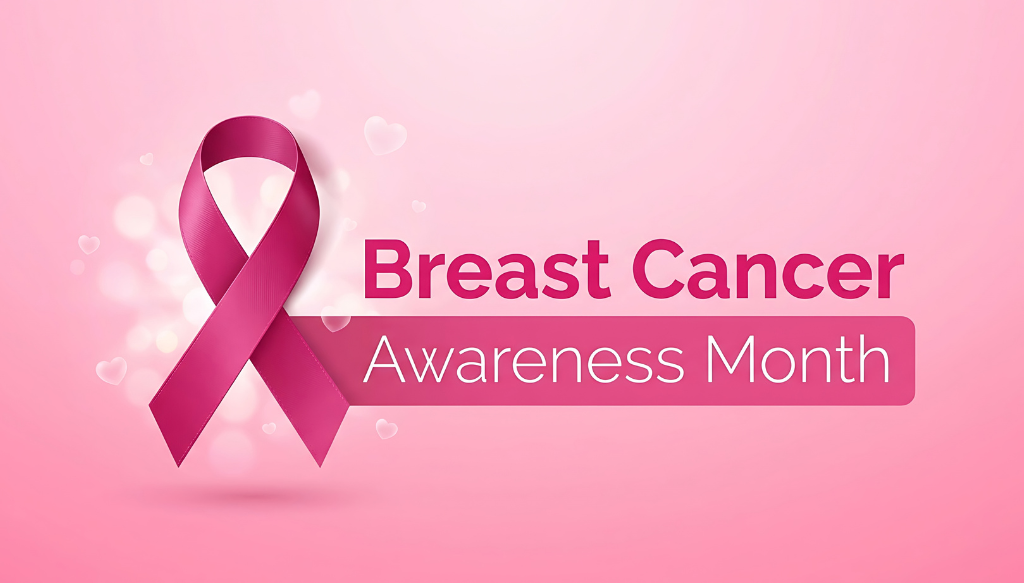
Breast Cancer Awareness Month is observed every year throughout the month of October. It is a global opportunity to raise awareness about breast cancer, encourage understanding of risk factors and warning signs. It also highlights the importance of early detection, timely diagnosis, and access to quality treatment.
Breast Cancer Awareness Month 2026 follows the theme “Every story is unique, every journey matters.” The theme recognizes that every person’s experience with breast cancer is different and highlights the importance of timely diagnosis, quality care, support, and dignity throughout the breast cancer journey.
Breast cancer is the most common cancer among women worldwide. In 2024, an estimated 2.4 million women were diagnosed with breast cancer globally, and approximately 694,000 women died from the disease. Knowing the signs, understanding individual risk, and seeking medical evaluation for unusual breast changes can support earlier diagnosis and timely treatment.
What is Breast Cancer? Types of Breast Cancer
Breast cancer is a disease in which abnormal cells in the breast grow uncontrollably and can form a tumor. Breast cancer can develop in different parts of the breast, most commonly in the milk ducts or milk-producing glands. Some breast cancers can spread to nearby tissues or other parts of the body.
Breast cancer can differ in its biological characteristics, growth patterns, and response to treatment. Some early breast cancers do not cause noticeable symptoms, which is why recommended screening and awareness of changes in the breasts are important.
Ductal Carcinoma In Situ (DCIS)
DCIS is a non-invasive breast cancer in which abnormal cells are confined to the lining of the milk ducts and have not spread into surrounding breast tissue. Although DCIS is not invasive, it can progress to invasive breast cancer if left untreated.
Invasive Ductal Carcinoma (IDC)
Invasive ductal carcinoma begins in the milk ducts and spreads beyond the duct into surrounding breast tissue. It is the most common type of invasive breast cancer.
Invasive Lobular Carcinoma (ILC)
Invasive lobular carcinoma begins in the lobules, the glands that produce breast milk. It spreads from the lobules into surrounding breast tissue and accounts for a smaller proportion of invasive breast cancers than invasive ductal carcinoma.
Triple-Negative Breast Cancer
Triple-negative breast cancer does not have receptors for estrogen or progesterone and does not have high levels of the HER2 protein. Since it lacks these treatment targets, its management differs from hormone receptor-positive and HER2-positive breast cancers.
HER2-Positive Breast Cancer
HER2-positive breast cancer has higher-than-normal levels of the HER2 protein, which can promote cancer cell growth. Treatment can include therapies specifically designed to target HER2, depending on the stage and other characteristics of the cancer.
Important: Breast cancer prognosis depends on factors such as the type and stage of cancer, tumor characteristics, overall health, and response to treatment.
History of Breast Cancer Awareness Month
Breast Cancer Awareness Month is observed every October to raise awareness about breast cancer, encourage early detection, and promote access to timely diagnosis and treatment. In the United States, the American Cancer Society co-created Breast Cancer Awareness Month in 1985, initially as a week-long campaign focused on educating women about breast cancer screening and routine mammography. It has since developed into a broader awareness movement.
The pink ribbon has become widely associated with breast cancer awareness and is used to represent support for people affected by the disease. Over the years, healthcare organizations, cancer advocacy groups, survivors, and communities have used Breast Cancer Awareness Month to promote education, screening, research, and support.
The awareness movement has helped keep attention on breast cancer risk factors, warning signs, early diagnosis, and access to treatment. The World Health Organization also emphasizes awareness of breast cancer symptoms, timely clinical evaluation, and appropriate screening as important components of early detection.
Why Breast Cancer Awareness Matters
Breast cancer is the most common cancer among women globally. In 2024, an estimated 2.4 million women were diagnosed with breast cancer worldwide, and approximately 6,94,000 died from the disease.
Early diagnosis can improve treatment options and outcomes. WHO identifies early diagnosis and screening as two key components of early detection, while its 2026 global survival estimates show substantial differences in breast cancer survival between regions and countries. Stage at diagnosis is an important factor associated with long-term survival.
Awareness Encourages Early Detection
Knowing how the breasts normally look and feel can help women notice unusual changes and seek medical advice promptly. Changes such as a new lump, thickening, changes in breast shape or size, nipple changes, or unusual discharge should be evaluated by a healthcare professional.
Screening Can Detect Breast Cancer Early
Mammography can detect some breast cancers before they cause noticeable symptoms. Screening recommendations vary according to age, personal risk, family history, and national guidelines, so women should discuss an appropriate screening schedule with their healthcare provider.
Awareness Can Help Address Screening Barriers
Lack of access, cost, limited health information, and concerns about screening can contribute to delays in detection and care. Increasing awareness and improving access to appropriate screening and diagnostic services can help reduce these barriers.
Breast Cancer Awareness Month, therefore, provides an opportunity to encourage informed conversations about breast health, screening, early diagnosis, and timely treatment.
Breast Cancer Symptoms and Early Signs
Early-stage breast cancer can occur without noticeable symptoms, which is why recommended screening and awareness of breast changes are important. When symptoms occur, they can vary depending on the type and stage of breast cancer. Any new or unusual breast change should be evaluated by a healthcare professional.
Breast Lumps or Masses
A new lump or thickened area in the breast or underarm can be a sign of breast cancer. A lump that feels hard, irregular, or different from the surrounding breast tissue should be medically evaluated.
Nipple Changes
Changes such as newly inverted nipples, unusual nipple discharge, particularly bloody discharge, or persistent changes around the nipple can require medical evaluation.
Skin Changes
Breast cancer can cause changes such as dimpling, redness, swelling, thickening, or a change in the texture of the breast skin.
Changes in Breast Size or Shape
An unexplained change in the size, shape, or appearance of one breast can be a potential warning sign and should be evaluated.
Underarm Swelling
A lump or swelling in the underarm can occur when lymph nodes become enlarged. While this can have several causes, persistent or unexplained swelling should be assessed by a healthcare professional.
Breast Pain or Tenderness
Breast pain is common and is often caused by conditions other than cancer. Persistent or unexplained pain, particularly when associated with other breast changes, should be evaluated.
Important: Many breast lumps and other breast changes are benign and do not indicate cancer. However, any new, persistent, or unusual change should be assessed by a gynaecologist near you to determine its cause.
Breast Cancer Risk Factors
Several factors can increase the risk of developing breast cancer. Having one or more risk factors does not mean that a person will develop breast cancer, and some women develop breast cancer without any known risk factors.
Age
The risk of breast cancer increases with age. Most breast cancers are diagnosed in women aged 50 and older.
Family History
Having a close relative with breast cancer can increase risk, particularly when several close relatives are affected or when breast cancer occurs at a younger age. Inherited changes in genes such as BRCA1 and BRCA2 can significantly increase breast cancer risk.
Personal History
A previous diagnosis of breast cancer can increase the risk of developing cancer in the other breast or developing another breast cancer.
Hormonal Factors
Factors that increase lifetime exposure to estrogen and other hormones can influence breast cancer risk. These can include early menstruation, later menopause, certain types of menopausal hormone therapy, and some hormonal contraceptives.
Obesity and Excess Body Weight
Being overweight or having obesity, particularly after menopause, can increase breast cancer risk. Maintaining a healthy weight can help reduce this risk.
Alcohol and Physical Inactivity
Regular alcohol consumption is associated with an increased risk of breast cancer. Physical inactivity can also contribute to breast cancer risk, while regular physical activity can help lower risk.
Previous Chest Radiation and Dense Breast Tissue
Radiation treatment to the chest, particularly at a young age, can increase breast cancer risk. Dense breast tissue is also associated with increased risk and can make some breast cancers more difficult to detect on mammography. Depending on individual risk, a healthcare provider can recommend appropriate screening.
Breast Cancer Screening and Detection
Breast cancer screening aims to detect cancer before symptoms develop, when treatment can be more effective. The appropriate screening approach depends on age, personal risk, family history, and other individual factors.
Mammography
Mammography uses low-intensity X-rays to create detailed images of the breast. Screening mammography is used to look for breast cancer in people without breast symptoms, while diagnostic mammography can be used to evaluate a specific breast concern or an abnormal screening result.
Ultrasound
Breast ultrasound uses sound waves to produce images of the breast tissue. It can help distinguish fluid-filled cysts from solid masses and can be used as an additional imaging test when clinically appropriate. It can be particularly useful in evaluating dense breast tissue.
MRI (Magnetic Resonance Imaging)
Breast MRI uses magnetic fields and radio waves to produce detailed images of the breast. It can be recommended for women with a high risk of breast cancer or when additional imaging is needed to evaluate a specific finding.
Clinical Breast Examination
A healthcare professional examines the breast, nipple, and underarm area for lumps, thickening, swelling, or other changes. Clinical examination can be part of an evaluation when breast symptoms or concerns are present.
Breast Self-Awareness
Women should be familiar with the usual appearance and feel of their breasts and report any new or unusual changes to a healthcare professional. Breast self-awareness is not a substitute for recommended mammography or other screening tests.
Recommended Screening Schedule
Breast cancer screening recommendations vary according to age, personal risk, family history, and the screening guidelines followed in a particular country. Women should discuss when to begin screening and how frequently to undergo mammography with their healthcare provider. Women at higher risk can require earlier or additional screening, such as breast MRI.
Breast Cancer Treatment
Breast cancer treatment depends on the type, stage, tumor characteristics, receptor status, and individual health factors. Treatment plans are personalized and can involve one or more approaches.
Surgery
Surgery can include lumpectomy, which removes the tumor along with some surrounding tissue, or mastectomy, which removes the entire breast. Sentinel lymph node biopsy or axillary lymph node dissection can be performed to assess whether cancer has spread to nearby lymph nodes.
Radiation Therapy
Radiation therapy uses high-energy radiation to destroy cancer cells. It can be recommended after surgery to reduce the risk of cancer returning in the treated area.
Chemotherapy
Chemotherapy uses medicines to destroy cancer cells or slow their growth. It can be given before surgery to shrink a tumor or after surgery to destroy cancer cells that could remain in the body.
Hormone Therapy
For hormone receptor-positive breast cancers, hormone therapy can block or reduce the effects of estrogen or progesterone on cancer cells, helping slow their growth and reduce the risk of recurrence.
Targeted Therapy
Targeted therapies act on specific characteristics of cancer cells. For example, HER2-targeted medicines can be used to treat certain HER2-positive breast cancers.
Immunotherapy
Immunotherapy uses medicines that help the immune system recognize and attack cancer cells. It can be recommended for certain breast cancer types, including some triple-negative breast cancers.
Breast Cancer Awareness Month: How You Can Participate
Learn About Breast Cancer
Learn about breast cancer risk factors, screening recommendations, warning signs, and available treatment options. Sharing accurate information with family and friends can encourage informed conversations about breast health.
Schedule Recommended Screening
If you are due for breast cancer screening, speak with your healthcare provider about the screening schedule appropriate for your age, personal risk, and family history.
Encourage Others to Prioritize Breast Health
Encourage family members and friends to learn about breast cancer screening and discuss their individual screening needs with a healthcare professional.
Practice Breast Self-Awareness
Become familiar with the usual appearance and feel of your breasts. Report any new or unusual changes, such as a lump, nipple change, skin change, or unusual discharge, to a healthcare provider.
Support People Affected by Breast Cancer
Offer practical and emotional support to people undergoing breast cancer treatment and survivors. This can include accompanying someone to appointments, helping with daily tasks, or simply being available to listen.
Participate in Awareness Activities
Healthcare organizations, community groups, and cancer support organizations can conduct Breast Cancer Awareness Month activities. Participating in educational programs and community initiatives can help spread accurate information and support breast cancer awareness efforts.
Share Your Story
People with personal experience of breast cancer can choose to share their stories and experiences. Personal stories can help others understand the importance of awareness, timely evaluation, treatment, and support.
Breast Cancer Treatment Cost in Chandigarh at Healing Hospital
The cost of breast cancer treatment in Chandigarh can vary significantly depending on the type and stage of cancer, diagnostic tests, treatment approach, medicines, surgery, hospitalization, and duration of care. Since every treatment plan is different, an exact cost can be provided after clinical evaluation and treatment planning.
At Healing Hospital, our gynaecologists in Chandigarh and multidisciplinary cancer care team can develop an individualized treatment plan based on the type and stage of breast cancer, tumor characteristics, overall health, and treatment requirements. Depending on the diagnosis, treatment can include surgical consultation, chemotherapy, radiation therapy, targeted therapy, hormone therapy, and supportive care.
Patients and families can receive guidance regarding the recommended treatment, follow-up requirements, and associated costs. The final estimate can vary based on the procedures, medicines, investigations, and hospital stay required for individual care.
For information about breast cancer treatment cost in Chandigarh, contact +91-84272 43434or visit Healing Hospital.
Conclusion
Breast Cancer Awareness Month 2026 in October provides an opportunity to raise awareness about breast cancer, emphasize the importance of screening and early detection, and support those affected by this disease.
Breast cancer is highly treatable when detected early. Screening programs, awareness of symptoms, and prompt medical evaluation save lives. With advances in treatment and improved screening methods, survival rates continue to improve.
On Breast Cancer Awareness Month 2026, prioritize your breast health, encourage screening in your community, and support those navigating breast cancer treatment and recovery.
Frequently Asked Questions
Q. What is Breast Cancer Awareness Month?
Breast Cancer Awareness Month is observed every October to raise awareness about breast cancer, encourage appropriate screening and early detection, and support people affected by the disease.
Q. When should I start breast cancer screening near me?
The recommended age to begin screening depends on your age, personal risk, family history, and applicable screening guidelines. Women at average risk can discuss when to begin mammography with their healthcare provider, while women at higher risk can require earlier or additional screening.
Q. How often should I get a mammogram near me?
Mammography frequency depends on your age, breast cancer risk, family history, and previous screening results. A healthcare provider can recommend an appropriate screening schedule based on your individual risk.
Q. What are the early signs of breast cancer?
Early breast cancer can cause no noticeable symptoms. Possible warning signs include a new breast lump, thickening, changes in breast size or shape, nipple inversion or unusual discharge, skin dimpling, redness, swelling, or a persistent change in the breast or underarm area.
Q. Is every breast lump a sign of cancer?
No. Many breast lumps are benign, including cysts and fibroadenomas. However, any new, persistent, or unusual lump should be evaluated by a healthcare professional.
Q. Can breast cancer be prevented?
Some breast cancer risk can be reduced by maintaining a healthy weight, staying physically active, limiting alcohol consumption, and discussing hormonal medicines with a healthcare provider. People with inherited genetic risk can discuss enhanced screening and risk-reducing options with a specialist.
Q. Which doctor should I consult for breast cancer near me?
A breast surgeon, surgical oncologist, medical oncologist, or other appropriate cancer specialist can evaluate breast cancer concerns. The right specialist depends on the symptoms, diagnosis, and treatment requirements.
Q. What tests are used to diagnose breast cancer near me?
Evaluation can include a clinical breast examination, mammography, breast ultrasound, or breast MRI. If imaging identifies a suspicious area, a biopsy can be recommended to confirm whether cancer is present.
Q. What are the breast cancer treatment options near me?
Treatment depends on the cancer type, stage, receptor status, tumor characteristics, and overall health. Options can include surgery, radiation therapy, chemotherapy, hormone therapy, targeted therapy, and immunotherapy.
Q. How much does breast cancer treatment cost near me in Chandigarh?
Breast cancer treatment costs vary according to the cancer type and stage, treatment approach, medicines, surgery, hospitalization, diagnostic tests, and duration of care. A personalized estimate can be provided after clinical evaluation and treatment planning.
Q. Where can I find breast cancer screening near me in Chandigarh?
Breast cancer screening in Chandigarh can include mammography and other breast imaging based on individual risk and clinical needs. Healing Hospital provides breast cancer evaluation and screening services. Contact +91-84272 43434 for appointments.
Q. Where can I get breast cancer treatment near me in Chandigarh?
Healing Hospital in Chandigarh provides breast cancer evaluation, diagnosis, treatment planning, and ongoing cancer care. Treatment can be individualized according to the patient’s diagnosis and healthcare needs. Contact +91-84272 43434 or visit Healing Hospital.