World Stroke Day 2026: Know the Signs, Act FAST, and Reduce Your Risk
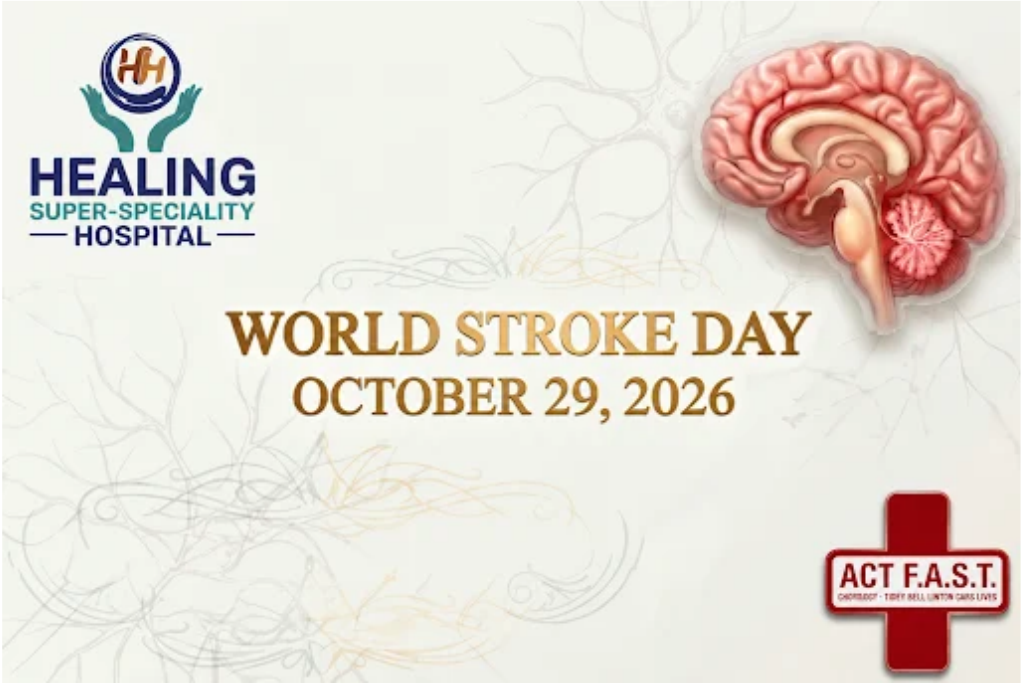
Stroke is a medical emergency that occurs when the blood supply to part of the brain is interrupted or when a blood vessel in the brain ruptures. It can cause lasting disability or death, making early recognition and timely medical treatment essential. Knowing the warning signs of a stroke and seeking emergency care without delay can help reduce brain damage and improve outcomes.
Observed every year on 29 October, World Stroke Day raises awareness about stroke prevention, early recognition, and access to timely treatment. It highlights the importance of understanding stroke risk factors, adopting healthier lifestyle habits, and ensuring that people experiencing stroke symptoms receive urgent medical attention.
This article explores what a stroke is, its types, causes, risk factors, warning signs, diagnosis, treatment, and prevention. It also explains what to do if someone experiences stroke symptoms and how World Stroke Day 2026 can encourage greater awareness and action to reduce the impact of stroke.
What is a Stroke?
A stroke occurs when the blood supply to part of the brain is blocked or when a blood vessel in the brain bursts. The brain needs a constant supply of blood to receive oxygen and nutrients. When this supply is interrupted, brain cells begin to get damaged within minutes.
The effects of a stroke depend on which part of the brain is affected and how severe the damage is. A stroke can affect movement, speech, vision, balance, memory, and swallowing. While some people recover well, others may experience long-term disability. Early medical treatment can help limit brain damage and improve recovery.
A stroke is different from a heart attack, although both involve problems with blood flow. A stroke affects the brain, while a heart attack affects the heart. Both are medical emergencies that require immediate treatment.
What are the Types of Stroke?
A stroke is classified into different types based on what interrupts blood flow to the brain. The main types include ischemic stroke and hemorrhagic stroke. A transient ischemic attack (TIA) is a related condition that causes temporary stroke-like symptoms and serves as an important warning sign of a possible future stroke.
1. Ischemic Stroke
An ischemic stroke occurs when a blood clot or blockage prevents blood from reaching part of the brain. It is the most common type of stroke. The blockage can develop when a clot forms in a blood vessel supplying the brain or travels to the brain from another part of the body. Without sufficient blood flow, brain cells begin to suffer damage.
2. Hemorrhagic Stroke
A hemorrhagic stroke occurs when a blood vessel in the brain ruptures and bleeds into or around the brain. The bleeding can damage brain cells and increase pressure inside the skull. High blood pressure and weakened blood vessels are among the factors that can contribute to this type of stroke.
3. Transient Ischemic Attack (TIA)
A transient ischemic attack, often called a mini-stroke, occurs when blood flow to part of the brain is temporarily blocked. The symptoms can resemble those of a stroke but resolve without long-lasting effects. However, a TIA is a serious warning sign of a possible future
stroke and requires urgent medical assessment, even if the symptoms disappear.
How Does a Stroke Affect the Brain?
A stroke can affect different brain functions depending on the location and extent of the injury. It can affect the following aspects:-
- Movement and balance: Damage to areas controlling movement can cause weakness or paralysis, often on one side of the body. It can also affect balance and coordination.
- Speech and communication: A stroke can make it difficult to speak, understand language, read, or write.
- Memory and thinking: Some people experience problems with memory, concentration, decision-making, or problem-solving.
- Vision: A stroke can cause blurred vision, double vision, or loss of vision in part or all of the visual field.
- Difficulty swallowing: Damage to the brain areas involved in swallowing can make eating and drinking difficult and increase the risk of food or liquid entering the airway.
- Emotions and behaviour: A stroke can lead to mood changes, anxiety, depression, or difficulty controlling emotions.
Note: In such cases, physiotherapy & rehabilitation can support recovery of movement, communication, and other affected functions
History of World Stroke Day
World Stroke Day was established by the World Stroke Organization (WSO) in 2006, following the merger of the International Stroke Society and the World Stroke Federation. Since its inception, the campaign has focused on raising awareness about stroke prevention, recognising warning signs, and improving access to timely treatment and care.
In 2010, the WSO declared stroke a public health emergency, strengthening its efforts to address the growing impact of stroke worldwide. The World Stroke Campaign has since continued to promote public awareness, advocate for better stroke care policies, and support education for healthcare professionals through initiatives such as the World Stroke Academy, an online learning platform.
In 2026, the World Stroke Campaign marks its 20th anniversary, highlighting two decades of efforts to improve stroke awareness and care. To commemorate this milestone, the WSO plans to recognise 20 stroke survivors and caregivers whose contributions have helped improve awareness, healthcare services, policies, and community support.
World Stroke Day 2026: Significance and Importance
Observed on 29 October every year, World Stroke Day raises awareness about the seriousness of stroke, the importance of prevention and early recognition, and the need for timely treatment and support for survivors. In 2026, the World Stroke Organization (WSO) campaign emphasises recognising stroke warning signs and seeking emergency medical care without delay. Its message,Every Minute Counts, reinforces the importance of acting quickly, while #ActFASTencourages people to recognise symptoms and respond immediately.
The global burden of stroke highlights why awareness is essential. According to the WSO Global Stroke Fact Sheet 2025, the number of new strokes increased by 70% between 1990 and 2021, while the global economic cost of stroke exceeds US$890 billion. Approximately 87% of stroke-related deaths occur in low-income and lower-middle-income countries. The report also estimates that nearly 12 million people experience a new stroke each year and that one in four adults over the age of 25 will experience a stroke during their lifetime.
Stroke can affect people of all ages, not just older adults. The same report indicates that approximately 53% of new strokes occur in people under 70, while around 15% affect people aged 15–49. These figures highlight the importance of understanding stroke risk factors, recognising symptoms early, and seeking immediate medical attention.
India also faces a significant stroke burden. The Indian Council of Medical Research (ICMR), through its National Centre for Disease Informatics and Research, identifies stroke as the third leading cause of death and the sixth leading cause of disability in the country. An analysis of Global Burden of Disease 2023 data by neurologists at the All India Institute of Medical Sciences (AIIMS), New Delhi, identified high systolic blood pressure as the leading risk factor for stroke deaths in India. Dietary risks, air pollution, tobacco use, and high body weight also contribute to the burden.
Important: World Stroke Day serves as an important reminder that stroke prevention, early recognition, and prompt medical care can save lives and reduce long-term disability. At Healing Hospital in Chandigarh, we understand the importance of timely evaluation and appropriate stroke care. Learn more about Stroke Treatment at Healing Hospital and explore information about stroke management and available treatment options.
Stroke Symptoms and Signs
Stroke symptoms usually appear suddenly. The main signs are easy to remember using the acronym ‘FAST’.
1. The FAST Signs
- Face: One side of the face droops, or the person’s smile looks uneven.
- Arms: One arm feels weak or numb, or the person cannot raise both arms evenly.
- Speech: Speech becomes slurred or unclear, or the person has difficulty speaking or understanding others.
- Time: Call emergency services immediately if you notice any of these signs. Every minute counts during a stroke.
2. Other Warning Signs
FAST helps identify common stroke symptoms, but some strokes can cause other sudden changes. These can include loss of balance or coordination, vision problems such as blurred or double vision, dizziness, confusion, difficulty swallowing, numbness or weakness on one side of the body, and a sudden, severe headache.
The “BE FAST” approach also includes Balance and Eyes to help people recognise additional warning signs:
- B – Balance: Sudden loss of balance or coordination.
- E – Eyes: Sudden changes in vision.
- F – Face: Drooping on one side of the face.
- A – Arms: Weakness or numbness in one arm.
- S – Speech: Slurred speech or difficulty understanding others.
- T – Time: Call emergency services immediately.
3. Symptoms That Disappear Quickly
Sometimes, stroke-like symptoms disappear within minutes or hours. This may indicate a transient ischemic attack (TIA), also known as a mini-stroke. A TIA can be a warning sign of a future stroke and requires urgent medical assessment, even if the symptoms have completely disappeared.
4. Wake-Up Stroke
A wake-up stroke occurs when a person wakes up with stroke symptoms that were not present before going to sleep. In such cases, neurologists need to know when the person was last seen well without symptoms. This information can help determine which treatments may be appropriate.
Stroke Risk Factors
Anyone can have a stroke, but certain factors can increase the risk. Some, such as age and family history, cannot be changed. However, many risk factors can be managed through lifestyle changes, regular health check-ups, and appropriate medical treatment.
1. High Blood Pressure
High blood pressure is one of the most important risk factors for stroke and is a leading contributor to stroke deaths in India. Over time, it can damage blood vessels and increase the risk of blockages or bleeding in the brain.
2. Diabetes and High Cholesterol
High blood sugar can damage blood vessels over time, while high cholesterol can contribute to plaque buildup in the arteries. These changes can narrow blood vessels and increase the risk of a blood clot blocking blood flow to the brain.
3. Tobacco Use
Smoking and chewing tobacco can damage blood vessels, raise blood pressure, and increase the risk of blood clots. Avoiding tobacco and quitting its use can help reduce stroke risk.
4. Unhealthy Diet and Excess Weight
A diet high in salt, saturated fats, and heavily processed foods can contribute to high blood pressure, high cholesterol, and excess body weight. These conditions increase stroke risk. The Indian Council of Medical Research (ICMR) & National Institute of Nutrition recommends limiting salt intake to less than 5 grams per day for adults.
5. Physical Inactivity
A lack of regular physical activity can contribute to high blood pressure, excess weight, and poor blood sugar control. Regular exercise, such as brisk walking, can help manage these risk factors and support cardiovascular health.
6. Air Pollution
Long-term exposure to air pollution is associated with an increased risk of stroke. Polluted air can contribute to inflammation and damage to blood vessels, increasing the risk of cardiovascular problems.
7. Heart Conditions
Certain heart conditions, particularly atrial fibrillation (an irregular heartbeat), can cause blood clots to form in the heart. These clots may travel to the brain and block blood flow, causing an ischemic stroke. Medical evaluation and appropriate treatment can help reduce this risk.
8. Age, Family History, and Previous Stroke
Stroke risk generally increases with age. Having a family history of stroke may also increase risk, while a previous stroke or transient ischemic attack (TIA) raises the likelihood of another stroke. Although these factors cannot be changed, managing other risk factors can help lower the overall risk.
Stroke Prevention, Emergency Response, and Diagnosis
Many strokes can be prevented by managing risk factors and adopting healthier lifestyle habits. According to the World Stroke Organization (WSO), metabolic risk factors such as high blood pressure, high blood sugar, and high cholesterol contribute substantially to the global stroke burden. Managing these conditions, along with addressing behavioural risks such as tobacco use, unhealthy diet, and physical inactivity, can help reduce stroke risk.
1. Control Your Blood Pressure
Check your blood pressure regularly, even if you feel well. If you have high blood pressure, follow your doctor’s advice, take prescribed anti-hypertensive consistently, and make recommended lifestyle changes.
2. Manage Diabetes and Cholesterol
Keep your blood sugar and cholesterol levels within the ranges recommended by your doctor. Attend regular check-ups, follow your treatment plan, and take prescribed medicines as directed.
3. Eat Well and Stay Active
Include plenty of vegetables, fruits, pulses, and whole grains in your diet. Limit salt, sugary drinks, and foods high in unhealthy fats. Aim for regular physical activity suited to your age and health condition. A dietitian can help you develop a balanced eating plan.
4. Stop Tobacco and Limit Alcohol
Avoid smoking and tobacco use in all forms, as they increase the risk of stroke. Avoiding alcohol is the safest option for health; if you drink, discuss the risks with your doctor, particularly if you have other stroke risk factors.
Stroke Emergency Response: Act FAST in an Emergency
A stroke requires immediate medical attention. If you notice sudden facial drooping, arm weakness, speech difficulties, or other possible stroke symptoms, take the following steps:
- Call emergency services immediately. In India, dial 112 or contact your local ambulance service.
- Note the time. Record when symptoms began or when the person was last known to be well.
- Keep the person safe and comfortable. Stay with them and monitor their condition while waiting for medical help.
- Do not give food, drinks, or medicines, including aspirin, unless directed by a medical professional. Swallowing may be impaired, and aspirin can be harmful in certain types of stroke.
- Seek emergency hospital care. Prompt brain imaging and appropriate treatment are essential to determine the type of stroke and guide further care.
Never wait for symptoms to disappear, even if the person begins to feel better.
Stroke Diagnosis
Stroke diagnosis involves identifying the type of stroke, determining which part of the brain is affected, and assessing the extent of the damage. Since stroke symptoms can resemble those of other medical conditions, doctors use a combination of medical history, physical examination, and diagnostic tests to confirm the diagnosis.
1. Medical History and Physical Examination
The doctor asks about the symptoms, when they started, existing medical conditions, and any medicines the person takes. A neurological examination helps assess muscle strength, speech, vision, coordination, balance, and awareness.
2. CT Scan of the Brain
A computed tomography (CT) scan is often performed urgently to identify bleeding in the brain and help distinguish a hemorrhagic stroke from an ischemic stroke. This information is important when deciding which treatments may be appropriate.
3. MRI of the Brain
Magnetic resonance imaging (MRI) uses magnetic fields and radio waves to produce detailed images of the brain. It can help detect areas of brain injury, including some early strokes that may not be clearly visible on a CT scan.
4. Blood Tests
Blood tests may be used to check blood sugar, blood cell counts, clotting function, and other factors that can influence diagnosis and treatment. These tests help doctors assess the patient’s condition and rule out certain conditions that may mimic stroke symptoms.
5. Blood Vessel and Heart Tests
Depending on the situation, doctors may recommend CT angiography, MR angiography, or ultrasound to assess blood vessels supplying the brain. An electrocardiogram (ECG) and other heart tests may also be performed to identify conditions such as atrial fibrillation that can increase the risk of stroke.
Stroke Treatment, Rehabilitation, and Long-Term Care
Timely diagnosis, appropriate treatment, and ongoing rehabilitation are important parts of stroke care. At Healing Hospital, Chandigarh, the Neurology and Neurosurgery departments focus on the evaluation and management of neurological conditions.
Stroke treatment depends on the type of stroke, the extent of brain damage, and how quickly the person receives medical care.
1. Clot-Busting Treatment (Thrombolysis)
For an ischemic stroke caused by a blood clot, doctors may use clot-dissolving medicines, a treatment known as thrombolysis. These medicines are generally given within 4.5 hours of symptom onset in eligible patients. The sooner treatment begins, the better the chances of limiting brain damage. A brain scan and medical assessment are necessary to determine whether this treatment is appropriate.
2. Clot Removal (Mechanical Thrombectomy)
Mechanical thrombectomy is a procedure used to remove a clot blocking a large blood vessel in the brain. Doctors guide a thin tube called a catheter through a blood vessel to reach and remove the clot. The procedure is most effective when performed as early as possible. Selected patients may benefit from thrombectomy up to 24 hours after they were last known to be well, depending on brain imaging and clinical findings.
3. Treatment of Hemorrhagic Stroke
Treatment for a hemorrhagic stroke focuses on controlling the bleeding, managing blood pressure, and reducing pressure inside the skull. Doctors may adjust or reverse blood-thinning medicines when appropriate. In some cases, surgery or other procedures may be needed to repair a damaged blood vessel or relieve pressure on the brain. Treatment depends on the location and severity of the bleeding.
4. Preventing a Second Stroke
After a stroke, doctors develop a prevention plan based on its cause and the person’s individual risk factors. This may include medicines to control blood pressure, cholesterol, or diabetes, as well as antiplatelet or anticoagulant medicines when indicated. Lifestyle changes, including a balanced diet, regular physical activity, and avoiding tobacco, can also help reduce the risk of another stroke. Take prescribed medicines as directed and attend regular follow-up appointments.
5. Stroke Rehabilitation
Rehabilitation helps people regain abilities affected by a stroke and improve their independence. It may begin once the person’s medical condition is stable and the care team considers it safe. Depending on individual needs, rehabilitation can include:
- Physiotherapy: Helps improve movement, muscle strength, balance, and coordination.
- Occupational therapy: Helps people relearn everyday activities, such as dressing, bathing, and eating.
- Speech and language therapy: Supports recovery of communication skills and helps address swallowing difficulties.
- Nutritional support: Helps ensure adequate nutrition and safe eating and drinking.
The rehabilitation plan is tailored to each person’s condition, abilities, and recovery goals.
6. Emotional Support and Long-Term Care
Stroke recovery can affect emotional well-being, with some people experiencing anxiety, depression, or changes in behaviour. At Healing Hospital, Chandigarh, the psychiatrists at our Psychiatry Department can help address these emotional and mental health challenges, supporting patients and their families throughout the recovery journey.
World Stroke Day 2026: How You Can Participate
You do not need a large event to make a difference. Small actions can save lives.
1. Learn about the ‘FAST’ Signs
Learn the signs and teach them to your family, neighbours, and colleagues. Practise what you would do in an emergency.
2. Check Your Blood Pressure
Take a blood pressure reading this week. If you have not checked in a while, visit a doctor for a check of your blood pressure, blood sugar, and cholesterol.
3. Support Older Family Members
Help older relatives take their medicines on time and attend their review visits.
4. Share Reliable Information
Share facts from trusted sources such as the World Stroke Organization and the Indian Council of Medical Research. Correct myths gently.
5. Use the WSO Campaign Resources
The WSO offers a free toolkit for World Stroke Day 2026. It includes posters, social media posts, symptom stickers, short videos, and an online Stroke Spotter quiz. Resources are available in several languages, including Hindi.
6. Support Stroke Survivors
Treat survivors with dignity and patience. Offer practical help, and encourage them to continue their rehabilitation.
7. Raise Awareness Online
Share verified stroke facts on social media on 29 October. Use the hashtags #WorldStrokeDay and #ActFAST.
Conclusion
A stroke can have a life-changing impact on individuals and their families. However, managing risk factors, recognising warning signs, and seeking timely medical care can make a significant difference to outcomes. Understanding the importance of stroke prevention and early treatment is essential to protecting brain health and reducing the risk of long-term disability.
This World Stroke Day 2026, take a step towards protecting your brain health and encourage your loved ones to do the same. Whether you need guidance on stroke prevention, blood pressure management, or recovery after a stroke, the Neurosciences department at Healing Hospital in Chandigarh is here to help. Book a consultation today and take an informed step towards better health. You can book an appointment through our website or walk in directly at the front desk.
If you or someone near you experiences stroke symptoms, seek emergency medical care immediately. Do not delay medical intervention.
Frequently Asked Questions
Q. What is World Stroke Day?
World Stroke Day is observed every year on 29 October to raise awareness about stroke prevention, early recognition, treatment, and recovery. It is led by the World Stroke Organization (WSO).
Q. What is the World Stroke Day 2026 campaign message?
The 2026 campaign highlights the importance of recognising stroke symptoms and seeking emergency medical care without delay. Its message is Every Minute Counts, with the call to action #ActFAST.
Q. What are the main types of stroke?
The two main types are ischemic stroke, caused by a blockage in a blood vessel supplying the brain, and hemorrhagic stroke, caused by bleeding in or around the brain. A transient ischemic attack (TIA), or mini-stroke, causes temporary stroke-like symptoms and requires urgent medical assessment.
Q. How quickly must a stroke be treated?
Stroke treatment should begin as soon as possible. Clot-dissolving medicines can be suitable for eligible patients within 4.5 hours of symptom onset, while mechanical thrombectomy may benefit selected patients up to 24 hours after they were last known to be well. Eligibility depends on clinical assessment and brain imaging.
Q. Can a stroke be prevented?
Many strokes can be prevented by managing blood pressure, blood sugar, and cholesterol; eating a balanced diet; staying physically active; avoiding tobacco; and maintaining a healthy weight. Regular health check-ups can help identify and manage risk factors.
Q. Can young adults have a stroke?
Yes. Although stroke risk generally increases with age, young adults can also experience a stroke. Recognising warning signs and managing risk factors are important at every age.
Q. How is a stroke diagnosed?
Doctors assess symptoms, medical history, and neurological function. Brain imaging, usually a CT scan or MRI, helps identify the type of stroke. Blood tests, heart tests, and blood vessel imaging may also be required.
Q. What is the link between high blood pressure and stroke?
High blood pressure is a major risk factor for stroke. It can damage blood vessels over time and increase the risk of both blocked and ruptured blood vessels. Regular monitoring and appropriate treatment can help reduce this risk.
Q. Which department treats stroke at Healing Hospital, Chandigarh?
Stroke care involves neurologists and neurosurgeons, depending on the type and severity of the stroke. Visit the Stroke Treatment page at Healing Hospital to learn more about stroke management and available treatment options.
Q. Where can I consult a doctor for stroke-related concerns in Chandigarh?
For information about consultations and available services, contact Neurosciences department at Healing Hospital, Sector-34 A, Chandigarh, at +91-9607343434 or 7986115995. If you or someone else has sudden stroke symptoms, call emergency services at +91-9464343434 immediately rather than waiting for an appointment.
Q. How much does stroke treatment cost in Chandigarh?
The cost depends on the type and severity of the stroke, diagnostic tests, medicines, procedures, hospital stay, and rehabilitation needs. Contact Healing Hospital at 9607343434 or 7986115995 for information about available services and consultation fees.
Q. How can I participate in World Stroke Day 2026?
You can participate by learning the FAST warning signs, checking your blood pressure, sharing reliable information about stroke prevention, and supporting stroke survivors and caregivers. You can also follow the World Stroke Organization’s official campaign resources and share awareness messages using relevant hashtags such as #WorldStrokeDay and #ActFAST.