World Lymphoma Awareness Day: Know the Signs
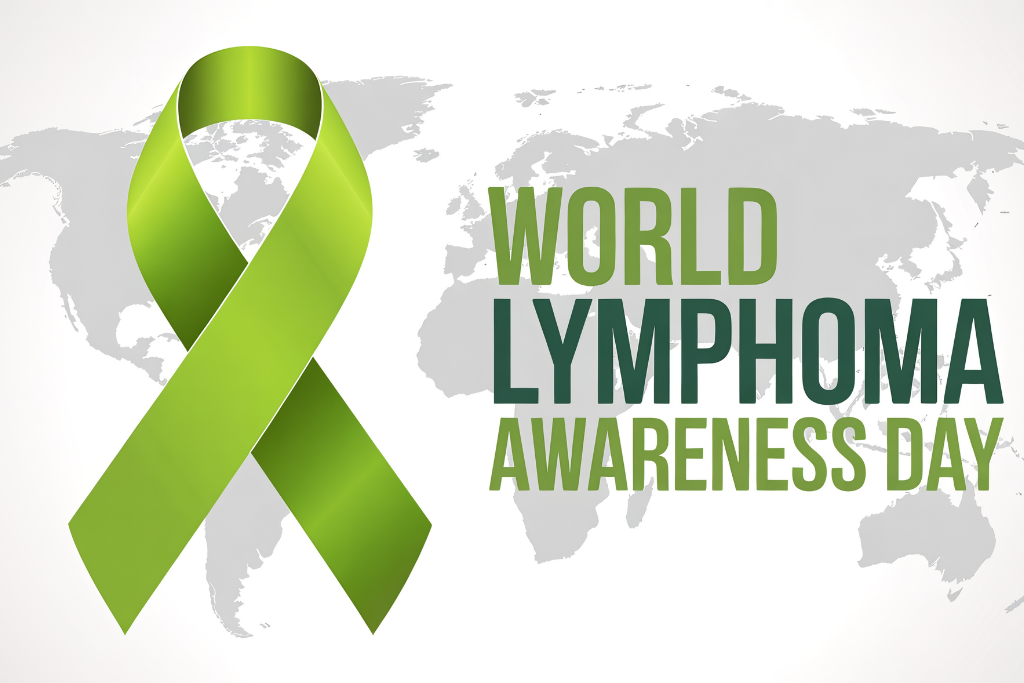
World Lymphoma Awareness Day is observed every year on 15 September to increase awareness about lymphoma, a group of cancers affecting the lymphatic system. The day provides an opportunity to encourage people to understand potential warning signs, learn about diagnosis and treatment, and support individuals and families affected by lymphoma.
Lymphoma can affect people in different ways, and symptoms may sometimes resemble those of less serious conditions. Greater awareness can encourage people to discuss persistent or unusual symptoms with a healthcare professional instead of ignoring them.
The 2026 World Lymphoma Awareness Day campaign focuses on “Navigating Lymphoma and CLL Together”, highlighting the challenges people may experience during diagnosis, treatment, survivorship and beyond.
What Is Lymphoma?
Lymphoma is a type of cancer that begins in cells of the lymphatic system. The lymphatic system forms an important part of the body’s immune system and includes lymph nodes, lymphatic vessels and other lymphatic tissues.
There are many types and subtypes of lymphoma, and they can behave differently. Broadly, lymphoma is classified into Hodgkin lymphoma and non-Hodgkin lymphoma, with several distinct subtypes within these categories.
Because lymphoma is not one single disease, diagnosis and treatment depend on the specific type, stage and individual health circumstances.
When Is World Lymphoma Awareness Day?
World Lymphoma Awareness Day is observed on 15 September every year. It is a global initiative hosted by the Lymphoma Coalition and has been observed since 2004. The day was established to increase awareness about lymphoma, including symptom recognition, diagnosis and treatment.
In 2026, World Lymphoma Awareness Day falls on Tuesday, 15 September. The year’s campaign, Navigating Lymphoma and CLL Together, focuses on helping people affected by lymphoma and CLL navigate the challenges associated with diagnosis, treatment and life beyond cancer.
Why Is World Lymphoma Awareness Day Important?
Awareness is important because people may not always recognise persistent symptoms as potential signs of lymphoma. Enlarged lymph nodes, unexplained fever, night sweats or ongoing fatigue can have many possible causes, but persistent or unexplained symptoms should be discussed with a healthcare professional.
The day also highlights the importance of reliable information and support throughout a person’s healthcare journey. Lymphoma Coalition’s 2026 campaign specifically recognises the role of patient organisations in providing information, practical support, education and compassion.
World Lymphoma Awareness Day is therefore not only about recognising the disease but also about encouraging informed conversations between patients, families and healthcare teams.
What Are the Common Symptoms of Lymphoma?
Lymphoma symptoms can vary depending on the type and location of the disease. Some commonly reported symptoms may include:
Swollen Lymph Nodes
A painless swelling or lump in the neck, armpit or groin can sometimes be associated with lymphoma. However, swollen lymph nodes are also commonly caused by infections and other conditions.
Persistent or unexplained swelling should therefore be evaluated rather than assumed to be lymphoma.
Unexplained Fever
Repeated or unexplained fever can occur with several illnesses. When fever persists or occurs alongside other concerning symptoms, medical evaluation can help determine the underlying cause.
Night Sweats
Some people with lymphoma may experience significant night sweats. Occasional sweating can have many causes, but persistent or unexplained episodes should be discussed with a healthcare professional.
Unexplained Weight Loss
Unintentional weight loss without a clear change in diet or physical activity can have several causes, including medical conditions that require evaluation.
Persistent Fatigue
Ongoing tiredness that does not improve adequately with rest may occur with many health conditions. If fatigue persists or is accompanied by other symptoms, consider discussing it with a doctor.
What Causes Lymphoma?
There is not one single cause of lymphoma. Different lymphoma types can be associated with different genetic, immune, infectious or environmental factors.
Having a risk factor does not mean that a person will develop lymphoma, and people without known risk factors can also develop the disease.
Because the causes and risk factors vary between lymphoma subtypes, a healthcare professional can provide more relevant information after evaluating an individual’s medical history and diagnosis.
How Is Lymphoma Diagnosed?
If lymphoma is suspected, a doctor may begin with a medical history and physical examination. This may include checking lymph nodes and asking about symptoms such as fever, night sweats, fatigue or unexplained weight loss.
Depending on the findings, further investigations may be recommended. These can include blood tests, imaging studies and, when appropriate, a lymph node or other tissue biopsy. A Pathology & Diagnostic Laboratory can play an important role in analysing blood and tissue samples when such testing is recommended by a healthcare professional.
A biopsy can be particularly important because identifying the exact lymphoma subtype helps healthcare professionals determine the most appropriate treatment approach.
What Are the Treatment Options for Lymphoma?
Lymphoma treatment depends on factors such as the specific type and subtype, stage, symptoms, overall health and individual circumstances.
Depending on the diagnosis, treatment may involve approaches such as chemotherapy, immunotherapy, targeted therapy, radiation therapy, stem cell transplantation or combinations of different treatments.
Some slow-growing lymphomas may initially be monitored closely rather than treated immediately, while more aggressive forms may require prompt treatment.
Treatment decisions should always be made with an appropriate oncology or haematology team after a confirmed diagnosis.
The Importance of Early Medical Evaluation
Not every swollen lymph node, fever or episode of fatigue indicates lymphoma. Many common infections and other health conditions can cause similar symptoms.
However, persistent, unexplained or progressively worsening symptoms should not be ignored. Seeking medical advice allows a healthcare professional to assess the symptoms and determine whether further testing is necessary.
Early evaluation does not necessarily mean a person has cancer. It simply helps identify the cause and ensures that appropriate care is provided when needed.
How Can You Support World Lymphoma Awareness Day?
There are several meaningful ways individuals and organisations can participate in World Lymphoma Awareness Day.
Share Reliable Information
Use trustworthy healthcare and patient-organisation resources when sharing information about lymphoma. Avoid spreading unverified claims about symptoms, treatments or supposed cures.
Encourage Meaningful Conversations
People living with cancer may face emotional and practical challenges alongside their physical health concerns. Starting supportive conversations can help patients and caregivers feel less isolated.
The 2026 campaign encourages people to recognise shared challenges and participate in the “No Patient Travels Alone Pledge”, which aims to reinforce the importance of support throughout the lymphoma and CLL journey.
Support Patients and Caregivers
Family members and caregivers can provide practical and emotional support by accompanying patients to appointments, helping organise information and respecting individual needs throughout treatment and recovery.
World Lymphoma Awareness Day 2026 Theme
The 2026 World Lymphoma Awareness Day campaign is titled “Navigating Lymphoma and CLL Together.” The campaign focuses on the challenges associated with diagnosis, treatment, survivorship and living beyond cancer.
The campaign also highlights the importance of trusted patient organisations, reliable information and support. Its “No Patient Travels Alone Pledge” encourages people to share experiences and help others affected by lymphoma or CLL feel supported.
This focus reflects the reality that cancer care involves more than medical treatment. Patients and caregivers may also need information, emotional support and help navigating healthcare decisions.
Lymphoma Awareness and the Role of Healthcare Professionals
Healthcare professionals play an important role in helping patients understand symptoms, diagnostic investigations and treatment options.
Doctors can also help distinguish between common causes of symptoms and conditions that may require further investigation. If lymphoma is diagnosed, a multidisciplinary healthcare team may be involved in developing and monitoring the treatment plan.
Patients should feel comfortable asking questions about their diagnosis, investigations, treatment options, expected side effects and follow-up care.
When Should You Consult a Doctor?
You should consider speaking with a healthcare professional if you notice persistent or unexplained symptoms such as a lump or swelling that does not resolve, ongoing fever, significant night sweats, unexplained weight loss or persistent fatigue.
These symptoms are not specific to lymphoma and may have many other causes. However, an appropriate medical assessment can help determine what is causing them.
If symptoms are severe or accompanied by an acute medical emergency, immediate medical attention may be necessary. In such situations, Critical Care & Emergency services can provide urgent evaluation and care.
Do not attempt to diagnose lymphoma based on symptoms alone. A proper diagnosis requires professional evaluation and, when indicated, appropriate testing.
Conclusion
World Lymphoma Awareness Day, observed on 15 September, provides an important opportunity to increase understanding of lymphoma and encourage meaningful conversations about symptoms, diagnosis, treatment and patient support.
Lymphoma includes many different types and subtypes, so symptoms and treatment can vary considerably. Persistent or unexplained symptoms should be evaluated by a qualified healthcare professional rather than being self-diagnosed. The 2026 theme, “Navigating Lymphoma and CLL Together,” also highlights the importance of reliable information and support throughout the healthcare journey.
For individuals concerned about persistent or unexplained symptoms, seeking timely medical advice can help determine whether further evaluation is needed. Healing Hospital can be considered for professional medical consultation and appropriate evaluation based on individual healthcare needs.
Frequently Asked Questions
1. When is World Lymphoma Awareness Day celebrated?
World Lymphoma Awareness Day is observed on 15 September every year. It is a global initiative hosted by Lymphoma Coalition to raise awareness about lymphoma and the challenges faced by people living with the disease.
2. What is the theme of World Lymphoma Awareness Day 2026?
The 2026 theme is “Navigating Lymphoma and CLL Together.” It focuses on challenges during diagnosis, treatment, survivorship and life beyond cancer, while highlighting the importance of support and reliable information.
3. What is lymphoma?
Lymphoma is a group of cancers that begins in cells of the lymphatic system. The two broad categories are Hodgkin lymphoma and non-Hodgkin lymphoma, with multiple subtypes within these groups.
4. What are common symptoms of lymphoma?
Possible symptoms include persistent or unexplained swollen lymph nodes, fever, night sweats, unexplained weight loss and ongoing fatigue. These symptoms can also occur with many other conditions, so medical evaluation is important.
5. Can lymphoma be detected early?
Lymphoma can sometimes be identified after persistent symptoms lead to medical evaluation. Diagnosis may involve physical examination, blood tests, imaging and tissue biopsy depending on the clinical situation.
6. Is lymphoma treatable?
Many lymphoma types can be treated, but treatment and outcomes vary according to the specific subtype, stage and individual health factors. Treatment may involve chemotherapy, immunotherapy, targeted therapy, radiation or other approaches.
7. How can Healing Hospital help with lymphoma concerns?
If you have persistent or unexplained symptoms that concern you, Healing Hospital can provide professional medical consultation and help determine whether further evaluation is appropriate.
8. When should I consult Healing Hospital about possible lymphoma symptoms?
Consider seeking medical advice if you have persistent unexplained swelling, fever, night sweats, weight loss, fatigue or other symptoms that do not resolve. A healthcare professional can assess your symptoms rather than relying on self-diagnosis.
9. Can Healing Hospital provide guidance after a lymphoma diagnosis?
Patients diagnosed with lymphoma may require ongoing specialist care and treatment planning. Healing Hospital can be approached for appropriate medical consultation and guidance based on the individual’s diagnosis and healthcare needs.