Interventional radiology offers a minimally invasive approach to diagnosing and treating a range of medical conditions using imaging guidance. If you are looking for interventional radiologists in Chandigarh, Healing Hospital provides specialised image-guided procedures designed to address selected conditions without the need for conventional open surgery in suitable cases.
Our interventional radiology services combine medical imaging with targeted procedures to help manage vascular conditions, certain tumours, chronic pain, and other health concerns. Each procedure is recommended after assessing the patient’s condition, medical history, and treatment requirements. The aim is to provide appropriate care while limiting unnecessary tissue disruption and supporting recovery.
Who is an Interventional Radiologist?
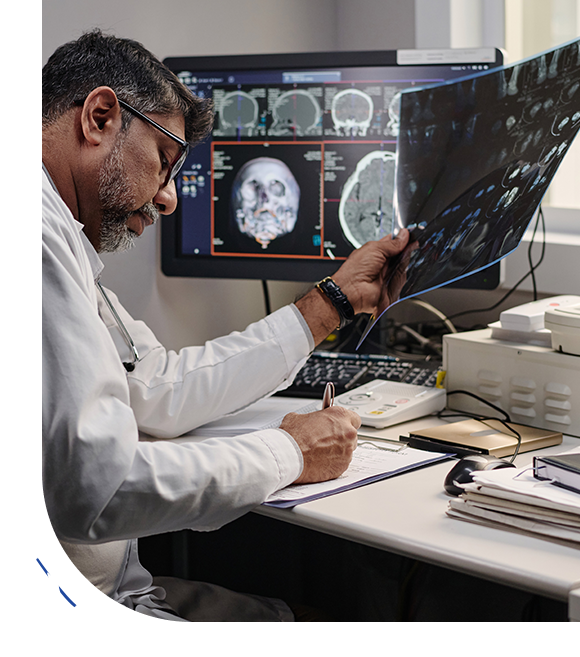
An interventional radiologist performs diagnostic and therapeutic procedures using imaging technologies such as ultrasound, CT, and X-ray fluoroscopy. These images help the doctor guide specialised needles, catheters, and other instruments to the required area of the body.
Unlike conventional surgery, many interventional radiology procedures can be performed through a small skin puncture rather than a large incision. Depending on the condition and procedure, this approach can reduce tissue damage, scarring, and recovery time.
An interventional radiologist in Chandigarh can help investigate or treat selected vascular conditions, obtain tissue samples through image-guided biopsies, drain fluid collections, or perform targeted treatments for certain tumours and other medical problems. The appropriate procedure depends on the patient's diagnosis and clinical needs.
When Should You Consult an Interventional Radiologist?
Your treating doctor can recommend an interventional radiology consultation when a condition requires a targeted procedure guided by medical imaging. An interventional radiologist assesses whether an image-guided approach is suitable and explains the expected benefits, possible risks, and available alternatives.
1. For Blood Vessel and Circulation Problems
Conditions involving narrowed or blocked blood vessels, poor circulation, or certain vascular abnormalities can require specialised assessment. Depending on the diagnosis, procedures such as angioplasty or embolisation can be considered.
2. For Tumours and Cancer-Related Conditions
Some tumours can be treated using image-guided procedures, including selected tumour ablation techniques. Interventional radiologists can also perform biopsies to obtain tissue samples when further investigation is required.
3. For Persistent Back, Joint, or Nerve-Related Pain
Selected pain conditions may benefit from image-guided injections or other targeted interventions. Your neurologist will assess the cause of your pain and determine whether an interventional procedure is appropriate.
4. For Uterine Fibroids and Certain Gynaecological Conditions
Uterine fibroids can sometimes be managed through a procedure called uterine fibroid embolisation. An interventional radiologist assesses whether this approach is suitable based on the size and location of the fibroids, symptoms, and the patient's reproductive plans.
5. For Fluid Collections or Abscesses
Certain fluid collections and abscesses may require image-guided drainage. Using ultrasound or CT guidance, the doctor can help position a drainage catheter or needle in the affected area when clinically indicated.
6. For Kidney or Biliary Drainage Needs
Some conditions cause urine or bile to become obstructed. Depending on the cause and severity, image-guided drainage procedures can be considered to relieve the obstruction and support further treatment.
7. When a Tissue Biopsy Is Required
If imaging identifies an abnormal lump or lesion, a biopsy may be recommended to establish a diagnosis. Image guidance helps the interventional radiologist direct a needle towards the target area to collect a tissue sample for laboratory examination.
Conditions Evaluated and Treated Through Interventional Radiology
Interventional radiology can support the diagnosis and management of several medical conditions. At Healing Hospital, the recommended procedure depends on the clinical assessment, imaging findings, and suitability of the treatment for the individual patient.
1. Vascular Conditions
Image-guided vascular procedures may help manage selected cases of narrowed or blocked blood vessels, poor circulation, and other vascular abnormalities. Depending on the condition, treatment may involve angioplasty, embolisation, or other endovascular techniques.
2. Tumours and Cancer-Related Conditions
Interventional radiology can support cancer care through image-guided biopsies and selected tumour treatments, such as radiofrequency or microwave ablation. The suitability of these procedures depends on the tumour's type, size, location, and the overall treatment plan.
3. Chronic Pain Conditions
Selected conditions involving the spine, joints, and nerves may be assessed for image-guided pain management procedures. These may include targeted injections when appropriate.
4. Uterine Fibroids
For some patients with symptomatic uterine fibroids, uterine fibroid embolisation may be considered as an alternative to certain surgical approaches. A specialist consultation helps determine whether this option is appropriate.
5. Kidney and Urinary Tract Conditions
When urinary drainage is obstructed, an image-guided procedure such as nephrostomy may be considered. The need for intervention depends on the cause of the obstruction and the patient's condition.
6. Biliary and Digestive System Conditions
Selected conditions affecting bile drainage or digestive access may require image-guided intervention. Depending on the diagnosis, procedures may include biliary drainage or placement of a feeding access tube.
7. Abscesses and Fluid Collections
Image-guided aspiration or drainage may be recommended for certain fluid collections or abscesses. The procedure aims to remove the collection when clinically indicated and support further treatment.
Interventional Radiology Procedures at Healing Hospital in Chandigarh
Healing Hospital provides interventional radiology services for selected diagnostic and therapeutic needs. The specific procedure recommended depends on the patient's condition and the specialist's assessment.
1. Image-Guided Biopsy
An image-guided biopsy uses ultrasound or CT to help the doctor collect a tissue sample from an abnormal area. The sample is sent for laboratory examination to help establish a diagnosis.
2. Fluid Aspiration and Drainage
Some fluid collections require aspiration or catheter drainage. Imaging helps the doctor locate the collection and guide the needle or catheter into the appropriate position.
3. Vascular Interventions
Vascular procedures may be used to address selected blood vessel problems. Depending on the diagnosis, these may include angiography, angioplasty, embolisation, or other endovascular interventions.
4. Tumour Ablation
Tumour ablation uses a specialised technique to destroy targeted tumour tissue. Radiofrequency and microwave ablation may be considered for selected tumours, depending on their location, size, and clinical characteristics.
5. Pain Management Interventions
Selected image-guided injections may help manage pain arising from particular joints, soft tissues, or nerve-related conditions. A specialist determines whether the procedure is appropriate after reviewing the diagnosis and available treatment options.
6. Nephrostomy and Biliary Drainage
Image-guided drainage procedures may be used when urine or bile cannot drain normally. These interventions can help relieve obstruction in selected cases and support subsequent medical or surgical treatment.
7. Women's Health Procedures
Uterine fibroid embolisation is an image-guided procedure that may be suitable for some patients with symptomatic fibroids. A consultation helps patients understand the procedure, potential benefits, risks, and alternative treatments.
Doctors Available

Why Choose Healing Hospital for Interventional Radiology in Chandigarh?
Choosing an interventional radiology specialist involves understanding the available procedures, the doctor's experience, and the care provided before and after treatment. Healing Hospital offers specialised interventional radiology services within a multispeciality hospital setting.

Minimally Invasive Treatment : Options For selected conditions, image-guided procedures can provide an alternative to conventional open surgery. Since many procedures use small punctures rather than large incisions, they can involve less tissue disruption and support fast recovery.

Well-Experienced Interventional Radiology Specialists : The interventional radiologists at Healing Hospital have 25+ years of experience in diagnostic and interventional radiology. Their expertise includes advanced imaging and image-guided interventional procedures. The appropriate treatment is determined after an individual assessment.

A Multispeciality Approach : Interventional radiology often forms part of a wider treatment plan. At Healing Hospital, collaboration with relevant medical experts and surgeons can help ensure that procedure recommendations are considered alongside the patient’s diagnosis and overall health needs.
Cost of Interventional Radiology Procedures in Chandigarh
The cost of interventional radiology procedures in Chandigarh depends on the type of procedure, the complexity of the condition, imaging or consumables required, anaesthesia use, and the length of hospital stay. The cost of a biopsy, drainage procedure, vascular intervention, or tumour ablation can differ significantly.
For information about procedure charges and appointment availability, contact Healing Hospital at +91-9464343434. The specialist can then assess your condition and explain the recommended procedure and associated costs.
Book an Appointment with an Interventional Radiologist in Chandigarh
Booking a consultation with an interventional radiology specialist in Chandigarh at Healing Hospital is straightforward. You can visit www.healinghospital.co.in, call +91-9464343434, or visit the hospital at Sector 34A, Chandigarh, to enquire about appointments.
Whether you have been referred for a biopsy, vascular intervention, drainage procedure, or another image-guided treatment, bring your existing medical records and imaging reports to the consultation. The specialist can review your findings, discuss the available options, and guide you on the next steps.
Frequently Asked Questions (FAQs)
Who is the best interventional radiologist in Chandigarh?
The right specialist depends on your condition, the procedure required, and the doctor’s relevant experience. The team of interventional radiologists at Healing Hospital in Chandigarh has over 25 years of experience in diagnostic and interventional radiology.
What does an interventional radiologist do?
An interventional radiologist uses medical imaging to guide minimally invasive procedures for diagnosis or treatment. These may include biopsies, fluid drainage, vascular interventions, and selected tumour treatments. The procedure depends on the patient’s condition and clinical requirements.
What is the difference between a radiologist and an interventional radiologist?
A diagnostic radiologist primarily interprets medical images, such as X-rays, CT scans, MRI scans, and ultrasounds, to help diagnose medical conditions. An interventional radiologist also uses imaging to guide procedures that can diagnose or treat selected conditions through small punctures or incisions.
Are interventional radiology procedures less invasive than surgery?
Many interventional radiology procedures are minimally invasive and use a small puncture rather than a large surgical incision. In suitable cases, this can reduce tissue disruption, scarring, and recovery time. However, benefits and risks vary by procedure and patient, and some conditions still require conventional surgery.
Is interventional radiology safe?
Interventional radiology procedures are performed after assessing the potential benefits and risks for each patient. Possible risks depend on the procedure, the area being treated, underlying medical conditions, and factors such as bleeding or infection risk. Your specialist will explain the relevant precautions and possible complications before treatment.
Which conditions can an interventional radiology specialist near me treat?
Interventional radiologists can assess and treat selected vascular conditions, certain tumours, uterine fibroids, fluid collections, urinary or biliary obstructions, and some causes of chronic pain. The appropriate treatment depends on the diagnosis and whether an image-guided procedure is suitable.
Can an interventional radiologist treat tumours without open surgery?
Some tumours can be treated using image-guided techniques such as radiofrequency or microwave ablation. These procedures are suitable only for selected cases. The specialist considers the tumour’s size, location, type, and the patient’s overall health before recommending treatment.
Can uterine fibroids be treated through interventional radiology?
Yes. Uterine fibroid embolisation may be an option for some patients with symptomatic fibroids. A specialist consultation is important to discuss suitability, potential benefits, risks, and reproductive goals before choosing a treatment.
What is the cost of an interventional radiology procedure in Chandigarh?
The cost depends on the procedure, the complexity of the condition, the equipment and materials required, and whether hospital admission is necessary. Contact Healing Hospital at +91-9464343434 for information about charges for the procedure recommended by your doctor.
Do I need a referral to consult an interventional radiology doctor in Chandigarh?
Referral requirements may vary depending on the condition and the procedure being considered. It is helpful to bring your doctor’s referral, previous scans, investigation reports, and medical history to the consultation. Contact the hospital to confirm what is required for your appointment.
How do I book an appointment with an interventional radiologist near me?
If you are looking for an interventional radiologist near you in Chandigarh, you can contact Healing Hospital at +91-9464343434, visit www.healinghospital.co.in, or enquire in person at the hospital in Sector 34A, Chandigarh.
Blog
World Patient Safety Day 2026: Importance, Theme & Awareness
World Physiotherapy Day 2026: A Complete Guide to the Date, Theme and Recovery
National Eye Donation Fortnight: Importance, Eligibility, Process & Awareness

World Mosquito Day: Malaria, Mosquito-Borne Diseases, Symptoms & Prevention
World Organ Donation Day: Importance, Eligibility, Process & Awareness

Loose Motion Home Remedies: What to Eat and How to Stop Diarrhea Naturally

Sleep Apnea: Symptoms, Causes, Diagnosis & Treatment Options
SGPT Normal Range: When High SGPT Levels Need Medical Attention

Pregnancy Diet Chart: What to Eat During Pregnancy for a Healthy Baby