Hypertension, commonly known as high blood pressure, is a frequent medical condition that often causes no noticeable symptoms. However, when blood pressure remains elevated over time, it can place excessive strain on the heart and blood vessels and increase the risk of heart disease, stroke, kidney disease, and other health complications.
At Healing Hospital, the Department of Cardiology provides comprehensive hypertension care, including accurate diagnosis, cardiovascular risk assessment, personalized treatment planning, medication management, and long-term blood pressure monitoring. Patients who develop a hypertensive emergency may require urgent assessment and treatment to identify and manage acute injury to organs such as the heart, brain, kidneys, or eyes.
When a cardiac complication or acute coronary condition is suspected, appropriate investigations and specialist interventions may be arranged, including coronary angiography and percutaneous coronary intervention (PCI), when clinically indicated. These services are supported by the hospital’s cardiology, emergency, critical care, and interventional specialists, subject to clinical assessment and availability.
What is Hypertension?
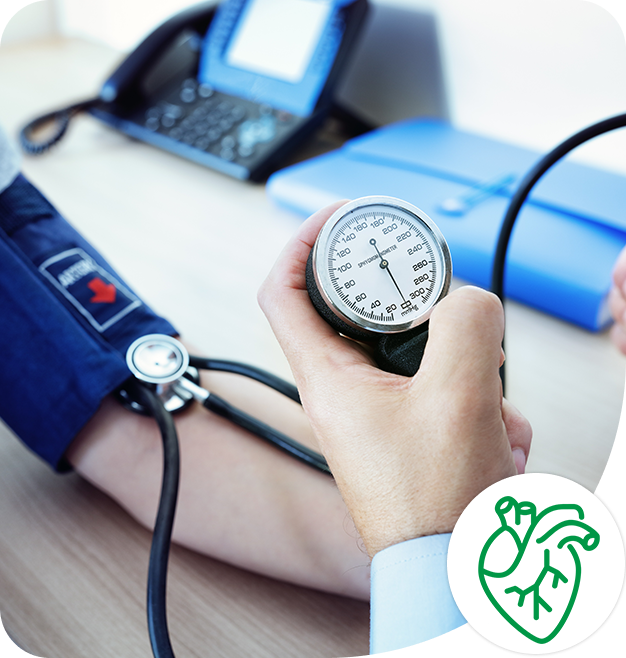
Hypertension, commonly known as high blood pressure, is a chronic condition in which the force of blood against the walls of the arteries remains higher than recommended over time. It often causes no noticeable symptoms, which is why it is sometimes described as a silent condition. Despite the absence of symptoms, uncontrolled hypertension can gradually damage the blood vessels and increase the risk of heart disease, stroke, kidney disease, and other complications.
A blood-pressure reading has two numbers:
- Systolic blood pressure: The upper number, which measures the pressure in the arteries when the heart contracts and pumps blood.
- Diastolic blood pressure: The lower number, which measures the pressure in the arteries when the heart relaxes between beats.
Under commonly used adult blood-pressure categories, the higher category applies when the systolic and diastolic readings fall into different categories. For example, a reading of 128/92 mmHg falls into Stage 2 hypertension because the diastolic value is in the Stage 2 range.
|
Blood-pressure category |
Systolic pressure |
Diastolic pressure |
|
Normal |
Below 120 mmHg |
Below 80 mmHg |
|
Elevated |
120–129 mmHg |
Below 80 mmHg |
|
Stage 1 hypertension |
130–139 mmHg |
or 80–89 mmHg |
|
Stage 2 hypertension |
140 mmHg or higher |
or 90 mmHg or higher |
|
Severe blood-pressure elevation |
180 mmHg or higher |
and/or 120 mmHg or higher |
Important: A reading of 180/120 mmHg or higher requires prompt medical attention, particularly if it is accompanied by symptoms such as chest pain, shortness of breath, severe headache, confusion, weakness, vision changes, or difficulty speaking. These symptoms may indicate a hypertensive emergency, which requires immediate assessment for acute organ injury.
Types of Hypertension
It may be classified according to its underlying cause, the blood-pressure pattern, or how well it responds to treatment. Identifying the type of hypertension can help clinicians determine the appropriate evaluation and management plan.
Primary or Essential Hypertension
Essential hypertension is the most common form of high blood pressure. It usually results from a combination of genetic factors, age, family history, diet, physical inactivity, excess body weight, and other lifestyle or environmental influences.
Secondary Hypertension
Secondary hypertension occurs because of an identifiable underlying condition, medication, or substance. Possible causes include kidney disease, obstructive sleep apnoea, thyroid or other hormonal disorders, narrowing of the kidney arteries, and certain medicines. Treating the underlying cause may help improve blood-pressure control.
Isolated Systolic Hypertension
Isolated systolic hypertension occurs when the systolic, or upper, blood-pressure number is elevated while the diastolic, or lower, number remains below the hypertension range. It is more common in older adults and is often associated with age-related stiffness of the arteries.
Resistant Hypertension
Resistant hypertension refers to blood pressure that remains above the recommended target despite treatment with three different antihypertensive medications at appropriate or maximally tolerated doses, usually including a diuretic. It may also describe blood pressure that is controlled only with four or more medications.
People with resistant hypertension may require specialist assessment to check medication adherence, measurement accuracy, drug interactions, lifestyle factors, and possible secondary causes
Severe Hypertension and Hypertensive Emergency
A blood-pressure reading of 180 mmHg or higher systolic and/or 120 mmHg or higher diastolic is considered severely elevated. This reading should be repeated correctly after a short period of rest, unless the person has emergency symptoms.
A hypertensive emergency occurs when severely elevated blood pressure is accompanied by acute injury to an organ, such as the brain, heart, lungs, kidneys, or a major artery. Possible symptoms include chest pain, severe shortness of breath, confusion, weakness, difficulty speaking, vision changes, seizures, or severe headache. This requires immediate medical assessment.
Hypertension Symptoms and Warning Signs
Hypertension often causes no noticeable symptoms, which is why it is commonly called the “silent killer.” Regular blood-pressure checks are important because high blood pressure may be present even when a person feels well.
Common Symptoms of Hypertension
Most people with hypertension do not experience symptoms. When symptoms do occur, they may include:
- Headache
- Dizziness or lightheadedness
- Fatigue
- A pounding sensation in the chest, neck, or ears
- Shortness of breath
- Visual changes
These symptoms are not specific to hypertension and may have other causes. A blood-pressure measurement is necessary to identify high blood pressure.
Warning Signs of a Hypertensive Emergency
A blood-pressure reading of 180 mmHg or higher systolic and/or 120 mmHg or higher diastolic, together with symptoms of possible organ injury, may indicate a hypertensive emergency. Warning signs include:
- Sudden, severe headache
- Chest pain or pressure
- Severe shortness of breath
- Blurred or double vision
- Confusion or reduced alertness
- Difficulty speaking
- Sudden numbness or weakness, especially on one side of the body
- Seizures
- Severe back pain
If these symptoms occur, call emergency medical services immediately. Do not wait for the blood pressure to fall on its own.
Causes and Risk Factors for Hypertension
Hypertension usually develops through a combination of genetic, age-related, environmental, and lifestyle factors rather than one single cause. In some cases, high blood pressure results from an underlying medical condition, medication, or substance.
Family History and Age
The risk of hypertension increases with age, partly because the arteries may become less flexible over time. Having close relatives with high blood pressure can also increase risk, reflecting shared genetic and lifestyle factors.
High-Sodium Diet
A diet high in sodium can cause the body to retain more fluid, increasing the volume of blood circulating through the blood vessels. This may raise blood pressure, particularly in people who are sensitive to salt.
Lack of Physical Activity
Regular physical activity supports cardiovascular health and helps with weight management. A sedentary lifestyle can contribute to weight gain and is associated with a higher risk of hypertension.
Excess Body Weight
Being overweight or obese can increase the workload on the heart and affect the systems that regulate blood pressure. Weight reduction, when appropriate, may help improve blood-pressure control.
Smoking and Excess Alcohol
Nicotine can temporarily increase blood pressure and contribute to blood-vessel damage. Drinking excessive amounts of alcohol may also raise blood pressure and make hypertension more difficult to control.
Chronic Stress and Poor Sleep
Ongoing stress may contribute to higher blood pressure through repeated activation of the body’s stress response. Stress may also affect sleep, physical activity, diet, alcohol use, or tobacco use, which can further influence blood pressure.
Underlying Medical Conditions
Kidney disease, obstructive sleep apnoea, thyroid and other hormonal disorders, narrowing of the renal arteries, and certain pregnancy-related conditions can cause or worsen hypertension.
Medications and Substances
Some medicines and substances can increase blood pressure, including certain pain relievers, decongestants, corticosteroids, hormonal contraceptives, stimulants, recreational drugs, and some herbal supplements. Patients should not stop prescribed medication without consulting a healthcare professional.
Emergency Treatment for Hypertensive Crisis at Healing Hospital
A blood-pressure reading of 180 mmHg or higher systolic and/or 120 mmHg or higher diastolic requires careful reassessment and timely medical advice. The treatment approach depends on whether there is evidence of acute injury to vital organs, such as the heart, brain, kidneys, lungs, or major blood vessels.
Immediate Blood Pressure Assessment
The blood pressure is measured 2-3 times to reach a conclusion. The cardiology team at Healing Hospital evaluates the patient for symptoms, examination findings, and other evidence of acute target-organ injury. Assessment may include an electrocardiogram, blood tests, urine tests, and imaging when clinically indicated.
Symptoms that may require urgent evaluation include chest pain, severe shortness of breath, confusion, weakness or numbness, difficulty speaking, sudden vision changes, seizures, or a severe headache.
Controlled Blood-Pressure Reduction
Patients with a hypertensive emergency may require short-acting intravenous medicines to lower blood pressure in a controlled and closely monitored manner. Blood pressure should not usually be reduced too rapidly, because an abrupt fall can reduce blood flow to the brain, heart, kidneys, and other organs. The treatment target and rate of reduction depend on the specific clinical situation.
Continuous Monitoring
Patients are monitored for changes in blood pressure, heart rhythm, chest discomfort, breathing, neurological status, and kidney function throughout treatment.
Coordinated Multidisciplinary Care
When acute hypertension affects the heart, brain, kidneys, lungs, or major blood vessels, the treating team may coordinate care with cardiology, critical care, neurology, nephrology, emergency medicine, and other specialties as required.
Intensive Care for Severe Cases
Patients with evidence of acute target-organ injury may require intensive care or another closely monitored setting for intravenous treatment, organ support, and repeated assessment until their condition becomes stable. Patients with severely elevated blood pressure but no evidence of acute organ injury may require medication review, oral treatment when clinically appropriate, and prompt outpatient follow-up rather than automatic ICU admission.
Hypertension Management & Follow-Up
Managing hypertension is an ongoing process, not a one-time prescription. At Healing Hospital, every treatment plan starts with a full evaluation of your blood pressure pattern, lifestyle, and any related risk factors, before deciding on the right combination of approaches.
For elevated and stage 1 hypertension, treatment often begins with structured lifestyle changes alone, closely monitored over several weeks. For stage 2 hypertension, medication is typically introduced alongside these same lifestyle changes, with the specific drug class chosen based on your individual health profile.
Ongoing care includes regular follow-up to track your numbers, adjust medication dosing as needed, and screen for early signs of hypertension-related organ strain. Patients with resistant hypertension or hypertension linked to an underlying condition receive more detailed evaluation to identify and address the root cause directly, rather than simply increasing medication.
Why Choose Healing Hospital for Hypertension Treatment in Chandigarh?
Structured Lifestyle Guidance : Our nutrition & dietetics department works with you on practical, sustainable changes to sodium intake, activity, and weight management, with progress tracked at follow-up rather than left to chance.

Ongoing Monitoring to Prevent Complications : Hypertension quietly affects the heart, kidneys, and eyes over time. Regular follow-up, including periodic screening for these effects, means problems get caught early, well before they become serious.

Coordinated Care When Needed : When hypertension is linked to an underlying condition or has started affecting another organ system, our cardiology team coordinates directly with nephrology, neurology, and ophthalmology to ensure your well-being.
Why Early Blood Pressure Control Matters
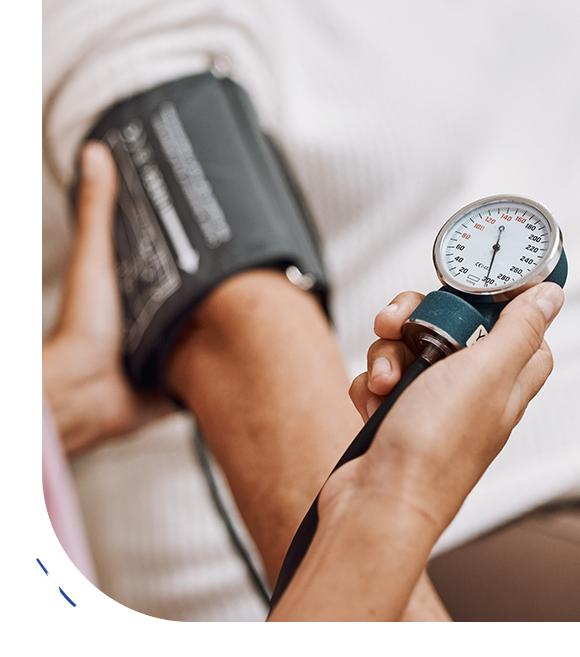
Hypertension does its damage quietly, which is exactly why acting early matters so much. Because there's usually no pain and no warning sign, many people only discover their diagnosis during a routine checkup, often years after their blood pressure first crossed into an unhealthy range.
The longer blood pressure stays elevated, the more strain accumulates on the heart, arteries, kidneys, and eyes. Bringing readings under control, whether through lifestyle changes or medication, doesn't just improve a number. It directly reduces long-term risk of heart attack, stroke, kidney failure, and hypertensive heart disease. This is why routine screening and consistent follow-up matter just as much as treatment itself.
Hypertension Prevention Tips
Healthy lifestyle habits can help reduce the risk of developing high blood pressure:
Reduce Sodium Intake
Eating less sodium may help lower blood pressure, especially in people who are sensitive to salt. Limit highly processed foods, packaged snacks, instant meals, pickles, papads, and other foods that are often high in sodium. The World Health Organization recommends less than 2 grams of sodium per day, which is equivalent to less than 5 grams of salt per day, for most adults.
Stay Physically Active
Regular physical activity supports cardiovascular health, helps with weight management, and may improve blood-pressure control. Many adults should aim for around 150 minutes of moderate-intensity activity per week, such as brisk walking, cycling, swimming, or similar activities, if appropriate for their health.
Follow a Heart-Healthy Diet
Choose a diet rich in vegetables, fruits, whole grains, legumes, nuts, and other minimally processed foods. Limiting foods high in sodium, saturated fat, trans fat, and added sugar can also support healthier blood pressure and overall heart health.
Maintain a Healthy Weight
If you are overweight, gradual and sustainable weight loss may help reduce blood pressure and improve cardiovascular health. A certified dietitian can help create an appropriate weight-management plan.
Limit Alcohol
Excessive alcohol intake can raise blood pressure and make hypertension more difficult to control. Limiting alcohol use may support better blood-pressure management.
Stop Smoking and Avoid Tobacco
Nicotine can temporarily raise blood pressure, while prolonged tobacco use damages the arteries and increases the risk of heart attack and stroke. Stopping smoking and avoiding other tobacco products are important steps in reducing cardiovascular risk.
Manage Stress and Prioritize Sleep
Regular physical activity, relaxation techniques, breathing exercises, adequate sleep, and professional support when needed may help manage stress and promote better cardiovascular health.
Monitor Blood Pressure at Home
Use a validated upper-arm monitor, follow correct measurement technique, record readings regularly, and share them with your cardiologist or general physician. Symptoms such as chest pain, severe breathlessness, confusion, weakness, or vision changes should not be ignored and need to be discussed with your healthcare professional at the earliest.
Follow Your Treatment Plan
If your doctor prescribes antihypertensive medication, take it as directed and do not stop it without medical advice. Regular follow-up helps assess blood-pressure control, review side effects, and adjust treatment when necessary.
Meet Our Hypertension Specialist in Chandigarh
At Healing Hospital, our cardiology team manages hypertension as part of a broader picture of cardiac risk, coordinating with other specialists whenever an underlying condition needs closer evaluation.
Dr. Ratinder Pal Singh– Senior Consultant Cardiologist, with 14+ years of experience managing hypertension, coronary artery disease, and hypertensive emergencies, including cardiac catheterisation and angioplasty for patients with related coronary involvement.
📞 Call: +91-8975343434 to schedule your consultation.
🌐 Book Online: Visit www.healinghospital.co.in to book an appointment.
Other Cardiac Services Available at Healing Hospital in Chandigarh
Our Cardiology hospital in Chandigarh supports cardiac arrest patients through a full range of connected services:
Reviewed By
Dr. Ratinder Pal Singh
Interventional Cardiologist
14+ Years

Dr. Ratinder Pal Singh is a highly qualified medical professional working as Interventional Cardiologist in Tricity. He has an extensive experience of 15+ years in the field of cardiology which includes Non-invasive & Invasive (Interventional) diagnostic and therapeutic procedures. Dr. RP Singh has performed 10,000+ interventional procedures till date which includes diagnostic Coronary Angiogram, Primary and Complex Angioplasty, Device Implantation, Device closures and others. He also holds special interest and expertise in performing peripheral procedures which includes Peripheral Angiograms, Angioplasties, Stent Implantation, Renal Stent Implantation, Coil Embolization & Balloon Angioplasty of AV Fistula.
Doctors Available
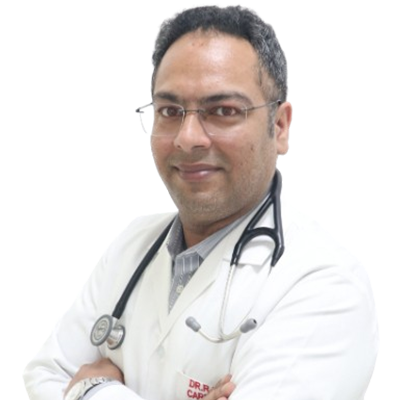
Dr. Ratinder Pal Singh
Senior Consultant
Interventional Cardiologist
14+ Years
Hindi, Punjabi, English
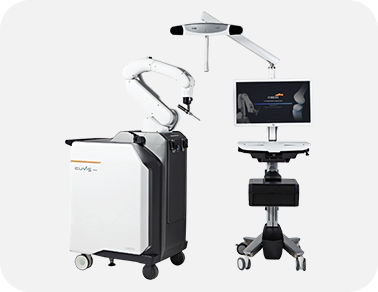
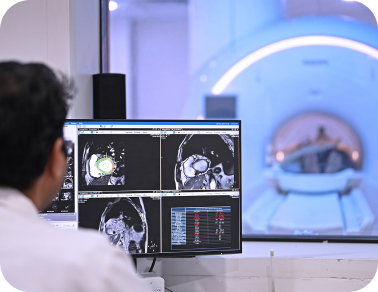
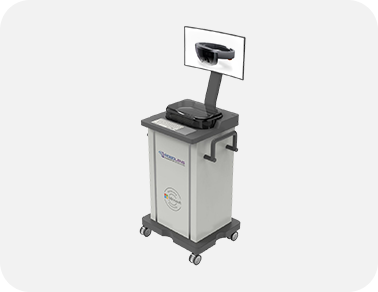
Equipped with state-of-art diagnostic and treatment technologies to ensure the best outcomes for our patients





Frequently Asked Questions (FAQs)
What is considered a normal blood pressure reading?
A normal blood pressure reading is below 120/80 mmHg. Readings between 120–129 mmHg systolic with a diastolic pressure below 80 mmHg are considered elevated, while consistently higher readings may indicate hypertension.
What is the difference between hypertension and a hypertensive crisis?
Hypertension is a long-term condition in which blood pressure remains consistently elevated over time. A hypertensive crisis occurs when blood pressure rises to 180/120 mmHg or higher and requires immediate medical evaluation. If accompanied by symptoms such as chest pain, severe headache, vision changes, confusion, weakness, or difficulty breathing, it becomes a medical emergency requiring urgent treatment.
Can high blood pressure cause headaches?
Most people with high blood pressure have no symptoms at all. Headaches are not a reliable sign of hypertension and usually occur only when blood pressure becomes dangerously high during a hypertensive crisis. Persistent or severe headaches should always be medically evaluated rather than assumed to be caused by blood pressure alone.
What should I do if my blood pressure is above 180/120 mmHg?
Wait for about five minutes, remain seated, and repeat the measurement. If the reading remains above 180/120 mmHg, seek immediate medical attention. If you also have chest pain, breathlessness, severe headache, vision changes, confusion, weakness, or difficulty speaking, go to the nearest emergency department or call emergency medical services without delay.
How is high blood pressure treated?
Treatment depends on your blood pressure level, age, overall health, and associated medical conditions. Management may include lifestyle modifications such as reducing salt intake, maintaining a healthy weight, regular physical activity, limiting alcohol, quitting smoking, and stress management
Can high blood pressure be cured?
Primary (essential) hypertension usually cannot be permanently cured, but it can be effectively controlled through healthy lifestyle habits and prescribed medications. Secondary hypertension, caused by an underlying medical condition, may improve or resolve once the underlying cause is appropriately treated.
Who is at higher risk of developing high blood pressure?
Your risk is higher if you have a family history of hypertension, are overweight or obese, consume a high-salt diet, are physically inactive, smoke, consume excessive alcohol, experience chronic stress, have diabetes or kidney disease, or are older in age. Regular blood pressure screening is recommended for individuals with these risk factors.
Is hypertension a lifelong condition?
For many people, hypertension requires lifelong monitoring and ongoing management. However, maintaining a healthy lifestyle and following your doctor’s treatment plan can keep blood pressure well controlled and significantly reduce the risk of serious complications.
Where can I consult a high blood pressure doctor near me in Chandigarh?
If you are searching for a high blood pressure specialist near you or an experienced cardiologist in Chandigarh, Healing Hospital provides comprehensive evaluation and treatment for hypertension, hypertensive emergencies, and associated cardiovascular conditions. Our cardiology team works closely with nephrology, neurology, and critical care specialists whenever multidisciplinary care is required.
How do I book a consultation for hypertension treatment near me?
If you have consistently high blood pressure readings or symptoms such as chest discomfort, severe headaches, dizziness, breathlessness, or vision changes, you can book a consultation with the experienced cardiologists at Healing Hospital. Call +91-8975343434 or visit our hospital to schedule an appointment for comprehensive hypertension evaluation and treatment.
Blog
World Heart Day 2026: Date, Theme, History & Heart Health Tips
ECG vs Echo Test: What’s the Difference and Which One Do You Need?

Period Pain Relief: Causes of Period Cramps & How to Manage Them
How High Cholesterol Level Affects Your Heart: Risks, Symptoms & Prevention

How to Choose the Best Cardiologist in Chandigarh: 5 Critical Factors for Heart Care in 2026
Guide to the Best Hospital for Angioplasty in Chandigarh

How to Reduce Cholesterol Naturally: Diet, Lifestyle & Medical Treatment
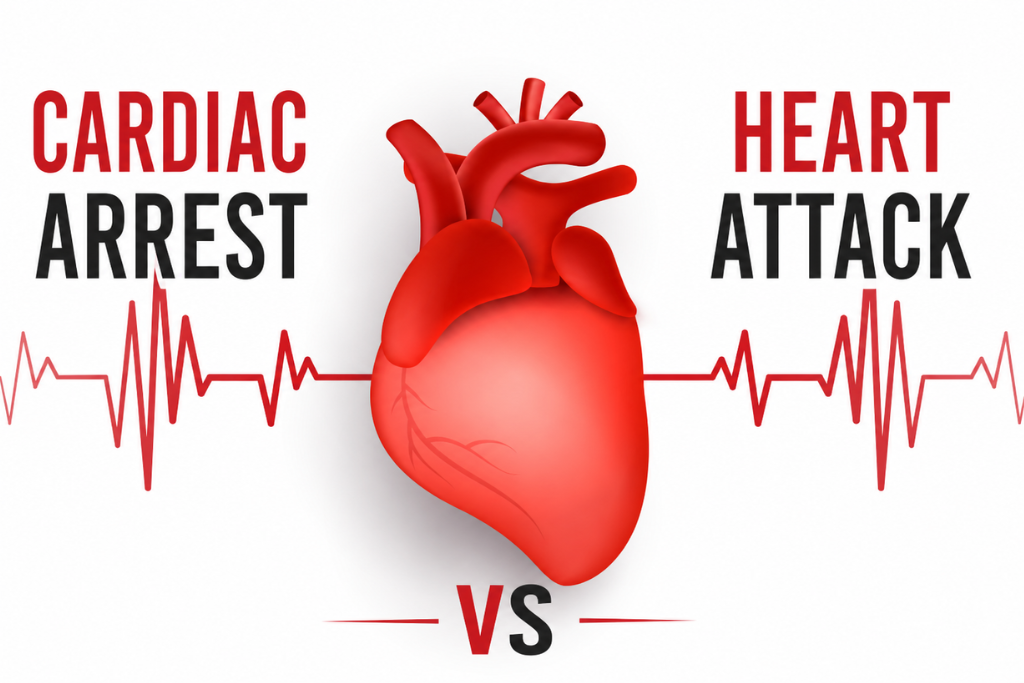
Cardiac Arrest vs Heart Attack: What Every Indian Must Know to Save a Life