Kidney stones are hard deposits of minerals and salts that form inside the kidneys. They are a common urological condition and can cause sudden, severe pain that may require emergency medical attention. While some stones pass naturally, others can obstruct the flow of urine and require medical or surgical treatment.
The Department of Urology at Healing Hospital in Chandigarh provides comprehensive kidney stone treatment in Chandigarh. Your urologist will first review your symptoms and medical history, followed by a clinical examination and appropriate investigations to determine the stone’s size, location, and severity. Depending on the findings, treatment can range from medication and adequate fluid intake to advanced minimally invasive procedures.
If you experience severe pain in your back or side, blood in your urine, or have a kidney stone detected on a scan, consult a urologist near you. Timely evaluation can help relieve symptoms, address urinary obstruction, and protect kidney function.
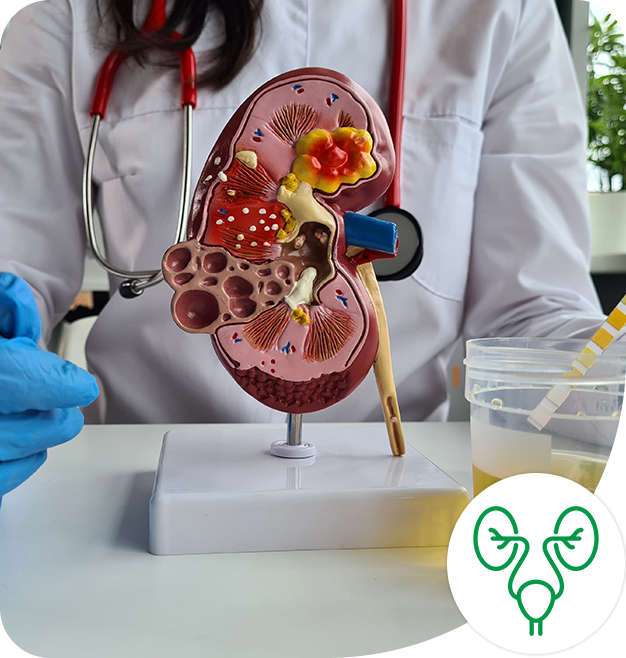
What is a Kidney Stone?
A kidney stone is a hard deposit that forms when minerals and salts in the urine crystallise and stick together. It usually develops in the kidney and can remain there without causing symptoms. However, when a stone moves into the ureter, which is the narrow tube that carries urine from the kidney to the bladder, it can obstruct urine flow and cause severe pain.
Kidney stones vary in size, ranging from tiny particles to large stones several centimetres across. Smaller stones may pass naturally through the urinary tract, while larger stones are more likely to become lodged, block urine flow, and affect kidney function if left untreated.
Types of Kidney Stones
Kidney stones are classified according to the substances they contain. Identifying the stone type can help urologists understand why it formed and recommend appropriate treatment and prevention measures.
1. Calcium Oxalate Stones
These are the most common type of kidney stone. They form when calcium combines with oxalate in the urine. Low fluid intake, high dietary salt intake, and certain metabolic conditions can increase the risk of formation.
2. Calcium Phosphate Stones
These stones form when calcium combines with phosphate. They are often associated with alkaline urine and certain metabolic conditions.
3. Uric Acid Stones
Uric acid stones develop when the urine becomes too acidic. A diet high in animal protein, gout, and diabetes can increase the risk of their formation.
4. Struvite Stones
Struvite stones are associated with certain urinary tract infections. They can grow rapidly and become large, sometimes occupying a substantial part of the kidney.
5. Cystine Stones
Cystine stones are uncommon and develop due to an inherited condition called cystinuria, which causes excess cystine to pass into the urine. They often begin forming at a younger age and may recur throughout life.
Kidney Stone Symptoms
Symptoms often develop when the stone moves into the ureter or obstructs the flow of urine. Common symptoms include:-
- Severe, sharp pain: Cramping pain in the back or side, just below the ribs.
- Radiating pain: Discomfort that may come in waves and radiate towards the lower abdomen or groin.
- Painful urination: Burning or discomfort while passing urine.
- Blood in the urine: Urine may appear pink, red, or brown.
- Frequent or urgent urination: A persistent need to urinate, sometimes with only small amounts of urine passed.
- Cloudy or foul-smelling urine: This may indicate an associated urinary tract infection.
- Nausea and vomiting: These can occur alongside severe kidney stone pain.
- Restlessness: Difficulty finding a comfortable position because of persistent or fluctuating pain.
When to Seek Emergency Medical Care
Visit the emergency department immediately if you experience:
- Fever or chills along with suspected kidney stone pain
- Severe pain that does not improve with prescribed medication
- Repeated vomiting or an inability to keep fluids down
- Difficulty or inability to pass urine
These symptoms can indicate an infection or urinary obstruction that requires urgent treatment. People with a single functioning kidney, diabetes, or pregnancy should seek prompt medical advice if a kidney stone is suspected.
Kidney Stone Causes & Risk Factors
Kidney stones develop when urine contains higher concentrations of stone-forming minerals and salts than it can keep dissolved. These substances can crystallise and gradually form stones. Several lifestyle habits, medical conditions, and genetic factors can increase the risk.
1. Not Drinking Enough Water
Inadequate fluid intake is a major risk factor for kidney stones. When the body does not receive enough fluids, urine becomes concentrated, allowing minerals to crystallise and stick together. Hot weather, heavy sweating, and inadequate hydration can further increase this risk.
2. Diet High in Salt and Animal Protein
Excessive salt intake can increase the amount of calcium excreted in urine. A diet high in animal protein, including meat, fish, and eggs, may increase uric acid levels and reduce urinary citrate, a substance that helps prevent stone formation.
3. Family History
Having a close relative with a history of kidney stones increases your risk. Genetic factors can influence how the body processes calcium, oxalate, uric acid, and other substances involved in stone formation.
4. Obesity and Diabetes
Obesity, insulin resistance, and diabetes can alter urine composition and increase the risk of certain kidney stones, particularly uric acid stones.
5. Gout and High Uric Acid Levels
High levels of uric acid in the blood and urine can contribute to uric acid stone formation. People with gout may therefore have an increased risk of developing these stones.
6. Overactive Parathyroid Glands
The parathyroid glands help regulate calcium levels in the body. When these glands become overactive, blood calcium levels may rise, increasing the amount of calcium excreted in urine and raising the risk of kidney stones.
7. Recurrent Urinary Tract Infections
Certain bacteria can change urine chemistry and contribute to the formation of struvite stones. These stones can also harbour bacteria, potentially leading to recurrent urinary tract infections.
8. Digestive Conditions and Weight-Loss Surgery
Conditions such as chronic diarrhoea and inflammatory bowel disease, as well as certain weight-loss surgeries, can affect fluid balance and increase oxalate absorption from the intestine. This may raise the risk of calcium oxalate stone formation.
9. Certain Medicines and Supplements
Some medicines and high-dose supplements can increase the risk of kidney stones in susceptible individuals. These may include certain calcium and vitamin C supplements. Inform your doctor about all medicines and supplements you take so that your individual risk can be assessed.
Kidney Stone Treatment in Chandigarh
Kidney stone treatment at Healing Hospital depends on the stone's size, location, and type, as well as the patient's symptoms, kidney function, and overall health. After reviewing the investigation findings, your urologistwill explain the available options and recommend an appropriate treatment plan.
1. Observation and Medical Expulsive Therapy
Small stones can pass naturally without surgery. Your doctor can recommend adequate fluid intake and medicines that relax the ureter to help the stone pass. Regular follow-up visits and imaging may be needed to monitor its progress.
2. Pain Relief and Supportive Care
Pain-relieving and anti-nausea medicines can help manage discomfort while the stone passes or until a procedure is performed. These medicines support treatment but do not replace proper medical evaluation.
3. Extracorporeal Shock Wave Lithotripsy (ESWL)
ESWL uses focused shock waves generated outside the body to break a kidney or upper ureter stone into smaller fragments. These fragments can then pass through the urine. It is a non-invasive option for selected stones and does not require a surgical incision.
4. Ureteroscopy (URS)
During ureteroscopy, your urologist passes a thin scope through the natural urinary passage to reach the stone in the ureter. The stone is broken into smaller pieces using specialised instruments or laser energy, and fragments may be removed. No external skin incision is required.
5. Retrograde Intrarenal Surgery (RIRS)
RIRS uses a thin, flexible scope passed through the urinary tract to reach stones inside the kidney. The stone is fragmented, usually with laser energy, and the pieces are removed or allowed to pass naturally.
6. Percutaneous Nephrolithotomy (PCNL)
PCNL is commonly used for large or complex kidney stones. The surgeon creates a small opening in the back to access the kidney and remove the stone using a specialised telescope and instruments. It is a minimally invasive procedure and is generally preferred over open surgery for suitable large stones.
7. DJ Stent Placement
A double-J (DJ) stent is a thin, flexible tube placed inside the ureter to help urine drain from the kidney into the bladder. It may be used to relieve obstruction caused by a stone or to support drainage before or after a stone-removal procedure. The stent is removed or replaced as advised by the urologist.
8. Treatment of Infection and Urinary Obstruction
A kidney stone causing urinary obstruction along with infection is a medical emergency. Treatment usually involves urgent antibiotics and drainage of the kidney using a ureteric stent or a drainage tube. Kidney stone removal surgery is generally planned after the infection has been controlled.
9. Treatment of the Underlying Cause
Identifying why stones form can help reduce the risk of recurrence. Depending on the investigation results, treatment can include managing conditions such as gout or an overactive parathyroid gland, along with medicines that alter urine chemistry. Your nutritionist may also recommend dietary changes, adequate fluid intake, and regular monitoring based on the type of stone.
Kidney Stone Recovery and Long-Term Management
Recovery after kidney stone treatment depends on the procedure performed, the size and location of the stone, and the patient's overall health. Many patients can resume light daily activities within a few days after minimally invasive procedures, although recovery times vary. Your treating doctor will provide instructions based on your treatment.
1. Recovery After a Procedure
Mild burning during urination, temporary discomfort, or a small amount of blood in the urine may occur for a few days after certain procedures. Your doctor may recommend adequate fluid intake and prescribed medicines to manage these symptoms.
2. Follow-up Scans and Tests
Follow-up investigations, such as ultrasound or X-ray, may be recommended to check whether the stone has been cleared and urine is draining properly from the kidney. Further assessment may be needed if fragments remain, as residual stones can grow or cause symptoms later.
3. Long-Term Prevention
Kidney stones can recur, and people who have had one stone are at increased risk of developing another. A personalised prevention plan based on stone analysis, blood tests, and urine investigations can help reduce this risk. Your nutritionist may recommend adequate hydration, dietary changes, and preventive medication when required.
4. Managing Underlying Conditions
Managing conditions such as diabetes, gout, obesity, and recurrent urinary tract infections is important for long-term kidney health. Regular medical follow-up and appropriate treatment can help address factors that contribute to stone formation and reduce the likelihood of recurrence.
Why Timely Kidney Stone Treatment Matters
A kidney stone that blocks the ureter can cause urine to build up in the kidney, leading to swelling and potentially affecting kidney function. If an infection develops behind the blockage, it can spread into the bloodstream and cause sepsis, a life-threatening medical emergency. Repeated or prolonged obstruction may also lead to lasting kidney damage.
Timely treatment helps relieve pain, restore urine flow, and reduce the risk of complications. Smaller stones may be easier to manage, and early diagnosis can allow doctors to consider simpler treatment options when appropriate.
Consulting a qualified kidney stone specialist in Chandigarh can help you understand your condition, choose the most suitable treatment, and plan measures to prevent recurrence.
Why Choose Healing Hospital for Kidney Stone Treatment in Chandigarh?
Healing Hospital provides comprehensive kidney stone treatment in Chandigarh for patients with small, large, complex, and recurrent kidney stones.

24×7 Emergency Urology Services : Patients experiencing severe stone-related pain, urinary obstruction, or other acute symptoms can access 24×7 emergency evaluation and treatment, with urology and supporting medical services available when required.

Minimally Invasive Stone Treatment Options : Our urology team offers a range of treatment options, from medical management to endoscopic and minimally invasive procedures. The choice of treatment depends on the stone’s size, location, complexity, and the patient’s overall health. The aim is to achieve effective stone clearance while minimising discomfort and supporting a timely return to daily activities.

Well-Equipped ICU Support : Healing Hospital has a well-equipped Intensive Care Unit (ICU) to provide specialized monitoring and critical care support when required, ensuring appropriate medical support is available for patients undergoing complex procedures or experiencing complications.
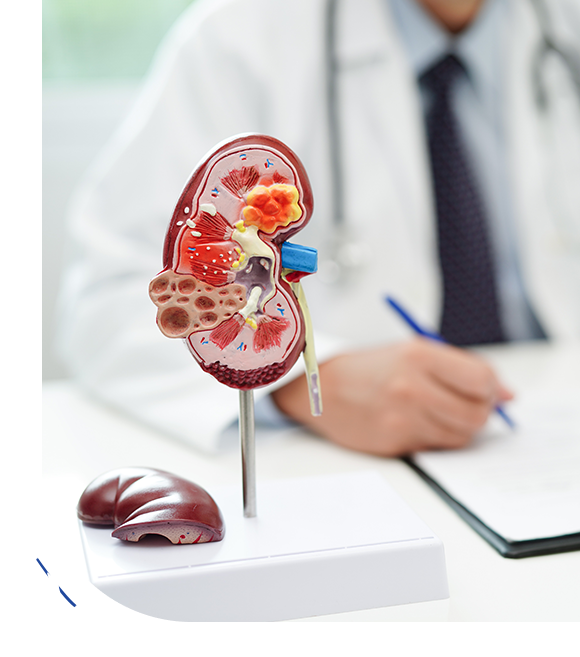
Kidney Stone Prevention Tips
Simple lifestyle and dietary changes can help reduce the risk of kidney stone formation. If you have had kidney stones before, preventive measures are particularly important. Your prevention plan should also consider the type of stone and any underlying medical conditions.
1. Drink Plenty of Water
Maintain adequate fluid intake to produce approximately 2–2.5 litres of urine daily. For many people, this may require drinking around 2.5–3 litres of fluids per day, with higher needs in hot weather or during heavy physical activity. Pale-yellow urine can be a useful indicator of hydration. If you have heart or kidney disease or have been advised to restrict fluids, follow your physician's guidance.
2. Reduce Salt Intake
High salt intake can increase the amount of calcium passed in urine, raising the risk of certain kidney stones. Limit salty foods such as pickles, papad, chips, packaged snacks, and foods with added salt.
3. Eat Animal Protein in Moderation
Excessive intake of animal protein, including meat, fish, and eggs, can increase uric acid levels and reduce urinary citrate. Maintain balanced portions and follow dietary advice based on your stone type.
4. Do Not Eliminate Dietary Calcium
Calcium from foods such as milk, curd, and paneer can help bind oxalate in the intestine and reduce its absorption. Avoid unnecessarily restricting dietary calcium unless your doctor advises it. Take calcium supplements only after medical consultation.
5. Monitor Oxalate-Rich Foods
If you develop calcium oxalate stones, your doctor or dietitian may recommend moderating foods high in oxalate, such as spinach, beetroot, nuts, and strong tea. Dietary restrictions should be based on your individual test results rather than eliminating these foods unnecessarily.
6. Include Citrus Fruits
Lemons and other citrus fruits contain citrate, which can help prevent certain types of kidney stones. Including citrus fruits in a balanced diet may support stone prevention.
7. Maintain a Healthy Weight
Maintaining a healthy body weight through balanced nutrition and regular physical activity can support metabolic health and reduce the risk of kidney stone formation.
8. Manage Diabetes, Gout, and Urinary Infections
Keep conditions such as diabetes and gout under control and seek appropriate treatment for urinary tract infections. Managing these conditions can help reduce factors that contribute to stone formation.
9. Use Supplements Carefully
Inform your doctor about all medicines, vitamins, and herbal supplements you take. High doses of certain supplements may increase stone risk in some people. Do not start or stop supplements without appropriate medical advice.
Meet Our Kidney Stone Specialist in Chandigarh
At Healing Hospital, kidney stones are evaluated and treated by an experienced urologist. Your treatment plan is based on the stone's characteristics, your overall health, and your individual needs.
Call: +91-90903 03434 to schedule a consultation with our Urology Department.
Book Online: Visit www.healinghospital.co.in or visit the hospital's front desk for appointment assistance.
Other Urology Services at Healing Hospital
The Department of Urology at Healing Hospital in Chandigarh provides comprehensive evaluation and management for a wide range of urinary tract and male reproductive health conditions.
Reviewed By
Dr. Karun Singla
Urology & Urologic Oncology
12+ Years

Dr. Karun Singla graduated (MBBS) from Govt. Medical College, Chandigarh. He completed his General surgery training (M.S) from Dayanand Medical College, Ludhiana and then did his Post graduation in Urology (M.Ch. Urology) from Post Graduate Institute of Medical Education & Research, Chandigarh (PGI). He has done a Senior Residency in Urology at CMC, Vellore. He is trained in Andrology and male infertility from Manipal Ankur Reproductive Services, Bangalore.
Doctors Available

Equipped with state-of-art diagnostic and treatment technologies to ensure the best outcomes for our patients






Frequently Asked Questions (FAQs)
What Are the Common Symptoms of Kidney Stones?
Kidney stones may cause sharp pain in the back or side, often occurring in waves and spreading towards the lower abdomen or groin. Other symptoms may include blood in the urine, burning during urination, nausea, and vomiting. If you experience these symptoms, consult a urologist for an appropriate evaluation and treatment plan.
Where Can I Find Kidney Stone Treatment Near Me in Chandigarh?
You can consult the Department of Urology at Healing Hospital, Sector 34, Chandigarh, for kidney stone evaluation and treatment. The hospital also caters to patients from Mohali, Panchkula, and other parts of the Tricity region.
Can a Kidney Stone Pass on Its Own?
Yes. Small kidney stones may pass naturally through the urinary tract. Stones smaller than 5 mm have a relatively high likelihood of passing without a procedure, although this also depends on their location and other clinical factors. Your urologist may recommend medication and appropriate fluid intake, along with follow-up imaging to monitor the stone.
How Long Does a Kidney Stone Take to Pass?
The time varies depending on the stone’s size and location. Some small stones pass within a few days, while others may take several weeks. If you experience persistent pain, fever, vomiting, or difficulty passing urine, seek medical attention rather than waiting for the stone to pass.
When Does a Kidney Stone Need Surgery or a Procedure?
A procedure may be recommended if the stone is too large to pass naturally, obstructs urine flow, causes recurrent infections, affects kidney function, or leads to persistent severe pain. Depending on the stone’s size, location, and complexity, your urologist may recommend ESWL, ureteroscopy (URS), RIRS, or PCNL.
Is Kidney Stone Surgery Painful, and How Long Is Recovery?
Most kidney stone procedures are performed under anaesthesia, so patients do not feel pain during the procedure. Mild discomfort, burning during urination, or temporary blood in the urine may occur afterwards. Many patients can resume light activities within a few days, although recovery time depends on the procedure and individual health. A DJ stent, if placed, may also cause temporary urinary symptoms.
Can Kidney Stones Come Back?
Yes. Kidney stones can recur, particularly when the factors contributing to their formation are not addressed. Adequate fluid intake, a balanced diet, management of underlying medical conditions, and regular follow-up with your urologist can help reduce the risk of recurrence.
Which Foods Should I Avoid if I Have Kidney Stones?
Dietary recommendations depend on the type of kidney stone. In general, reducing excess salt and avoiding excessive animal protein may help lower the risk of certain stones. If you have calcium oxalate stones, your doctor may advise moderating foods high in oxalate, such as spinach, beetroot, nuts, and strong tea. Do not unnecessarily restrict dietary calcium unless advised by your doctor.
When Does a Kidney Stone Become an Emergency?
Seek immediate medical attention if you experience fever or chills along with suspected kidney stone pain, repeated vomiting, severe pain that does not improve, or an inability to pass urine. These symptoms may indicate an infected, obstructed kidney, which requires urgent treatment.
How Do I Book a Consultation for Kidney Stone Treatment Near Me?
Call +91-90903 03434 to schedule a consultation with the Department of Urology at Healing Hospital. You can also visit www.healinghospital.co.in to enquire about an appointment or visit the hospital’s front desk.
Blog

International Men’s Day 2026: A Conversation About Men’s Health and Well-Being
Common Conditions Treated by Dr. Karun Singla, Urologist in Chandigarh
Chandigarh Urologist Specialists: Quality Care Guaranteed
Urological Excellence: Recognizing Chandigarh’s Premier Specialists at Healing Hospital
Living Stone-Free: Exploring Gallbladder Stone Treatment Solutions in Chandigarh
Urological Excellence: Choosing a Specialist in Chandigarh
Choosing the Right Urologist in Chandigarh: Top Tips
Specialized Urologist in Chandigarh – Excellence in Urinary Health

 Emergency 24×7 : 01725088883