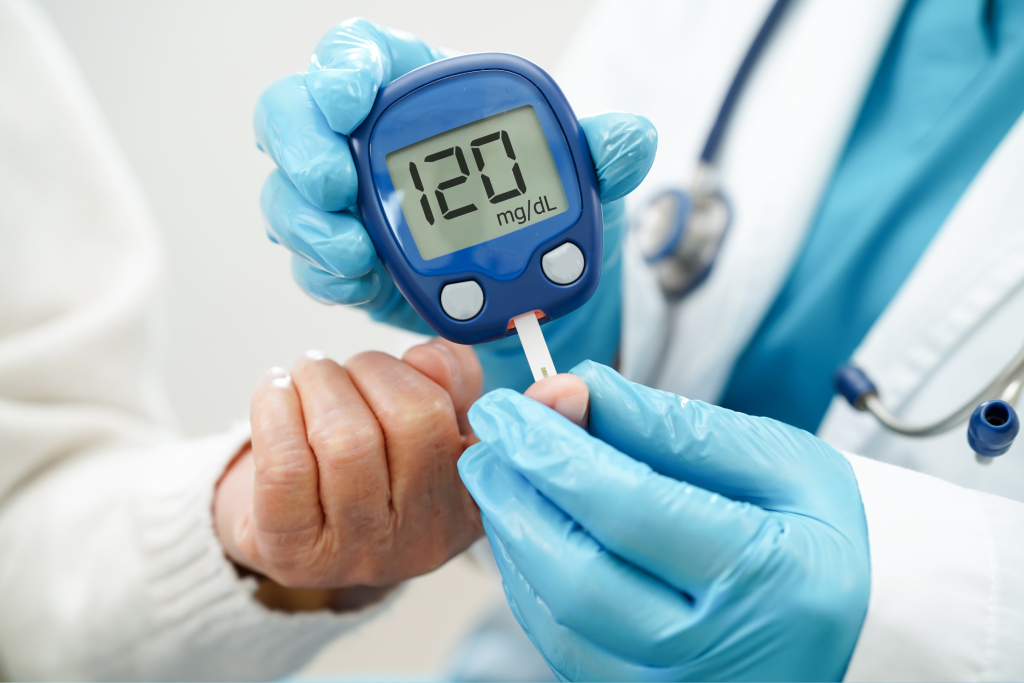
Hypothyroidism, also known as an underactive thyroid, is a common endocrine disorder characterized by insufficient production of thyroid hormones by the thyroid gland. As thyroid hormones play a vital role in regulating metabolism, energy production, heart rate, body temperature, digestion, and several other essential physiological functions, the reduced hormone levels can have widespread effects on overall health and well-being.
Hypothyroidism may go undiagnosed for months or longer because its symptoms often develop gradually and can resemble stress, ageing, or generalized tiredness. At Healing Hospital in Chandigarh, our Internal Medicine department provides evaluation and long-term management for thyroid disorders. The care plan includes thyroid-function testing, review of symptoms and medicines, levothyroxine management, and scheduled follow-up to support stable hormone control.
What is Hypothyroidism?
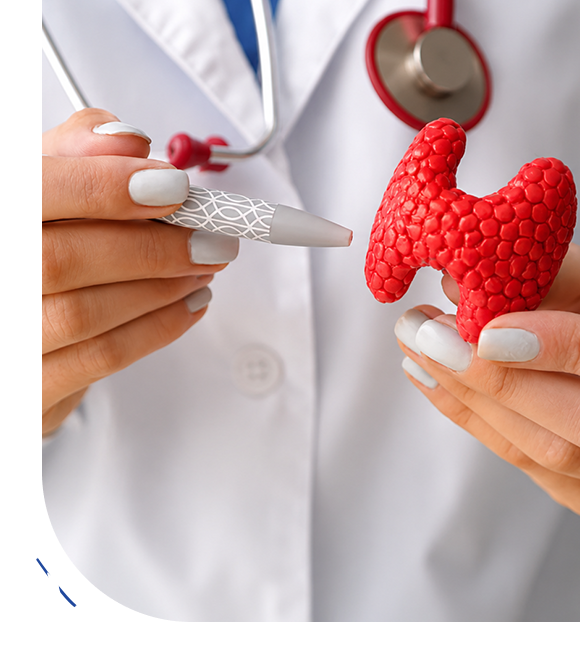
The thyroid is a small, butterfly-shaped gland in the front of the neck. Its hormones help regulate metabolism, energy use, heart rate, body temperature, digestion, and several other body functions. Hypothyroidism, also called an underactive thyroid, occurs when the thyroid gland does not produce enough thyroid hormones to meet the body’s needs.
When thyroid hormone levels fall, many body processes slow down. A person may feel unusually tired, gain weight, feel cold more easily, develop constipation or dry skin, or experience difficulty concentrating and low mood. Symptoms often develop gradually and are not specific to thyroid disease, which is the reason why it can remain undiagnosed for a long time.
The brighter side is that hypothyroidism is one of the most reliably treatable hormonal conditions in medicine. A simple blood test can confirm it, and daily medication dose can bring symptoms fully under control.
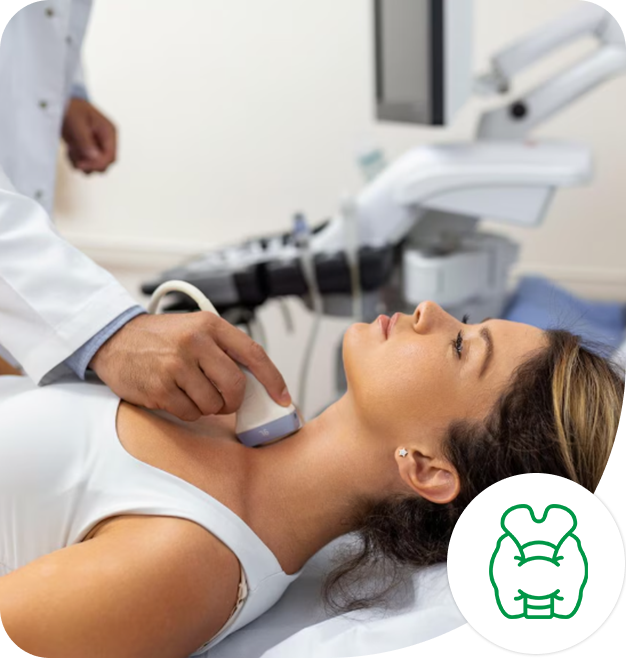
Types of Hypothyroidism
Hypothyroidism can be classified according to where the problem occurs, how severe the hormone deficiency is, and whether it was present from birth or developed later.
Primary Hypothyroidism
Primary hypothyroidism occurs when the thyroid gland itself cannot produce enough thyroid hormone. It is the most common form and is often caused by Hashimoto’s thyroiditis, an autoimmune condition in which the immune system gradually damages thyroid tissue. Blood tests typically show a raised TSH level, with a low free T4 level.
Secondary or Central Hypothyroidism
Secondary hypothyroidism is a less common form caused by inadequate stimulation from the pituitary gland, which normally produces thyroid-stimulating hormone (TSH). More broadly, this is called central hypothyroidism because the problem may involve the pituitary gland or hypothalamus in the brain. Unlike primary hypothyroidism, TSH may be low, normal, or inappropriately normal despite a low free T4 level. It can occur because of a pituitary tumour, brain surgery, head injury, radiation, or other disorders affecting the hypothalamic–pituitary region.
Subclinical Hypothyroidism
Subclinical hypothyroidism is a mild biochemical form in which TSH is above the usual reference range while free T4 remains within the normal range. Some people have no symptoms, while others can report fatigue, cold intolerance, constipation, or difficulty with weight management. Management can involve repeated testing and observation, or treatment in patients with significantly elevated TSH levels, which were not managed successfully by lifestyle changes.
Congenital Hypothyroidism
Congenital hypothyroidism is present at birth. It may result from an absent, underdeveloped, or abnormally located thyroid gland, an inherited problem with thyroid-hormone production, iodine imbalance, or blocking antibodies or medicines transferred from the mother during pregnancy.
Signs and Symptoms of Hypothyroidism
Hypothyroidism symptoms usually develop gradually over weeks or months, so they can be mistaken for stress, ageing, poor sleep, or unexplained fatigue for a long time.
Common Symptoms
Possible signs of an underactive thyroid include:
- Persistent tiredness or low energy.
- Unexplained weight gain or difficulty losing weight.
- Increased sensitivity to cold.
- Dry skin, coarse hair, or thinning hair.
- Constipation.
- Low mood, depression, or reduced motivation.
- Difficulty concentrating, forgetfulness, or “brain fog.”
- Muscle aches, cramps, stiffness, or joint pain.
- Heavier, longer, or irregular menstrual periods.
- A puffy face or swelling around the eyes.
- Hoarse voice or slowed speech.
- Slower-than-usual heart rate.
- Elevated cholesterol on blood testing.
Warning Signs
Consult a general physician or an endocrinologist near you, if symptoms such as persistent fatigue, unexplained weight change, cold intolerance, constipation, hair loss, menstrual changes, or low mood continue or occur together. Your doctor will review your medical history, examine the thyroid, and order thyroid-function tests.
When to Seek Emergency Care
Seek immediate emergency medical attention for possible severe hypothyroidism, known as myxoedema crisis or myxoedema coma, if a person develops:
- Confusion, unusual drowsiness, reduced responsiveness, or loss of consciousness.
- An abnormally low body temperature.
- Very slow breathing or difficulty breathing.
- A markedly slow heart rate.
- Severe swelling, profound weakness, or collapse.
Myxoedema coma is rare but life-threatening and usually occurs with severe, prolonged, or untreated hypothyroidism.
Hypothyroidism: Causes and Risk Factors
Hypothyroidism can develop when the thyroid gland’s functioning is impaired, when it does not receive the correct signals from the brain, or when thyroid hormone production is disrupted by inflammation, medicines, treatment, or iodine imbalance.
Hashimoto’s Thyroiditis
Hashimoto’s thyroiditis is an autoimmune condition in which the immune system gradually attacks thyroid tissue. It is the most common cause of hypothyroidism. The condition may develop slowly over years and can occur alongside other autoimmune diseases.
Iodine Imbalance
Iodine is required to produce thyroid hormones. Severe iodine deficiency can cause hypothyroidism and thyroid enlargement, particularly in areas where iodized salt or other iodine sources are not widely available. However, excessive iodine intake can also disrupt thyroid function in some people. Iodine supplements, therefore, should not be started without expert medical advice.
Pituitary or Hypothalamic Disorders
The pituitary gland produces TSH, which signals the thyroid gland to produce thyroid hormones, T4 and T3. Disorders affecting the pituitary gland or hypothalamus can reduce this signal and cause central, or secondary, hypothyroidism. This is less common than primary hypothyroidism and may require assessment from an endocrinologist.
Postpartum Thyroiditis
Postpartum thyroiditis is inflammation of the thyroid that develops during the first year after childbirth. It can initially cause a temporary phase of excess thyroid hormone, followed by hypothyroidism. Thyroid function can later return to normal, but some women develop persistent hypothyroidism as well.
Family History and Autoimmune Disease
The risk is higher in people with a close family history of thyroid disease or autoimmune disorders. Having conditions such as type 1 diabetes, celiac disease, rheumatoid arthritis, lupus, Addison’s disease, or pernicious anaemia can also increase risk.
Age, Sex, and Life Stages
Hypothyroidism can affect anyone, including children and men, but it is more common in women and becomes more frequent with age. Risk may also increase during pregnancy, after childbirth, and around menopause.
Thyroid Surgery or Radioactive Iodine
Removing part or all of the thyroid gland, treating an overactive thyroid with radioactive iodine, or receiving radiation to the neck or upper chest can reduce the thyroid’s ability to produce hormones. People who have undergone these treatments generally need long-term thyroid-function monitoring.
Certain Medicines
Some medicines can interfere with thyroid hormone production or release. Important examples include lithium and amiodarone. Other medicines may also affect thyroid function, so patients should tell their doctor about all prescription medicines, supplements, and non-prescription products they use.
Hypothyroidism Diagnosis and Testing
Hypothyroidism cannot be diagnosed from symptoms alone because fatigue, weight change, low mood, and constipation can have many causes. Diagnosis usually combines a medical history, physical examination, and thyroid-function blood tests.
Medical History
Your doctor can enquire about:
- Fatigue, weight changes, cold intolerance, constipation, hair loss, and mood changes.
- Menstrual pattern, fertility, pregnancy, or recent childbirth.
- Previous thyroid surgery, radioactive iodine treatment, or neck radiation.
- Medicines such as lithium or amiodarone.
- Personal or family history of thyroid or autoimmune disease.
Physical Examination
The examination can include:
- Feeling the neck for thyroid enlargement, asymmetry, or nodules.
- Checking heart rate and blood pressure.
- Assessing skin dryness, facial puffiness, hair changes, and swelling.
- Evaluating reflexes, muscle strength, and general alertness.
Physical findings can raise suspicion but cannot confirm hypothyroidism.
TSH Blood Test
Thyroid-stimulating hormone (TSH) is usually the first and most important blood test for suspected primary hypothyroidism. A raised TSH generally means the pituitary gland is producing more stimulation because the thyroid is not making enough hormone. TSH is also the most accurate initial test for most thyroid-function evaluations.
Free T4 Blood Test
Free thyroxine (free T4) measures the thyroid hormone available to the body. It is interpreted alongside TSH:
- High TSH with low free T4: Overt primary hypothyroidism.
- High TSH with normal free T4: Subclinical hypothyroidism.
- Low or inappropriately normal TSH with low free T4: Possible central hypothyroidism, requiring further assessment.
Note: Pregnancy, severe illness, and some medicines can affect interpretation
Free T3 Blood Test
Free T3 is not routinely needed to diagnose hypothyroidism because T3 levels can remain normal even when the thyroid is underactive. It may be considered in selected or complex cases, but TSH and free T4 are usually the key tests for hypothyroidism.
Thyroid Antibody Blood Testing
Anti-thyroid peroxidase (anti-TPO) antibodies can support a diagnosis of Hashimoto’s thyroiditis, the most common autoimmune cause of primary hypothyroidism. Antibody testing helps identify the likely cause and may help estimate the risk of progression in subclinical hypothyroidism, but it does not replace TSH and free T4 testing.
Thyroid Ultrasound
Ultrasound is used to examine the thyroid’s structure, not to measure thyroid hormone function. It may be recommended when a doctor finds a thyroid nodule, goitre, asymmetry, or another structural abnormality on examination. It is not usually required as the first test for uncomplicated suspected hypothyroidism.
Hypothyroidism Treatment in Chandigarh at Healing Hospital
Treatment for hypothyroidism depends on the TSH and free T4 results, symptoms, age, pregnancy status, heart health, underlying cause, and other medicines. Healing Hospital’s Internal Medicine department provides thyroid evaluation, treatment planning, and long-term monitoring for underactive thyroid and related disorders.
Levothyroxine Therapy
The standard treatment for persistent hypothyroidism is levothyroxine, a synthetic form of thyroxine (T4) that replaces the hormone the thyroid is not producing sufficiently. The dose is prescribed individually and should not be started, stopped, or changed without medical advice. Many people begin to feel better within several weeks, although the time required for complete symptom improvement varies.
Addressing the Underlying Cause
When hypothyroidism is related to Hashimoto’s thyroiditis, previous thyroid treatment, surgery, iodine imbalance, or a medicine interaction such as lithium or amiodarone, the underlying factor is reviewed. Your internal medicine specialist or endocrinologist can adjust it accordingly or co-ordinate with the prescribing doctor for some adjustments.
Lifestyle Guidance
A balanced diet, regular physical activity, appropriate weight management, and attention to cholesterol and blood pressure support overall health. Iodine supplements are not routinely needed in iodine-sufficient areas and can sometimes interfere with thyroid function, so they should be used only when medically indicated.
Dietary Management & Nutrition Support
A balanced diet can support energy, digestion, healthy weight, cholesterol management, and overall metabolic health. Healing Hospital’s Department of Nutrition and Dietetics provides nutrition plans and clinical diet therapy based on each patient’s thyroid reports, symptoms, weight, lifestyle, medicines, and related conditions such as diabetes or high cholesterol.
Hypothyroidism Recovery & Long-Term Management
Hypothyroidism is often a lifelong condition. With regular testing and follow-up, most patients can maintain stable thyroid hormone levels and continue their usual activities.
Initial Stabilization
The first few months focus on finding the appropriate levothyroxine dose. TSH is generally checked about 6–8 weeks after starting treatment or changing the dose. Further adjustments and repeat testing may be needed until thyroid levels reach the target range. 1109
Long-Term Monitoring
Once the dose is stable, thyroid testing is commonly repeated after approximately six months and then once a year. More frequent monitoring may be required if symptoms change, medicines are altered, pregnancy occurs, or there is a significant change in weight or overall health. Patients should take levothyroxine consistently and should not stop or change the dose without medical advice.
Managing Related Conditions
Hypothyroidism may occur alongside high cholesterol, weight gain, diabetes, high blood pressure, or other metabolic conditions. Coordinated care between Internal Medicine, Nutrition and Dietetics, and other relevant specialists can address these conditions together rather than treating them in isolation.
Pregnancy and Thyroid Monitoring
Thyroid hormone requirements often increase during pregnancy. Women taking levothyroxine should inform their doctor as soon as pregnancy is confirmed so that testing and treatment can be reviewed promptly. Thyroid function is usually monitored every 4–6 weeks during the first half of pregnancy and at least once later in pregnancy, with dose adjustments when necessary.
Why Early Hypothyroidism Evaluation Matters
Hypothyroidism can develop gradually, and early symptoms such as fatigue, unexplained weight gain, constipation, dry skin, or sensitivity to cold may be mistaken for stress, ageing, or lifestyle-related changes. Early evaluation with appropriate thyroid function tests can confirm the condition and allow treatment to begin before symptoms significantly affect daily life.
Untreated hypothyroidism can contribute to high cholesterol, menstrual or fertility problems, and cardiovascular complications. It also requires particular attention during pregnancy, when inadequate thyroid hormone levels can affect both maternal and fetal health. In rare, severe cases, long-standing untreated hypothyroidism can progress to myxoedema coma, a serious medical emergency.
If you experience persistent symptoms or have risk factors for thyroid disease, consulting a general physician or endocrinologist can help identify the cause and guide appropriate treatment. Early diagnosis and regular monitoring can help maintain healthy thyroid hormone levels and prevent avoidable complications.
Why Choose Healing Hospital for Hypothyroidism Treatment in Chandigarh?

Comprehensive Thyroid Care : Healing Hospital provides personalized hypothyroidism care from initial evaluation and thyroid function testing to treatment, dose adjustment, and long-term monitoring. Your treatment plan is tailored to your thyroid hormone levels, symptoms, age, and overall health.

In-House Diagnostic Lab Services for Thyroid Testing : Accurate and timely diagnosis of hypothyroidism depends on reliable thyroid function testing. At Healing Hospital, our in-house diagnostic laboratory enables prompt TSH and thyroid hormone (T3, T4) testing, supporting faster diagnosis and treatment initiation. Regular monitoring is also made convenient, allowing physicians to track your response to therapy and adjust medication doses accurately for optimal thyroid control.

24×7 Emergency & Ambulance Support : Hypothyroidism is usually managed through regular outpatient care, but severe complications can require urgent medical attention. Healing Hospital provides 24×7 emergency and ambulance support for patients requiring immediate evaluation and treatment.
Hypothyroidism Prevention Tips
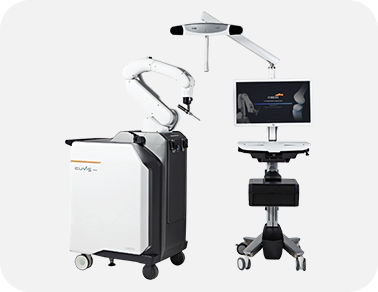
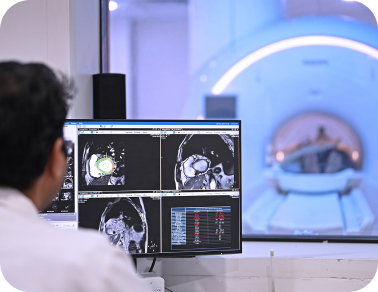
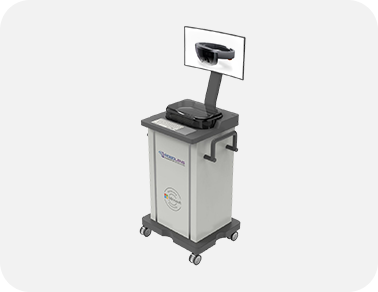
The Internal Medicine Department at Healing Hospital is equipped with advanced diagnostic tools that aid accurate evaluation and effective treatment.
Hypothyroidism caused by autoimmune conditions cannot always be prevented. However, maintaining adequate iodine intake, recognizing risk factors, and monitoring thyroid function when medically indicated can help identify thyroid problems early and support appropriate treatment.
Ensure Adequate Iodine Intake
Using iodized salt as part of a balanced diet helps prevent iodine deficiency, which is an important cause of hypothyroidism. Excessive iodine intake should also be avoided unless recommended by your doctor.
Get Screening If You Are at Higher Risk
People with a family history of thyroid disease, autoimmune conditions, previous thyroid surgery, or other risk factors should discuss thyroid function testing with their doctor. Regular monitoring may help detect thyroid abnormalities before symptoms become significant.
Monitor Thyroid Function During and After Pregnancy
Pregnancy and the postpartum period can affect thyroid function. Women with previous thyroid disease or symptoms suggestive of postpartum thyroiditis should discuss appropriate thyroid testing and follow-up with their doctor.
Review Medications with Your Doctor
Some medicines can affect thyroid function. If you take medications known to influence thyroid hormones, your doctor may recommend periodic thyroid function tests and adjust treatment when necessary.
Do Not Ignore Persistent Symptoms
Ongoing fatigue, unexplained weight changes, sensitivity to cold, constipation, dry skin, or other persistent symptoms should be discussed with a doctor rather than attributed automatically to stress or lifestyle. Early evaluation can help identify whether an underlying thyroid disorder is present.
Meet Our Hypothyroidism Specialists in Chandigarh
At Healing Hospital, hypothyroidism is evaluated and managed by our Internal Medicine team as part of comprehensive metabolic and hormonal care. Treatment decisions are based on your blood test results, symptoms, and overall health.
📞 Call:+91 90903 43495, +91 98768 98427 to schedule your consultation with our Internal Medicine Department.
🌐 Book Online: Visit www.healinghospital.co.in to schedule an appointment.
Other Internal Medicine Services at Healing Hospital
Healing Hospital’s Internal Medicine department provides evaluation and long-term management for a broad range of adult health conditions. Its physicians care for acute illnesses, chronic diseases, metabolic disorders, and complex cases that may require coordination with other specialties.

Dr. H.P. Singh is a dedicated Consultant in Internal Medicine with a strong academic foundation and extensive clinical experience in diagnosing and managing a wide range of acute and chronic medical conditions. He is committed to delivering ethical, evidence-based, and patient-centered care, combining sound clinical judgment with a compassionate approach to help patients achieve better health and long-term well-being.
Doctors Available
Equipped with state-of-art diagnostic and treatment technologies to ensure the best outcomes for our patients





Frequently Asked Questions (FAQs)
What are the early signs of hypothyroidism?
Early signs include persistent fatigue, unexplained weight gain, feeling unusually cold, dry skin, and constipation. These symptoms build up gradually, which is why hypothyroidism often goes unnoticed for a while.
What causes hypothyroidism?
The most common cause in areas with adequate iodine intake is Hashimoto’s thyroiditis, an autoimmune condition. Other causes include iodine deficiency, thyroid surgery, radioactive iodine treatment, certain medications, and pituitary disorders.
Can hypothyroidism be treated without medication?
Most cases require levothyroxine, a daily thyroid hormone replacement. Mild, subclinical hypothyroidism may sometimes be monitored with periodic blood tests before starting medication, depending on your specific levels and symptoms.
How is hypothyroidism diagnosed?
Diagnosis is confirmed through blood tests, primarily TSH and free T4, along with a physical examination and detailed symptom history. A thyroid antibody test may be added to check for an autoimmune cause.
How long does it take to feel better after starting treatment?
Many patients notice improvement in energy and mood within a few weeks of starting levothyroxine, though it can take several months of dose adjustment to reach your ideal, stable level.
Is hypothyroidism a lifelong condition?
For most patients, particularly those with autoimmune hypothyroidism, yes. It’s typically managed successfully with daily medication and periodic blood test monitoring rather than cured outright.
What happens if hypothyroidism is left untreated?
Untreated hypothyroidism can raise cholesterol, strain the heart, affect fertility, and in rare, severe, long-standing cases, progress to myxedema, a genuine medical emergency.
How often do I need blood tests while being on levothyroxine medicine?
Blood tests are usually recommended every eight weeks after a dose change, then roughly once a year once your levels are stable, unless your doctor recommends otherwise.
Where can I get hypothyroidism treatment near me in Chandigarh?
Healing Hospital’s Department of Internal Medicine provides hypothyroidism evaluation and treatment in Chandigarh, including blood tests, diagnosis, medication management, and long-term follow-up.
How do I book a consultation for hypothyroidism treatment near me?
You can contact Healing Hospital’s Internal Medicine appointment desk at +91 90903 43495, +91 98768 98427or book online through www.healinghospital.co.in.
Blog
Neutrophils Normal Range: High & Low Counts, Causes and Blood Test Results

Global Handwashing Day 2026: Simple Practice, Powerful Impact

World Rabies Day 2026: Understanding Rabies, Prevention and Timely Care
High Blood Pressure: Symptoms, Causes, & When it Becomes an Emergency
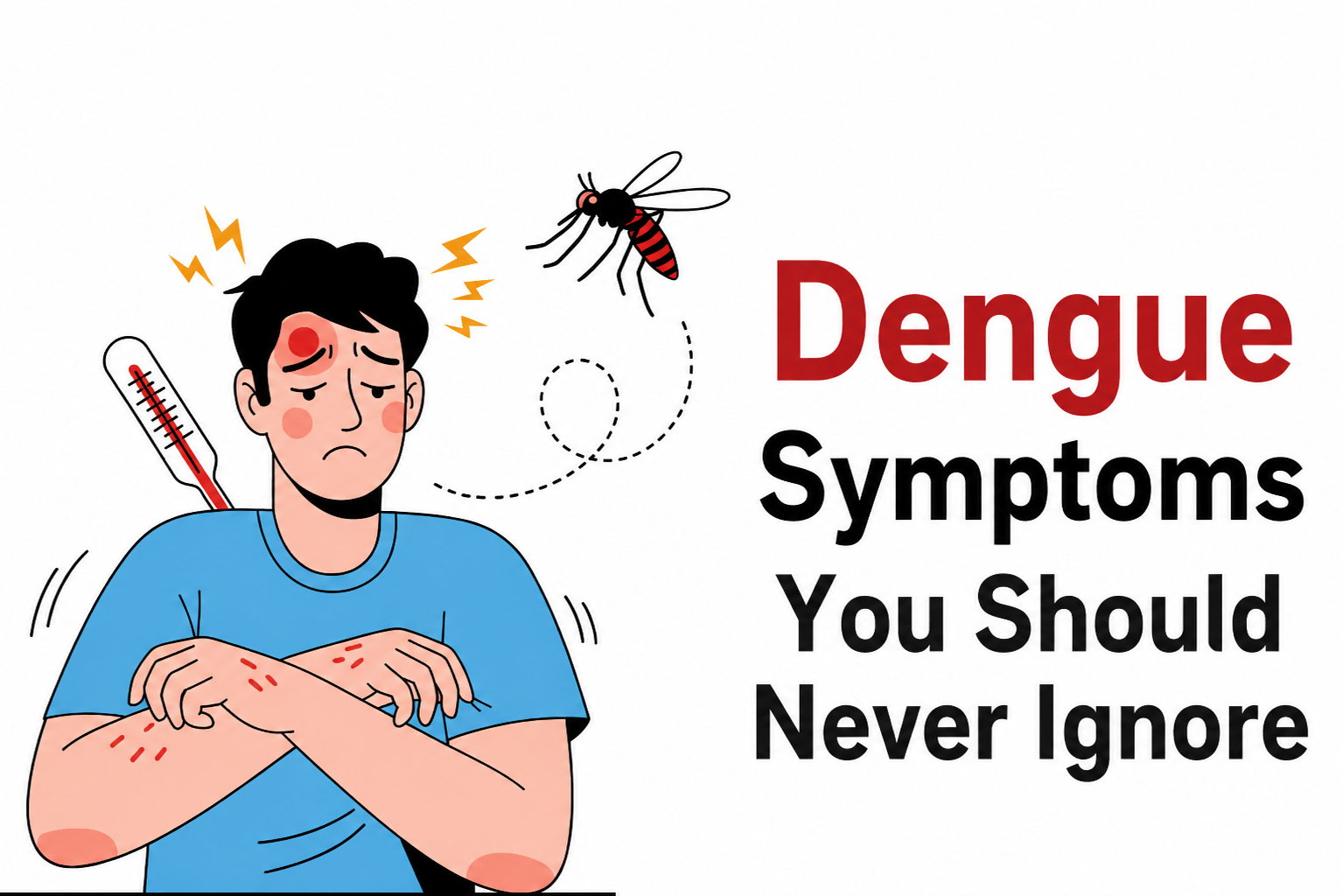
Dengue Symptoms You Should Never Ignore
Understanding Dengue Fever Platelet Count: What’s Normal and What’s Not?

Typhoid Fever Symptoms: Causes, Treatment & Warning Signs You Shouldn’t Ignore

Wellness on a Budget: Affordable Strategies for Everyday Health

Dehydration in Summer: Signs, Symptoms and Prevention Tips